
Preparing for Moving Day: 10 Ways to Make Your Movers’ Lives Easier
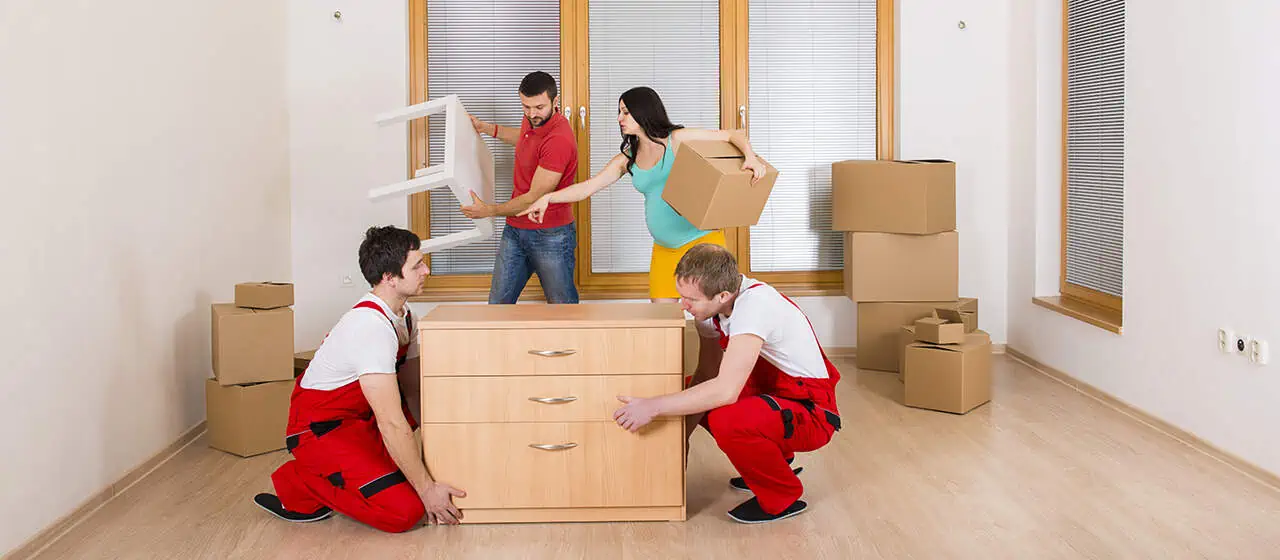
Posted in: Moving DayThere are a lot of tips and tricks out there to streamline your move, but ultimately, the best way to prepare for movers is to have everything organized and ready to go before your movers arrive. This not only saves the movers’ time, but it also saves you money, especially if you’re paying by the hour. A little planning goes a long way in making moving day smoother for everyone.
Not sure how to make sure everything’s ready to go? Following this guide’s advice will help you prepare like a pro — and make things easier for your movers, too.
How to Prepare for Movers (Before They Arrive)
Before the movers show up, make sure your home is packed and prepped. This will help them get the job done quicker and more efficiently, saving you time, stress, and possibly money if your movers charge by the hour.
“Remember that propane tanks are also prohibited [on moving trucks]. Movers will likely refuse to take them, even if they are certified empty.”
If you live somewhere with tight parking and elevators, like a big-city high-rise, consider reserving a parking spot and elevator ahead of time so your movers can get in and out as quickly as possible. Don’t forget — if they have to move items to a truck parked far from your home (called a “long carry” in the business), it may cost extra.
Here are 10 things you can do ahead of moving day to make it go easier for everyone involved.
1. Disconnect and unplug as many electronics, lamps, and appliances as possible
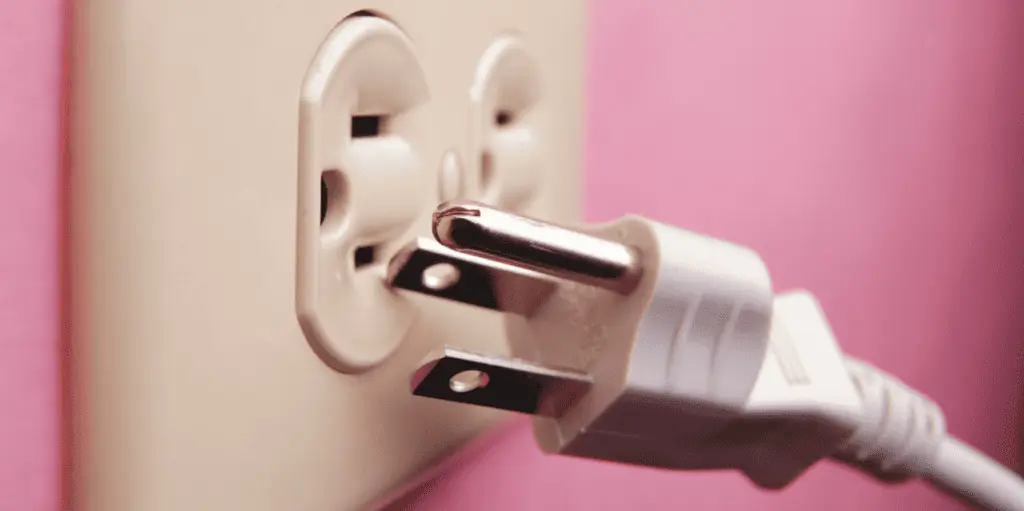
See all those cords and wires back there on the floor behind the TV stand? That dusty tangle of connections for your gaming systems, surround sound, and Roku box? Or all of the appliances in your kitchen, like the coffee maker, blender, and air fryer?
Your movers, of course, would be fine with spending half an hour disconnecting that mess — but is that really what you want to pay them for?
Instead, make sure you’ve unplugged and organized all electronics and setups like this before the movers arrive. Also, make things easy on yourself by labeling and organizing all those cords. Put them in Ziploc bags, or simply wrap them in newspaper and label them with what machine or appliance they go to. Even better, this makes the setup at your new place way easier.
2. Get everything off of every single wall
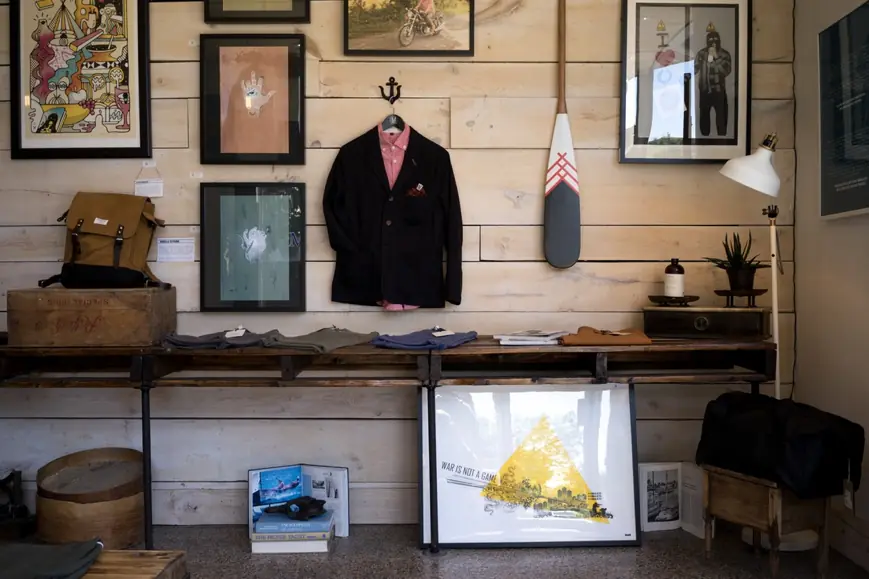
This step can be done little by little in five- or ten-second increments weeks ahead of your move.
It’s this simple: when you walk past any picture, knick-knack, painting, or something else, take it down, and place it against the wall on the floor. Or, find some out-of-the-way wall space where you can lean all of these items. Do the same with all your smaller picture frames from the side tables and shelves. If you follow these steps before your moving day, you’ll have saved your movers a lot of precious time.
Pro Tip: Keep a small bag for all those nails and hangers, since you’ll want them when it’s time to start decorating your new home.
3. Strip your mattress and fold your bedding
Instantly make your bed move-ready by stripping the mattress and folding up all your bedding ahead of your move. If the movers are packing you up, they’ll only have to stick those blankets, pillows, and sheets inside a box. If you’re doing your own packing, then have a box ready by your bed so that you can get that box packed before you’re even out of your pajamas.
Pro Tip: After stripping your mattress, disassemble all your big furniture, such as bed frames. You might also break down shelves and tables for easy moving.
4. Disassemble your bike
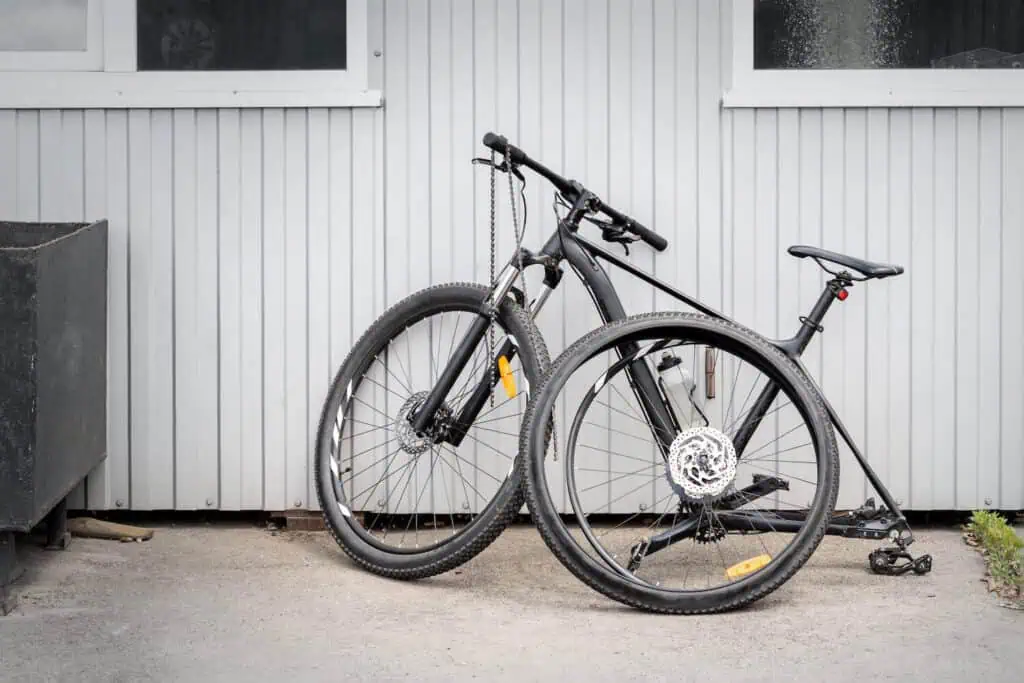
If you have a bicycle ( or a few), get them move-ready. Bicycles don’t fit well into a loaded truck with the handlebars sticking out on both sides, or with the front wheels still on. Bikes are also usually among the last items to be loaded onto the truck, when there’s often not a lot of space left.
If you’re inexperienced, you may risk damaging your bike, so be gentle and take your time. And don’t forget, if you’re not sure what to do, YouTube is your friend for showing visual guides on how to disassemble and protect your bike for a move.
Also, make sure you keep that wheel with the rest of the bike — you’ll need it later. This sounds obvious, but we’ve seen that front wheel get set aside for last and then end up forgotten during moves plenty of times before.
5. Make a space for anything you don’t want movers to touch
In preparing for your move, you’ll find a whole host of items you’ll want to keep on hand: phone, charger, birth and marriage certificates, stuff to mail, work documents, family heirloom jewelry — you get the idea.
You might want to designate a place for all the stuff you don’t want packed or moved. A kitchen counter is usually a good choice. Put everything in this category into a marked box, or in a pile against the wall where there will also likely be an outlet to keep your gadgets charged.
Pro Tip: Make sure you keep paths clear so movers can get to everything without tripping. This includes keeping kids and pets safely out of the way, too, so consider boarding your pets and hiring a babysitter. That way, you can focus on the move, and nobody will be accidentally underfoot.
6. Clear and defrost your freezer
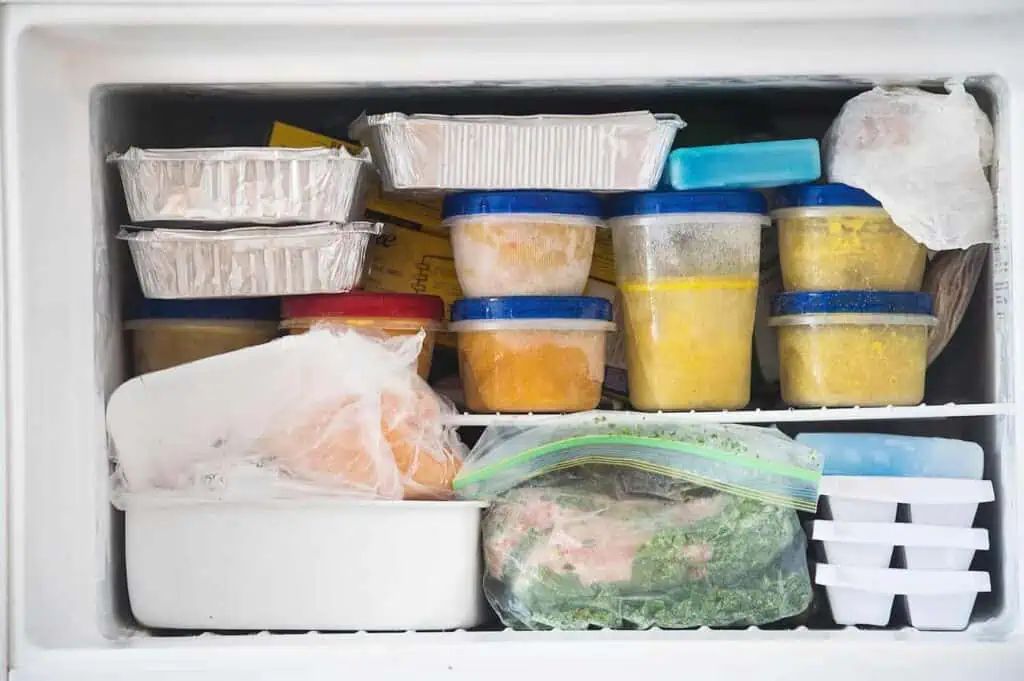
Plan accordingly to pack and clear your fridge, freezer, and pantry. The added benefit of doing this before moving day is that you have plenty of time to defrost, clear things out, and figure out what to do with all the perishable food. Like the saying goes, you can’t take it with you. Eat it, donate it, or give it to your neighbor.
And when you do get around to it, do not use an ice pick, screwdriver, pocket knife, or any other metal object to break up that unwanted ice in the freezer. It’s way too easy to put a hole in the siding. Instead, leave the door open, unplug your refrigerator or freezer, and let the ice melt. Don’t forget to put a bath towel down to soak up the water.
7. Drain your mowers and other tools
Oil and gasoline are among the things movers are not allowed to put on their truck, in a rental truck. That includes what’s in your lawn mower and other similar tools that use fuel to run. Running these machines out of gas might be one option, but siphoning it is a better option.
Remember that propane tanks are also prohibited. Movers will likely refuse to take them, even if they are certified empty.
We recommend erring on the side of caution and leaving them with someone, turning them in (Home Depot, Lowe’s, etc.), or selling them (Craigslist is an oft-used option).
8. Break down the shelves

This may be logistically challenging if your shelves are loaded with stuff your movers will be packing up, but if you have the floor space, put those shelf items in organized piles and disassemble them yourself.
When you take apart your shelf units, finish the job by tying the pieces together with some string or twine. Make sure your bundles are manageable — 3 or 4 shelf pieces and 4 to 6 upright pieces each.
Pro Tip: While you’re breaking down shelves, take some time to declutter in advance. Donate, toss, or organize the items you don’t want to move.
9. Know where things go ahead of time
We realize how hectic the days and weeks leading up to move day can be. It’s rare that there are no last-minute issues to handle. But you’ll make things a lot less likely to go sideways if you can tell your movers exactly what goes where and in what room, and the best way to do this is with proper labeling.
“…[label] and [organize] all those cords. Put them in Ziploc bags, or simply wrap them in newspaper and label them with what machine or appliance they go to.”
Label your boxes clearly with room names and fragile tags. You can even mark boxes with their contents so you know what you’re opening while unpacking. Color coding is also a great way to organize.
Be sure to set aside any essentials you’ll need right after moving day. Think meds, chargers, and overnight bags. Label your essentials bag so it doesn’t accidentally get packed up!
10. Get your friends to help
You might think that if you hired people to move your stuff, you wouldn’t ask others to do more work. But this isn’t about doing any hard labor. Your friends can help you with packing, organizing, or planning, which makes your move even easier.
An extra few sets of hands before the movers are on the scene can cut your move time by even one hour, which can sometimes save you hundreds.
Final Thoughts: Preparing for Moving Day
A little preparation goes a long way in making moving day easier for everyone involved. When your home is packed, labeled, and ready to go, your movers can get started right away, saving time and reducing stress. Even small tasks, like clearing pathways or labeling boxes clearly, can make a big difference in how smoothly the day goes.
Need an extra hand on moving day? Book trusted, local movers through HireAHelper and get the heavy lifting done right.