

Moving Soon? Experts Share the First DIY Upgrades to Tackle Before You Settle In
Posted in: Moving AdviceMoving into your newly purchased house is an occasion worth celebrating, and it’s likely you’ve already identified ways to transform it into your own. The period immediately after closing, but before moving in, is the ideal “blank slate” moment to tackle certain cosmetic upgrades. However, some major projects are better saved for later.
Knowing which upgrades to tackle now and which to handle later can be tricky. At HireAHelper, we may know our way around a move, but we know we’re not all DIY experts. That’s why we’ve asked a panel of experienced DIYers and renovation experts for their best tips and tricks for when and how to renovate a home—and when to wait or outsource the labor.
What We Cover in This Guide:
- Top DIY Upgrades to Tackle Before Moving In
- How to Determine Whether You Should Tackle a Big Project Right Away
- HireAHelper’s Tips for a Smooth DIY + Move Experience
- Full Expert Q&A
Meet the Experts

Jon Christensen, CEO of Bidmii

Rebekah Higgs, Creator of DIY MOM

Jody Costello, Founder of ContractorsFromHell.com

Colin Shaw, Owner of Handyman Services of CT and Shaw Remodeling

Chris Hewett, Owner of My Old House Fix, LLC
Tarah Lodi, Founder of Grandma’s House DIY
Top DIY Upgrades to Tackle Before Moving In (According to Experts)
Some projects are easier to handle while your house is still vacant because you won’t have to worry about moving furniture or damaging your belongings. So, timing your DIY upgrades strategically can alleviate a lot of stress and speed up your progress.
Tackle Flooring Before It Gets Covered Up
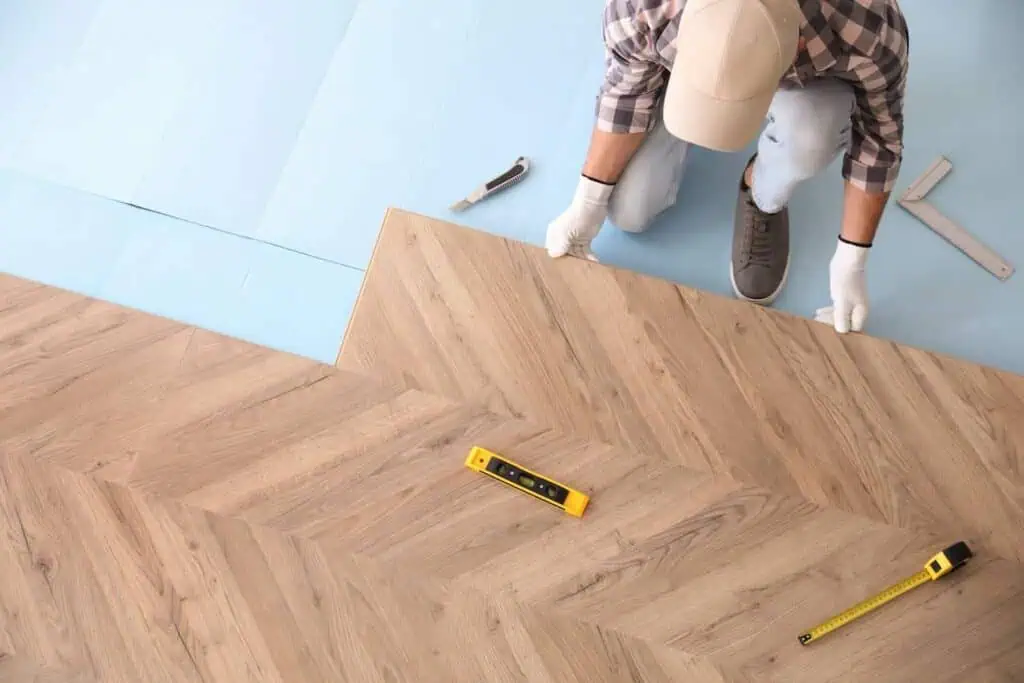
If replacing your flooring is on your must-do list, handling it before move-in often makes the most sense. You’ll have an empty house, after all!
According to expert Colin Shaw:
“The biggest thing to consider is the flooring. If you are going to do hardwood, you want to have that done before you move in.“
If you consider yourself particularly handy, you can probably tackle some flooring projects yourself. Generally, luxury vinyl plank (LVP) and laminate are DIY-friendly if you are fairly handy, while widespread carpet or hardwood installation may require a professional.
Tackle Easy Aesthetic Improvements Early On

Even simple visual upgrades, like changing a paint color or the type of fixtures, can completely overhaul a room’s mood and look. These tasks tend to be easier when you’re not working around furniture and boxes. Colin echoes this sentiment based on his own experience:
“DIY projects are always a good thing, if you are handy. Painting the house before moving furniture in is a great way to change the look of the house. Try changing cabinet hardware in the kitchen. It makes a big difference to the look of older cabinets.”
Expert Rebekah Higgs adds:
“At the end of the day, your home should tell your story—whether that’s through a hand-painted front door or a gallery wall of flea market treasures.
So while you have the room and don’t have to worry about dripping varnish on your leather couch, take care of all the tasks that make your home exactly to your tastes. However, if you’re planning aesthetic changes that involve plumbing, electricity, or a lot of space (like installing granite countertops or new light fixtures), you may want to call in professional help.
Optimize Closet & Storage Space Early
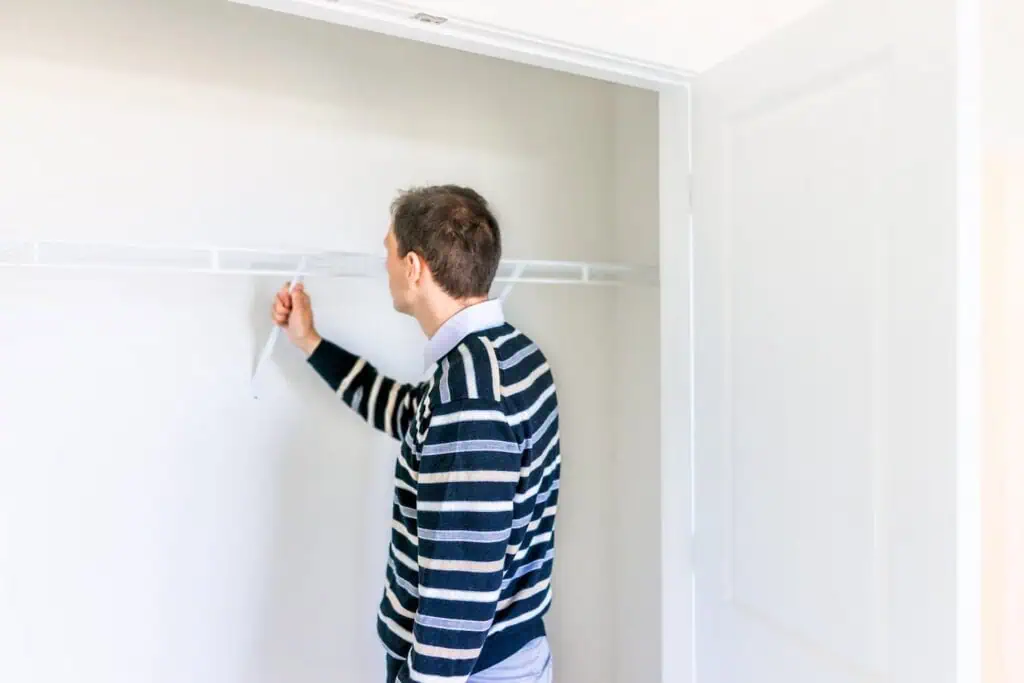
Ample storage space is key for keeping organized after move-in, but it’s not always readily available. Or, if it is, it may not be the right configuration to suit your needs. If you’re comfortable using a drill and a level, you just need a few hours and some hardware to ensure perfect storage solutions in your new home.
Closet storage
Standard closets usually only have a simple rod across the top, which doesn’t always offer enough space. Tarahlynn, our expert on storage space, gets around this with extra hanging rods:
“Before unpacking, the first thing I do is always lower the rod to 40 inches above the floor and add a second rod 40 inches above the first rod in every closet. (For dresses or long coats, the lower rod can be a foot or two shorter than the rod above.) This grants DOUBLE the hanging storage in all of the closets in the house and is a total easy DIY game changer for hanging storage!”
Other storage
Even if your new home is short on built-in storage options, there are likely plenty of places where you can add your own. Here’s how Tarahlynn deals with tight floor plans:
“Another DIY favorite storage option for me is to look up in smaller rooms, especially bathrooms. A simple shelf above the top of a door can provide some much-needed storage space for extras such as towels and toiletries, which can all be hidden in wicker baskets. For those folks who love books especially (and can’t part with them), a shelf along the ceiling can go all around any room.”
With a bit of creative thinking and elbow grease, you can create your own storage solutions and use your space effectively.
Should You Tackle Big Projects Before Move-In? Here’s What the Experts Say
Even if you’ve been considering that kitchen or primary bathroom remodel since you first toured your home, immediately after the purchase may not be the time to act. Whether it makes sense to upgrade now or later depends on what you’re considering doing, whether you plan to keep your belongings in a storage unit and delay move-in for a few months, and other factors. Keep reading to see what the experts recommend when it comes to diving into major projects—and when to hold off. And, if you do plan on acting now, check out their advice on finding quality contractors in your area.
If You’re New to Renovations: Wait and Observe
It’s hard to know what you like and dislike about a new home immediately. Expert Colin Shaw recommends giving a new home some time before making major changes:
“I always tell new homeowners to wait at least a year before starting major remodels. Living in the space gives you time to see what you like and don’t like. However, those who have owned houses before may already know the answer to those questions.”
Expert Chris Hewett agrees with this sentiment, recommending homeowners postpone unnecessary major projects while prioritizing emergency repairs:
“Now, an initial home inspection (always recommended) can pinpoint the need for immediate or emergency repairs prior to closing/moving in, but in general the major projects should be accomplished after a little time for reflection. … A new home reveals its quirks over time, allowing for informed, not impulsive, decisions. Give it time to tell you what is not working, what it needs, what it doesn’t need … while taking the home inspection into consideration.”
If You Know What You Want (Or the House Requires It): Act Now
If your home requires immediate work, or if you already know what kind of major renovations you want, scheduling them before move-in may be more practical. However, not everyone can afford to delay move-in for several months during renovations. Or, like Colin mentioned, some may prefer getting to know their new house before making major decisions. However, if you bought a fixer-upper in need of immediate repairs, you should handle those before move-in. If you’re on the fence, Jon has some thoughts that may help:
“Tackling big upgrades in an empty property means you won’t have to live in a construction zone, and contractors can work more efficiently without residents underfoot. Many property managers, for example, schedule major renovations in the window between tenants for this very reason. The same logic applies to homeowners.”
Alternatively, you could take a hybrid approach, living in part of your home while leaving areas that need repairs empty.
Bonus: How to Find Quality Pros for Your Project

Many homeowners might find themselves in over their heads handling major renovations, especially in a kitchen or bathroom. In those cases, finding a good contractor can make or break the entire project. Don’t sacrifice quality for lower costs, Rebekah cautions:
“First, know when to call in a pro. Nothing costs more than fixing a DIY gone wrong. If it’s structural, check with an engineer before knocking down a wall. If it requires certification or training—think electrical or plumbing — you could cause bigger issues down the line if you skip the permit.”
Finding good contractors can be difficult if you’ve never done it before. As expert Jody says:
“Hiring contractors for projects around the home, whether it’s renovating, building, or repairs, is a challenge that many consumers have fears about — and rightly so. So many folks have had poor experiences with contractors, usually because they just didn’t do a thorough job of vetting them. You have to go beyond simple license checks and referrals, as this doesn’t truly address business ethics, honesty, competency, and reliability.”
Do your due diligence and make sure hired contractors meet all state requirements. Jody elaborates on this process:
“Performing background checks that uncover complaints, fraud, lawsuits, and overall reviews usually takes some digging using the internet. Also, every state has specific requirements on licensing, insurance, bonding, and payment schedules. So it’s important to check with your state’s regulatory agency that oversees contractors, to learn what is needed in addition to checking the status of their license.”
Don’t sweat it if you’re a recent transplant and don’t know who to trust. Word of mouth goes a long way. Colin recommends turning to social media for advice:
“And if you are new to the area, which you most likely are, join local Facebook groups and ask who they recommend to do work at your home. You will get a lot of great feedback.”
HireAHelper’s Tips for a Smooth DIY + Move Experience
At HireAHelper, we might not all be masters at DIY projects, but we do know the tips and tricks to achieve smooth, successful moves. Here are our key takeaways about moving when you plan to tackle DIY projects along the way:
- Don’t rush moving in if you painted: To avoid damaging your fresh paint job after it’s applied, wait for curing to finish before putting furniture against it.
- Protect your floors and walls during the move: Cover furniture in moving blankets and gently tape cardboard to your walls to avoid scuffs. To keep your floor clean, toss down drop cloths.
- Don’t skip ventilation: Especially if you’ve been using strong adhesives, paint, or stains recently, take time to let your home fully ventilate before moving in.
- Keep your timeline flexible: Whether you’ve hired professionals or chosen to tackle your projects yourself, there’s always a chance that moving timelines can change. When you book movers on HireAHelper’s marketplace, you get peace of mind knowing that you can reschedule or cancel service for free with a 48-hour notice.
Plan Ahead, Move In Smart
There’s certainly value in pre-move projects if you can handle them quickly and easily. DIY projects are a great way to customize your home, especially for thrifty movers looking to reduce costs. Painting, changing storage solutions, and reflooring your home before moving in make sense if they’ll bring your dream home vision to life. However, major renovations often require a bit more planning before choosing to act on them. Ultimately, the experts agree that choosing to complete a project before move-in depends on your unique situation, preferences, and how necessary the work is to be done.
Expert Panel – Full Q&A
Jon Christensen

Jon Christensen, CEO of Bidmii
How long do major upgrades like kitchen or bathroom remodels typically take, and should they be done before move-in?
“Major renovations such as a kitchen or bathroom overhaul require significant time and planning. At Bidmii, we’ve found that a full kitchen remodel typically takes on the order of two to three months from start to finish, with about 6 to 12 weeks of actual construction work alone. A comprehensive bathroom remodel often runs around one to two months of work (approximately 4 to 8 weeks), depending on the complexity and whether plumbing or electrical systems are being moved. Because these projects can render key areas of your home unusable — imagine having no kitchen or shower for weeks — it’s usually best to complete them before you move in.
Tackling big upgrades in an empty property means you won’t have to live in a construction zone, and contractors can work more efficiently without residents underfoot. Many property managers, for example, schedule major renovations in the window between tenants for this very reason. The same logic applies to homeowners: by using a platform like Bidmii to find trusted contractors and schedule work ahead of time, you can ensure your kitchen or bath overhaul is finished (and inspected to your satisfaction) before you settle into your new home.”
How do you coordinate multiple renovations pre-move to avoid delays?
“Coordinating multiple renovations before move-in requires careful planning and clear communication. The goal is to complete all projects efficiently without one causing bottlenecks for another. Start by mapping out the scope of each renovation and determining task dependencies. For instance, don’t schedule painting before finishing essential electrical or plumbing upgrades. Arrange projects in a logical sequence, and overlap independent tasks where possible to save time. It’s also critical to line up reliable contractors early and set a realistic timeline for each phase. Many delays stem from poor scheduling or contractors juggling too many jobs – I’ve seen projects sit idle for days because a contractor was tied up elsewhere. Firm schedules and accountability are key to preventing that.
One effective strategy is to leverage a platform like Bidmii to manage multiple projects. Bidmii enables homeowners and property managers to hire vetted contractors for each job and coordinate their start dates in one place. For example, a property manager could use Bidmii to coordinate a kitchen update and a bathroom refresh during a single tenant turnover. The platform holds each contractor’s payment in trust until the work is completed to your satisfaction, ensuring transparency and reducing risk. By centralizing the process, Bidmii keeps every contractor on track and the overall project on schedule.”
Rebekah Higgs
Rebekah Higgs, Creator of DIY MOM
How can DIYers balance quality and cost-effectiveness in-home upgrades?
“My DIY mantra has always been “make it happen”—but I’ve learned (sometimes the hard way!) that some things are better left to the pros. After one too many slips, I’ll never not have a staircase runner again!
Here’s how I balance quality and cost-effectiveness in my home projects:
First—know when to call in a pro. Nothing costs more than fixing a DIY gone wrong. If it’s structural, check with an engineer before knocking down a wall. If it requires certification or training—think electrical or plumbing—you could cause bigger issues down the line if you skip the permit.
But for everything else? Go wild and get creative!
I love adding pops of personality through:
- Wallpaper – Nervous? Start in the powder room. It’s a small space with big impact (and makes for a fun surprise for guests!)
- Stair runners – Pretty and practical. I use bound carpet remnants to get a custom look without the custom price tag.
- Textured fabrics – Good drapes can make a room feel finished. You can find affordable custom options online—I’m partial to a triple pleat for that designer detail.
- Tone-on-tone paint – Dark walls with matching trim and ceiling instantly elevate a space and create major mood.
The real secret? Mix high and low.
- Splurge on what you touch every day (like doorknobs and faucets) and safety essentials (like a properly installed runner!).
- Save by styling what you already have—frame your kids’ art, show off family heirlooms, or give thrift finds a fresh coat of paint.
And never underestimate the power of paint! My pink house is proof that bold choices pay off (and make passerby’s smile!)
At the end of the day, your home should tell your story—whether that’s through a hand-painted front door or a gallery wall of flea market treasures.
Just remember: DIY should be fun, not dangerous. Know your limits, do your research, and for heaven’s sake—put a runner on those stairs!”
Jody Costello
Jody Costello, Founder of ContractorsFromHell.com
How can homeowners ensure they’re hiring reputable contractors for pre-move projects?
“Hiring contractors for projects around the home, whether it’s renovating, building, or repairs, is a challenge that many consumers have fears about — and rightly so. So many folks have had poor experiences with contractors, usually because they just didn’t do a thorough job of vetting them. You have to go beyond simple license checks and referrals, as this doesn’t truly address business ethics, honesty, competency, and reliability.
Performing background checks that uncover complaints, fraud, lawsuits, and overall reviews usually takes some digging using the internet. Also, every state has specific requirements on licensing, insurance, bonding, and payment schedules. So it’s important to check with your state’s regulatory agency that oversees contractors to learn what is needed in addition to checking the status of their license. Written contracts are important to have, and the scope of work to be performed must be detailed and understood by both parties. Never sign a vague contract that is too general or that you don’t understand. And, if there is a down payment required, be sure to determine what the maximum amount is allowed for your state.”
Colin Shaw
Colin Shaw, Owner of Handyman Services of CT and Shaw Remodeling
Colin Shaw is the owner of Handyman Services of CT and Shaw Remodeling, based in Niantic CT. Colin’s businesses have been serving the southeast CT shoreline for over 18 years. He is the co-host of Behind the Studs podcast, an Expert Contributor in Niantic Neighbors magazine, and a featured guest expert in home improvement advice columns such as Redfin and NerdWallet.
What projects do new homeowners take on that they should wait on or leave to pros, and what are the best DIY projects?
“Buying a home is an exciting time in anyone’s life. All these great ideas, either on the internet or tv, can make your head spin. Take a deep breath, and come up with a plan for the projects you want done in the house. I always tell new homeowners to wait at least a year before starting major remodels. Living in the space gives you time to see what you like and don’t like. However, those who have owned houses before may already know the answer to those questions. The biggest thing to consider is the flooring. If you are going to do hardwood, you want to have that done before you move in. Next, find the projects that you feel most comfortable with. Don’t go out and buy tools needed for many of the projects. You will likely spend more money than if you hired someone who already has the tools. Those jobs should be left up to the professionals.
DIY projects are always a good thing, if you are handy. Painting the house before moving furniture in is a great way to change the look of the house. Try changing cabinet hardware in the kitchen. It makes a big difference to the look of older cabinets. And if you are new to the area, which you most likely are, join local Facebook groups and ask who they recommend to do work at your home. You will get a lot of great feedback.”
Chris Hewett
Chris Hewett, Owner of My Old House Fix, LLC
Chris Hewett, My Old House Fix, LLC, offers homeowners practical solutions for historic renovations, backed by a comprehensive directory and global resource network, including the Old House Hub Community. He fosters a Community where information and expertise converge, enabling informed decisions. From repairs to full restorations, Chris empowers owners to make lasting improvements, turning old structures into modern, livable spaces while honoring their unique heritage.
What, if any, projects do homeowners take on when moving into a house that would be better saved for after they’ve settled in?
“I talk to a LOT of homeowners about their home projects and by far the MOST popular topic is major home renovations – from a kitchen or bath remodel…to a full “gut” renovation of the entire house. Now, an initial home inspection (always recommended) can pinpoint the need for immediate or emergency repairs prior to closing/moving in, but in general, the major projects should be accomplished after a little time for reflection. Why?
Well, a new house is, well, “new” to you. A new home reveals its quirks over time, allowing for informed, not impulsive, decisions. Give it time to tell you what is not working, what it needs, what it doesn’t need…while taking the home inspection into consideration. This “reflection” time will help you make sound decisions that aren’t made on a “whim” or from a thousand miles away, which will result in a much more satisfying outcome once your major projects are complete. Your home is one of the most important and expensive purchases of your lifetime, so make your time and your dollars count by forming a proper “whole house” rehab/remodel plan. Because there’s nothing worse than enduring a major remodel project — the cost…the time…the stress, to come out on the other side and say: I don’t like this…I don’t like that!. By allowing your home to ‘speak’ to you, you’ll ensure your renovation dollars are spent wisely, creating a space you’ll love for years to come.”
Tarah Lodi
Tarah Lodi, Founder of Grandma’s House DIY
Tarah started her blog and began renovating an old farmhouse back in 2015, and it’s been quite the journey ever since. Along the way, she got married, divorced, lost her beloved dog, spent two years on her own, remodeled just about everything, threw her back out more times than she can count, and discovered that a house is truly never finished and she wouldn’t have it any other way.
Fearless when it comes to improving her home, Tarah loves refinishing old furniture, repurposing vintage finds, building from scratch, and tackling full renovations whenever needed. She’s passionate about sharing her DIY journey and inspiring others to believe that if she can do it, they can too. To follow her journey, check out Grandma’s House DIY.
What DIY storage solutions should be installed before unpacking?
“Most closets these days sport nothing… or a single rod. Before unpacking, the first thing I do is always lower the rod to 40 inches above the floor and add a second rod 40 inches above the first rod in every closet (for dresses or long coats, the lower rod can be a foot or two shorter than the rod above). This grants DOUBLE the hanging storage in all of the closets in the house and is a total easy DIY game changer for hanging storage!
As an alternative (such as kids’ rooms or for folks who would prefer more drawer storage instead), the closet is also a great place to stow a second dresser, leaving more floor space in the room for shelves, a second dresser, or a desk.
Another DIY favorite storage option for me is to look up in smaller rooms, especially bathrooms. A simple shelf above the top of a door can provide some much-needed storage space for extras such as towels and toiletries, which can all be hidden in wicker baskets. For those folks who love books especially (and can’t part with them), a shelf along the ceiling can go all around any room. Giving lots of storage but also a pretty place for decor as well.”