
How to Pack for a Move
Posted in: Moving AdvicePacking your entire home might be the most time-consuming, mentally draining, and labor-intensive task on your moving to-do list. However, you don’t have to dread breaking out the cardboard boxes. You can streamline the process by breaking it down into manageable steps to complete over several weeks. With plenty of prep time and a plan, packing becomes a lot less of an insurmountable chore.
The best way to get your belongings from point A to point B safely is by packing well, and we’re here to make sure you have everything necessary to make that happen. We’ve already created a detailed moving checklist to serve as your master plan to stay organized. However, this guide lists the finer details and collects all our packing guides into one source. When you’re done reading, you’ll know exactly how to pack most common items in your home.
Getting Started: Plan Before You Pack

Moving an entire home is a big ask, especially if you go in blindly. Take the time to plan everything before starting. Create a master packing checklist for moving to outline the entire process. You’ll know exactly what to do and when.
Make sure your plan accounts for essential steps, including:
- A packing timeline that starts well in advance. Try to break things up over 6 to 8 weeks to allow plenty of time and avoid overwhelming yourself. Create a list of tasks per week so you don’t miss any important steps.
- A room-by-room outline detailing what needs to be done and which areas will take more or less time to organize and pack.
- Any fragile or specialty items, and how you plan to handle them. This helps avoid damaged items during the move. Keep in mind that some items, like pianos or heavy pool tables, require specialized movers and equipment to relocate.
- A priority list for packing items. Pack items already in storage, or you need the least amount of access to first. Handle high-use, everyday items, such as dishes and cookware, last.
- Photos of your items so you know where everything goes once you move. This is key for electronic wiring, shelf organization, or items that will be reassembled after the move.
- Decluttering lists that detail items you no longer wish to keep. Make a plan to deal with those items early on. Donate, dump, sell, or give them away.
- A moving plan that delegates tasks to specific people in your household. Even kids can help with a move if they’re given age-appropriate tasks. Plus, getting them involved can make them feel more in control during the moving process.
Any labor you plan to outsource. You don’t have to handle the move yourself if you don’t mind paying for some extra help. Many people pay movers to load, transport, and unload their packed belongings. However, you can also hire laborers to help with packing, unpacking, and even furniture assembly. Typically, you provide the packing supplies, and they do the rest.
Essential Packing Supplies
Using the right moving supplies can make the difference between a successful move and all your packed boxes and bags falling apart. You can find cheaper alternatives, such as getting free used boxes or tossing your belongings in trash bags to haul to your new home. However, this isn’t always the best choice. An old, used moving box that’s survived three moves might not withstand having other boxes stacked on it in the truck, and those bags full of plushies and clothes won’t stack nicely either.
“While professional movers handle most items, they can’t do everything. Generally, if something is considered potentially hazardous or perishable, movers won’t touch it, and you’ll have to make plans for it yourself.”
Buying new, high-quality supplies means you know they’re more likely to withstand the move. Old boxes can lose structural integrity with use. The wrong types of tape may not adhere well to boxes. Nonstandard box sizes, bags, and plastic bins are also harder to organize neatly into the moving truck, meaning you might be wasting valuable space if you use them.
Plus, moving boxes come in an assortment of sizes, shapes, and functions. When you buy new, you can pick up TV boxes, lamp boxes, dish boxes, and other specific types to keep your most fragile items safe on moving day.
As you prepare to start packing, gather these supplies:
- Moving boxes in a variety of sizes
- Bubble wrap, packing paper, or other filler material
- Packing tape and dispenser
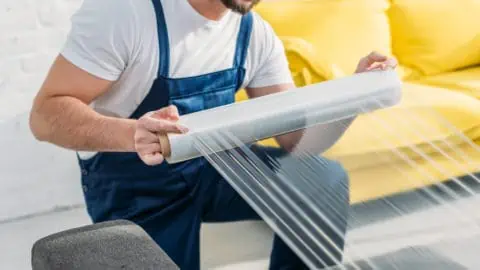
- Shrink wrap
- Permanent markers
How to Pack Like a Pro: Packing Tips for Moving

Packing like a pro means setting yourself up for an easier unpacking process. High-priority items should be packed together for easy access later on, so consider what you need immediately after your move.
These tips will help keep your packing organized and efficient:
- Declutter before you begin packing. Donate, sell, or dispose of items that can’t or won’t be used so you don’t have to pack, store, or pay for transportation for them.
- Create a room-by-room inventory list as you pack. If you’re using professional movers, they likely require a list anyway. This also lets you check off items as you unpack to confirm you’ve received everything.
- Put liquid items inside sealed bags before packing. That way, even if they leak, everything else in the box remains safe.
- Always put the heaviest stuff in boxes first and stack lighter items on top. Also, make sure you distribute the weight evenly. The heaviest items concentrated in the center of the box, for example, can lead to tears or collapse.
- Keep your boxes relatively light to save your back while moving and unpacking. Try to limit boxes to no more than 50 pounds each if possible.
- Fill in empty box space with packing paper or bubble wrap. This keeps items from shifting around, reducing the likelihood of damage.
- Pack tools you’re likely to need while unpacking in a labeled box. That way, you won’t waste time looking for an Allen wrench or drill.
- Label boxes clearly as you go. Include a brief description of contents, the intended room, and a “this side up” arrow. Don’t forget to mark boxes as fragile for delicate items.
- Color-code boxes with labels that match a room in the house. You can put matching sticky notes on room doors so your movers know where to put the boxes as they unload.
- Create an “open first” box for each room. It should include any essentials, like toiletries, basic dishware, or bedding, that you’ll need immediately after your move.
Room-by-Room Packing Guides
Bedroom & Closet

Because you spend a lot of time in this room, expect to pack your bedroom in waves. Start with items you don’t currently need and leave out essentials until the final week.
- How to pack oddly shaped mirrors and frames
- How to pack a mattress
- How to pack clothing
- How to pack jewelry
- How to pack makeup
- How to move makeup
- How to pack wardrobe boxes
- How to move hanging clothes
Kitchen

Kitchens are full of items that require special planning to avoid breaks, spills, or spoilage. It’s also typically where your most expensive and heaviest appliances are. Ensure you have plenty of packing paper or bubble wrap on hand and consider using specialty boxes for your dishes. Don’t forget to add fragile labels as needed.
- How to pack your pantry, fridge, and freezer
- How to pack fragile glass and dish packs
- How to pack glass plates
- How to pack kitchen utensils
- How to pack dishes
- How to pack glasses
- How to pack mugs and teacups
- How to pack pots and pans
- How to pack wine
- How to pack wine glasses
- How to pack knives
Garage & Garden
You probably have plenty of items in your garage and garden that movers won’t help with, like gasoline-powered tools, other flammables, and living things like plants. So it’s important to take careful inventory of what you have to move yourself and plan accordingly.
Office
Packing an office takes careful planning, especially if you work from home. You can start packing decorative and less-used items without disrupting work activities, leaving essential equipment for the last few days.
Living Room

If your living room has fragile items like a TV, electronics, or lamps, it’ll likely take some time to get everything packed carefully. Prioritize specialized boxes for electronics and framed photos or artwork. If you have sentimental items, like family photo albums or heirlooms, consider moving them yourself to ensure their safety.
- How to pack a glass lampshade
- How to pack a TV
- How to pack books
- How to pack lamps
- How to pack curtains
- How to pack shelves
Specialty Packing Guides
Not everything can be tossed into moving boxes. Hobby items, especially strangely shaped equipment like fishing poles or large items like aquariums, require special care. Check out our master list of specialty packing guides to avoid damaging your beloved hobby gear.
- How to move your fishing equipment
- How to pack art supplies
- How to pack dried flower arrangements
- How to pack fish tanks and aquariums
- How to pack and move a photo studio
- How to pack an oil painting
What Not to Pack

While professional movers handle most items, they can’t do everything. Generally, if something is considered potentially hazardous or perishable, movers won’t touch it, and you’ll have to make plans for it yourself.
If you’d be heartbroken to lose it, don’t put it on the truck, even if movers will accept it. This includes high-value, irreplaceable items. It’s better to keep those with you during the move.
Common items to avoid putting on a moving truck include:
- Perishable food
- Flammable materials, including gasoline, aerosol cans, paint, pool chemicals, and fertilizers
- Plants
- Alcohol
- Marijuana, drugs, or drug paraphernalia
- Pets and animals
- Batteries
- High-value items, such as jewelry, precious metals, collectibles, and important documents
Keep in mind that some companies have their own policies about accepted and prohibited items. When you schedule your services, ask for a more comprehensive list and double-check that you aren’t packing anything they won’t touch.
Pro Tips for Unpacking
Unpacking your home after moving is equal parts exhilarating and exhausting. While you might be looking forward to getting your new home all set up and decorated, unpacking comes with just as much work as packing. However, you can learn to unpack like the pros and simplify the process.
- Deep clean before you start. You can track in a lot of dirt and dust while moving, and it’s far more pleasant to unpack and settle in when your new home is nice and clean. Pay special attention to any built-in shelving and appliances, including cabinets, the fridge, and the washer.
- Leave the distractions for last. As excited as you may be to hook up your TV and gaming console or other electronics, wait until after you’ve unpacked more of your essentials. You’ll be way more comfortable when you finally kick back to binge-watch a show if you do!
- Assemble and arrange furniture first. Having all your shelving and dressers ready to go makes putting things away much easier. It’s also usually easier to reassemble items while you still have space with everything in boxes.
- Prioritize unpacking easy items to clear space quickly. Clothes, books, paintings, and frames are among the quickest and lowest-effort items to unpack, but getting those boxes out of the house can make a major difference in clutter.
- Save the kitchen for day two since it takes longer than most other rooms. Unpack the bare essentials, like a coffee maker and some dishes, but don’t sweat the organization and total unpack until you’ve had a chance to sleep.
Final Thoughts
Thoughtful planning and packing take a lot of the stress out of moving. Following our guides on how to pack for moving various items makes it easier than ever to protect your belongings. Just take your time, follow your master plan, and confirm you’ve packed your items carefully. With these guides, you have everything you need to orchestrate a smooth move from start to finish. Once you unpack that final box, you can breathe easily and enjoy the beginning of your new chapter.