

Helping Seniors Relocate with Ease: Expert Tips for a Smooth Move
Posted in: Moving AdviceMoving as an older adult involves more than changing your address. Whether you’re the one relocating or you’re supporting a loved one, it’s a significant change. Alongside the practical challenges of downsizing decades of belongings, this already stressful task can also spark emotions such as sadness, fear, and grief.
But the difficulty of leaving a long-time home can be eased if approached thoughtfully and with careful planning. To help make the transition easier, we reached out to experts who understand how emotional and complex this process can be.
In this guide, we’ll explore common reasons older adults choose to move, along with expert tips for making the transition less stressful. You’ll get practical advice for downsizing, choosing a new home that meets future needs, and laying the groundwork for a move that feels manageable and positive.
Meet the Experts

Jim Huinink, Editor of Comfort Life
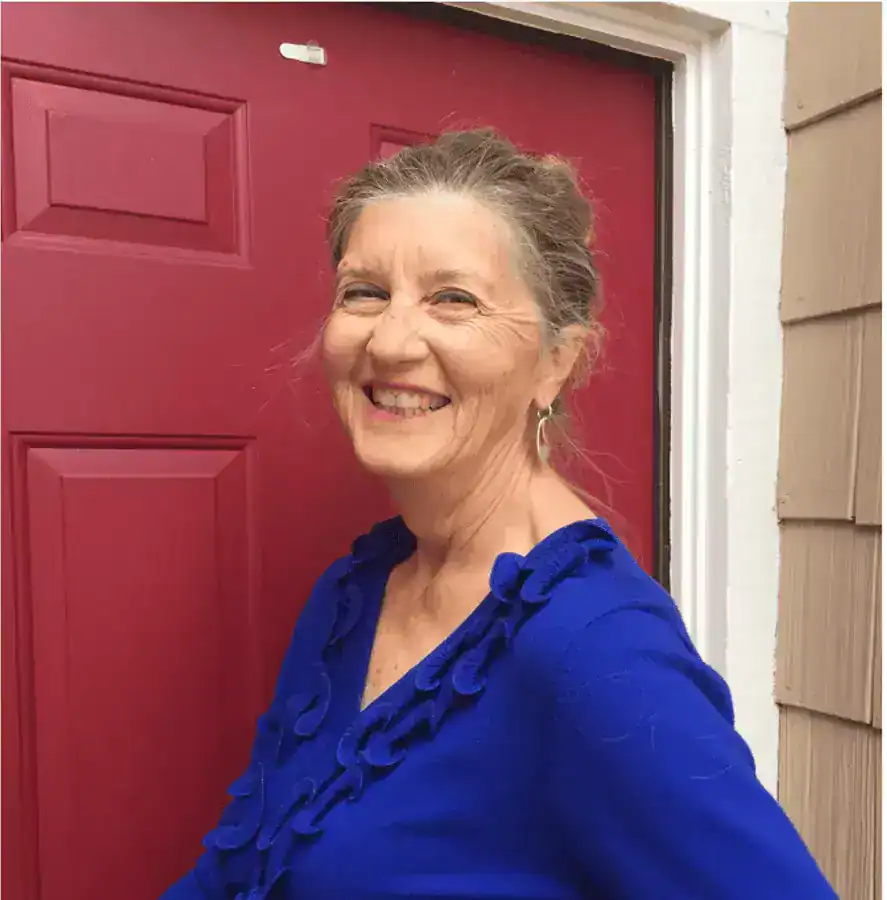
Fritzi Gros-Daillon, MS, CSA, CAPS, UDCP

Esther C. Kane, CAPS, C.D.S.

Holly Weiss, Owner of Preferred Care at Home

Adrienne Gruberg, Founder of The Caregiver Space
Knowing When It’s Time to Move
The decision to move isn’t easy. You may choose to relocate to a more manageable space, settle closer to family, or you might want the support of a senior living community. Whatever the reason, your overall well-being is the priority.
That being said, it’s not always easy to know when the time is right. Whether you’re overwhelmed by home maintenance or worried about staying safe, certain signs can indicate that it might be time to move. Below, we’ll explore the most common situations, shared by senior care experts, that often prompt older adults to relocate.
Safety Is Key
One of the most important reasons for relocating is physical safety. An accident at home can lead to injury, hospitalization, or a long recovery. Some potential safety risks include:
- Falling due to mobility issues
- Slipping when getting out of the tub
- Forgetting to turn off the stove
- Taking the wrong medications
As expert Fritzi Gros-Daillon explains,
“Here are obvious signs of the challenges of living independently, specifically as it relates to the common household activities. The first consideration is often physical safety. If the senior has fallen inside the house, has trouble with the stairs, or has decided not to use the upstairs rooms because they are uneasy on the stairs, these are clues.”
It’s natural to feel unsure about leaving a familiar space, which can make it easy to delay the decision to relocate. But if it’s hard to safely get around your home, your physical well-being should take precedence.
Understand Activities of Daily Living
Difficulty with activities of daily living is another sign that you may need a more supportive environment. Activities of Daily Living, or ADLs, are routine self-care tasks you need to do every day. These include:
- Getting dressed
- Grooming and personal hygiene
- Moving from sitting to standing
- Eating
As Gros-Daillon notes,
“If other daily tasks are more troublesome, like prepping meals and cooking or bathing or housekeeping, these are also clues that the home environment may be more of a hindrance than a haven.“
Recognizing when daily tasks become difficult can be a wake-up call. Paying attention to these signs early allows families to act with intention, rather than urgency.
Navigating the Transition
Letting go of a place that’s been your home for years involves working through a range of feelings. To help make a stressful event more manageable, start early and follow these steps to make the process as smooth as possible.
Plan Ahead
Relocation should be approached thoughtfully to allow for a gentle transition. If you think you may need to move in the future, it’s best to consider a change now rather than when an emergency crops up. Waiting until the situation is urgent limits your choices and adds pressure to an already tough situation. By taking things slowly, you have more time to find the perfect home and adjust to the idea of change.
“Ideally, families will begin planning a senior’s move as early as possible, typically 3–6 months in advance, especially for long-distance moves or those involving significant decluttering and downsizing. This allows ample time to navigate the emotional and logistical complexities without too much added stress.”
Esther C. Kane suggests.
Make Decluttering Doable
Moving into a smaller space means minimizing your belongings, but the things you’ve acquired over a lifetime can make decluttering seem like an impossible task. And it’s not just the amount of items that can be challenging — wading through decades of memories and parting with meaningful items is also a difficult aspect of decluttering.
Kane experienced this challenge firsthand. She explains the key is to break the decluttering process into smaller steps.
“After my husband passed away, I was left with a 4,700-square-foot home packed with 25 years of memories. The idea of downsizing was completely overwhelming. Friends encouraged me to wait a year before making big decisions. So I focused on decluttering in a way that felt manageable — and supportive of my emotional needs.”
Here are some ways to make sorting through your belongings easier:
- Tackle one shelf or cupboard at a time instead of feeling like you have to complete an entire room at once.
- Start with things like kitchen utensils, gardening tools, and toiletries before paring down cherished items.
- Ask for help from family and friends so you don’t feel like you’re doing it alone.
Going through sentimental items is hard. You might feel like you’re throwing away the past, but letting go of a physical item doesn’t change what’s important to you. You’re making space so you can embrace the possibilities for life today. If you’re struggling to part with certain things, digitizing letters, photos, or keepsakes can be a comforting middle ground, and it only takes up space on your computer.
That mindset — preserving what matters without holding onto everything — is something that, expert Adrienne Gruberg, knows well.
“Moving to an apartment half the size of my old place left me with no room for too many things. I had to learn to let go. Memories were enough; I didn’t have to have my old drawing table too, to remind me I was an artist.”
Find the Perfect Next Home for Today and Tomorrow
Your new home should be a good fit for your immediate and long-term needs. For example, you might consider moving to an independent living community that has options for assisted living if you need them later.
Expert Holly Weiss suggests shortlisting neighborhoods based on key criteria and getting a feel for what they’re like. She says,
“Explore potential new homes or communities, considering factors like location, amenities, social activities, and proximity to family or medical care. Visiting these places [with loved ones] can help [you] visualize the transition.”
Gruberg suggests that prioritizing your needs and creating a checklist can make it easier to evaluate potential homes and weigh the pros and cons.
“Writing a list of must-haves is very important to your happiness at your new destination.”
Setting Up for Success in New Surroundings
Starting a new chapter of life often sparks intense emotions. You may feel emptiness, helplessness, anxiety, or grief. Give yourself time to process your feelings and establish new routines.
Honor the Adjustment Period
Care and compassion are important during this time. Allow yourself some breathing room, and understand that your feelings are a natural part of your journey. Even if your move will give you better support or make your life more manageable, you need to give yourself the space for reflection before moving forward.
Expert Jim Huinink says,
“Moving to a retirement residence after many years in your home is a big change — and it’s okay to feel overwhelmed. Give yourself time to adjust. It takes most people about a month, so look forward to the comfort you’ll feel at that point, and take one day at a time.”
Remember that everyone is different. Some people may settle in quickly, while others take months. Give yourself permission to work through things in your own time, and trust that you’ll soon feel at home.
Bring a Taste of Home
Moving from the home you love doesn’t mean leaving everything behind. Huinink suggests easing the transition by blending the old and new:
“Bring familiar comfort items that make your space feel like home.”
If you’re downsizing to a senior living apartment, having some personal belongings around can make you feel more at ease. You’ll appreciate:
- Snuggling under your favorite blanket
- Drinking tea from a preferred mug
- Seeing the same treasured piece of art from your bedroom wall
- Keeping one special ornament from your holiday decorations
It’s also important to maintain your favorite hobbies and passions. You might not have a garden anymore, but you can nurture some potted plants. If you enjoy reading, a book club can offer structure and purpose. Huinink adds,
“Keep a routine and continue daily activities you love. Stay open to new friendships, even if it feels hard at first — small conversations can lead to real connections. You’ll need to open yourself up to different personalities. Focus on things you share with those around you.”
Don’t Bottle It Up
When you’re relocating as a senior, you’re usually saying goodbye to a family home. With that comes some grief. You may grieve the loss of your belongings, familiar routines, a sense of independence, and a way of life. This can be even more challenging and emotional if you’re moving after the loss of a loved one.
Let yourself feel what you’re feeling
While it’s natural to want to stay strong, pushing those feelings aside won’t make them go away. In fact, bottling up emotions can make you feel more lonely and may even lead to anxiety, irritability, or depression.
Instead, acknowledge what you’re feeling — and treat yourself with care and compassion. Talk things through with a family member, a friend, or a professional. Don’t be afraid to revisit the conversation more than once. Your feelings may shift and change as time goes on.
Find comfort in what helps you cope
There’s no one right way to work through grief. You might find comfort in journaling, expressing yourself through art, or connecting with others who are going through the same thing.
Huinink says,
“Let yourself grieve what you’ve left behind, but also look for things to enjoy in this new chapter. If you’re moving into a senior community, lean on the support that’s available. Ask for help when you need it — staff want to support you. Visit common areas, attend an activity, even just to watch.”
Most of all, be kind to yourself.
“Adjusting takes time, and there’s no ‘right’ way to feel. Take it at your own pace and honor your own feelings. When you’re tired or stressed, give yourself a rest.”
Moving isn’t just about where you live — it’s about who you are and what you leave behind. Processing grief with care and intention makes room for healing and new connections.
Moving Into the Future With Confidence
Moving is difficult at any life stage, but as an older adult, it has an enormous emotional impact. There are also complex logistics to deal with, such as downsizing your belongings and finding the right home. Our moving checklist can help keep you on track.
With patience, care, and planning, you can minimize stress and ease the transition. Whether you’re making the move or helping a loved one, don’t rush through the process. Take your time to recognize the feelings that surface, and move forward at your own pace. Every step forward lays the groundwork for the fresh, and even exciting, possibilities ahead.
Full Expert Q&A
Jim Huinink
Jim Huinink, Editor of Comfort Life
What strategies do you recommend to help seniors adjust quickly and comfortably when moving to a retirement residence/community?
Moving to a retirement residence after many years in your home is a big change—and it’s okay to feel overwhelmed. Give yourself time to adjust. It takes most people about a month, so look forward to the comfort you’ll feel at that point, and take one day at a time.
Bring familiar comfort items that make your space feel like home. Keep a routine and continue daily activities you love. Stay open to new friendships, even if it feels hard at first—small conversations can lead to real connections. You’ll need to open yourself up to different personalities. Focus on things you share with those around you.
Let yourself grieve what you’ve left behind, but also look for things to enjoy in this new chapter. Ask for help when you need it—staff want to support you. Visit common areas, attend an activity, even just to watch. Most of all, be kind to yourself. Adjusting takes time, and there’s no “right” way to feel. Take it at your own pace and honour your own feelings. When you’re tired or stressed, give yourself a rest.
With patience and openness, this move can lead to greater comfort, safety, and a renewed sense of community in the days ahead. As with so many things, it gets better with time.
Fritzi Gros-Daillon
Fritzi Gros-Daillon, MS, CSA, CAPS, UDCP
How can families recognize when it’s time for a senior to move, and what signs indicate a relocation might improve their quality of life?
The decision about moving for a senior and the family is never easy. There are obvious signs of the challenges of living independently, specifically related to common household activities. The first consideration is often physical safety. If the senior has fallen inside the house, has trouble with the stairs, or has decided not to use the upstairs rooms because they are uneasy on the stairs, these are clues. If other daily tasks are more troublesome, like prepping meals and cooking, bathing, or housekeeping, these are also clues that the home environment may be more of a hindrance than a haven.
A professional home safety assessment can provide a baseline of the current state of the home environment and recommendations for solutions and modifications. The next step is the analysis of changes to the home and additional support services as compared to living in a community or with family members. Another important consideration is the social aspect of the senior’s life. Isolation can be reduced sometimes with new communication technology products, but loneliness and anxiety can be overwhelming, if there is little local community or neighborhood connection.
Equally important, however, is the senior’s view of the current challenges and the advantages of making a move later in life. Their input on timing, location, and future housing options is critical for a successful move and opening a new chapter.
Esther C. Kane
Esther C. Kane, CAPS, C.D.S.
How can seniors and their families effectively manage downsizing and decluttering in a way that supports aging in place and reduces unnecessary stress?
After my husband passed away, I was left with a 4,700-square-foot home filled with everything we’d accumulated over 25 years. The idea of downsizing felt completely overwhelming. Friends encouraged me to wait a year before making big decisions, so I focused on decluttering in a way that felt manageable and supportive of my emotional needs.
I started by making a list of every room in the house, breaking each room into smaller sections. Then I assigned a date to each area so I only had to focus on one small task at a time. That structure helped reduce the stress and made the process feel doable.
When I decided to let go of something, I placed it in my car instead of tossing it immediately. That way, if I changed my mind, I could easily retrieve it. Once the car was full, I donated everything to a local thrift store. Selling items or organizing a garage sale felt like too much work during an already emotional time.
Taking the process slowly gave me time to reflect, grieve, and feel in control. After a year, I felt lighter and ready to move to a smaller home, one that better supported aging in place.
Holly Weiss
Holly Weiss, Owner of Preferred Care at Home
How early should families begin planning a senior’s move, and what steps are most important in the first phase of that process?
Ideally, families will begin planning a senior’s move as early as possible, typically 3-6 months in advance, especially for long-distance moves or those involving significant decluttering and downsizing. This allows ample time to navigate the emotional and logistical complexities without too much added stress.
Have honest and empathetic conversations with the senior about their needs, preferences, and concerns regarding the move. Involve them in the process as much as possible. Determine the senior’s current and future care needs, accessibility requirements, and financial situation to identify suitable housing options.
Begin the difficult process of sorting through belongings, deciding what to keep, donate, sell, or discard. This can be emotionally challenging, so approach it with patience and sensitivity. We can all start doing this, so things are easier later. Explore potential new homes or communities, considering factors like location, amenities, social activities, and proximity to family or medical care. Visiting these places together can help the senior visualize the transition. There are professionals who can help guide you with this process.
Keep in mind that wherever the senior moves, they may need extra care, which can be provided by Preferred Care at Home. Taking these initial steps thoughtfully can lay a solid foundation for a smoother and easier transition for older adults.
Adrienne Gruberg
Adrienne Gruberg, Founder of The Caregiver Space
Adrienne holds a BFA from Boston University. She founded AYA Creative in 1982, an award-winning graphic design, marketing and advertising company. Her design training has helped shape the website and her personal and professional experience continues to inform and influence the caregiver-centric support experience she has created at The Caregiver Space.
What personal considerations and mindset shifts are most important for seniors navigating a major move later in life?
The time comes in the lives of many seniors when downsizing seems to make the most sense, but the thought of it is daunting. I was 73 when I decided it was the right thing to do. My husband had passed away ten years earlier, and I kept hearing him say something he knew I had to hear: “Ask for help!”. I knew in my gut that I would be making the last move of my life, and was all to aware that I needed to find a place where I could grow old with as much ease as possible.
I had considered moving to the country, but felt I would be too isolated, too far from my doctors, and would have to drive everywhere. I’m a city girl, and I’m used to the convenience of having a drugstore, a grocery store, and several restaurants within walking distance. I was also used to the convenience of ordering online and having things delivered. It’s very important to think of your key issues when making a move as a senior. Community, church, available activities, and more all play a part in the decision.
Writing a list of “must-haves” is very important to your happiness at your new destination. I also listened to the voice in my head and asked for help. Packing and unpacking. Hanging pictures. Climbing ladders. These were all things I was used to doing myself, but had to accept my limitations. My balance isn’t what it used to be, and after a bad fall or two, I realized it was time to put my own safety above my ego.
Downsizing isn’t easy, and I still have a lot of things in storage. Moving to an apartment half the size of my old place left me with no room for too many things. I had to learn to let go. Memories were enough; I didn’t have to have my old drawing table too, to remind me I was an artist. Picking and choosing what to keep is both wonderful and heartbreaking. I’d sigh when I went through old photos, but I have such joyous memories attached to them. It became obvious that there were things to keep and things to let go of.
I have lots of my late husband’s things I’ve been selling on eBay. Yard sales don’t work in New York City, but if you can have one, I recommend it. The last thing I have to say is this…make your new home a true reflection of who you are NOW, or who you always wanted to be. It’s time to have fun creating a space you can truly enjoy. I’m an artist and a writer…I had a boutique ad agency that required these attributes. I can’t live without all my books, so I prioritized having the space for them. The computer has replaced so many of my art materials that I don’t need the space I used to for supplies. Yet there are still the little things that make me feel good about the life I’ve lived.
My bulletin board reflects my history; from photos of my grandparents in Russia with my aunt in their lap, to postcards of Venice and my honeymoon hotel, to shots of me catching my first marlin in Panama. Each one of these holds a multitude of memories. And looking back is okay. But don’t get stuck there…they call these the Golden Years, though waking up with aches and pains and knowing I can’t do what I used to once got me down. But I got over the shame of not being able to climb ladders anymore, and now I enjoy the move I made.
No…it wasn’t easy. But I asked for help. I let go of many things…but they were things. I accepted my limitations, and I’ve surrounded myself with things that make me happy and reflect who I am now and all the years, events, and experiences that made me who I am today—older but much wiser. You’ll get through a move if you look to the future.