
How to Choose a Good Moving Company
Posted in: Moving AdviceChoosing the right moving company can feel intimidating. There are a lot of options, and it can be hard to know where to start. Maybe you’re worried about hidden fees, movers damaging your heirlooms or expensive electronics, or movers not showing up at all. And those are reasonable concerns! After all, you want this move to feel like a positive beginning, not a stressful ordeal.
Thankfully, we have your back with this guide that helps you feel confident in your chosen moving company. We’ll go over how reading reviews, verifying credentials, and comparing quotes gives you a good place to start when you’re starting your search. We’ll also provide step-by-step advice and expert insights on recognizing waving red flags (plus the more subtle ones), and evaluating contracts so you’ll be ready to choose your movers with clarity and peace of mind.
Your Needs Determine How You Choose Your Mover
What you want out of a moving company is probably similar to what you want out of a good friend or partner. They treat you with respect, don’t waste your time, meet your needs, and keep their word. Your ideal moving company should also have a great reputation, especially if your move requires specialized skills and equipment.
But there are a few more considerations that go into what makes a moving company a good choice, and those are the things that make it good for you, specifically. If you live in a 4-bedroom home in the suburbs, what you want from movers might look different than someone living in a loft apartment downtown. Here are some important factors to think about when finding a mover.
Type of Move: Residential vs. Commercial

Whether you’re moving into a new apartment or relocating an entire office, it’s important to find a mover that specializes in your type of move. Residential movers typically focus on homes and apartments, while commercial movers are equipped to handle office furniture, IT equipment, and after-hours scheduling. Not every company does both, so make sure to ask upfront.
Distance Matters: Local vs. Long Distance
How far you’re moving also plays a crucial role. Some moving companies provide only local- or short-distance moves, while others extend services to help you relocate over a long distance.
Level of Service: Full-Service vs. Labor-Only
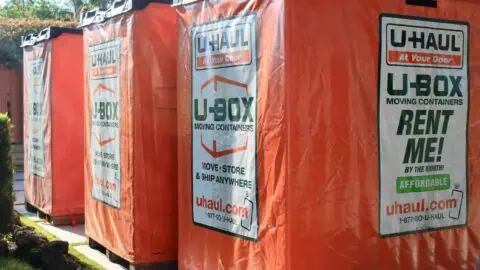
Make sure you’re also thinking about the type of help you need. Do you want full-service assistance that involves the company providing the truck, transportation, loading, and unloading? Or would you prefer a more budget-friendly option where you split the duties by renting and driving the truck (or getting a moving container), but professional movers tackle the heavy lifting by loading and unloading it for you?
Specialty Services and Items

Let’s be honest. Disassembling and reassembling furniture, as well as packing and unpacking, usually sounds like a great idea at first. You get to set up your new place with a fresh start! But that’s until you realize you’ve only had time to unpack three boxes in a week, and you can’t find one of the doors to the cabinet you took apart. Even though it requires some extra money, add-on services might be worth it if it means a smoother transition into your new home.
Speaking of which, the items you’re transporting are important factors in the decision-making process. For example, if you’re relocating a grand piano or an oversized antique cabinet, it’s ideal to find a moving company that specializes in this process because these types of items are usually heavy, delicate, and often irreplaceable.
9 Steps to Choosing a Good Moving Company
It’s best to start researching moving companies at least 4-6 weeks before your move. This gives you enough time to compare prices, check availability, and choose a company that meets your needs. If you plan to move during the summer or on a weekend, when demand is highest, expand that to 8 weeks. Waiting until the last minute might limit your options and increase costs. So, how do you start?
1. Get quotes from at least 3 companies
Getting multiple quotes helps in two primary ways. One, it gives you a decent spread of options so you can pick the lowest price that still provides all the services you need. And two, it helps you avoid getting scammed. If one quote is so low compared to others in the area that it’s too good to be true, then you can be certain it is. Companies that offer exceptionally low quotes can tack on extra charges at the end, or jack up the price after they’re in possession of your things.
“If you’re planning an interstate move, search the mover database on the Federal Motor Carrier Safety Administration (FMCSA) website. You can check out important details such as safety information, registration status, and complaint information.”
But as easy as it is to find “movers near me” with a quick search, it’s much harder to actually get the quotes. You have to contact each company individually, either by phone or email, and that takes a lot of work. Thankfully, you have HireAHelper on your side. Our online platform makes it easy to compare prices. Enter some basic details about your move, and you’ll get multiple quotes right away. Find movers within your budget, and you’re on the way to narrowing down the results.
2. Look them up on the BBB
The Better Business Bureau (BBB) website is an excellent resource for learning more about a moving company, specifically its letter grade. Ratings range from an A+ (a promising start!) to an F (you might want to move on to the next option). Make sure you determine if they have any complaints against them and if they have taken steps to resolve them.
3. Check reviews

Online reviews are an important part of doing research. They allow you to easily spot red flags — or green ones!
The reviews offer honest insights from previous clients so you can decide just how reliable a moving company really is. Learning about their poor level of professionalism now is better than if they stand you up on moving day. Or, seeing a ton of happy students talking about how well a company handled their move to a dorm tells you they’ll do a good job with a similar move for you.
Where to Find Trustworthy Reviews
There are multiple places to read online reviews, but the heavy hitters are Yelp, Facebook, and Google. Don’t just rely on one. Check all three so you have a variety of reviews to read.
- Star ratings: The average star rating will typically give you a quick sense of whether the company is worth your time. You wouldn’t hesitate to eat at a restaurant with a 4.9-star review, but you’d probably speed right past one with 2.1 stars. The same can apply to a moving company. Also, be wary of a company with a 5-star rating, but only one or two reviews.
- Fake or misleading reviews: Watch out for ones that are overly positive or negative but lack substance, such as five-star ratings with no written feedback. They may not be genuine. Focus on recent reviews that include specifics about customer experiences, such as ones that mention names, dates, circumstances, and details about how the movers didn’t break anything.
- How companies respond to reviews: Check the responses from the business representatives. It’s not uncommon for a company to have at least one negative review, but how the team responds is telling. A professional response involves empathy and an apologetic explanation, not something dismissive. If they act flippanly or dismissively when other customers have genuine issues, they’ll likely have the same attitude with you.
4. Verify their license and insurance
Each state typically has official websites where you can verify a moving company’s license and insurance status. These resources help make sure you’re dealing with a legit business that follows state rules.
Find this information by doing an internet search with your state’s name followed by “moving company licensing verification.” The link you need will typically be near the top of the search results.
If you’re planning an interstate move, search the mover database on the Federal Motor Carrier Safety Administration (FMCSA) website. You can check out important details such as safety information, registration status, and complaint information.
5. Ask for references
Don’t hesitate to ask a moving company for references from recent customers. It’s even better if they can connect you with clients who had similar moving needs, such as those who added on furniture disassembly and reassembly. Speaking directly with past customers can give you a good idea of what to expect.
“It’s best to start researching moving companies at least 4-6 weeks before your move…[and if] you plan to move during the summer or on a weekend, when demand is highest, expand that to 8 weeks.”
Any reputable company should have no problem handing over references without hesitation. If they avoid the request, ghost you, make excuses, or outright refuse, especially if they do it with an attitude or a hint of gaslighting, that’s a huge red flag.
6. Check for red flags
Certain things may not seem like a big deal at first, but they can actually be big red flags that a moving company isn’t legit or reputable. A trustworthy moving company should be easy to verify nowadays within seconds. Here are a few red flag examples:
- It’s a major problem if you call the company and the phone number doesn’t work, or if you search the address on Google Maps and the Street View shows an empty lot.
- Another red flag is a website filled with placeholder text and stock images, but lacks any real information.
7. Look for green flags
As with almost any type of human interaction, excellent communication is a good sign. A reputable company should respond fast, be kind, and never hesitate to answer any of your questions, whether it’s by phone, email, or in person.
Another positive sign is if they’re a member of the American Trucking Associations (ATA) Moving and Storage Conference, which shows their commitment to the highest industry standards and professionalism.
A trustworthy moving company will also provide you with a contract that you can look over so you know exactly what to expect. This transparency helps prevent unwanted surprises and allows you to feel more confident in their services.
8. Verify their USDOT number
If you’re moving across state lines, ask the company for their USDOT number. While researching the business on the Federal Motor Carrier Safety Administration (FMCSA) website, make sure the number they gave you and the one on the site match up.
9. Listen to your gut

Your intuition is a powerful tool when deciding whether a moving company deserves your business. If your gut is screaming at you not to do it, even if everything else seems to check out, it’s a sign to keep looking. The following can help you make an informed decision.
Signs they’re a quality company:
- They answer your phone calls during business hours
- They provide a copy of your contract and bill of lading
- They provide dates, times, and costs in writing
- They document the condition of your belongings during the moving process
- Their prices aren’t too good to be true
Indicators they might be a company to avoid:
- They don’t ask questions about the moving project.
- They pressure you to book quickly or pay upfront.
- They show up in unmarked trucks or as unidentified/temporary workers.
- They give vague answers, communicate poorly, or make you uncomfortable during interactions.
Why It’s Important to Avoid a Bad Moving Company
Unfortunately, numerous problems may arise from hiring a bad moving company. Some include:
- Belongings “mysteriously” go missing. The movers might have helped themselves, and if they’re not a reputable company, you will have far fewer options for getting your stuff back.
- The movers don’t show up. Now you’re panicking about finding a replacement company.
- Being charged by the hour while movers take their sweet time. Movers who don’t care about their reputation will employ this stall tactic to get the most money out of each job. It’s typically something that will show up in reviews from unhappy customers. Furniture and belongings get scratched or broken. Damage can occur when movers don’t pay attention or when movers fling boxes without care.
- Rude and disrespectful movers. On top of ignoring your instructions or questions, a moving team that has a bad attitude can put a damper on your entire day
- No valid insurance. If your items get lost, stolen, or damaged, you now have no recourse for compensation.
- Walls, floors, and door frames get damaged. You could get marks in your home before you even have time to enjoy the place, and that’s something you definitely want to avoid.
Doing your research is one of the simplest ways to avoid working with a subpar moving company that only cares about profit. A little effort can prevent a huge amount of stress and hassle. Don’t let yourself become a target.
Questions to Ask When Choosing a Moving Company

Don’t hesitate to ask a moving company questions before agreeing to hire them. You may feel like you’re being annoying and asking too many, but any company that wants your business won’t mind. They’ll happily answer questions if it means you could be a potential new client. Questions to ask include:
- Do you work with brokers, or are you handling my move yourself? This is important for knowing who will actually be transporting your belongings.
- How do you handle damaged or lost items? Reputable moving companies have easy-to-understand policies in place.
- Are you licensed and insured? Verify the information even if they say yes.
- Can you provide recent customer references? As we mentioned earlier, movers will typically be happy to do this. You should follow up with the clients they provide as references ASAP.
- How does your pricing work? Find out if they charge a flat rate or hourly.
- Do you provide a written estimate? It’s a must! Don’t proceed without one, because otherwise, they can add extra charges or simply raise the price later.
- Do you have a similar experience with moves like mine? This is particularly important to ask if you have specialized items like large antiques or a piano.
- What kind of experience and training do your movers have? Movers should know how to handle your belongings properly without damaging or breaking them.
- Are there any items you won’t move? Some moving companies don’t handle certain items like pool tables or antiques. It’s best to know this before hiring them if you have these types of items.
- What is your cancellation/refund policy? This allows you to learn if you can get your money back if your move isn’t happening as planned.
How to Read Your Moving Contract
Always read your moving contract. Ask questions if you have to, as long as you completely understand what each aspect means. Areas to focus on include:
- Hidden fees: Some moving companies hide certain fees anywhere they think a potential customer won’t look for them. Be thorough in reading over any contracts or information about services.
- Fine print: Don’t skip over this! It may contain important information and specifics about things like liability.
- Valuation coverage vs. insurance: Valuation coverage, which is not the same as insurance, is provided by a moving company to cover your belongings if they’re lost or damaged while in the possession of the movers. Insurance typically costs extra but offers more comprehensive protection and may cover situations such as damage to your items caused by natural disasters. Read the terms for both on your contract.
- Confirm dates/times/total costs: Double-check that they’re accurate and nothing has been added or changed.
- Ensure inventory is present and the condition of your items is noted: This may take some time, but it’s information worth verifying.