
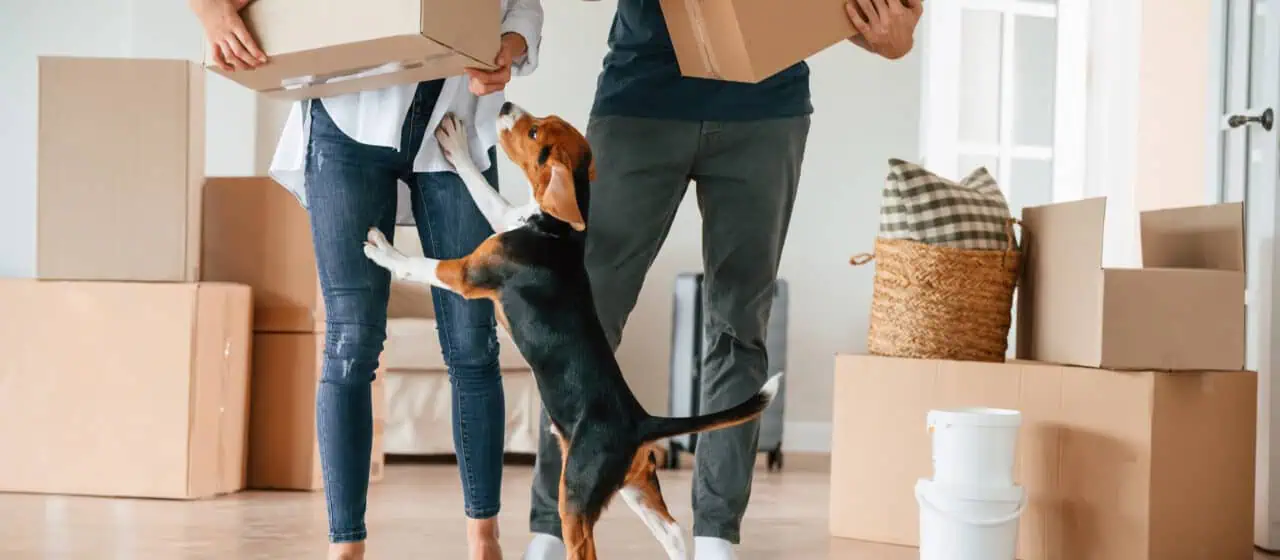
Experts Share How to Make Your Pet Feel at Home After Moving
Posted in: Kids & PetsMoving already puts a strain on your human family members as you upheave your entire life. But your pets don’t get the luxury of understanding the reasoning — they just suddenly find themselves hoisted into a new, unfamiliar environment. Everything looks, smells, and sounds different. They’re no longer in their territory, and that kind of change can be deeply unsettling.
Fortunately, your pet has you to help them get through the big day. With a little planning and strategy, you can take some of that stress off their shoulders. That’s why we reached out to expert vets, trainers, and behaviorists for their best advice on how to get your pet through a relocation. In this article, we’ll cover how to prepare your pet before the move, how to help them settle into a new space, and what signs to watch for in case they need extra support.
Meet the Experts

Jenny Dean, Founder of Floppycats

Judy Morgan, DVM, CVA, CVCP, CVFT

Neil Kilgore, CEO of Greenfield Puppies

Angela Laws, Pet Care Expert at TrustedHousesitters

Dr. Jean Hofve, Holistic Veterinarian and Author

Carol Bryant, Founder of Fidose of Reality and Smart Dog Copy

Susan Smith, Owner of Pet Travel and Pet Travel Transport

Susan Sims, Publisher and Co-Founder of FIDO Friendly Magazine
Prepare Your Pet Before Moving Day
Preparing your pet for moving day might take a little extra planning, but it’s well worth the effort. With the right approach, you can keep them safe, comfortable, and set up for a smooth transition to your new home.
Safety First
Planning a move that’s safe for your pets starts early. Ensure they’re in good health, and take precautions to keep them contained during the commotion.
If your pet hasn’t had a vet visit recently, schedule one. A clean bill of health gives you peace of mind, and if something shows up on the exams, you’ll have time to plan around underlying conditions that could be exacerbated by stress.
Moving day is especially important. With doors constantly opening and closing, it’s easy for free-roaming cats and dogs to slip out, especially when strangers are coming in and out with boxes and furniture. If you can, put your pets in a room away from the action and leave a note on the door warning your movers not to open it. However, keeping your pet in a crate is the safest option since they’ll have a harder time escaping.
Jenny Dean, founder of Floppycats, recommends planning ahead so that containing your pet in a crate for the move doesn’t inadvertently add to the stress.
“Introduce carriers or crates well in advance, making them positive spaces with treats and toys. Gradually increase the time your pet spends inside to build comfort.”
Even with precautions, accidents can happen. Update your pet’s identification information before the move. At a minimum, confirm that your pets have wearable tags on their collars with your current phone number. Microchips are also strongly recommended since they won’t fall off like a collar can.
Judy Morgan, doctor of veterinary medicine, adds,
“A microchip with owner information can reunite you with a lost pet if that should occur during travel.”
Pack With Fluffy in Mind
Keeping your pet’s belongings safe during the move is just as important as packing your own. Take care to:
- Keep food tightly sealed to prevent contamination.
- Label items clearly, especially if you have multiple animals.
- Ensure any medications and foods remain temperature-controlled if necessary.
- Clean your pet’s items before packing, including their bedding, toys, and food bowls.
In addition to those essentials, don’t forget to prepare a moving-day kit just for your pet. Jenny recommends,
“Prepare a ‘go-bag’ with your pet’s food, water, bowls, medications, leash, favorite toys, and bedding, keeping these easily accessible during the move.”
Keep Calm During Transport
One of the most challenging parts of moving with pets is the transportation, especially if it’s across a long distance. If your pet is already used to riding in the car, there’s not much prep required. However, if you’re flying to your new home or your pet doesn’t sit calmly during car rides, keeping them in a crate is the safest option for everyone.
If your pet isn’t already comfortable using a carrier or crate, start the training process immediately. Susan Smith, owner of Pet Travel and Pet Travel Transport, notes,
“This process may take months, so get your pet a well-made container and work with them on creating a ‘safe place.”
The key here is positive reinforcement — here’s how to help your pet adjust to a crate:
- Leave the carrier open and let your pet explore it at their own pace.
- Place favorite toys or familiar bedding inside to make it more inviting.
- Praise and offer a high-value treat each time they approach or enter.
- Once they’re comfortable going in, begin closing the door briefly while keeping the experience positive.
If you have a long drive ahead of you, plan accordingly and follow Judy’s advice:
“Bring water from home; make sure your pet is well-hydrated for the trip, and allow enough travel time to take frequent breaks. A stretch, walk, and water break will be good for both of you. Be sure to include items for cleaning up after your pet when packing; a natural cleaning solution and paper towels come in handy in case of illness during the trip. Check your pet frequently for any signs of stress, overheating, or illness, and take a break if they are panting excessively, drooling, or shaking.”
Help Them Acclimate
Once you arrive in your new home, your pet likely won’t share your enthusiasm. As far as your dog or cat is concerned, your previous home is still their territory — now they’re somewhere strange. The new smells, sounds, and sights can all contribute to stress. Give your pet time to settle in and start seeing the new place as their own, while you take steps to show them they’re safe and cared for.
But if your pet doesn’t feel comfortable, they may become anxious, fearful, or even destructive. Fortunately, in most cases, your reassurance, adherence to a schedule, and careful planning can help your furry friends adjust.
Create a Safe Space
Setting up a quiet, pet-proof space in your new home can go a long way toward helping your pet feel secure. Jenny Dean recommends establishing a designated “safe room” as soon as you arrive.
“In your new home, designate a quiet, secure room for your pet. Equip it with their familiar bed, toys, food/water bowls, and, importantly, their old litter box (if applicable). This room, filled with familiar scents from their old home, will provide a comforting sanctuary as they gradually adjust to the new smells and sounds.”
Neil Kilgore adds that spending extra time with your pets in this space helps, too.
“Take extra time to play with them, cuddle with them, and create positive experiences they can associate with their new home. These things can help reassure your dog, reduce stress and anxiety, and help them feel more comfortable.”
Jean Hofve, holistic veterinarian, author, and consultant, echoes this sentiment:
“To introduce new spaces, nothing beats interactive play. Using a fishing-pole type toy with you at one end and a feather or dangly toy at the other, tempt your cat to take a swat or a jump at it (it’s easier if your cat already knows this game before the big move!).”
Maintain Your Routine
Any pet owner knows how important routines are to their animals. Pets find comfort in predictability, especially when it comes to their basic needs.
Moving is one of the most disruptive things you can do to your pet’s routine. Even if you stick to the same feeding and bathroom times, you’ve still broken their usual schedule. To them, their food, potty spots, and beds are all out of place — that kind of shift adds stress.
Angela Laws, head of TrustedHousesitters, recommends consistency wherever possible after the move.
“It’s important not to forget about your pet in the midst of a big move; keeping exercise routines and feeding schedules as close to ‘normal’ as possible will help your pet to manage their stress levels.”
Re-establishing your pet’s routine in a new environment takes time, but most adapt quickly. Maintaining the same day-to-day patterns reassures your animal that they’re safe and helps them settle in more quickly. Expect to see positive improvements in their behavior within a few days.
Try not to get too frustrated if your pet needs extra support while you all settle in. Behavioral hiccups can be frustrating, but they’re usually caused by stress, not stubbornness.
Carol Bryant, founder of Fidose of Reality and Smart Dog Copy, reminds pet owners that
“Consistency, patience, and positive reinforcement go a long way in easing your pet’s transition into their new environment, turning your new house into their forever home.”
Know the Signs of Trouble
It’s normal for your pet to be stressed after a move, even if you do everything right. While most pets will adjust given time and patience, some may not. Expect a few days to a week of growing pains as your pet settles in, and watch for certain signs that your pet isn’t coping well:
- Fatigue: Your pet might lie around listlessly, even when you attempt to get them excited.
- Avoiding food: It’s not unusual for pets to skip meals when they’re feeling stressed out.
- Hiding: They may hide because they don’t know what’s safe yet — this should improve in a day or two.
- Stiff body language: Look for pinned-back ears, tucked tails, and defensive postures.
- Sleep disruptions: They may startle easily or refuse to sleep soundly at first.
If your pet is settling in normally, you’ll notice their behavior gradually return to normal. If, however, your pet continues showing signs of stress, it might be time to call in a professional.
Angela Laws urges pet owners to keep a close eye on their pets after the move.
“Signs of stress include pacing, hiding, being off their food, and showing signs of aggression that they wouldn’t usually show. If your pet shows these signs for longer than a day or two, it’s important to speak to a vet or behaviorist to get expert advice tailored to your pet’s individual circumstances.”
Full Expert Q&A
Jenny Dean
Jenny Dean, Founder of Floppycats
Jenny Dean is the founder of Floppycats, a popular website and community dedicated to cat lovers worldwide. She launched Floppycats in 2008 with the goal of connecting with Ragdoll cat enthusiasts, a breed she has adored since 1987. Over time, her mission evolved to help cat owners live harmoniously with their felines by providing information on cat behavior, product reviews, diet, and toxic-free living environments.
Known for her “no bull-crap and honest approach,” Jenny conducts thorough product reviews, often testing items for 4–8 weeks. She is also a freelance pet writer, covering topics like cat product reviews, health, behavior, and non-toxic living. Jenny is passionate about responsible pet ownership and educating others on cat care. She was born and raised in Kansas City, where she currently resides with her 15-year-old Ragdoll cat, Charlie.
How far in advance should pet owners start preparing their pets for a move, and what should that preparation include?
Ideally, pet owners should begin preparing their pets for a move at least two months in advance, or even earlier for international moves.
Key preparation steps include:
- Veterinary Check-up: Schedule a visit to ensure your pet has no underlying health concerns that the stress of a move could exacerbate.
- Carrier/Crate Acclimation: Introduce crates well in advance using treats and toys. Increase time inside gradually.
- Identification Updates: Make sure your pet’s ID tags and microchip info reflect your new contact details.
- Maintain Routine: Stick to regular feeding, walking, and play times.
- Pack Essentials: Prepare a “go-bag” with food, bowls, medications, toys, and bedding.
- Pet-Proofing: Check your new home for hazards like open windows or toxic plants before arrival.
- Safe Room: Set up a secure room with familiar scents and items to help them adjust gradually.
- Gradual Introduction: If possible, bring your pet for supervised visits to the new space before the move to ease the transition.
Judy Morgan, DVM
Judy Morgan, DVM, CVA, CVCP, CVFT
What are some best practices for keeping pets calm and safe during car travel on moving day?
It is important to train your pet to remain calm in the car long before moving day. If your pet is not comfortable traveling, begin training at least a month prior to moving. Even cats can learn to ride quietly. Restraining the pet in an approved travel harness/seat belt or a pet carrier that attaches to the seat belt will keep them safe. If using a carrier, be sure it has good ventilation to prevent overheating. Include a favorite blanket or toy.
Many natural calming aids can be used if needed. These include flower essences, CBD, essential oils, homeopathic remedies, herbs, pheromones, and music. Be sure your pet has identification attached to a collar or harness. A microchip with owner information can reunite you with a lost pet if that should occur during travel.
Bring water from home; make sure your pet is well-hydrated for the trip. Allow enough travel time to take frequent breaks. A stretch, walk, and water break will be good for both of you. Be sure to include items for cleaning up after your pet when packing; a natural cleaning solution and paper towels come in handy in case of illness during the trip. Check your pet frequently for any signs of stress, overheating, or illness. Take a break if they are panting excessively, drooling, or shaking.
Neil Kilgore
Neil Kilgore, CEO of Greenfield Puppies
How can creating a familiar space with items like toys and bedding ease a pet’s transition into a new home?
Dogs thrive on routines and familiar environments. Moving is a serious disruption to their established routines, introduces a lot of strange people & smells, and does so in an unfamiliar environment. Since dogs rely so much on scents and smells to navigate and sense their surroundings, familiar items and smells can help ground them in a new space.
Familiar items that your dog associates with you, home, and safety can give them an anchor in a new place, especially during the initial adjustment. Keeping their routines as normal as possible during and after a move can help them settle in. Even setting up their bedding and food/water stations similarly can help reinforce the concept of home and safety in a new place.
A space with familiar items and smells creates a safe retreat for your dog. It provides a sense of comfort, safety, and security as they get accustomed to their new surroundings. Take extra time to play with them, cuddle with them, and create positive experiences they can associate with their new home. These things, plus time with their favorite people, can help reassure your dog, reduce stress & anxiety, and help them feel more comfortable in a new home.
Angela Laws
Angela Laws, Pet Care Expert at TrustedHousesitters
What are the most common signs that a pet is stressed or anxious during or after a move?
Moving home is something that most pets experience at least once in their life. Whilst it can be easy to adjust for their human pet parents, pets may find the process difficult to deal with and can easily become stressed.
It’s important to not forget about your pet in the midst of a big move; keeping exercise routines and feeding schedules as close to ‘normal’ as possible will help your pet to manage their stress levels. Making their safe space a priority is a good idea too. If you’re moving with a dog or cat, a corner full of their favourite things, familiar smells and somewhere that they won’t be bothered by packing boxes or tradespeople can give them somewhere to escape to if they feel overwhelmed.
Don’t forget pet safety too, ensure that your pet’s ID tags and microchips are up to date, as well ensuring that fences, gates and gardens are secure in your new home.
Signs of stress include pacing, hiding, being off their food and showing signs of aggression that they wouldn’t usually show. If your pet shows these signs for longer than a day or two, it’s important to speak to a vet or behaviourist to get expert advice tailored to your pet’s individual circumstances.
Dr. Jean Hofve
Dr. Jean Hofve, Holistic Veterinarian and Author
What are some cat-specific tips for helping them feel safe and settled in a new home, especially if they tend to hide or resist change?
Cats hate change, so moving is a big challenge for them. Start by creating a one-room “base camp” in a small bedroom or bathroom with food, water, litterbox, bed, and other familiar items. This allows the cat to feel safe in a small secure space before venturing out to the rest of the home. Allow the cat into other spaces as they feel more comfortable. A very shy cat may need quite a bit of time in base camp; and that’s okay! Rescue Remedy, a holistic flower essence, can be very helpful.
To introduce new spaces, nothing beats interactive play. Using a fishing-pole type toy with you at one end and a feather or dangly toy at the other, tempt your cat to take a swat or a jump at it. (It’s easier if your cat already knows this game before the big move!) Wherever a cat hunts becomes its home territory, its safe turf. Start in one area and gradually expand play to every room. Soon it will all be home sweet home to your cat!
Carol Bryant
Carol Bryant, Founder of Fidose of Reality and Smart Dog Copy
How can owners handle common post-move behavior issues, like indoor accidents or excessive barking?
Moving to a new home can unsettle even the most well-adjusted dog, leading to issues like indoor accidents or excessive barking. These behaviors aren’t signs of disobedience; they’re stress responses.
To handle indoor accidents, re-establish a consistent potty routine. Take your dog out first thing in the morning, after meals, naps, and play sessions. Praise them immediately when they go outside and use enzymatic cleaners to remove lingering scent markers on any indoor accidents. Avoid scolding, as fear can make the problem worse.
Excessive barking often stems from anxiety or unfamiliar surroundings. First, identify the trigger: Are they barking at people outside, unfamiliar noises, or when left alone? Once you know the cause, use positive reinforcement to reshape the response. For example, reward calm behavior or teach a “quiet” cue by praising moments of silence. Ensure your dog has plenty of mental and physical stimulation through play, walks, and puzzle toys.
Above all, stick to a predictable routine to reassure your dog and help them adjust. Consistency, patience, and positive reinforcement go a long way in easing your pet’s transition into their new environment, turning your new house into their forever home.
Susan Smith
Susan Smith, Owner of Pet Travel and Pet Travel Transport
What should pet owners know about flying with pets, and how can they reduce in-flight stress or anxiety?
Flying with a pet for the first time can be stressful for everyone. Here are some tips to minimize the stress that comes with flying a pet.
First, ensure your pet is healthy and fit for travel. Visit your veterinarian. All vaccinations should be current. A health certificate is not always required, but certainly good practice.
Second, evaluate your pet’s personality. Is your pet timid or outgoing, stubborn or well trained? Their personality will determine how long you will need to take to prepare them for flying.
Third, and very important, acclimate your pet to its carrier or crate. This process may take months, so get your pet a well-made container and work with them on creating a “safe place”.
Fourth, get them out of their environment. Pets learn from previous experiences, so the more you can create a different environment for them, the better. As an example, if your pet is flying in the cargo hold, take it through a car wash with you. Repeat often and your pet will understand that they are safe in their crate despite strange noises outside.
Fifth, keep to their schedule right up to travel day. Pets are insightful and will sense any changes to their normal day.
These are simple steps pet owners can take to make the trip happy and comfortable for their pet and themselves.
Susan Sims
Susan Sims, Publisher and Co-Founder of FIDO Friendly Magazine
How can pet owners prepare their dog for a long-distance move, whether by car or plane, and help them adjust to their new environment?
Moving with your pets is a big deal. I like to think ahead with ‘what would Fido do?’ I know when we travel by car or plane, I bring favorite toys, snuggle blankets and try and stick to routines with walks, meals and bedtime. Once in their new home, give them time to get adjusted and make sure the new yard is fenced and has no escape routes. Set up your dog’s new space in your home before you start unpacking your own items. Let him explore the entire house, sniffing every inch. As soon as Fido is squared away and has his safe space, you can start introducing him to the neighborhood. Be sure to update IDs, new tags and microchip information.
Car Travel Tips
- Use a secured crate or harness seatbelt. Safety first!
- Breaks every 2–3 hours for potty, play, and sniff time.
- Keep fresh water handy at all times.
- Calming music helps, unless your pup prefers barking at the wind.
- Ask your vet about calming options (CBD, pheromones, etc.).
Plane Travel Tips
- Check airline pet policies ahead of time. In most cases, you must check in with your pet once at the airport, even if you are not checking a bag.
- Look for pet relief stations so Fido can do his business before you board the plane.
- Line the airline-approved carrier with a familiar blanket or toy.
- Most airlines require a current health certificate.
- Ask your vet about calming options (CBD, pheromones, etc.). I normally start administering CBD a week before we fly.