

A floating home is usually positioned on calm waters, such as on a lake, bay, or river. This twist on the traditional home is a unique way to embrace the peacefulness of nature while still having the convenience and comforts of a standard house.
If you’ve ever wanted to learn more about what it takes to own a floating home, this guide gives a good foundation for what you need to know. We cover the important topics, such as whether the house can drift off in the middle of the night (spoiler: it can’t). We’ll also go over what qualifies as a floating home, the pros and cons of owning one, tips for making the purchase, maintenance, and more.
What Is a Floating Home?
A floating home is a permanently moored house built on a buoyant foundation, allowing it to rest on a lake, a river, or another calm body of water. It provides all the conveniences of a land-based home with a deck as your backyard and the water surrounding you.
Pros and Cons of a Floating Home
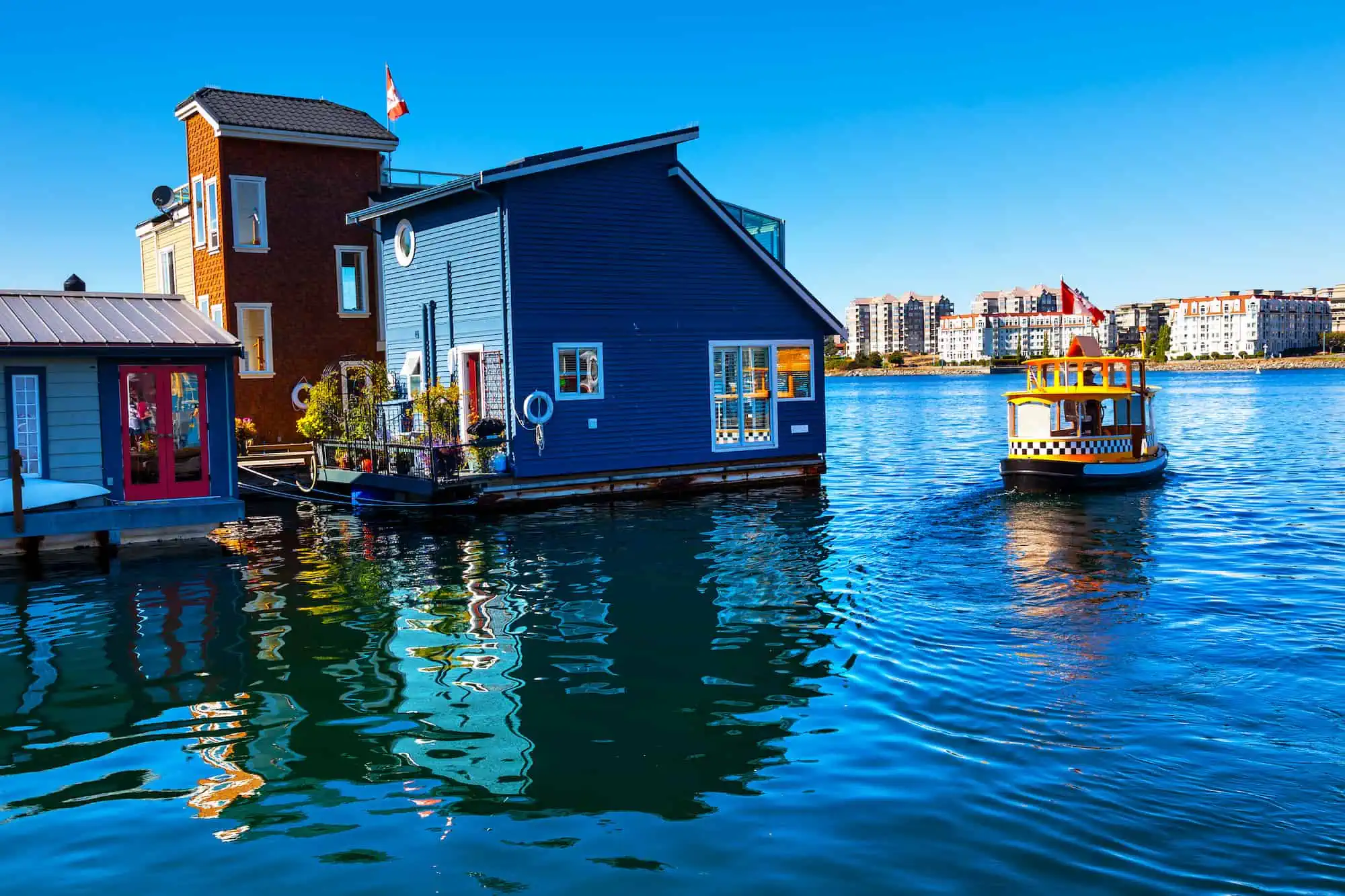
Living in a floating home has its charms, but it’s not all sunsets and peaceful water views. Like any home, it comes with trade-offs. Here’s a quick look at the pros and cons to help you decide if it’s the right option for you.
Pros:
- Unique lifestyle: A floating home provides a serene environment. Expect beautiful water views and a lifestyle that keeps you in touch with nature. Plus, it’s always a great icebreaker to mention you live in one.
- Community: Many floating home communities are tight-knit with neighbors who share a love for the water.
- Fishing access: Whether it’s morning casting from your deck or weekend excursions, living on the water makes it easy to fish as often as you like.
- Potential for appreciation: In some areas, floating homes can increase in value. This is especially true where unique homes and lifestyles are in high demand.
- Space efficiency: Floating homes often have efficient and innovative design solutions to maximize limited space. This can be great if you’re interested in a minimalist lifestyle.
- Less environmental footprint: Depending on the location and setup, floating homes can have a smaller ecological footprint than land-based homes. Some floating homes are also designed with sustainability in mind, using technologies such as rainwater harvesting, solar panels, and water turbines for energy.
Cons:
- Maintenance: Floating homes endure constant wear and tear from water and moisture. This leads to potential issues such as rust, rot, and mold. Regular maintenance is a must.
- Financing and insurance: Getting a purchase loan and insurance for a floating home can be trickier and sometimes cost more than for a traditional home.
- Vulnerability to natural elements: Floating homes are usually more at risk of rising water levels, storms, and flooding.
- Utilities: Many floating homes hook up to the city’s utilities, but managing water, sewage, and electricity can be more complicated than on land. Additionally, internet and TV service may be spotty.
- Resale potential: The market for floating homes can be niche. Depending on the region and economy, selling a floating home may take longer than a conventional home.
- Regulations: Floating homeowners may face challenges related to zoning, maritime laws, or changing regulations. This may affect moorage rights or the ability to rent out the home.
Houseboat vs. Floating Home: What’s the Difference?

Houseboats and floating homes are both dwellings that are designed to be on the water, but they have some differences.
As the name implies, a houseboat is a boat that has been designed or modified to be used primarily as a home. Because it’s a boat, it has its own means of propulsion and can travel from place to place. Houseboats are typically moored at marinas.
A floating home, on the other hand, is typically moored or anchored in a specific location and doesn’t move. Also, it’s often connected to local utilities, similar to land-based homes.
What to Know Before Buying a Floating Home
Buying a floating home can be a tedious process. As tempting as it may be to rush out and find your own piece of floating real estate, it’s important to have an idea of what you’re getting into first.
How the Homebuying Process Works
The steps involved in buying a floating home can vary depending on your situation and local laws. For example, you can skip the financing step if you’re buying your new place outright. However, knowing about the general process can help you prepare for a task that will likely take several months to complete.
Set a Budget
Consider all the financial aspects, including how much you can put down if you need a purchase loan.
And don’t forget ongoing expenses! They can vary depending on several factors, including the size and condition of the house, the cost of moorage fees, how eco-friendly the home is, and insurance prices.
“Just like in a moving truck, you have to distribute weight evenly in your floating home. Putting too much weight in one area can cause it to tip, potentially leading to damage over time.”
Also, plan to set aside 3 to 6 months of living expenses in an emergency fund. The NerdWallet Emergency Fund Calculator can help you determine how much you should ideally put aside.
Get Pre-Approved
If you need financial assistance, make sure you take the steps to get pre-approved for a loan. Contact a local lender that offers specialized loans for floating homes before you start browsing, so the process can move more quickly.
Hire a Real Estate Agent
Consider hiring a real estate agent, especially if you’re new to this type of buying process. Having professional guidance can save you a lot of time, stress, and money in the long run.
Browse Floating Homes
Do an internet search for “floating homes for sale in”, followed by your state name. Include a city name for more localized listings. Most will be For Sale By Owner (FSBO) or listed by a realtor.
Make an Offer
Move fast (but strategically) once you find a floating home you love. The supply is limited, and you don’t want to miss out.
Apply For a Dock Lease

You’ll own the home but not the area under it, which means you must apply to lease the space. The marina has to approve you to lease the slip. The exact timing of this step can vary, but it typically occurs before the closing.
Get the Necessary Inspections and Permits
Call the city to find out exactly what you need, but a flotation inspection (typically involving underwater components) and a home inspection (of the house itself) will enable you to fully understand the condition of the floating home.
Close the Deal
If everything looks good, you can review and sign the papers, pay, and officially take ownership of the floating home.
Set Up Your Utilities
Call the local utility companies and put the services in your name. Do this ASAP, preferably before moving in.
Budgeting for a Floating House
Floating homes come with a unique set of upfront and ongoing costs. Some mirror those of traditional houses, but others are specific to life on the water.
Upfront Costs
- Purchase price: The cost of a floating home can vary widely based on factors such as location, size, condition, and features. Prices can range from a few hundred thousand to over a million.
- Inspection fees: Make sure there are no hidden issues by getting an inspection from a pro who has experience with floating homes. Your lender may even require it. This involves a dive survey to check out the underside of the house; it usually costs between $500 and $1,000.
- Down payment: Depending on the financing type, the down payment may be higher than what’s typically required for land homes.
Ongoing Costs
- Moorage fees: If you don’t own the slip where your floating home is anchored, you’ll need to rent the space. This can be a significant monthly cost, which usually covers water, garbage, sewage, parking, and maintenance of common areas.
- Homeowner association (HOA) fees: If your floating home is part of a community or marina with shared amenities, you may have to pay HOA fees in addition to the slip/moorage fee.
- Utilities: You’ll likely be responsible for covering the cost of additional utilities such as internet, gas, and electricity.
- Insurance: Floating homes require a specialized insurance policy that covers potential risks such as sinking, flood damage, and storm-related damage. Costs can vary significantly, especially by company, so do your research.
- Financing costs: Floating homes don’t typically qualify for a traditional mortgage. Applying for a personal loan or a specialized floating home loan are two options to consider.
- Maintenance: You need to factor in maintenance costs with any home, but life on the water comes with special tasks.
Maintenance and Upkeep

Floating homes can often cost less to maintain than traditional houses, but they have unique upkeep needs. Here are some areas and tasks to add to your checklist.
- The hull: It’s at risk of water damage and marine growth, and it may also experience cracking, depending on the build material. Don’t skip regular inspections! Carefully do self-inspections every few weeks. Schedule professional inspections annually (at the very least) and after bad storms.
- Corrosion: Metal parts or fixtures, especially ones near or below the waterline, are susceptible to this issue. Quickly treat areas that show signs of corrosion.
- Waterproofing: Check the inside and outside of the home for potential water leaks or areas where water could get inside. That includes the roof, walls, windows, and doors. If you find any leaks, take care of them ASAP to prevent further water damage.
- Utility connections: Utilities such as electricity, water, and sewage are typically connected via lines that run to shore or a dock. Check these connections for wear or damage, especially since the home can move around a bit.
- Anchoring and mooring: Make sure that the home’s mooring lines, anchors, and related equipment are in good condition. Look for wear, chafing, or any signs that a failure could be on the horizon.
- Decks: They can degrade over time since they’re exposed to the elements, so check, clean, reseal or restain, and repair decking as needed.
- Ventilation and humidity: Floating homes can be prone to moisture and humidity problems. Good ventilation is necessary. Invest in a quality dehumidifier.
- Pests: Water often welcomes pests, including rodents and insects. Use preventative measures to keep them away.
- Safety equipment: Keep life rings, fire extinguishers, smoke alarms, and other safety equipment on hand at all times.
- Winterizing: If you’re in a location with cold winters, there’s the potential for freezing. Go through a winterizing process, which includes insulating water lines and using heat tape to keep them from freezing. Floating homes in extremely cold climates may also need a bubbler system or agitator to prevent ice from forming around the flotation system.
How Insurance Works for Floating Houses
Floating houses have additional risks of damage, including the risk of sinking. This means that standard homeowners’ insurance won’t cut it. You’ll need to look into specialized coverage made specifically for floating homes.
“You’ll own the home but not the area under it, which means you must apply to lease the space. The marina has to approve you to lease the slip.”
Costs and coverage can vary by carrier. Most will offer multiple policy options, but it’s usually worth skipping the cheapest policy in favor of the most comprehensive. You can hope nothing goes wrong, but at least you’ll be prepared if it does.
Start by doing an internet search of “floating house insurance in [state].” Make sure to compare at least three quotes from different carriers to make sure you’re getting the best deal.
Accessibility
Being surrounded by water means it’s important to anticipate potential communication issues and plan for emergencies.
- Parking: Moorage fees are what you pay to basically “park” your floating home. Parking your vehicle is another story. You may need to get a separate permit or pay an additional fee.
- Availability of utilities: If you live in a floating home community, chances are your local utility companies already service many of your neighbors. Contact the companies before moving in to learn more about average monthly costs, what setup entails, and what they do if service goes down.
- Cell phone service: Upgrading to the newest cell phone can be beneficial when you’re living in a floating home. Newer models usually have better connection capabilities than older ones, which helps if you’re in an area that’s not near a major metro.
- Emergency planning: Keep emergency supplies on hand, such as life vests and first aid kits. You should also create a comprehensive emergency plan that’s based on your location. This may involve contingencies for fire, flooding, hurricanes, tornadoes, power outages, tsunamis, or earthquakes.
Tips for Moving Into a Home by the Water

So is moving into a floating home any different from moving into a house on land? Yes! You’re still going to have to box up your belongings and transport them to your new place (maybe with the help of professional movers).
But keep these extra tips in mind so you’re ready for the big day:
- It’s wet out there: Use waterproof packing materials whenever possible, and give extra care to fragile items. Don’t forget to stay away from the edges when walking, and wear sturdy footwear with good traction.
- Transporting your belongings: Your home may only be accessible by boat, which means taking several trips back and forth. Don’t waste that time when you could rent a barge service and move everything across the water in one shot. Some even allow you to drive the moving truck aboard.
- Weight distribution: Just like in a moving truck, you have to distribute weight evenly in your floating home.Putting too much weight in one area can cause it to tip, potentially leading to damage over time. Make sure your belongings are evenly distributed from front to back and side to side.
Your best option is to work with a professional moving company that has experience relocating floating homes. The simplest way to find an experienced company is to look up and contact movers in areas like San Francisco or Seattle.
Living Sustainably in a Floating Home
If you’re one of the many homeowners concerned with living sustainably, coming up with a plan can help you do just that. Let’s talk about some of your options.
- Water conservation: It’s similar to what you would do in a traditional home. For example, stick to shorter showers (about 5 minutes), upgrade your showerhead, and turn off the water while brushing your teeth.
- Solar energy: Solar power isn’t just great for cutting down your electricity bills and doing good for the environment. It can also be helpful during a power outage, keeping some or all of your power running, depending on your setup.
- Graywater systems: A graywater system is a setup that collects used water from certain areas such as tubs, showers, and bathroom sinks (not toilets). Instead of going to a septic system, the water is filtered and redirected for non-potable uses, such as irrigation.
- Composting toilets: A composting toilet isn’t hooked up to a regular plumbing system and doesn’t even use water. Instead, the waste goes into a special chamber where it breaks down naturally.
- Eco-friendly building materials and floating platforms: If you’re building your floating home, ask the builder to focus on using eco-friendly materials whenever possible. They’ll typically go over the design plans with you before construction begins.