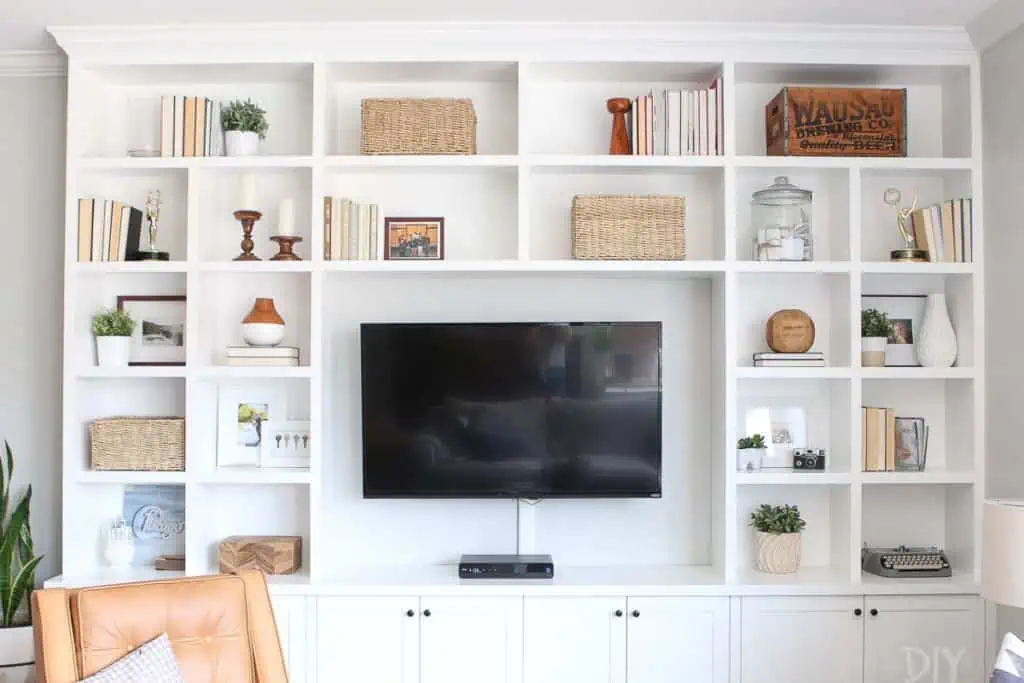
Moving is the perfect opportunity to declutter. Since you’re already sorting through your belongings to pack them up, it’s a great time to get rid of what you no longer use and start fresh in your new space.
Learning how to declutter before moving makes for easier packing and unpacking. Best of all, the less you have to move, the less time and money you spend loading and hauling your belongings.
Preparing to Declutter
One of the best decluttering tips for moving is to start as soon as possible. The earlier you begin, the more time you’ll have to assess each item thoughtfully and with minimal stress. Before you sort, stock up on boxes, tape, labels, and markers. Don’t forget heavy-duty trash bags; you’ll be surprised at how much you can throw away!
“The best time to pack your home is immediately after you finish decluttering. Packing quickly reduces the chance that items will migrate to other rooms…”
Then, set realistic goals for the process. Depending on how much time you have, you might try tackling one room per week. Every day, you can go through a small part of that room. Consider setting basic rules, such as donating or disposing of anything you haven’t used in the past year (except for sentimental items).
Room-by-Room Decluttering Strategies
It can be hard to know where to start, or whether you should just start tossing stuff as you see it. But it doesn’t have to be that complicated. As you move through the house, use this moving and decluttering checklist to clear out each room:
Kitchen

- Dispose of expired foods
- Discard broken items
- Donate rarely used appliances, dishes, and decor
- Donate duplicate utensils, dishes, and cookware
- Sort and organize junk drawers
- Consolidate dry goods
Bedroom
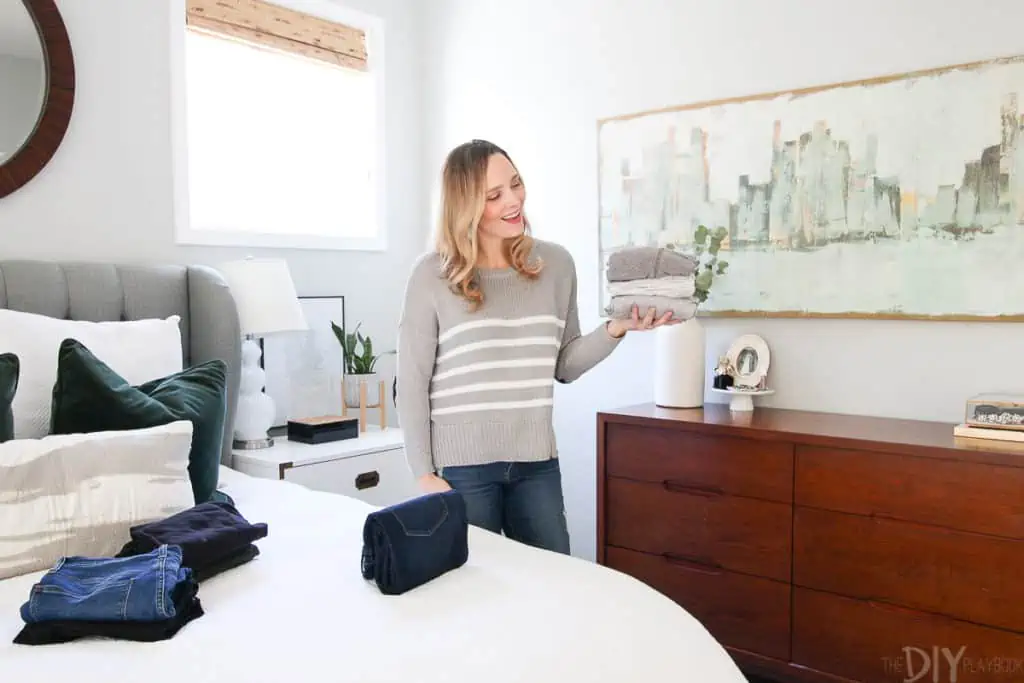
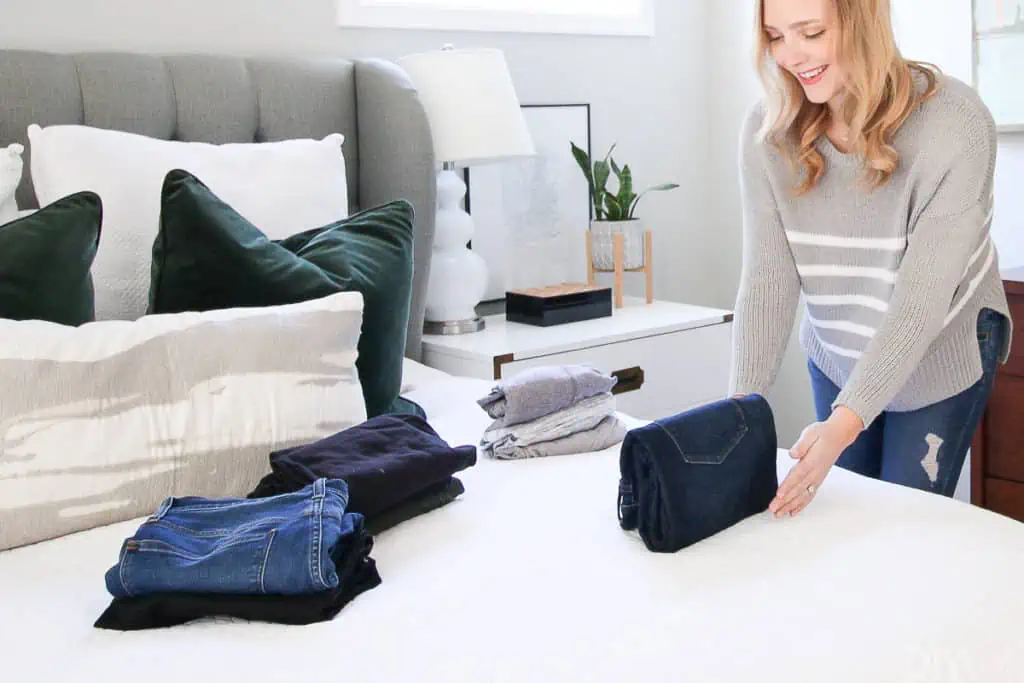
- Sort clothing and accessories
- Donate clothing that doesn’t fit or is rarely worn
- Dispose of stained or torn linens, clothing, and shoes
- Throw out socks without partners
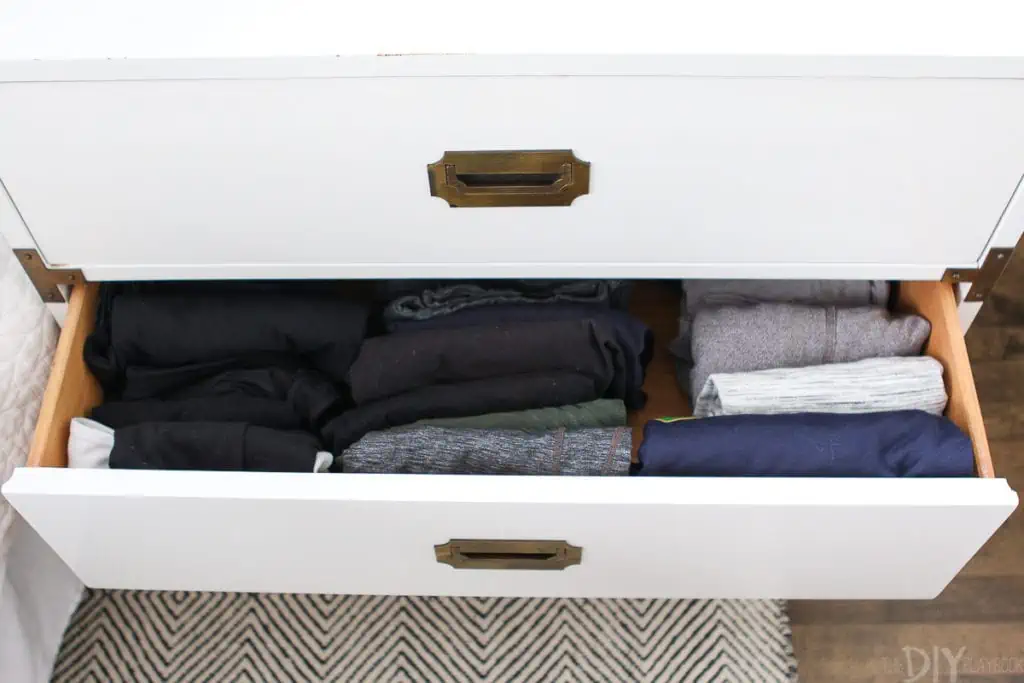
- Organize and sort dressers and side tables
- Donate unused bedding
Bathroom
- Safely dispose of expired medications
- Throw out unused or expired skincare, toiletries, and cosmetics
- Wash and organize makeup applicators
- Use up duplicate and nearly empty products
- Throw out torn or stained towels
- Determine whether to pack, donate, or discard the shower curtain and bath mat
Living Room

- Donate or sell furniture and rugs that won’t fit in your new home
- Dispose of broken and stained items
- Donate duplicate books and DVDs
- Evaluate electronics for usage and function, and donate unused devices
- Donate decor you don’t like or won’t use
- Determine whether to bring window treatments
- Clean and organize drawers and cabinets
- Donate rarely used games, puzzles, and toys
- Dispose of stained or torn pillows and throws
Garage/Basement
- Sort through tools, outdoor gear, toys, decorations, and equipment
- Donate or sell items you won’t use in your new home
- Recycle broken power tools and electronics
- Drop off old oil-based paint at your city’s waste-management facility
- Bring old motor oil to a recycling facility or auto parts store
Deciding What to Keep, Donate, or Discard
The hardest part of learning how to declutter before moving — figuring out what to keep and what to throw or give away. Here are a few strategies you can use to streamline the process:
Four-Box Method

Every time you tackle a new room, bring four boxes labeled Keep, Donate, Sell, and Trash. Place every item in the room into one of the boxes. You might need to use piles or labels for larger items.
This system keeps your belongings organized and makes it easier to take action. To avoid backtracking, throw out the Trash box and bring the Donate box to the thrift store immediately after you finish decluttering. Then, you can list items for sale or set them aside for a garage sale.
The 20-20 Rule
Not sure whether to keep something? Consider the 20-20 Rule: if you can replace it in under 20 minutes for less than $20, it’s probably not worth keeping. This rule works especially well for practical but rarely used items. Still holding onto a toaster you haven’t touched since you got an air fryer? If you need one in the future, you can always buy a replacement.
“The 5-second rule requires you to decide what to do with an item in five seconds. Try counting backwards, and speak your decision out loud when you get to the end of the countdown.”
Getting rid of items means you won’t have to deal with the extra clutter or deal with packing something else. And by using this method, you can rest assured that it’s easy to find an affordable replacement if needed.
12-12-12 Rule
It can feel overwhelming to declutter your home before a move, but the 12-12-12 Rule can help you get some momentum. The process is simple: pick out 12 items to throw away, 12 to donate, and 12 to pack. When you’re done, start over again.
Packing a family home? The 12-12-12 Rule is a great way to get your kids involved. It also gives them some autonomy over their belongings — just make sure to double-check their selections.
The KonMari Method

Dealing with sentimental clutter can be surprisingly emotional — it’s hard to let go of items that are tied to memories. The KonMari Method can help you decide what to keep and what to donate. To use this method, hold each item individually and pay attention to how you feel. If the item sparks joy, keep it. If not, donate or discard it.
The results might surprise you. You might realize that a once-cherished childhood toy makes you feel sad or that your grandmother’s old measuring cups bring up happy memories of cooking together. Getting rid of things that don’t add joy to your life can help you let go of the past and move forward.
Selling and Donating Unwanted Items Responsibly
After decluttering, you may end up with large piles of items to sell or donate. While it might be tempting to toss everything in the trash, there are more sustainable ways to let things go. Plus, if you’re lucky, some of these methods can earn you a little extra cash to go towards the move or a nice meal out in your new neighborhood.
Yard Sale

If you’ve gathered a mix of everyday items, a yard sale is a simple, eco-friendly way to clear them out. Set everything up in your garage, driveway, or lawn, and let shoppers come to you. Just be sure to advertise in advance and post clear signs, especially if you live on a low-traffic street.
Yard sales make it easy to sell many items at once, and you don’t have to go anywhere beyond your own front lawn. However, they do take some effort to get going, since you have to manage all the organizing, pricing, and tagging.
Don’t forget: you need cash on hand for change!
Online Marketplaces
Selling your extra belongings online is an effective way to reach a wide audience of buyers. To increase the chances that an item will sell, take high-quality pictures and write a detailed listing. Include model numbers, years, and technical specs (when possible) to help your listing show up in search results.
Consider using these online marketplaces:
- Craigslist
- Facebook Marketplace
- Ebay
- OfferUp
- Poshmark (clothing and accessories)
Donation Centers

You could also consider supporting the local community by donating your unwanted items. We recommend starting with local women’s shelters and homeless shelters; they will either use or sell the items to benefit people in need. Also, consider donating to non-profit organizations such as Habitat for Humanity ReStore or Salvation Army thrift stores. Many offer free furniture donation pickup, so you don’t need to worry about hauling large items.
Another option is to donate to a local community or high school theater. They can often use furniture, clothing, and household goods for sets, costumes, and props.
Make sure that, whatever charity or community organization you choose, you call or contact them ahead of time to ask what kinds of items they’ll take or need.
Recycling and Disposal Services
Items that can’t be sold or donated shouldn’t necessarily end up in the trash. Look for recycling and disposal services that can process waste safely. This is particularly important for items that present environmental or safety hazards, such as:
- Batteries
- Electronic waste
- Tires
- Chemicals
- Medications
- Paint
- Lightbulbs
- Thermometers
- Fire alarms
Packing Tips for a Clutter-Free Move

The best time to pack your home is immediately after you finish decluttering. Packing quickly reduces the chance that items will migrate to other rooms, and by starting early, you can avoid the stress of a last-minute rush.
Here are a few packing tips:
- Start by packing items you won’t use before the move
- Fill a special box with essentials you’ll need during the first few days in the new home
- Label boxes clearly with the room name and contents
- Create an inventory list for each box and room to track your belongings
- Pack similar items together for easier unpacking and organizing
- Move packed boxes into a designated area or room
Learn more about the best ways to pack in our Packing Hub.
FAQs About Decluttering
What should I remove first when decluttering?
When decluttering, start by throwing out garbage, expired items, and worn or broken items. This process automatically reduces clutter and makes it easier to assess the rest of your things. From there, you might tackle the messiest areas first: junk drawers, closets, and crowded counters or tabletops. Freeing up these spaces reduces the mental workload and gives you more room to organize the remaining items.
What is the 5-second rule for decluttering?
The 5-second rule requires you to decide what to do with an item in five seconds. Try counting backwards, and speak your decision out loud when you get to the end of the countdown. This encourages you to trust your gut and helps prevent you from agonizing over each item.
What is the one-touch rule for avoiding clutter?
The one-touch rule means you should put an item in its place after you use it. Instead of setting it down in a temporary spot, simply put it away immediately. For example, don’t put a book on the coffee table when you finish reading it—put it on the bookshelf. Items that aren’t put where they belong tend to create clutter.
What happens to your brain when you declutter your home?
Decluttering before moving decreases stress and helps calm your mind. A cleaner, more organized space reduces visual distractions, making it easier to think clearly.