Do Movers Charge Extra for Stairs?

Author:

Publish Date:

Last Modified Date:

Category: Costs & Money Saving, Moving Day

Tags: Tags: , , , , ,

Yes, movers will charge extra for stairs, but usually only past the first flight. Navigating stairs takes longer, requires more physical labor, and presents more difficulty, so movers usually add a fee to reflect the added complexity.

How much movers charge for stairs depends on your moving company’s stair fee policy and your circumstances. In this article, we’ll explain how movers calculate stair fees and what factors impact the final cost.


How Much Do Movers Charge for Stairs?

While Consumer Affairs estimates that moving stair fees are usually around $50 after the first flight, this figure doesn’t reveal the entire picture. Movers use various methods to calculate stair fees rather than 1 universal rate. For example, some companies charge per flight or even per step, while others may apply a flat-rate stair fee. Understanding these structures makes it easier to make sense of price variations between different companies and quotes.

Per Flight Pricing

Many moving companies charge a flat rate per flight, which is the most common way to calculate moving stair fees. Bear in mind that what constitutes a flight varies between companies. And, some movers adjust quotes depending on individual factors. For example, if you have 2 flights of stairs but only a couple of items on the top, they may only charge for 1 flight in the moving quote. Clarifying how your movers define a flight and their other policies can help you avoid unexpected moving costs.

Flat Stair Fees

Some moving companies apply a flat stair fee, which means the cost remains the same regardless of the number of flights of stairs involved in your move. This pricing structure is more common for apartment buildings and small local moves.

Generally, choosing a company that charges flat stair fees is most cost-effective if your home contains multiple short flights. However, it could work out more expensive if you live in a single-flight home.

Per Step Pricing (Less Common)

Occasionally, moving companies may charge by the total number of steps and disregard the number of flights altogether. This structure can work out more expensive if your home contains multiple short flights. While this pricing method is relatively uncommon, it’s still worth asking about when comparing moving companies.

Included vs. Additional Flights

Some moving companies include 1 or 2 flights of stairs in the base cost and only charge extra for additional stairs. Other moving companies don’t include any stairs in their base price, so even a single flight could increase your bill.

Hourly Adjustments Instead of Stair Fees

Some movers don’t charge per stair or flight. Instead, they base their fees on the total labor time. As carrying items up and down stairs increases the time it takes to move your belongings, the number of stairs in your home will impact the overall cost.

Stair Fees vs. Long Carry Fees

A long carry fee is when movers must carry your things a long way to the truck to load and unload them. Much like stairs, this takes more time and labor, so the fee is meant to cover that extra work. Moving quotes often include both stair fees and long carry fees.


What Impacts the Cost of a Moving Stair Fee?

Movers consider your specific circumstances when deciding how much to charge for stair fees. Your building’s layout, accessibility, and stair configuration can all impact pricing. Knowing how these variables work explains why estimates can vary significantly between jobs.

Number of Flights

The more stairs your home contains, the greater the labor time and physical strain for your movers, and the more you’ll pay for your move. Depending on your moving company’s policy, they may calculate stair fees for bi-level homes (homes with 2 main living levels) and split-level homes (homes with multiple staggered levels) differently, so it’s important to clarify this point during the quote process.

What Movers Consider a “Flight”

Most commonly, a flight of stairs is defined as 12 to 16 steps between a landing or the stories in a building. While this is a common industry benchmark, the definition of a flight can vary depending on moving company policies, differences in regional architecture, and the type of building you’re in.

For example, a single-family bi-level home typically includes 2 short flights of steps. Movers might treat these as a single flight or 2 flights, depending on their policies. An apartment on the second story of a building might be accessed by stairs broken up with a landing. In that case, one moving company could treat it as a single flight while another counts it as 2 flights.


“Generally, local movers are more likely to itemize moving stair fees separately, while long-distance moving companies may bundle stair charges into your total estimate.”


Some companies may not count “flights” as the steps between stories or landings. They may instead provide a quote based on the total number of steps. If a company considers 10 steps to be a flight, you might be charged for 3 flights if you have 30 steps, regardless of landings or stories.

When researching moving companies, be sure to ask if they charge extra for stairs, about rates related to stairs, and how they define a flight of stairs.

Type and Size of Items

If movers must navigate stairs with large items like couches or kitchen appliances, it may add time and expense to your move. Your company may also charge extra for moving specialty items, such as pianos, chandeliers, or pool tables. Specialty items require additional care, labor, or equipment to transport safely, which will likely reflect in your quote.

Staircase Design

a top-down view of a winding staircase with wooden railing

Winding or narrow staircases or other uncommon architecture could impact the efficiency of a move, leading to higher costs. Features such as tight turns, low ceilings, and narrow spaces create significant physical constraints that require movers to move more slowly and make frequent position adjustments, increasing the labor time. In some circumstances, your movers may need to disassemble items or use additional protection or equipment, making the task more time-consuming.

Awkward staircase designs also increase the risk of injury or property damage. To reflect these risks, movers typically charge higher stair fees.

Building Type and Elevators

Your building type impacts stair-related fees because it impacts accessibility. For example, moves in buildings with an elevator are usually quicker and easier to handle than apartment walk-ups because they don’t involve stairs. While elevators generally reduce or remove stair fees, your movers may still charge extra if the elevators are small, require long waits, or cause other accessibility problems.

Local vs. Long-Distance Moves

How your movers itemize stair fees often depends on the distances involved. Generally, local movers are more likely to itemize moving stair fees separately, while long-distance moving companies may bundle stair charges into your total estimate.

Labor-Only vs. Full-Service

Labor-only moving companies (customer provides the truck or container) and full-service movers sometimes apply stair fees differently. As a rule of thumb, labor-only companies are more likely to apply separate stair fees because physical carrying work forms the majority of the bill. Conversely, full-service movers often incorporate stair fees into your total estimate instead of listing a separate stair fee.


Can You Avoid a Moving Stair Fee?

You can reduce or even eliminate stair fees sometimes if you’re able to do some of the labor yourself or improve accessibility for your movers. However, this isn’t always possible.

The following tips can help you minimize moving stair fees:

  • Ensure elevator access: Reserve an elevator in advance if you live in an apartment building to allow your movers unrestricted access.
  • DIY-move smaller belongings: Move small, manageable items downstairs before your movers arrive to reduce labor time.
  • Disassemble large furniture: Disassemble large items in advance whenever possible to make them quicker and easier to move.
  • Be transparent: Tell your movers about the configuration of stairs inside your home to avoid unexpected moving costs.

Finally, ask whether your moving company includes the first flight in the base rate. If it does, you may not incur any additional charges if your building only contains 1 flight of stairs.


Frequently Asked Questions

Do movers charge for second-floor apartments?

Movers may charge for second-floor apartments, especially those accessed via stairs, because navigating stairs makes jobs more labor-intensive. Stair charges depend on your moving company’s policies, such as whether base rates cover the first flight or how it counts stairs. Clarifying your company’s stair fee policy during the estimate process is the best way to avoid unexpected moving costs.

Is the stair fee charged per mover?

Moving companies sometimes charge stair fees per mover, but policies vary. It’s worth asking whether your moving company charges per flight, per mover, or a flat fee before proceeding.

Do movers charge for stairs if there’s an elevator?

Movers don’t usually charge stair fees if they can use an elevator to move your belongings. However, extra fees may apply if they encounter accessibility issues, such as long waiting times or restricted space. We recommend explaining your building’s access details and confirming each company’s elevator policy when comparing quotes.

Is a stair fee negotiable?

Stair fees are sometimes negotiable, depending on the company’s policies and your circumstances. Some companies may be flexible if making an exception to their standard policies seems reasonable. For example, your movers may agree to reduce standard stair fees if your home contains only a few stairs.

What happens if I forget to mention stairs?

Forgetting to mention stairs can lead to your movers applying additional fees or increasing your quote on moving day. Movers carefully plan staffing, timing, and equipment based on the details you provide, so failing to tell them about stairs can cause scheduling and practical difficulties. Being upfront and accurate with movers is essential to avoiding extra costs or delays.

Do long-distance movers charge stair fees?

Long-distance movers sometimes charge stair fees, although this depends on your company’s policies. Generally, long-distance movers are more likely to bundle stair expenses into your total quote than short-distance moving companies. You should ask your company how it calculates stair fees to ensure you understand all potential charges.

Moving into Your First Apartment: The Complete Guide

Author:

Publish Date:

Last Modified Date:

Category: Apartment Life, Movehacks

Tags: Tags: , , ,

Moving into your first apartment is an exciting experience. After all, you have full control over choosing a place, picking furniture, and deciding how to decorate. However, once you start dealing with lease terms, budgets, and moving tasks, the process might start to feel overwhelming. There’s a lot to do, from understanding what the lease terms mean to setting up utilities and determining how to move your belongings.

If you’re feeling a little apprehensive, there’s no need to stress. In this guide, we’ll cover everything you need to know as a first-time apartment renter — tips for choosing the right place, planning the move, and the essential things to do before moving into a new apartment. You’ll also find advice for renters and a checklist of essentials to buy.


What to Know About Moving into Your First Apartment

When you rent an apartment, there are certain rules and regulations that make it different from owning a home or other living arrangements. It’s a good idea to know exactly what you’re getting into in advance, so here’s what you need to know about leases, costs, and common renter mistakes.

Research and Preparation Before Signing the Lease

A man in glasses works on a laptop at a wooden desk, researching and planning for a move.

As you start looking for your first apartment, the options might seem endless. To narrow down the selection, start with places that fit into your budget. You can also filter for amenities like a pool, air conditioning, or an in-unit washer and dryer.

Location is important, too. How far is the apartment from work or school? Are there any restaurants and grocery stores nearby? What about public transportation and parking?

Your lease agreement is also a consequential part of choosing a place — after all, it’s a legally-binding contract that you should read carefully. Pay close attention to details such as:

  • Rent amount and payment dates
  • Length of the lease term
  • Fees for late rent payments, damage, pets, or cleaning
  • Who is responsible for maintenance and repairs

And, before you sign on the dotted line, take a tour of the apartment. Inspect it carefully for signs of mold, water damage, and pest issues. Pay attention to the overall condition — it often indicates whether the landlord keeps up with maintenance.

Remember that moving into a new apartment comes with upfront costs as well. Some landlords ask you to pay the first and last month’s rent and a security deposit equal to one month’s rent. If your rent is $1,500, that means you’d need to pay $4,500 to move in. Leave room in your budget for utilities, as some providers charge a deposit or a connection fee to start a new service.

First-Time Apartment Renter Mistakes to Avoid

It’s easy to step into a pitfall when you’re not used to how something works. When you’re renting your first apartment, save money and protect yourself by avoiding these common mistakes:

  • Not reading the lease carefully: Make sure you understand your (and your landlord’s) responsibilities before you sign.
  • Not budgeting for monthly utilities: The average American household spends about $590 on utilities every month, so if your lease doesn’t state your rent covers these costs, it’s important to leave room in the budget for them.
  • Buying furniture too early: Apartments often have limited space. Before you buy too many bulky items, take time to measure each room to see what will fit.
  • Forgetting to check building rules: Make sure you understand the building rules and noise policies before you move in. Breaking them could violate your lease or result in hefty fees.
  • Skipping renters’ insurance: These policies help reimburse you if theft, fire, or another covered situation damages your belongings.

Choosing Your New Place

Choosing a place is one of the biggest steps when moving into your first apartment. There are many decisions to consider, from the neighborhood you want to live in to the type of apartment that fits your lifestyle. Don’t rush — give yourself plenty of time to find the perfect rental.

Red Flags and Green Flags for Rentals

A couple listens to a real estate agent while touring a bright, empty apartment with large windows.

As you tour apartments, a beautiful view or airy living room can distract you from the practicalities. Looking out for these red and green flags can help you choose a place that’s safe and financially feasible:

Red Flags

  • The landlord is vague about monthly utility costs
  • Run-down apartments or common areas
  • Area feels unsafe or uncomfortable
  • The lease doesn’t explain your financial responsibilities
  • Rent and utility costs stretch your budget

Green Flags

  • Landlord answers questions openly
  • Positive online reviews for the building or the property management company
  • A clear maintenance request process
  • Clean and well-maintained apartments and grounds
  • Straightforward and comprehensive lease terms

Researching Your Neighborhood

Your neighborhood can have a big impact on your quality of life, so it’s helpful to choose one that fits your style. If you don’t have a car, for example, you’ll probably want to live in a walkable area with good public transportation links. Here are the steps to take to pick a place that can feel like home:

Narrowing down your choices

To start, consider your neighborhood non-negotiables. That might include grocery stores, dog parks, or schools. Or, you might need a place that’s within a 15-minute drive to work.

For most people, finances also play a big part in neighborhood selection. Look for neighborhoods with plenty of apartments within your budget. While you might be able to find a few great deals in a more expensive area, it doesn’t hurt to have plenty of properties to choose from.


“Before you bring furniture to your apartment, measure the doorways, hallways, stairways, and elevators you’ll need to pass through. Compare those figures to the furniture measurements to make sure everything will fit.”


When you find neighborhoods that meet these criteria, dig a little deeper. Use sources like Niche or Neighborhood Scout to research crime rates, walkability, housing availability, nightlife, and diversity. Explore local amenities — bars, restaurants, parks — and check your commute time with Google Maps.

Explore the neighborhood

Once you have a few good options, it’s time to visit each of your top contenders. Spend some time getting a feel for the area. Is parking easy to find? How is traffic during rush hour?

If community is important to you, check out the bulletin boards in grocery stores and coffee shops. Look at the available activities to get a sense of neighborhood demographics. You can also check online event calendars to see what’s going on around town.

Budgeting for a New Apartment

Moving isn’t cheap, so budgeting is a must. Make sure you have enough cash to cover application fees, security deposit, and first and last month’s rent. Call your utility companies to find out about deposits, and factor in pet fees, renters’ insurance, moving costs, and parking costs.

Then, think about what you’ll need to get settled in. Will you need to buy a new bed or couch? Do you have a coffee maker and dishes? You can get used items from thrift stores or sites like Craigslist or Facebook Marketplace, of course, but the costs can add up quickly.

Moving can also come with hidden costs. For example, you’ll probably want to give the new apartment a quick cleaning before unpacking. That means buying cleaning tools and supplies. And if you’ve been living with roommates or your parents, you might have to stock up on spices, oils, and other basic supplies.

And remember, it’s also a good idea to leave a little wiggle room for emergencies or unexpected repairs.


Things to Do Before Moving into a New Apartment

You found a great apartment in your budget, received approval, and signed the lease. Now, it’s time to start on the pre-moving tasks:

  • Schedule utilities: Call your new utility companies and schedule them to switch services one day before your move. That way, you’ll have full access to water, electricity, gas, and internet right away.
  • Change your address: Give your new address to your bank, gym, credit card company, student loan provider, and government agencies like the IRS. Not sure where to start? Check out our guide on how to change your address.
  • Buy renters’ insurance: Compare quotes from a few providers to find one with a good balance of cost and coverage. You can usually get quotes and sign up online.
  • Choose a move-in date: Select a date that fits your schedule and lease agreement.
  • Arrange for help with moving: Moving boxes and furniture is a multi-person job. You might be able to ask friends to carry boxes in return for pizza and drinks, but if that’s not an option, consider hiring movers. Depending on your budget, you can book a full-service moving company or save some money by hiring moving laborers to help with loading and unloading. You can even hire people to help if you’re moving into an apartment in the same building.

How Moving Day Works

Happy couple carrying moving boxes into their new home.

Moving day is a busy, exciting time. The process may vary slightly by location and apartment complex, but the basic steps include:

  • Communicate your move-in date: Let your landlord know when you’re planning to move in, and ask about requirements or restrictions. Some complexes have specific move-in hours to avoid disturbing the neighbors. If you’re moving in the city, you might need to block off street parking spots or reserve the loading dock and freight elevator.
  • Pick up and load your moving vehicle: You can do this the day of or the day before, depending on whether you’re using your own vehicle or renting one. If your movers are bringing the truck, box your belongings and have them ready well before your scheduled appointment.
  • Drive and park at the new apartment: Park your vehicle in an approved spot to avoid a ticket.
  • Collect the keys: Stop by the building management office to pick up the keys. For smaller properties, your landlord might simply meet you at the door.
  • Unload your belongings: Bring the boxes to your apartment. To make unpacking easier, place each item in the appropriate room.
  • Return the moving truck: If you rented a truck, drive it back to the rental location and return the keys.

Moving day tips

The day you actually move is hectic, long, and exhausting. There’s a lot that can slip through the cracks in the chaos, but you can use these tips to help your move go a lot smoother:

  • Take measurements: Before you bring furniture to your apartment, measure the doorways, hallways, stairways, and elevators you’ll need to pass through. Compare those figures to the furniture measurements to make sure everything will fit.
  • Pack by room and label clearly: Go room by room, labeling each box. If you have time, make a list of the contents so it’s easier to find things later.
  • Move non-essentials first: Bring things you won’t need immediately, like boxes with seasonal decorations, to the moving truck and apartment first. Leave essentials for last so you know where your must-have items are when you need them. You can even leave out a box of must-have supplies, like bedding, pajamas, toiletries, medication, and food, that you keep with you during the move. That way, your first night will be more comfortable.
  • Document the apartment: Before you unpack, take photos and videos of the apartment to document its condition. Capture close-ups of any damage so the landlord doesn’t take your security deposit when you move out.
  • Plan furniture placement: Use a floor plan to figure out where your furniture will fit. You can do this the modern way with AR apps, or go a bit more traditional and tape outlines of the furniture on the floor. Then, your movers or friends can put it into place right away.

Setting up Your New Apartment

You’ve finally moved in! Now, it’s time to make your new apartment feel more like home. Here are some tips to help:

  • Start by unpacking the essentials: Put your dishes in the kitchen cabinets, and make your bed. Then, set up your toiletries and towels in the bathroom so you can freshen up after a long day of moving.
  • Test locks and smoke detectors: Before you go to bed on the first night, make sure the locks are secure. It’s also a good idea to test the smoke detectors for peace of mind.
  • Set up Wi-Fi and entertainment: If you haven’t done so already, configure your router and make sure the service is active. And while you don’t need to set up your entire sound or game system, it’s always nice to at least have your TV set up to watch a show or movie.
  • Unpack everything else gradually: Instead of putting a few things out at a time in different places, it often makes sense to go room by room to keep the process organized.

At first, it’s normal to feel like you’re living in a stranger’s home. But as you add some personal touches, the space will start to feel more like you. You don’t have to spend a lot — wall art, plants, and a colorful blanket can transform a bare apartment into a cozy, comfortable home.

First Apartment Essentials Checklist

If you’ve been living with family or roommates for a while, you might be missing some of the basics. Make sure you have these essentials:

  • Kitchen: Basic cooking supplies, pots and pans, coffee maker, toaster, dishes, utensils, glassware, dish towels, and cleaning supplies
  • Bedroom: Bed frame, mattress, bedding, pillows, nightstand, lamps, dresser, and hangers
  • Bathroom: Bath rug, shower curtain and liner, towels, toiletries, plunger, and toilet brush
  • Living room: Couch, TV, coffee table, curtains, and lamps
  • Cleaning and tools: Broom and dustpan, vacuum, trash bags, garbage can, cleaning fluid, and basic tools such as a screwdriver, hammer, pliers, and a drill
  • Safety items: Smoke detectors and batteries, flashlight, backup battery pack, first aid kit, and emergency phone numbers

If you’ve never lived on your own, moving into your first apartment is a big milestone. With some planning and organization, you’ll be ready to settle in smoothly and enjoy your new space.

How To Move Heavy Furniture Down Stairs

Author:

Publish Date:

Last Modified Date:

Category: Mover Stories, Moving Stories

Tags: Tags: , , , , , , , , , , , , , ,

Technique. Finesse. And a bit of muscle. That’s what movers use to get heavy, bulky pieces of furniture safely down flights of stairs. To get your own sofa or dresser down your staircase without damaging your home or your health, that’s what you’ll need, too.

So grab hold of the following tips for maneuvering big bulky things down seemingly tight staircases, and turn your own situation into a safe and successful move.


Five Tips to Make Moving Heavy Things Down the Stairs Easier

  1. Lighten up: Take out drawers, remove shelves, and disassemble any furniture you can into manageable pieces.
  2. Clear the way: Get rid of rugs under your feet, light fixtures overhead, and anything else you might knock into or trip over.
  3. Get a grip: Furniture pads protect, but they also can be slippery. Cover them in shrink wrap to create stickier surfaces for your hands.
  4. Slide down: A piece of furniture with a flat side can be slid right down the steps. But use furniture pads as a cushion! 
  5. Watch the legs: Never pick up any piece of furniture by its legs if they’re long and skinny. They will break right off in your hands. Also, watch out for fragile decorative bits on tops of items like armoires, hutches, and curios.

How to Use a Hand Truck Going Down Stairs 

Two movers in blue overalls lift a fridge that has been placed on a blue hand truck

You might wonder if it’s possible or safe to use a hand truck (sometimes called a dolly) to get that dresser or sofa down the stairs.

It is possible! Assuming the stairs are wide enough and straight. Otherwise, you’ll get stuck maneuvering a sofa and hand truck around a corner. Whether it is safe to wheel a sofa down a staircase largely depends on you and your hand truck. Here are six steps to make the job both safer and easier.

Step 1: Find a hand truck big enough for the job 

The size of the bottom plate is not usually a concern. The back (upright) part is what needs to be long enough for you to reach the handles and hold on! once you get that sofa or dresser loaded onto it. Even if you can manage to keep hold of the handles, if your hand truck is too short, you might end up knocking your face into the furniture on the way down. 

Step 2: Avoid scratching your stuff 

Whatever you are carrying will bounce and shift around on that hand truck with each step. Use blankets or furniture pads to cover the upright part of the truck so no metal parts are exposed. Taping the blankets or pads to the uprights will not only keep them in place but also adds a measure of non-slip to the set-up.

See prices for local moving labor. Read real customer reviews. Easily book your help online.

Step 3: Strap in your furniture 

The heavier the item you’re carrying, the more it will bounce and shift down each step. A way to get around this is to tie it down firmly. Some trucks come with a built-in strap. Others don’t, in which case you’ll want to improvise, with a strap from your rental truck (if there are any) or some stout rope tied firmly.

Step 4: Opt for a hand truck with sliders on the back 

Sliders are handle-like attachments located on the back of the hand truck, down near the bottom of the uprights next to the wheels. Sometimes made of plastic, they are optimally covered in thick, soft carpet-like material, which adds a cushion that creates a smooth, safe transition from step to step when the wheels are off the floor.

Step 5: Get some help 

two movers in grey polos carefully lower a large box on a hand truck down the stairsWorking with a second person below to guide and support the dolly as you descend the stairs is also a good idea. Even a small amount of unwanted momentum can lead to disaster if you’re working completely on your own.

Step 6: Take it one stair at a time 

With a firm grip on the handles and the truck facing straight, ease down the first step. Communicate clearly with your assistant down below. After each step, bring your truck to a complete stop. Make any necessary adjustments (grip, direction, angle, etc.) before tackling the next step.

Note that actually going down the stairs is the last step in the process. Safety and success come from being properly prepared, with the right equipment and enough hands for the job.


What is a Stair Roller?

In the evolution of moving equipment, the term “stair roller” has come to refer to a few different things.

The earliest one I encountered in my moving career consisted of simple conveyor belt mechanisms that attached to a hand truck, down near the bottom of the uprights. Since the slip-resistant rubber treads would, in a sense, crawl forward instead of sliding over the edge of each step, the risk of scratching the stairs would be minimal.


“In some instances, gloves are your best friend in maintaining a good grip on things. Without gloves, a hot day will have your bare and sweaty hands slipping and sliding off the furniture you’re carrying.”


Then there’s this six-wheeled contraption that is designed for stairs with a standard drop. On stairs with a larger drop, this type of hand truck will have to be lowered with muscle power until the wheels reach the step below.

Also out there are these cousins to the rolling pin. Compact and ostensibly easy to use, they are completely detached from whatever is being moved, so you have to use your bare hands to keep the furniture from rolling out of control down the stairs. At least three people are needed: two to support the item being moved and one to move the rollers from behind the item to the front as the crew makes its way down the stairs. I wouldn’t suggest this option.

There are also next-generation motorized trucks, which are as impressively priced as you might expect.


How to Move Furniture Down the Stairs by Hand

two people move a desk down a flight of stairs

Moving big furniture pieces, like moving most things, isn’t rocket science. But when it comes to getting heavy items down flights of stairs (safely!), every tip and trick is welcome.

Here are the steps to get a couch down the stairs without the help of equipment. 

Step 1: Measure your staircase 

For a straight flight of stairs, you’ll simply need to know how wide it is. If you have an angled staircase you’ll want to measure the height of the staircase as well, meaning from the corner steps to the ceiling. Also, take into account any handrails and banisters protruding from the walls. 

Step 2: Measure the height and depth of your furniture 

Since you already know how wide your staircase is, you’ll know right away if you can carry your couch, dresser, or other piece upright or if you’ll need to carry it on its back. If it is too wide either way, you may need to carry it at a forty-five-degree angle. If your staircase is angled, measure your furniture’s length. You’ll need to stand it on end around the corner of the staircase, so make sure it isn’t longer than the staircase’s ceiling is high.

Step 3: Make your furniture manageable 

For couches, remove any unattached cushions. For a sofa bed, take out the mattress. Anything to make it lighter. If the space is going to be tight, remove the legs if possible. You can usually simply unscrew them from the frame by turning them. 

For dressers, armoires, and similar, remove all of the drawers and secure any doors. If the legs come off these pieces, remove those too.

Pro tip: Shrink wrap compresses couch cushions and pillowy armrests, perhaps giving you the extra inches you need while also making the couch easier to grasp. But never use shrink wrap on leather!

Step 4: Get a grip 

two movers in blue shirts carry a piece of furniture wrapped in moving blankets and shrink wrap down a flight of stairs

If your furniture has short, stout legs, they might offer the best handholds. If you need them for this reason, it might be worth it to keep them attached. This is especially pertinent for the person at the high end of the item going down the stairs. Unlike the person at the bottom, who will be pushing against gravity, the person above will need to have a firm hold on his end to keep the piece of furniture from falling downward onto the person below.

In some instances, gloves are your best friend in maintaining a good grip on things. Without gloves, a hot day will have your bare and sweaty hands slipping and sliding off the furniture you’re carrying. And watch your knuckles as you go down! Slamming them into a doorjamb or scraping them against the wall can hurt enough to make you drop your couch.

Step 5: Taller person below, shorter person above 

As you begin descending the staircase, your furniture will angle downward, more or less parallel to the stairs, but the person on the bottom will be a step or two below the lower end of the item, meaning that end will be up around their chest

Meanwhile, the person above will be a step or two higher than the top end of the piece of furniture, which will be somewhere around their knees. Alleviate the situation by having the taller person below.

See prices for local moving labor. Read real customer reviews. Easily book your help online.

Step 6: One step at a time 

This is the key to safety any time you are navigating stairs. Pause after each step to make sure everything is balanced and to give yourself a chance to glance down at the next step your feet will need to find.

For an angled staircase, you’ll need to stand the furniture on end, and coax it around the corner and down each step. If you’re moving a couch, this means you’ll want to carry it with the backside down, and for dressers/armoires, you want the legs facing forward. This is so when you stand it on end and slide it off the edge of each corner step, the legs won’t be bearing the entire weight of the piece. 

Pro tip: Place a furniture pad on the first corner step and set the end of the furniture on top. This will protect it while offering the ability to slide it toward the edge of each corner step without scraping or scratching the floor.

What If My Couch Doesn’t Fit Down the Stairs?

Well, it evidently made it up so it should make it back down. But if your couch won’t fit down your straight staircase either upright or on its back, try turning it forty-five degrees forward. This means: 

  • The front bottom edge of the couch is pointed toward the floor 
  • The back bottom edge is facing one wall
  • The open seat cushion side facing the other wall 

Your couch will be at its narrowest at this angle, so hopefully, that will help you maneuver it down.

The same general idea applies to an angled staircase. But to make your couch fit around the corner, you’ll have to stand it on end with the seat side facing the inside corner so you can wrap it around. Plan ahead and make sure you have the seat side of your couch facing the right way before you start going down!

How Do You Move a Couch Down the Stairs by Yourself?

a man lifts one end of a white couch by himself

You don’t. You don’t want to anyway, although it’s not impossible. To get a couch from the top of a staircase to the bottom by yourself without damage or serious injury, you’ll need a light couch and plenty of strength and patience.

There are two ways to approach this. If you can’t lift your couch off the ground by yourself, don’t try either of the following. Swallow your pride and get some help.

The first way: 

Stand the couch upright on one end and ease it down one step at a time. Lift and set, each step you go down. You might try leaning it slightly backward (meaning toward the top of the stairs) and nudging the bottom end forward and down each successive step, but this requires lots of balance and control.

At all times, you’ll want to be on the step above the couch, not below. You don’t want it falling down on top of you.

The second way: 

Lay the couch down on whatever flat surface it may have (maybe the bottom, more likely the back) and slide it down the stairs. I highly recommend wrapping it in furniture pads first!

Understand that although the idea is simple, sliding your couch down the stairs is risky. To handle it from above, you’ll need a super firm grip or some kind of rope or strap tied securely around a sturdy part of the couch. Otherwise, there goes your couch, down the stairs without you.


“Shrink wrap compresses couch cushions and pillowy armrests, perhaps giving you the extra inches you need while also making the couch easier to grasp. But never use shrink wrap on leather!”


If you position yourself below your couch so you can ease it down with more control, make absolutely sure you are able to keep that couch from getting any downward momentum. Otherwise, there goes your couch, down the stairs on top of you.

If you are set on trying to get your couch down the stairs by yourself, consider wrapping it in shrink wrap first. It will help you get a better grip if you’re handling your couch vertically, and it will help keep the couch from slipping out of control if you’re sliding it down the stairs.

But again, moving a couch or anything else bulky and heavy down a flight of stairs by yourself is something I highly discourage. So please, do whatever you can to find an extra pair of hands. It’ll be worth the pizza you’ll be buying as a thank-you.

What if My Furniture Won’t Fit Down the Stairs?

If it went up, theoretically, it should be able to get back down. The obvious exception is furniture that was assembled inside the home. Your options then are to disassemble the piece or try a window – slowly and carefully, secured with rope and/or straps long enough to reach the ground below, with some slack to spare.

If none of these is an option, it’s your call. Leave it behind (with the blessing of your landlord or buyer), or cut it into pieces and dispose of it properly.


Final Words on the Best Way to Move Heavy Furniture Down Stairs

At a glance, it may seem impossible to get your sofa, your dresser, or anything else that big down those stairs. But as the old saying goes, what can go up can come down. Okay, that’s not exactly the saying, but you get the idea.

Remember, the point is not simply to get that piece of furniture down the steps but to do it safely, without damaging your furniture, your home, or yourself.

With the right technique and enough muscle, you can do it just like the pros

If you’re not convinced, or you’re simply not confident, no problem. You can hire professional movers who will help you move your furniture down the stairs or down the block. 

5 Expenses I Didn’t Expect After Graduating

Author:

Publish Date:

Last Modified Date:

Category: College Moves

Tags: Tags: , , , , , , , , , , , , , , , , ,

Graduating is even harder than it looks.

I am one of the lucky ones who found my first job right out of school. But that secretly meant my living expenses suddenly skyrocketed after I had to buy a used car, move away from home and find and furnish an apartment.

Don’t get me wrong, I knew those purchases would be way more expensive than the usual trip to the grocery store. But there were so many details I didn’t even realize existed. It was a crash course.

Now I want to make sure that doesn’t happen to you. Here are the random expenses that hit me after graduation, plus how I survived a rocky first few months so that I remained intact before my first adult paychecks could make an impact.

1. Moving Costs More Than You’d Think (But There’s a Hack for That)

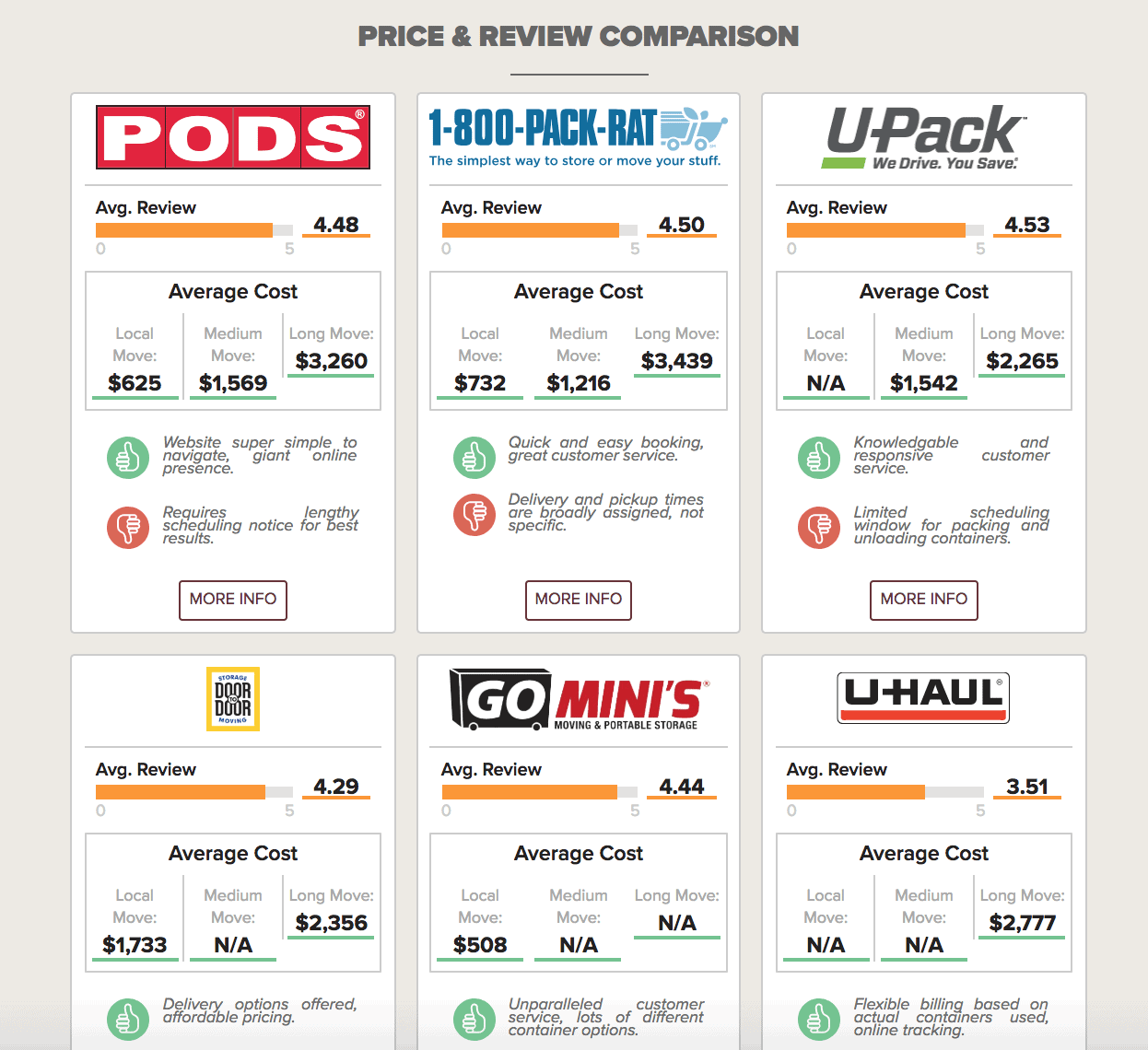
Moving101 Container Price Comparison

When I graduated I lived on campus, but I still somehow had a lot to move into my first apartment. The first thing I did was figure out if anyone could help me move. In return for snacks, my friends and family were happy to offer some manual labor. I got lucky!

But when I got a job, it ended up being located out of state. So to save money, I figured out I could rent a truck and tow my car behind it, and only hire movers to do the lifting. Getting your own vehicle and hiring labor separately for either end of your move (Hybrid Moving) costs less than Full Service moving and varies dramatically in price, but the average cost is around $660. It’s an added cost, but plenty of critical time saved, which I needed.

HireAHelper lets you compare the price of movers and customize everything, from how many people help you move to what arrival time window you’ll need. The more options you can compare for a moving process the better, as every move is going to be a little bit different.

See prices for movers by the hour – instantly.

Read real customer reviews.

Easily book your help online.


How can someone so young take on that expense? Well, I barely had enough to cover the move, but here’s another thing I learned — many employers offer reimbursement for moving expenses! Make a note to talk with your new employer and ask if they make a similar offer. It was a lifesaver when my company helped me out so that I could put my money toward the next round of expenses!

2. Crossing State Lines Can Mean More Fees

When you move to a new state, you’re going to have to get a new state license and plate for your car. The steps will be different depending on your move, but you can check out the process for your specific state online to know what prices you’re in for.

I had to fill out paperwork and pay fees for the process of:

  • Getting an updated title for my car
  • Printing a new plate
  • Creating a new license

All of it cost about $200! Plus, there was the time it took to go to the DMV, get my new emissions test and talk with my car insurance company about my new address and license information.

Call the DMV where you’ll be moving to ahead of time for clarification because it really is a lot to deal with when you’ve never done it before. It definitely was for me.

3. Even My Used Car Had a Major Price Tag

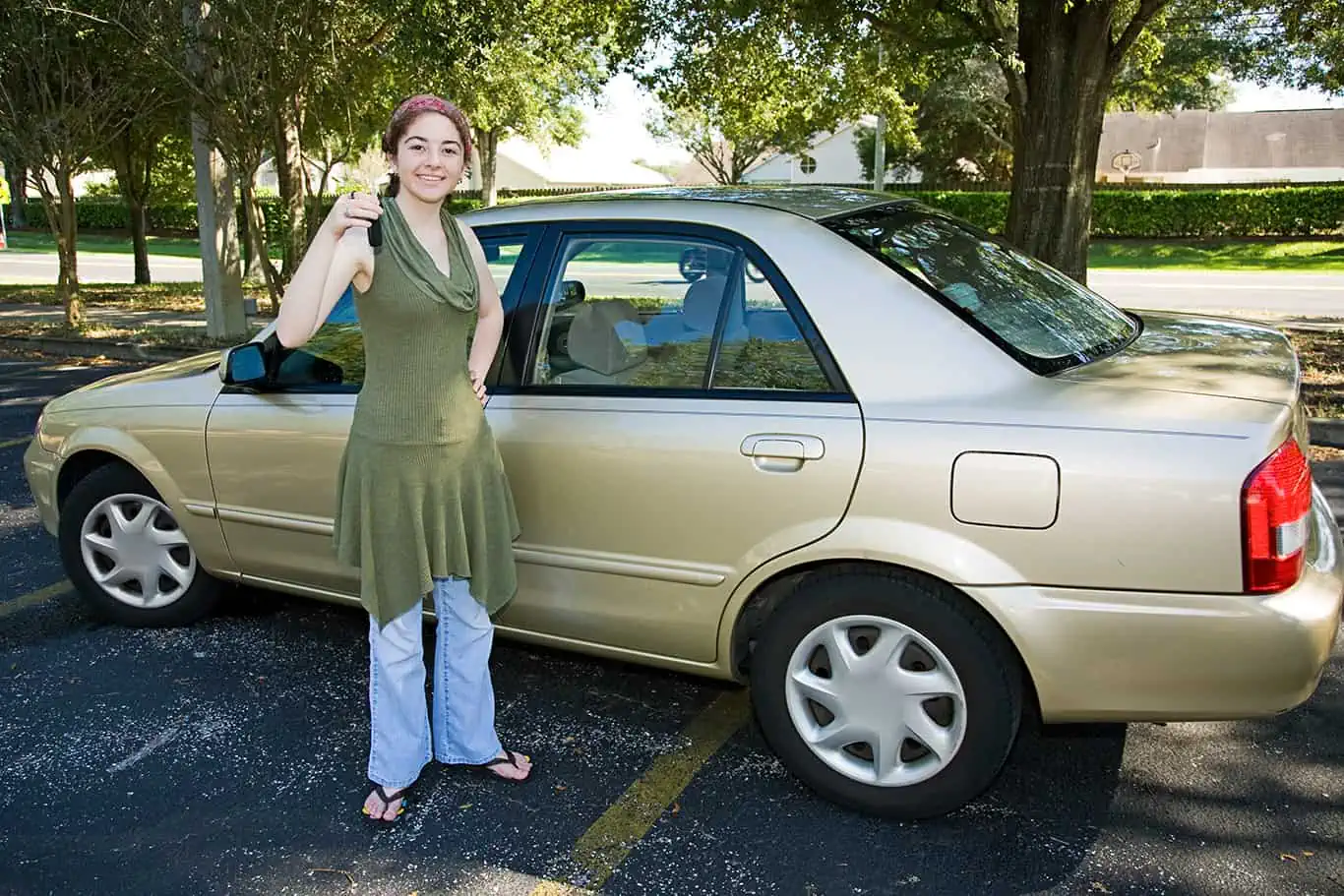
An approximation of how getting your first used car looks.

When I was in school, I used my parents’ old car to get around to my part-time jobs and the grocery store. But after college, I knew I had to get my own ride. I’d been saving up for a while and figured I could negotiate the price of the car down to what I had in my savings account, but it turns out there’s so much more to it than that.

The only thing I knew about buying a car before I walked into the first dealership was that you have to negotiate your final price, but fees and taxes can’t be worked down. The dealer had to explain things like document fees and dealer fees, plus the sales tax. (Again, every state will be a bit different, though some fees are the same across the board.)

It’s smart to save up some extra cash to cover these fees since they’re non-negotiable. While you’re getting your down payment together, take steps to research what these expenses will be so you can better plan for the total cost of a car.

Lastly, make sure you can handle the monthly payment. While I saved enough for a hefty down payment, I did have to take out a small loan to cover the rest. I automated my car payments through my bank once my regular paychecks started rolling in so I would never risk jeopardizing my credit score with late payments.

4. My First Student Loan Payment Shocked Me

The amount I had to take out in student loans wasn’t nearly as drastic as what some of my friends had to sign for—proud state school grad here—but there are ways those loans can pull you into paying more than you originally borrowed. For starters, I had no idea what capitalizing interest was. Basically, it’s interest that’s triggered by specific events and causes your monthly payment to not even make a dent in your overall debt. The debt increases while your payments stay the same.

I also began to panic when the loan bills came in. I hadn’t even earned my first paycheck with my new job yet, so how was I supposed to pay $350 a month after already paying for moving and buying a car?

That’s when I started to research how to consolidate my loans, and it really saved me. The Department of Education can consolidate multiple federal loans with one fixed interest rate, which streamlines the process and extends your repayment period. Rather than juggling multiple payments, I just had to worry about one.

You may also consider private refinancing if you’ve landed a steady job and worked to build a credit score of at least 690. This can both consolidate your loans and lower your interest rate — but isn’t necessarily always the best choice for recent grads. Do your research! 

(So I Learned a Budgeting Trick)

Sure, I’d managed my own bills in college, but between forthcoming loan payments and the costs of moving and a higher rent, I saw my expenses skyrocket. 

So I did some research online and began militantly tracking all of my income and expenses with a Google spreadsheet. I vowed to follow the 50/30/20 budget, which stipulates that half of my earnings pay fixed expenses, 20 percent goes to debts and savings, and 30 percent is reserved for variable expenses like groceries and light spending.

50 30 20 rule of thumb TheBudget.com

It’s tempting to have your paychecks come in and put all your extra cash toward one big thing like a savings account or credit card debt, but metering it out will help you tackle everything at once. Building my savings while decreasing my debt has helped me more in the long run than just choosing one over the other.

Now, my healthy savings account means a minor emergency like a car repair doesn’t trigger any anxiety. After upending my meager college savings to move, a steady and dependable tracking system soothed my nerves and helped me navigate this whole new world.

5. Filling Up a New Apartment Drains Your Wallet

The process of finding my apartment was easy since everything is online now. I could map out how far each apartment complex was from my work and not have to worry about it being too far away. Actually getting settled was a whole different story.

I had to buy all my own furniture, and you can bet that I didn’t have the money to do it all at once! For a little bit, my apartment décor consisted of a mattress on the floor and the most basic kitchen supplies. A good list of basic apartment supplies you’ll need will consist of:

  • Plates and bowls
  • At least two or three of each type of silverware
  • A trashcan
  • Dish soap and a sponge
  • Toilet paper
  • Basic cleaning supplies (e.g., broom, cleaning solution)

Don’t panic if your apartment doesn’t feel like home for a little while. Getting more than the basics will take time, but eventually, your new fancy budget will help you get everything on your list, and your apartment will gradually feel more like a home and less like a living space. 

Plus, if you have a roommate, that makes your quest to fill the space of essentials even easier! Me? I bought myself a couch from a killer Amazon Prime Day deal—and I’ve been treating myself with one apartment item a month since.


Some of the above surprise costs were never mentioned to me because I didn’t know to ask about them.

Give your post-college world about six to eight months to settle down. Now, I’m much more financially secure and living in a home that feels cozy and welcoming. I’m finally ready to put some money into my travel fund and I don’t sweat the occasional sushi dinner. For now, you just have to buckle in and prepare for a crazy ride after that diploma lands in your hand.


Holly Welles is a millennial-focused real estate writer and the editor behind The Estate Update. For more home tips and financial advice, subscribe to her blog for even more financial advice.
×

I'm Moving

Moving? Thinking about moving? Whether your move is off in the distance or you already have one foot out the door, you'll learn about everything you should expect through our useful how-to's, cool articles and much more. It's all specially curated for you in our "I'm Moving" section.
Explore
×

I'm a Mover

For rookies or veterans alike, our "I'm a Mover" section is filled with extensive industry news, crucial protips and in-depth guides written by industry professionals. Sharing our decade of moving knowledge is just one way we help keep our professional movers at the top of their game.
Explore