Seattle Neighborhood Guide: Find the Best Areas to Move in 2026

Author:

Publish Date:

Last Modified Date:

Category: Where to Move

Tags: Tags: , , , , , , , , , , , , , , , ,

Pioneer Square, Queen Anne, and Capitol Hill are among the most popular neighborhoods in Seattle. If you’re wondering about the best areas in the city because you’re planning a move there, you’re not alone — according to HireAHelper’s 2026 Migration Report, 43,517 people movedto Seattle in 2025.

Of course, the neighborhood you choose depends on what you want from life there. Whether that’s a short commute to your job downtown, or being close to the best nature the PNW has to offer, it has a big influence on what neighborhood is “best” for you.

At HireAHelper, we’ve been helping people with their moves since 2007—in Seattle and around the country—so we’re pretty familiar with the different parts of the city. So in this guide, we’re diving into the best neighborhoods in Seattle and helping you decide which one suits your style.


Should You Move to Seattle?

A view of the Seattle, WA skyline from Gasworks Park

Seattle might be the right fit for you if you want a healthy mix of big-city services and outdoor activities.

Seattle’s booming tech industry is also a big part of the city’s lifestyle. It’s known for its innovative, high-paying jobs—Amazon and Microsoft alone have nearly 100,000 employees in the area. Other major employers include Boeing, Starbucks, and Costco. And since there’s no state income tax, you’ll have a little extra in your bank account each week.

You might also consider moving to Seattle if you enjoy a thriving arts scene, exceptional restaurants, a wealth of museums and attractions, and great coffee, of course.

Seattle also has a few drawbacks to consider. The weather is famously overcast and drizzly, especially in the winter. Housing costs are considerably higher than the national average, which might offset a big chunk of your paycheck even if you’re moving for a new job. The traffic is also no joke, and you’ll have to always plan a buffer during your commute or trips out of the city.


Real Estate in Seattle, WA

If you’re thinking about buying a home in Seattle, there’s good news. The average home value is 2.1% lower than last year. Even with the dip, the median sale price is just over $861,000. And given that prices have been rising steadily since 2012, it’s safe to expect that pattern to continue.


“Living downtown is convenient, for example, but it can be expensive and time-consuming to move into an apartment in the area. You’ll probably need to contend with busy streets, parking permits, and long elevator rides…”


But don’t panic quite yet if that’s out of your price range. In neighborhoods like Belltown and Lower Queen Anne, the median home values are $493,023 and $520,314, respectively. If you want to buy in East Queen Anne or West Queen Anne, however, this figure rises to well above $1 million.

No matter where you buy, you’ll probably have some competition. More than 23% of houses in Seattle sell for more than the list prices. But just factor that into your planning and give yourself some wiggle room, and you’ll find the perfect place.


Seattle Neighborhood Map

In Seattle, the location of your neighborhood can have a big impact on your lifestyle. Choose a spot like Queen Anne, and you’ll enjoy walkability and access to public transportation. And if you live on the western edge of West Seattle, you might have gorgeous water views.

The physical location isn’t all that sets each Seattle neighborhood apart. Many have a distinct style, such as the historic architecture of Pioneer Square. You should also consider things like commutes as you’re looking over neighborhoods. As mentioned, Seattle traffic can be tricky, so a short distance between you and your job might be the priority.

Below, we’ve mapped the best neighborhoods out, so you can see exactly where each one sits and find the space that fits you best.

Best Neighborhoods in Seattle

When you’re planning a move to Seattle, choosing where to live is one of your first big decisions. The city is big and varied enough that there’s an option for everyone, whether you want nightlife and buzzy restaurants or a chill, residential vibe. Here are our picks for the most popular Seattle neighborhoods.

Pioneer Square
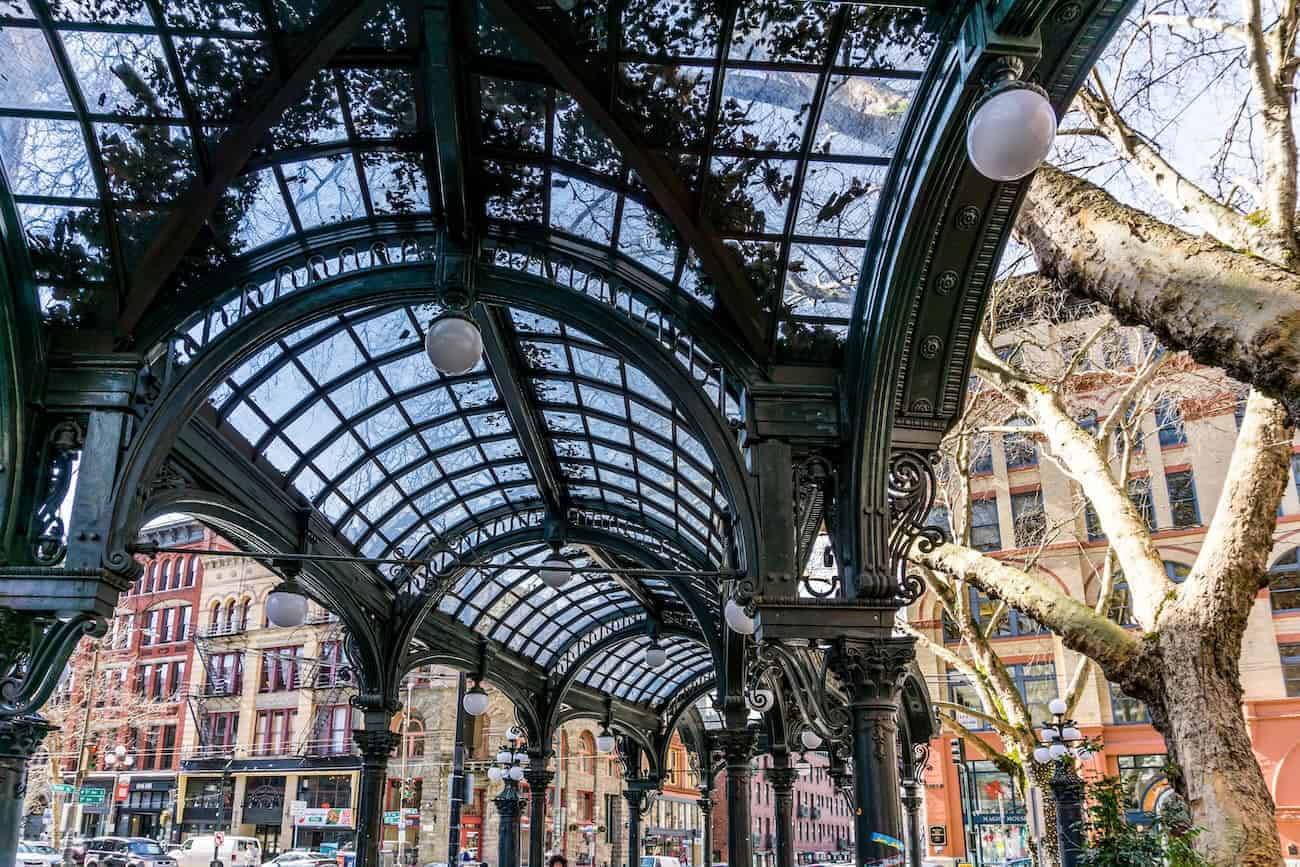
A view of the Pergola and other buildings in the Pioneer Square neighborhood of seattle

  • Vibe: Lively and historic
  • Location: Pioneer Square is located just south of downtown Seattle.
  • Great for: Young professionals and active people
  • Median home sale price: $599,372
  • Average rent: $2,530

Pioneer Square is Seattle’s first neighborhood, which is pretty clear from the gorgeous old architecture. The maze of sidewalks and passageways under the streets adds a whole different layer to the area’s history, and there’s even an urban waterfall.

Pioneer Square is also big on fun things to do, with tons of dining and boutique shopping options, along with a colorful art scene highlighted by the neighborhood’s First Thursday Art Walk. Sports reign at the south end of the Square, with Lumen Field hosting Seahawks football, Sounders soccer, and a ton of other events, including the 2026 FIFA World Cup. The nearby T-Mobile Park is the home of Mariners baseball, too!

Queen Anne – Lower & Upper

  • Vibe: Charming and upscale
  • Location: Queen Anne is located northwest of downtown Seattle, west of Aurora Avenue.
  • Great for: Families and professionals
  • Median home sale price: $520,314
  • Average rent: $1,990

Queen Anne has two distinct areas. Lower Queen Anne (also referred to as Uptown) is great for those seeking big city energy without the concrete jungle. The neighborhood has plenty of bars, restaurants, and arts venues, as well as excellent shopping. In the Seattle Center, you’ll find the iconic Space Needle and the Museum of Pop Culture.

The Upper Queen Anne neighborhood, on the other hand, is rich in Victorian-style homes with generous yards and fantastic views. It’s quieter and more residential, with a strong neighborhood vibe. You’ll still have plenty of fun—tucked into the charming facades along Queen Anne Boulevard is an array of restaurants, coffee shops, and bars.

Madrona

  • Vibe: Laid-back and outdoorsy
  • Location: Madrona is situated east of Seattle on the shores of Lake Washington.
  • Great for: Families and people who value community
  • Median home sale price: $1,153,547
  • Average rent: $2,349

A neighborhood within the larger Central district, Madrona is named for the trees you can find throughout the area. Known as “The Peaceable Kingdom,” it has a relaxed vibe despite being near downtown. You won’t really find a traditional nightlife here, but the food and coffee are as good as anywhere else in the city, and for many, the quiet is a perk.

With its farmers’ market, active neighborhood association, and annual Mayfair, Madrona has a strong community feeling. And for nature lovers, there’s Lake Washington, the Madrona Ravine, and the waterfront Madrona Park with its adjacent sandy beach.

Capitol Hill
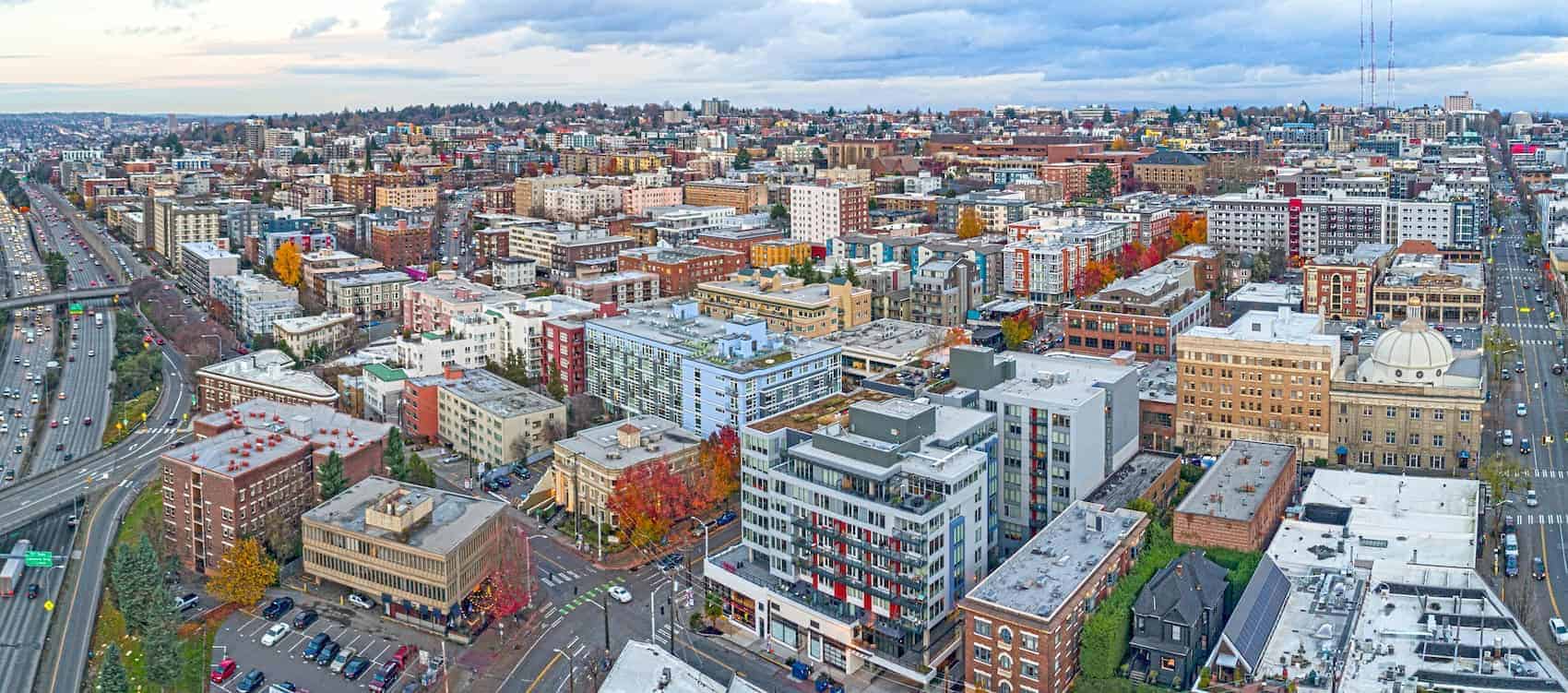
An aerial view of the Capitol Hill neighborhood in Seattle

  • Vibe: Progressive and social
  • Location: Capitol Hill is located just northeast of downtown on the east side of I-5.
  • Great for: People who love culture and nightlife
  • Median home sale price: $656,249
  • Average rent: $1,963

Capitol Hill is one of Seattle’s most iconic areas for nightlife, restaurants, art galleries, and independent shops. You’ll find a dizzying array of options, mostly along Broadway and the Pike/Pine Corridor. And with its inclusive and active community, everyone is welcome. Since Capitol Hill is a transportation hub for the city’s light rail and many popular bus lines, getting around is a breeze.

And if you’re looking for green space, check out Cal Anderson Park, a neat rectangle of open green spaces featuring sports courts, a playground, and footpaths. Volunteer Park sits in the northeast corner of the neighborhood, boasting 50 acres of parkland as well as a conservatory and the Seattle Asian Art Museum.

Mt. Baker

  • Vibe: Artsy, family-friendly, etc.
  • Location: Mt. Baker is located southeast of downtown Seattle, just south of I-90 on the banks of Lake Washington.
  • Great for: Families
  • Median home sale price: $991,861
  • Average rent: $1,951

Mt. Baker is known for its excellent schools and residential environment. It has a wealth of restaurants, taprooms, and coffee shops, many located on Rainier Avenue. With events like Bicycle Weekends and concerts put on by the Mt. Baker Community Club, Mt. Baker residents have plenty of opportunities to become part of their community.

The area in general is fantastically green, with recreation areas including Sam Smith Park and Mt. Baker Park, which leads to lovely and winding Mt. Baker Boulevard. You can also enjoy the water at Lake Washington Boulevard Park, which offers more than a mile of parkland and beaches. And when you want a more urban experience, the heart of downtown is just a 20-minute bus ride away.

Fremont
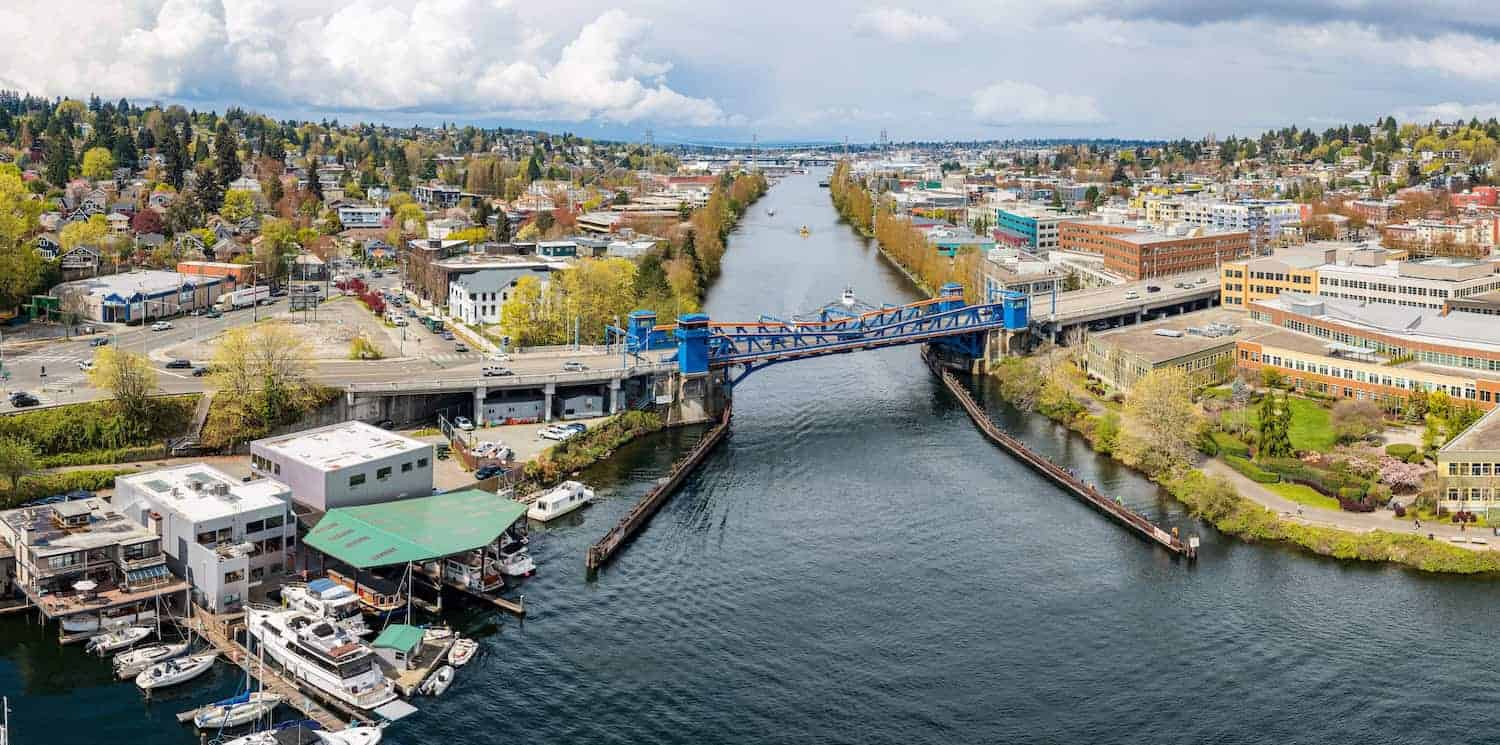
A view of the Fremont Bridge and neighborhood in Seattle

  • Vibe: Artsy and eclectic
  • Location: Fremont is located north of Seattle on the north side of the Fremont Cut.
  • Great for: Creatives and remote workers
  • Median home sale price: $875,460
  • Average rent: $2,008

Home of the Fremont Troll and the Center of the Universe sign, this neighborhood really earns its reputation as the most quirky and creative part of Seattle. Here, you’ll find over 50 art installations and countless galleries. And you absolutely can’t beat the wide array of dining options in this area — few other neighborhoods have the same variety.

Being so close to the water, you also get some gorgeous outdoor areas, including Fremont Canal Park and Fremont Peak Park, which has a hilltop view of the Puget Sound. And even with all of this to offer, there’s one more perk to Fremont: it’s close to other popular neighborhoods. It’s a stone’s throw away from Queen Anne, Greenlake, and the University District, with access to public transportation that will take you all around the city. It really makes the whole city feel accessible.

West Seattle

  • Vibe: Calm and friendly
  • Location: West Seattle sits southwest of downtown Seattle.
  • Great for: Outdoorsy people and retirees
  • Median home sale price: $837,279
  • Average rent: $1,735

If you’re looking for a life that’s all about the natural surroundings, West Seattle is a great place to be. Made of several sub-neighborhoods, this slice of Seattle sits on a massive “thumb” of land. It’s surrounded on two sides by the Puget Sound and separated from downtown by the Duwamish Waterway. It’s home to Seattle’s largest contiguous forest, the West Duwamish Greenbelt, as well as outdoor spaces like Me-Kwa-Mooks Park, Alki Beach Park, and Hamilton Viewpoint Park.

If you prefer the indoors, though, don’t fret! There are a ton of dining and drinking options in the central Junction area, along with events and community activities. Several bus routes cover the broad West Seattle neighborhood and connect to downtown, as do the local water taxis.


Moving Costs and Logistics in Seattle

The Seattle neighborhood you choose can have a big impact on the planning and price of your move. Living downtown is convenient, for example, but it can be expensive and time-consuming to move into an apartment in the area. You’ll probably need to contend with busy streets, parking permits, and long elevator rides — all of which can make your move last longer and drive up the price.

As you’re calculating moving costs, think about whether your new Seattle building is a walk-up or an elevator building. Many movers add fees for stairs to cover the extra time and labor it takes to carry heavy boxes and pieces of furniture between floors. Make sure to ask if you can reserve the loading dock or whether you’ll need to add parking permits to your moving checklist.

By contrast, it’s a lot easier to park a moving truck on the residential streets of neighborhoods such as West Seattle and Madrona. Even if you’re moving into a bigger house, the easier access can help the process move quickly. And if you’re hiring labor-only movers — who charge an average of $92.73 per hour in Seattle — a shorter move can be considerably more affordable.


How to Choose the Right Mover for Your Seattle Move

The best local moving companies can make all the difference in your move to the Emerald City. To find great movers in Seattle, start by identifying the type of move you’re planning.

And your Seattle neighborhood might affect your choice of movers. If you’re moving into a Pioneer Square apartment, for example, you probably won’t have space for a moving container. And if you’re living in the suburbs, the HOA rules might stop you from parking a freight trailer or moving truck on the street for multiple days.


“The average home value is 2.1% lower than last year [in Seattle]. Even with the dip, the median sale price is just over $861,000.”


However, what’s most important is finding local movers who know the city. If you have a team that can handle those hilly streets and understands the best way to handle a 5th-floor downtown apartment, your move will go a lot smoother.

Once you’re clear on the type of movers and the services you need, it’s time to start shopping around. We always recommend getting at least three quotes. Consider starting with highly rated Seattle movers like AAA Allstar Movers & Cleaners, who are known for exceptional communication and professionalism, and B&R Movers, who offer efficient and flexible service.

The easiest way to find a Seattle mover is to use the HireAHelper marketplace. Just enter a few details about your move, and we’ll show you a selection of highly rated local options—along with customer reviews and specific service offerings. All quotes come with transparent upfront pricing, and you can book online in minutes.


FAQs About Seattle Neighborhoods

How many neighborhoods are in Seattle?

There are 78 different Seattle neighborhoods. However, some of these areas are divided into sub-neighborhoods.

What are some of the major and smaller Seattle neighborhoods?

Some of the major neighborhoods in Seattle are West Seattle, Capitol Hill, and Magnolia, while smaller neighborhoods include Interlaken Park, East Lake, and Interbay. Areas such as Belltown and the University District are compact but densely populated.

What neighborhoods in Seattle are walkable?

The Seattle neighborhoods closest to downtown tend to be the most walkable — specifically, Belltown, Pioneer Square, International District, and First Hill. South Lake Union and Lower Queen Anne are also easy to get around on foot.

What neighborhoods in Seattle have good nightlife?

Capitol Hill is known for its nightlife, which includes lots of bars and clubs. In particular, the neighborhood has many venues friendly to the LGBTQ+ community. Belltown, with its upscale bars, unique pubs, and excellent music venues (check out The Crocodile), is another Seattle nightlife hub. You’ll also find plenty of bars in Pioneer Square and Fremont.

What neighborhoods in Seattle have parks?

Some of the Seattle neighborhoods with parks include Capitol Hill, Mt. Baker, Fremont, and West Seattle. However, Seattle has 387 parks, so most neighborhoods sit within walking distance of at least one green space. Queen Anne is home to parks of all sizes, and the high-end Magnolia neighborhood boasts Discovery Park, the largest park in the city.


Why Trust HireAHelper

At HireAHelper, we’ve helped more than 1 million people create positive moving experiences. Over the years, our team members have become experts at analyzing the factors that make a neighborhood great, from walkability to entertainment and activities. More importantly, we know that everyone’s needs are different — the perfect neighborhood for you depends on factors ranging from your budget to your after-work hobbies.

As you explore the different Seattle neighborhoods, we encourage you to keep your ideal lifestyle in mind. By picking the part of the city that matches your vibe and your day-to-day activities, you can build the foundation for an exciting new life in the Pacific Northwest.
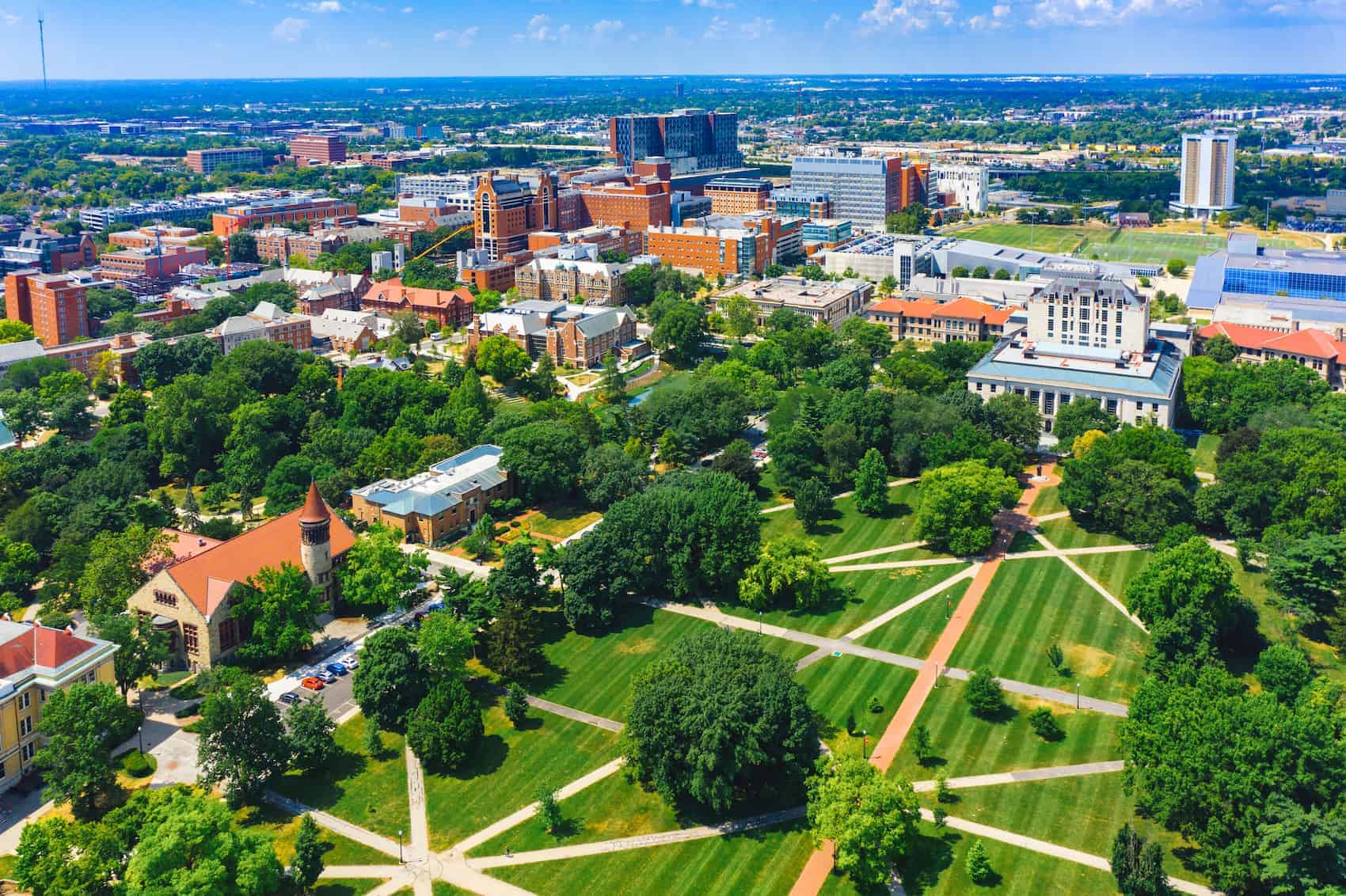

Columbus Neighborhood Guide: Find the Best Areas to Move in 2026

Author:

Publish Date:

Last Modified Date:

Category: Where to Move

Tags: Tags: , , , , , , , , , , , , , ,

In 2026, Italian Village, Victorian Village, and Weinland Park are among the most popular neighborhoods in Columbus. And moving to Columbus in general is a trend that isn’t slowing down. According to HireAHelper’s 2026 Migration Report, the area attracted significant attention in 2025, recording 21,145 inbound moves from outside the area and a massive 66,862 intra-moves within the region.

But finding the right place to live is about more than just checking listing prices. It’s about finding a community that fits your daily rhythm. At HireAHelper, we’ve spent nearly two decades helping people navigate the logistics of relocation, so we know that the difference between a good move and a great one often comes down to neighborhood knowledge. This guide explores the best spots in Columbus to help you plan a seamless transition to your new home.


Should You Move to Columbus?

You should move to Columbus if you’re looking for big-city amenities without the crushing cost of living found on the coasts. It’s a particularly strong choice for young professionals building careers in finance, fashion retail, or technology.

With massive investments from tech giants like Intel nearby, the region’s experiencing a modern economic boom. Families also flock here for the incredible park systems and the variety of housing options that range from historic brick cottages to modern suburban builds.

However, moving here does come with a few trade-offs. If you lead a car-free lifestyle, Columbus might present a challenge. Although COTA buses are reliable for some routes, the city is geographically spread out. Most residents find that owning a vehicle is essential for commuting and exploring the wider region.

You should also be prepared for the weather. Central Ohio winters are known for being gray and chilly, though they’re generally milder than what you’d find in Cleveland or Chicago. If you can handle a little snow and you love a city with a friendly, accessible spirit, Columbus is likely a perfect fit. The Buckeye pride is real here, and the sense of community makes it easy for newcomers to feel like locals very quickly.


Real Estate in Columbus, OH

Columbus real estate is moving quickly, even as prices stabilize. According to Zillow’s market data, the average home value in Columbus is $239,418. That figure has remained effectively flat over the last year, but don’t let the steady prices fool you — the market is active. Listings typically go to pending in around 21 days, so you don’t have much time to hesitate when you find a match.


“Apartment moves in places like downtown or the newer 5-over-1 developments inWeinland Park have their own quirks. Many of these modern buildings along High Street or Grant Avenue have freight elevators that must be reserved in advance.”


You’ll see the most competition in walkable neighborhoods like German Village or Grandview, where bidding wars can still happen for the best properties. If you’re looking for better value, developing areas like Franklinton or the South Side offer more approachable entry points.

Renters are in a similar position. While new apartments are popping up along High Street, the influx of young professionals keeps vacancy rates low. It’s smart to start your search about 60 days out, because the good spots in popular zip codes tend to lease up fast.


Columbus Neighborhood Map

Columbus neighborhoods are defined by their distinct historical roots, often centered around a commercial strip or lush city park. The High Street acts as the city’s main spine running north to south. Neighborhoods branch off this central artery, shifting rapidly from dense urban blocks to leafy residential streets.

Understanding this geography is crucial for your budget and your lifestyle. A few blocks can make a huge difference in price and noise levels. For example, living directly on High Street puts you in the center of the action, while moving two streets east might offer a quiet, garden-filled retreat.

If you’re ready to start planning the logistics, you can browse local movers in Columbus, OH, to see who services your target area. Knowing the parking situation and street width of these neighborhoods will help you book the right size moving truck.

Best Neighborhoods in Columbus

We’ve selected seven unique neighborhoods in Columbus for 2026. These areas offer a mix of stability, affordability, and local character that caters to different types of movers. Whether you’re looking for a historic fixer-upper or a modern condo, these districts represent some of the most interesting pockets of the city right now.

Italian Village

  • Vibe: Industrial-chic, dense, and socially active.
  • Location: Directly east of the Short North, just north of downtown.
  • Great for: Young professionals, brewery fans, and urban dwellers.
  • Average Home Value: $452,648 (Source: Zillow)

Italian Village has successfully transformed from an industrial hub into one of the city’s most desirable addresses. The area mixes renovated factories with modern infill housing, creating a unique architectural blend. It’s home to some of the city’s best breweries and offers a highly walkable lifestyle just steps from High Street.

According to Zillow, the market here is steady, with home values up 1.1% over the past year. It’s a solid choice if you want to be close to the action but still want a neighborhood that feels like a distinct community.

Victorian Village

Goodale Park, located in the Victorian Village area of Columbus, Ohio

  • Vibe: Elegant, historic, and picturesque.
  • Location: West of the Short North and north of downtown.
  • Great for: Architecture lovers, doctors, and joggers.
  • Average Home Value: $428,767 (Source: Zillow)

Victorian Village is arguably the most scenic neighborhood in Columbus. It’s anchored by Goodale Park, where you’ll find tennis courts, a pond, and unbeatable views of the skyline. The streets are lined with massive, historic homes that feature intricate details and large porches.

While home values have dipped slightly by 2.9% over the last year, this area remains a prestigious spot for those who want quiet luxury. It’s perfect if you want a peaceful atmosphere in an area that’s still walkable to the city’s best dinner spots.

Weinland Park

  • Vibe: Revitalized, youthful, and convenient.
  • Location: South of The Ohio State University and north of Italian Village.
  • Great for: Students, faculty, and first-time homebuyers.
  • Average Home Value: $344,879 (Source: Zillow)

Weinland Park has seen massive changes over the last decade, bridging the gap between the university campus and the Short North. It’s a vibrant area with a mix of new developments and renovated single-family homes. The location is incredibly central, giving you easy access to the arts district and the academic energy of OSU.

With home values adjusting down 2.7% recently, it offers a slightly more accessible entry point than its southern neighbors while keeping you right in the middle of the city’s main corridor.

Indianola Terrace

  • Vibe: Charming, academic, and growing.
  • Location: East of High Street in the University District.
  • Great for: Investors, academics, and long-term residents.
  • Average Home Value: $327,485 (Source: Zillow)

Indianola Terrace is a standout performer in the current market. According to Zillow, home values here have jumped 4.6% over the past year, showing strong demand. This neighborhood offers a lot of character with its early 20th-century homes and mature trees.

It’s close enough to campus to be convenient but set back enough to feel like a proper residential neighborhood, and it is a smart pick for buyers who want to see their investment grow while enjoying a classic Columbus atmosphere.

Milo-Grogan

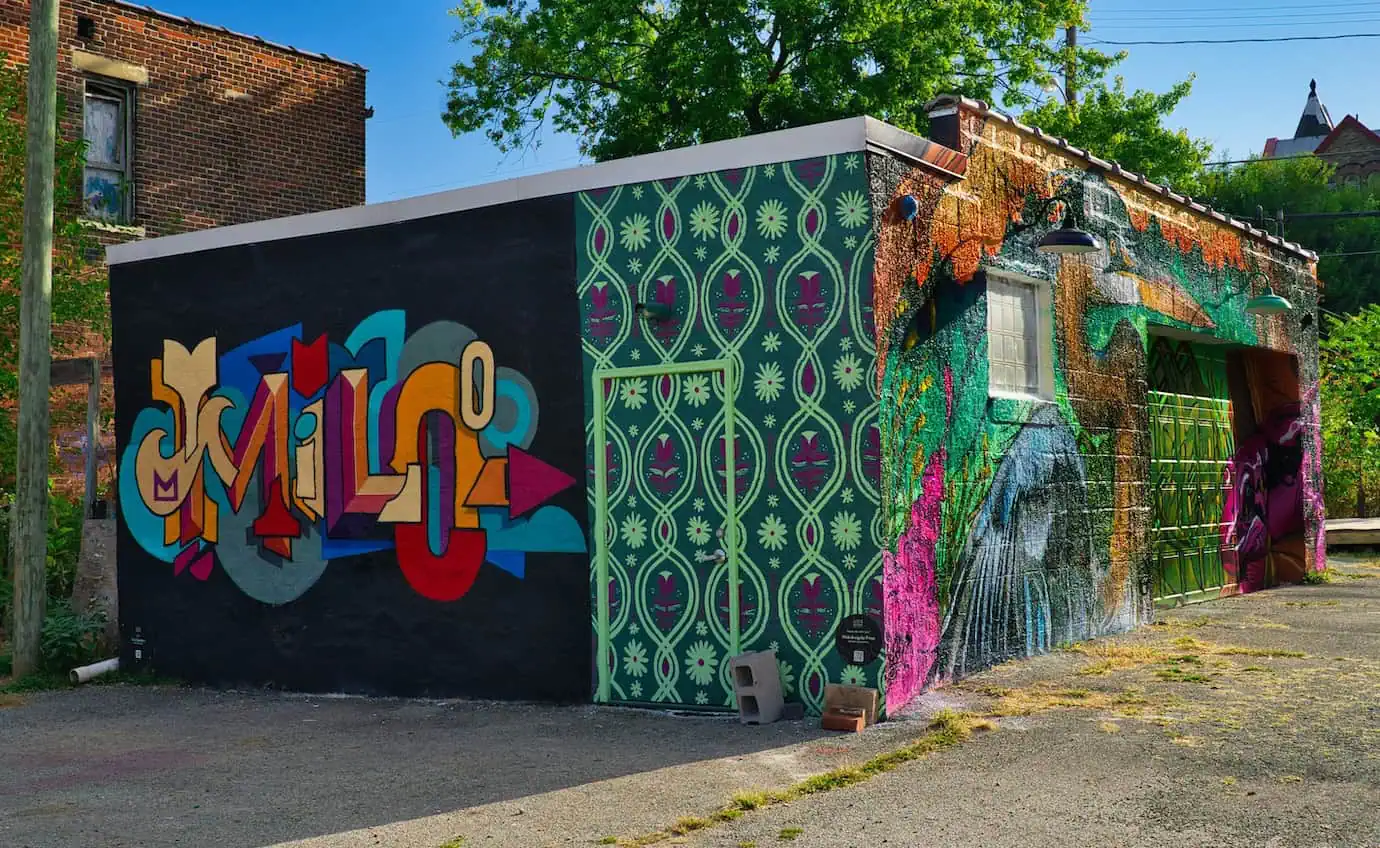
Art murals in Milo-grogan, Columbus Ohio

  • Vibe: Artsy, industrial, and up-and-coming.
  • Location: Northeast of downtown and the Italian Village.
  • Great for: Creatives, makers, and value seekers.
  • Average Home Value: $140,973 (Source: Zillow)

Milo-Grogan is a neighborhood with deep industrial roots and a bright future. It’s attracting artists and entrepreneurs who appreciate the affordable workspace and proximity to Rogue Fitness and other major employers.

With an average home value of around $141,000, it’s one of the most affordable areas near the city center. Values have adjusted down 4.9% recently, which might mean there are deals to be found for those willing to put in some effort. It’s a place with a gritty, authentic spirit and a tight-knit community feel.

Devon Triangle

  • Vibe: Quiet, small, and accessible.
  • Location: A small pocket near the railroad junction and the King-Lincoln area.
  • Great for: Budget-conscious buyers and commuters.
  • Average Home Value: $133,476 (Source: Zillow)

Devon Triangle is often overlooked because of its small size, but it offers incredible value. With home values seeing only a slight bump of 0.6% over the last year, it’s a stable, affordable option for people who need to be close to the city without the high price tag.

It’s a no-frills area that focuses on function and affordability. If you’re looking to stop renting and start owning, this neighborhood provides a manageable entry point into the Columbus market.

South Linden

  • Vibe: Community-focused, developing, and resilient.
  • Location: Northeast of downtown, along the Cleveland Avenue corridor.
  • Great for: Investors and those looking for maximum affordability.
  • Average Home Value: $125,400 (Source: Zillow)

South Linden offers some of the lowest housing costs in the city, with an average value of roughly $125,000. While values have dipped 3.8% over the past year, this presents an opportunity for buyers who want to be part of a neighborhood’s turnaround story, as it’s an area that’s the focus of various revitalization efforts and community programs.

It’s also a short drive to downtown and offers a chance to own a home with a yard for significantly less than you’d pay just a few miles west.


Moving Costs and Logistics in Columbus

Your choice of neighborhood will directly impact the logistics and total cost of your move. You need to think about more than just the distance; you need to think about the terrain and the rules of the road.

Shuttle Services

Moving into the Italian Village often involves navigating the one-way highway speeds of Summit Street or Fourth Street just to reach your block. Once you’re there, many carriage houses and garages are only accessible via narrow, historic brick alleys.

A standard 26-foot moving truck often won’t fit down these alleys. In these cases, your movers might need to use a shuttle service, where they offload your items into a smaller van to get them to your door. This adds time and labor to the bill, so it’s crucial to mention your specific street or alley access to your movers early.

Parking

In areas like Victorian Village, residential parking permit zones are aggressively enforced to keep commuter traffic at bay. You will likely need to apply for a Right-of-Way Occupancy Permit (specifically the 906 permit) from the City of Columbus to legally reserve curb space for your truck.

You typically need to apply at least 72 hours in advance to get No Parking bags covering the meters. Failing to do this can result in tickets or the truck having to park blocks away, which drastically increases the time it takes to load and unload.

Apartment rules

Apartment moves in places like downtown or the newer 5-over-1 developments inWeinland Park have their own quirks. Many of these modern buildings along High Street or Grant Avenue have freight elevators that must be reserved in advance. If you miss your window, you might be stuck moving in via the stairs or waiting for another day. Always check with your building management about their specific move-in policies before you book your crew.

To avoid sticker shock, use a moving cost calculator to get a baseline estimate. It accounts for the size of your home and the distance you’re traveling. Keeping a detailed moving checklist to manage tasks like utility transfers and address changes makes it way less likely you’ll forget something.


How to Choose the Right Mover for Your Columbus Move

Finding the right movers starts with understanding the challenges of your new Columbus zip code. In a city like Columbus, where weather and traffic can change quickly, you need professionals who know the local landscape. You want a team that knows which roads are closed for construction and how to handle a rainy Ohio afternoon.


“…[The] average home value in Columbus [in 2026] is $239,418. That figure has remained effectively flat over the last year, but don’t let the steady prices fool you — the market is active.”


When you’re looking for help, consider the type of move you’re making. If you’re moving a small studio apartment within the city, a labor-only move might be your best bet. That’s where you rent the truck, and professional movers load and unload it for you. It’s often the most cost-effective way to move locally. For larger homes, a full-service option might be worth the investment.

Our platform allows you to compare local moving companies side-by-side. You can see their pricing, their insurance coverage, and real reviews from neighbors who have used them. Here are a few highly rated movers in the Columbus area to consider:

  • Bana Brothers Moving Express: With over 500 completed moves on our platform and a stellar 4.9-star rating, this team is a proven choice in Columbus. They bring over a decade of combined experience to the job, ensuring your belongings are handled with the care they deserve.
  • Movers and More: These pros live up to their name, boasting nearly 750 moves with HireAHelper and glowing reviews. They’re known for going above and beyond to create a stress-free experience, making them perfect for complicated moves.
  • Moving Labor Help Columbus Ohio: If you’re looking for deep experience on a budget, this crew has been in business for over 15 years. They consistently earn high marks from locals for their reliability and offer some of the most competitive rates in town.

Booking your movers is the final piece of the puzzle, and you deserve to feel confident in your choice. When you book through our marketplace, you get the peace of mind that comes with verified reviews—so you know you’re reading real feedback from neighbors. To help you spot the pros, we recommend reading our guide on how to choose a good moving company. It breaks down the specific red flags you need to avoid and the green flags that signal a trustworthy crew.

Once you have a shortlist, don’t be afraid to ask for details. Asking the right questions before hiring—like whether they charge extra for stairs or how they handle elevators—is the best way to protect your budget. If you’re looking for a head start, check out our list of the best moving companies to see how different providers stack up against each other.


FAQs About Columbus Neighborhoods

How many neighborhoods are in Columbus?

Columbus has over 87 distinct neighborhoods and area commissions. These range from large, well-defined districts like the University District to smaller, cozy pockets like Devon Triangle or Milo-Grogan.

What are the major Columbus neighborhoods vs smaller areas?

Major neighborhoods like the Short North, Victorian Village, and Clintonville generally have their own commercial districts and high name recognition. Smaller areas like South Linden, Devon Triangle, or Indianola Terrace are primarily residential enclaves that may rely on adjacent neighborhoods for shopping and dining.

What neighborhoods in Columbus are walkable?

Italian Village, Victorian Village, and Weinland Park are among the most walkable neighborhoods in the city. In these areas, you can easily handle daily errands, dining, and entertainment without needing to start your car.

What neighborhoods in Columbus have good nightlife?

For nightlife, the nearby Short North and Arena District are top destinations, but Italian Village has its own booming brewery scene. Weinland Park also offers easy access to the entertainment options near the university.

What neighborhoods in Columbus have parks?

Most Columbus neighborhoods are near green space, but Victorian Village is famous for Goodale Park. Indianola Terrace offers easy access to the ravine parks, while the larger metro parks are just a short drive from areas like South Linden and Milo-Grogan.


Why Trust HireAHelper

We’ve been helping people move since 2007. That’s nearly two decades of experience navigating the ups and downs of the moving industry. We verify our movers, track real customer feedback, and provide honest advice. With a 4.8-star average rating and thousands of successful moves in the Columbus area, we have the data and the know-how to help you start your next chapter on the right foot.

Moving to Dallas: The Best Dallas Neighborhoods in 2023

Author:

Publish Date:

Last Modified Date:

Category: Moving Advice

Tags: Tags: , , , , , , , , , , , , , , , , ,

With the city’s steady growth, job opportunities, and lower taxes, Dallas remains one of the most common destinations in the country. And within the city, Uptown, Deep Ellum, Lake Highlands, Bishop Arts District, and the Design District are among the most popular neighborhoods in Dallas today.

But the “best” neighborhood depends on your lifestyle and budget. It’s also based on how you feel about traffic, walkability, schools, and nightlife. Choosing the right neighborhood really can change how much you enjoy living here.

This guide will help you understand Dallas neighborhoods, real estate expectations, moving costs, and how to choose the right mover once you decide where to live.


Should You Move to Dallas?

a view of downtown dallas at night

Dallas continues to attract new residents from all over the United States, and the city offers a mix of Southern culture, big-city opportunity, and suburban comfort that appeals to many life stages.

Dallas is a great fit for people who want access to jobs, entertainment, and big-city amenities without coastal price tags. It appeals to young professionals drawn to nightlife and career growth in major industries like healthcare and energy, families looking for more space and parks, remote workers wanting lower housing costs, and frequent travelers who appreciate being near a major international airport. It also suits anyone who enjoys variety, from food and sports to museums, churches, and year-round events.

But Dallas isn’t everyone’s dream fit. It’s a city with higher average temperatures and extremely hot summers. The city is also quite spread out. Even two addresses in Dallas can be 45 minutes apart, so owning a car is practically a necessity. Public transit exists, but doesn’t cover everything.

In short, if you want room to spread out, job options, and a variety of neighborhoods to match your stage of life, Dallas makes sense. But if you want a very compact, walk-everywhere city, you may prefer a different metro.

Real Estate in Dallas, TX

The Dallas housing market today is stable but competitive in pockets, with pricing that reflects both the city’s size and its diverse neighborhood types. According to Zillow’s Home Values Index, the typical home value in Dallas is about $302,721, and that figure combines single-family homes, condos, and townhomes across a wide range of communities.


“Summer moves usually go more smoothly in the morning, but keep in mind that relocating in the summer or on the weekend tends to cost more due to high demand.”


Across the city, price trends have softened slightly over the past year, with values showing modest declines or minor stability. Buyers entering the Dallas market today will notice that homes are staying on the market a little longer and that there’s somewhat more inventory to choose from compared with the tight conditions of recent years.

Renters also benefit from relatively broad options. The average rent in Dallas sits near $1,950 per month, a figure that has edged down slightly year-over-year and remains a bit lower than the national average. This means that whether you’re looking to buy or rent, Dallas generally offers more choice.


Dallas Neighborhood Map

Dallas isn’t one compact block of skyscrapers. It’s a network of neighborhoods that each feels like a small town inside a larger city. Neighborhoods are usually defined by their location in relation to Downtown, their school districts, and how easily they connect to major roads and highways. Housing style also plays a role. Some areas lean toward condos and townhomes, while others are dominated by single-family homes, lofts, or new developments near shopping and restaurants.

Use the map below to see how these neighborhoods sit in relation to each other and to major landmarks, parks, and highways. If you’re comparing options or planning a move into one of these areas, you can also review crews that work specific ZIP codes through the Dallas movers page on HireAHelper.

Best Neighborhoods in Dallas

Here are five standout Dallas neighborhoods people often consider when relocating. Each offers a different lifestyle, price point, and personality. Your best choice depends on whether you want bars or backyards, music or quiet, walkability or parking space.

Lake Highlands

A view of a fishing dock in White Rock Lake, which is near Lake Highlands. The downtown skyline of Dallas can be seen in the distance

  • Median home sale price: ~$605,000
  • Average rent: ~ $2,060/mo

Lake Highlands sits northeast of Downtown Dallas and is known for its family-friendly vibe, mature trees, and a mixture of affordable and upscale homes nestled within walkable pockets. Residents enjoy plentiful parks and easy access to White Rock Lake’s trails and waterfront activities, creating a neighborhood that feels both connected to nature and close to city life. Homes here range from mid-century ranch styles to larger modern builds, with newer redevelopments offering a mix of sizes and layouts.

Lake Highlands also stands out because it offers a rare combination in Dallas: established neighborhoods alongside ongoing redevelopment and new retail. Many residents commute to major employment centers in Richardson and North Dallas via US-75 or I-635, while others choose it for proximity to Presbyterian Hospital or TI. From a moving standpoint, most homes have driveway parking and wider streets, which makes moving trucks easier to stage than in denser urban districts, even when homes sit on curvier, older streets.

Uptown

Uptown is often the picture people imagine when they think of modern Dallas living, with a vibrant mix of walkable streets, condos, and apartment communities. Here, dining, nightlife, rooftop bars, and coffee shops are mere steps apart, and residents can often walk or cycle to work and play instead of relying on a car. The McKinney Avenue trolley, nearby to major highways and DART rail, and proximity to the Katy Trail all add to Uptown’s unique transit and lifestyle appeal.

Because Uptown is so central and walkable, housing tends toward condos and mid-rise apartments with modern finishes, and rents command a premium compared with broader Dallas.

Apartment amenities are also a major draw here. Think gyms, rooftop pools, dog parks, concierge services, and attached parking garages. Moves here can involve loading docks and elevators rather than driveways, but most buildings are set up for frequent resident turnover and have clear procedures in place.

Deep Ellum

Deep Ellum is Dallas’s historic entertainment district, known for live music venues, street art, eclectic restaurants, and a nightlife vibe that no other neighborhood quite matches. Originally a commercial hub for artists and musicians, the area still pulses with creativity, drawing residents who want culture and a social scene as part of their everyday backdrop.

Deep Ellum has gone through several waves of reinvention, and that history is part of its appeal. This renovation also means housing options in the neighborhood are diverse, and range from lofts and condos in converted industrial spaces to modern townhomes. The neighborhood also has quick access to major highways and to Baylor University Medical Center, which attracts medical professionals and students. Because streets are narrower and nightlife is busy on weekends, scheduling moves earlier in the day or mid-week often makes the process smoother.

Bishop Arts District

  • Median home sale price: ~$500,000
  • Average rent: ~ $2,000–$2,800+/mo

Bishop Arts District offers small-town charm inside the larger Dallas landscape. It features walkable streets, independent boutiques, local coffee shops, and a festival-like vibe that feels distinctly different from more corporate commercial zones. From bungalows to renovated craftsman styles, its historic homes with character sit alongside newer infill construction, giving the area a dynamic mix of old and new.

Commutes into Downtown or the Medical District are also manageable, especially using I-35E or the nearby streetcar connections, which makes it easy to reach central Dallas while still enjoying a slightly quieter, more personalized neighborhood rhythm.

The historic street grid, local businesses, and porch-front homes give Bishop Arts a neighborhood identity that appeals to people who prefer character over high-rise glass. Most homes have alley access or driveway space, which typically makes moving logistics easier than in condo-dense areas.

Design District

  • Median home sale price: ~$575,000+
  • Average rent: ~ $2,500+/mo

The Dallas Design District blends modern living with industrial heritage, where renovated warehouses house art galleries, furniture showrooms, and high-end eateries that give the area a creative, stylish edge. This neighborhood is ideal for people who want a blend of cutting-edge design and convenience.

The Design District’s location along the Trinity River levee also puts residents near future redevelopment and trail connections planned for the river corridor. Quick access to I-35E, the Tollway, and Woodall Rodgers makes commuting to Uptown, Downtown, Love Field, or the Medical District straightforward.

Many apartment buildings are newer construction, meaning elevators, loading zones, and parking garages are designed to accommodate frequent move-ins. For people who want a modern home close to galleries, showrooms, and destination restaurants, this district checks a lot of boxes.

Moving Costs and Logistics in Dallas

a view of the Margaret Hunt Hill Bridge leading into downtown Dallas

Two people can move the same distance in Dallas and have completely different experiences. In Uptown, Deep Ellum, and parts of the Design District, movers often deal with limited truck parking, restricted loading hours, elevator reservations, and long hallways between units and trucks. In Lake Highlands and similar suburban neighborhoods, crews typically have wider streets, driveway parking, and shorter carrying distances, which makes loading and unloading faster and simpler.

Timing matters too. Dallas rush hour is real, and so is the heat. Both slow things down. Summer moves usually go more smoothly in the morning, but keep in mind that relocating in the summer or on the weekend tends to cost more due to high demand during those times. Suburban areas tend to stay more predictable, while urban cores can change block by block depending on events.

If you want a realistic estimate before booking, try HireAHelper’s moving cost calculator to get a clearer picture of the total price, and pair it with their moving checklist to plan packing, utilities transfers, address changes, and supplies.

How to Choose the Right Mover for Your Dallas Move

Dallas’s mix of high-rise districts, older neighborhoods, suburbs, and tollways means a move can feel entirely different depending on where you’re going, so choosing the right mover matters more than you’d expect.

Start by deciding whether your move is local or long-distance. If you’re staying within the metro area, it’s easy to compare and book local movers or browse Dallas movers specifically to find crews who already know the quirks of the city. If you’re arriving from out of state, look for companies experienced with interstate moves and storage coordination.


“Across the city, price trends have softened slightly over the past year, with values showing modest declines or minor stability. Buyers entering the Dallas market [in 2026] will notice that homes are staying on the market a little longer…”


It also helps to understand the process before you book. You can read exactly how HireAHelper works to see what services movers provide and how scheduling, payment, and reviews fit together. Choosinga good moving company usually means researching the best moving companies to understand licensing, insurance, and service levels.

Neighborhood-specific challenges are where great movers stand out. Before you commit, use this list of important questions to ask movers so you can discuss stairs, fragile items, parking distance, and heat-of-day timing in advance instead of on the spot. When a crew is prepared for your exact building style and traffic patterns, your move is faster, safer, and usually cheaper in the end.


FAQs About Dallas Neighborhoods

Which neighborhoods are most walkable?

Uptown is the most consistently walkable, with restaurants, shops, and trails all within a short distance. Parts of the Bishop Arts District and the Design District also offer strong walkability, but expect pockets that still require short drives.

Where do families tend to live?

Many families choose Lake Highlands, North Dallas, and parts of Far North Dallas for their parks, neighborhood feel, and access to schools and commuter routes. These areas usually have larger yards and quieter streets than urban districts. They also offer easier driveway parking and less nightlife traffic, which many parents prefer.

Do you need a car in Dallas?

In most neighborhoods, yes. A few districts offer genuine walkability, and DART rail serves select corridors, but the city as a whole is spread out. Most residents rely on a car for commuting, errands, and school drop-offs, even if they live near transit.

×

I'm Moving

Moving? Thinking about moving? Whether your move is off in the distance or you already have one foot out the door, you'll learn about everything you should expect through our useful how-to's, cool articles and much more. It's all specially curated for you in our "I'm Moving" section.
Explore
×

I'm a Mover

For rookies or veterans alike, our "I'm a Mover" section is filled with extensive industry news, crucial protips and in-depth guides written by industry professionals. Sharing our decade of moving knowledge is just one way we help keep our professional movers at the top of their game.
Explore