The Comprehensive Guide to Moving With a Child

Author:

Publish Date:

Last Modified Date:

Category: Kids & Pets

Tags: Tags: , , , , , , , , , , , , , , , , , , , , , ,

Moving for adults is a generally stressful and draining event, but relocating with your child comes with even more physical and emotional needs. While we adults can tell ourselves, “just deal with it,” and have plenty of coping skills for demanding situations, that won’t work for a young child.

Before, during, and after your move, your child will need lots of help learning how to handle the move. After all, their lives are being completely upended. In this guide, we’ll show you 7 key strategies to help you prepare your child for a move, plan a successful moving day, and help your little one settle into their new home.


Table of Contents


1. Preparing Your Child Emotionally

Kids can have big emotional reactions to a move. It makes sense — they’re leaving everything that feels familiar, and often due to reasons they had no choice in (like a new job) or other big life events (like a divorce). Make the process easier on your child by helping them navigate these uncomfortable emotions.

Speak Positively About the Move

Children are experts at taking emotional cues. When you look or sound sad, it can trigger a lot of stress in them as well. At the same time, over-the-top enthusiasm can also be confusing for your child. They’re sure to experience some negative emotions, so it’s not helpful to act as if these feelings don’t or shouldn’t exist.

The solution? Acknowledge the downsides, but emphasize — early and often — the positive things you can all look forward to. Maybe they get to have their own room now, or they’re moving closer to an exciting landmark like the ocean, or there’s enough space in the new home to get pets.

Show Kids Pictures of the New House

Once you find a place, get your kids excited about the move by showing them photos and videos of the neighborhood. Point out their new bedrooms, and show off perks like a big backyard or a cool family room. While you’re at it, look at photos of nearby places such as parks, playgrounds, and pizza parlors. You could also watch a few YouTube videos about the neighborhood and make plans to go out and explore before the move.

Read Children’s Books About Moving

Books can help younger children understand all their complicated feelings about the move. Here are three good ones to try:

Discuss the books with your kids, and encourage them to ask questions. Openly talking about their feelings can make the emotions feel less scary.

Mark a Calendar With the Move Date

Count off each day as it passes. Not with big black X’s — those are no fun and pretty ominous. Instead, let your child put a sticker on each square. Give them extra stickers for the days they help with moving tasks or navigate tough emotions.


2. Preparing Your Child Physically

Moving means that your child has to leave everything that’s familiar to them. This is a huge transition, especially for little ones. Use these tips to help them ease into a new home.

Dream Up New Uses for Moving Boxes
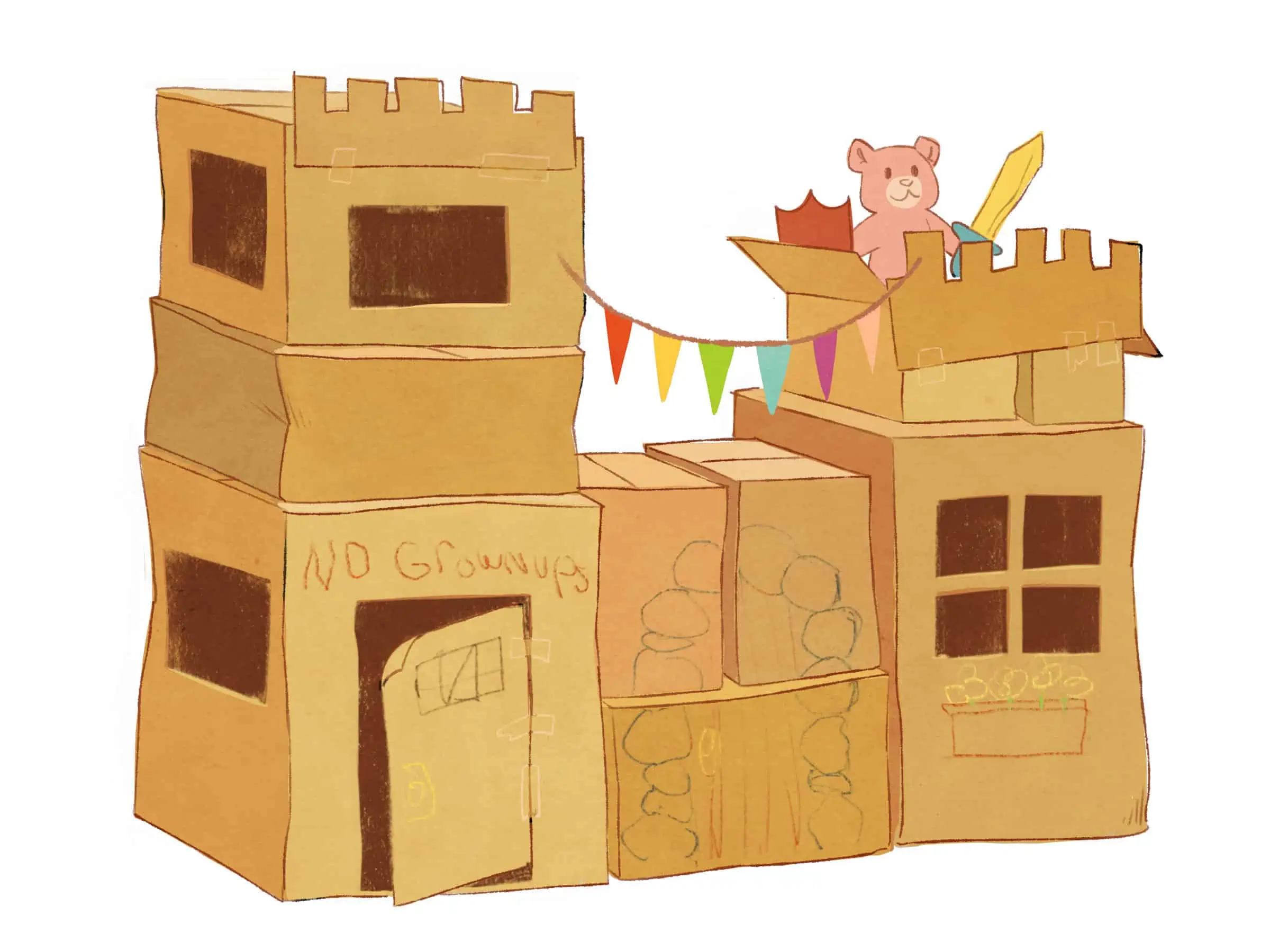
For kids, the boxes are the best part of moving. As you pack, come up with creative ways to use the boxes once you unpack. They might want to build a fort out of big boxes or turn little boxes into dollhouses. Let them mark each box they want to use with a “secret symbol” to remind them of the exciting possibilities.

Give Your Child a Special “Treasure Chest”

Make a treasure chest out of a cardboard box, and let your child fill the box with their most prized possessions. There are no rules — as long as it fits in the box, it can come. Let them draw all over it (and the rest of their boxes, too).


“[Asking the movers to load your child’s room last] gives your child as much time as possible in their private space. It also means their things will be coming off the truck first at your new home.”


Your child might not even open that chest during the trip, but that’s okay. Just knowing all their most prized possessions are still with them — or somewhere in the back of the car — may be enough to help them feel secure.

Of course, they’ll still want something to do during the hours or days until the movers show up with all of your belongings. Make sure you fill a backpack with books, paper and crayons, small toys, and other items that might be fun to have on hand.

Hire a Babysitter While You Pack

It is probably easier for everyone to get your kids out of the house while you pack. You can send them off to grandma’s for the afternoon, or schedule playdates with their friends, or hire a babysitter to take them to the zoo or a movie.

Fun activities take kids’ minds off the move, giving them a break from their emotions and the chaos of their schedules being disrupted. It also takes them off your hands, so you can get things done.


3. Managing Moving Day

The action on moving day can be a lot for your child. To protect them from the overwhelming activity and emotion, be prepared with a few kid-friendly solutions.

Assign a Kids-Only Room
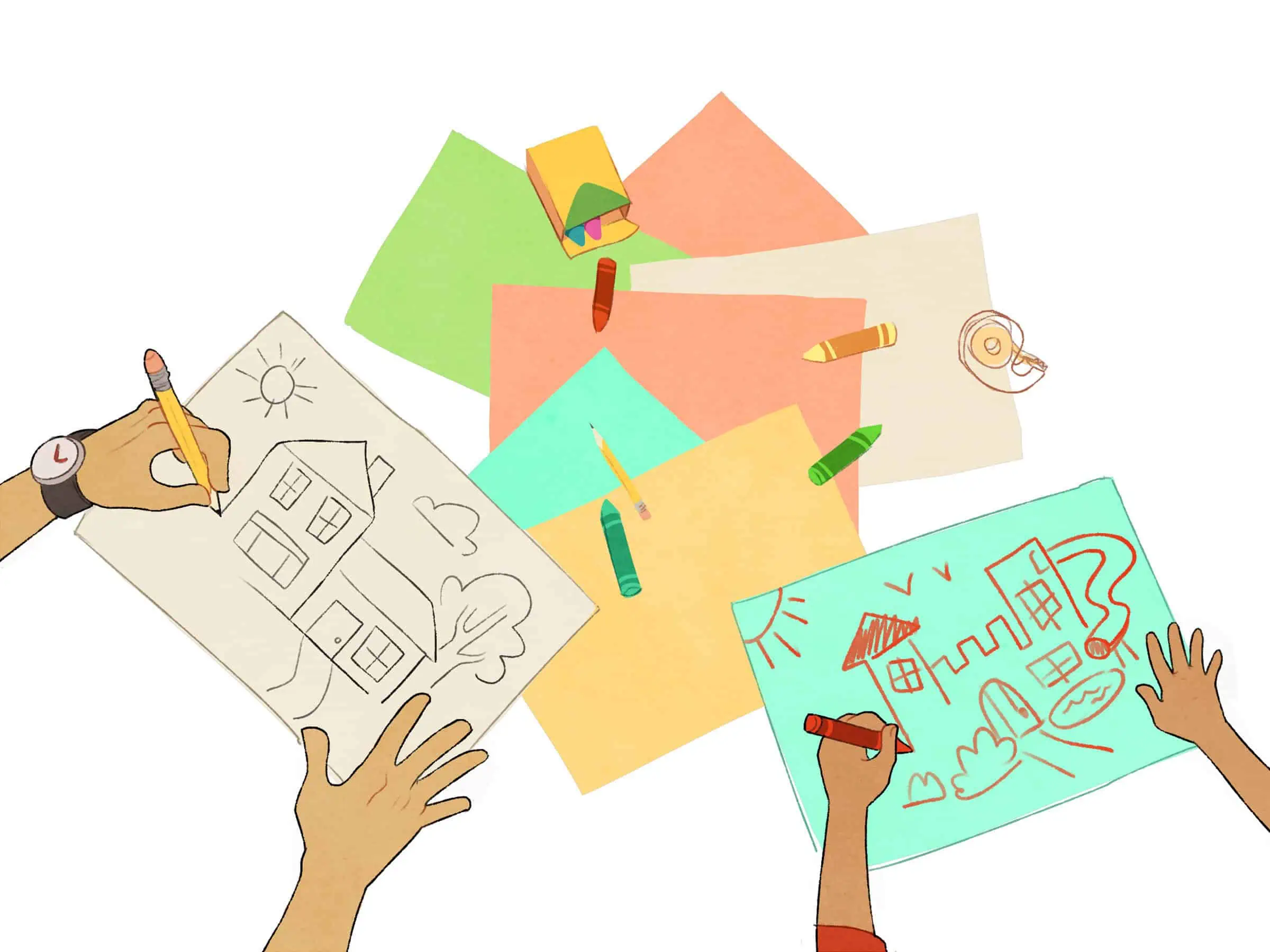
Choose one room that’s just for your kids on moving day, and stock it with toys, portable game systems, art supplies, or an iPad loaded with TV shows. Their bedroom is a good choice, as it’s where they’ll feel most secure. However, your kids probably won’t want to be cooped up in one room all day, so you should plan for other activities. For example, you could ask a family friend to play with them outside or walk to a nearby park.

Think about getting something new for them to have with them in their private space. Something as simple and compact as a Nerf basketball hoop, a stuffed animal, or a new movie can help keep them happy and busy. Then, they can take it with them to their new home.

Give Kids a Job on Moving Day

When your kids get restless, give them a job. You can ask them to open the door to each bedroom, bathroom, and closet when it’s time to show the movers around. They can also care for the movers by passing out bottles of water or paper plates for the pizza.

Younger children might need a task that feels more like playing. Spark their imaginations by explaining that the upstairs hallway and the pathways to the front door are the movers’ runways, and tell them they can help by keeping the runways clear.

Keep Their Tummies Happy

By moving day, your fridge will probably be empty and defrosted. Instead, stock a box and a cooler with food and drinks for moving day and the trip to your new home. Hit the supermarket for low-prep food items — cereal, yogurt and fruit, sandwiches and veggies, and, of course, sweet treats! Then, get something special for dinner, like pizza delivery or a Happy Meal.

While paper plates and cups are super-convenient when you’re on the road, they aren’t exactly comforting. Consider bringing your child’s favorite cereal bowl, dinner plate, or cup in the car to add a sense of comfort and continuity.

Ask the Movers to Load Your Child’s Room Last

This strategy gives your child as much time as possible in their private space. It also means their things will be coming off the truck first at your new home. It’s a small step that can make your kids feel happy and important as you make the big transition.


4. Traveling With Children

Just as your kids adjust to an empty house and a moving truck full of stuff, they need to tackle another challenge — traveling to their new house. Whether you’re moving across the world or down the street, you can help your child manage by making the journey comfortable, with a touch of fun along the way.

Car Travel Tips
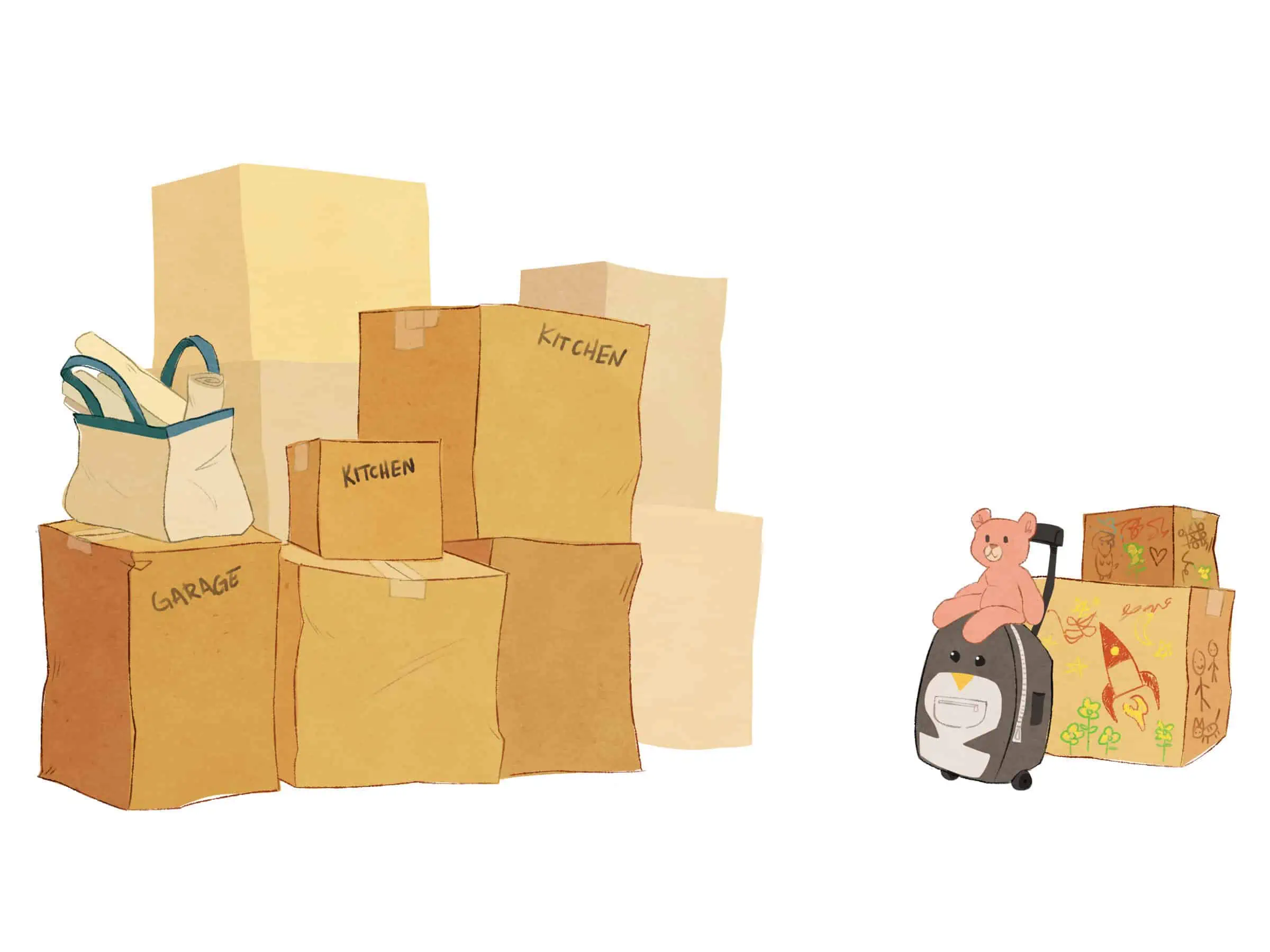
Instead of looking at the car trip like it’s a necessity, turn it into a memorable part of the move. Staying overnight? Book a hotel with a pool, and spend a couple of hours splashing around as a family. Or, stop at an interesting roadside attraction.

Keep in mind that road trips with kids always take longer than you expect and need more stops. Prepare by stocking the car with tasty snacks and essential supplies like wet wipes or extra diapers. You can even buy a new book or a car game to break out during the last few hours.

Air Travel Tips

With missed naps and kids running off energy in the airport, flying with kids can feel like a minefield. If possible, schedule flights to coincide with naptime. Your kids will fall asleep, and you can relax. Or, choose a plane with in-flight entertainment, and let the movie distract them.

Moving Day Survival Kit

Whether you’re traveling by car or plane, a bag of special treats can make all the difference in keeping your child calm and content. Load it with new candies, toys, games, and snacks. For older kids, toss in a book or a video game they’ve been wanting to try.

Here’s the secret — don’t show your child everything at once! Pull out a new item to reward calm behavior or to head off a tantrum.


5. Acclimate Them to Their New Home, Right From the Start

For adults, settling into a new home is already a big challenge. When you involve a child, the experience takes on a whole new level of difficulty and importance. Don’t be surprised if they melt down or act unusually emotional — they’re processing a huge emotional shift and need steady reassurance, patience, and comfort to feel secure.

Make an Event of Seeing Your Stuff Again

Welcome the movers, and celebrate as you pull out familiar items. There’s nothing like a favorite comforter or a box of toys to make a new house feel like home.

You can also get your child involved in the organization process. Ask them where they think the TV should go, help them arrange their bedroom, and talk about how they can decorate it. Work with them to imagine all the fun things you’ll be able to do in the family room, the basement, and the yard.

Put Off Unpacking Until You Tour the Neighborhood

Even if the unopened boxes are calling your name, take some time instead to help your child get accustomed to their new surroundings. Go for a walk together, say hello to your new neighbors, and check out the closest park.

At the end of the day, make sure they feel safe and secure in their new room. The rest of the house may still be a sea of cardboard and shrink-wrapped furniture, but your priority should be making your child feel at home.


6. Tips for Special Age Groups

Your kids’ ages can affect how they deal with moving. A teenager will have much different struggles than a toddler. Here’s how to create a better experience when moving with kids in different age groups.

Babies and Toddlers

Kids up to age 3 are highly affected by your emotions and the changes to their schedules. Try to stick to the same sleep and feeding times, even when you’re in the home stretch of packing. Keep a beloved blanket or stuffed animal on hand to make a strange place feel more familiar.

Preschoolers and Young Children

Kids this age love structure, so you might find that they’re more moody or irritable when you’re moving. They might have trouble sleeping, or you might notice some unusual behaviors. As with babies, it’s helpful to keep your child on schedule. Start creating new routines as soon as you move in, and involve them in unpacking and setting up their rooms.

School-Aged Children

At this age, the thought of being the new kid at school and finding new friends can bring your child (and you) on an emotional rollercoaster.


“Don’t be surprised if [your child melts] down or [acts] unusually emotional — they’re processing a huge emotional shift and need steady reassurance, patience, and comfort to feel secure.”


You can help by validating their emotions — let them know it’s normal and okay to feel scared or worried. Remind them that they’re an awesome and interesting kid, and tell them that the new school and neighborhood will be filled with lots of new friends. Signing them up for new activities can help them settle in — and make friends — faster.

Teenagers

Of all the age groups, moving is most difficult for teenagers. Leaving their social groups and activities can be heartbreaking, especially if it means they can’t graduate with their friends. Ease their anxieties by communicating about what to expect during the move. Make sure they know you’re there to let them vent and talk through their worries.


7. Handling Emotions and Challenges

There’s no getting around it: moving with kids is hard. As they say on airplanes, you should help yourself first. Prevent your emotions from affecting your kids by finding strategies for managing the stress of moving, whether that’s working out or meditating.

Once you’ve got yourself settled, you can help your kids deal with common challenges such as emotional stress, interrupted routines, adjusting socially, and educational changes.

Here are some tips to help your kids handle the emotions and challenges of a move:

  • Encourage communication and open expression: Giving your child a safe space to cry, rage, and yell can help them work through hard emotions and prevent meltdowns.
  • Release stress: Hitting balls at the driving range, jumping at a trampoline park, or running around in the park can release tension.
  • Celebrate your community: Give your kids time to hang out with friends and family before the move, and think about hosting a going-away party.
  • Stay in touch: Use FaceTime to help your child stay in touch with loved ones and deal with separation anxiety.
  • Involve your kids: Let your child participate in the move to help them feel in control. You could give them input on your new house or let them pick out a bed for their new room.

Finally, and most importantly, remember the first point: kids take their emotional cues from you. Your positive attitude will help your child feel calmer, even when the move feels hectic and challenging. And that works for adults, too.

Moving With Children Checklist

Things can get lost in the chaos. That’s why a checklist is important to keep everything top-of-mind, even when a lot of your focus is going to taking care of your kids. Use this downloadable PDF to keep things on track for you and your family:


How To Help Your Child Accept an Upcoming Move

Author:

Publish Date:

Last Modified Date:

Category: Kids & Pets, Moving Advice

Tags: Tags: , , , , , , , , ,

Moving is a big change for anyone. But if you have children, the process of moving can be more complex. Kids react differently to the process, and oftentimes they struggle with their feelings about it. At least at first.

So if you’re planning to move and have a kid who’s coming along, learn how to help them with the transition no matter their age.

Why Is Moving So Hard on Kids?

As an adult, moving is stressful. You have to deal with packing, hiring movers, relocating to a new area, and maybe changing jobs. But children have to deal with the disruption on top of not having a choice in the move happening at all. They’re at the whims of the adult reasons for moving, like new employment, divorce, or cost of living.

It’s important to keep in mind that a lot of distress can come from that feeling of helplessness. As a grown-up, you might understand why a move is necessary even if it’s unpleasant, but all children know is that they’re leaving behind a home and community that they have grown attached to, which can be confusing and anxiety-inducing.


“Bringing up the topic over the dinner table will cause far less stress than giving them the news when you’re driving to school. Wait until the whole family is gathered, and there’s not much else going on”


Moving also often requires a child to change schools. That means having to get to know new teachers and peers, and find a way to join new social groups. And if a move is due to divorce, there is an added layer of trauma that can compound the stress involved. That can add up to a lot of sudden life changes happening at once, and it’s easy for kids to get overwhelmed.

How To Talk To Your Kids About Moving

If you are planning to move, it’s important to talk to your kids beforehand and help them mentally prepare for the transition. Here are a few tips and suggestions to keep in mind:

  • Be upfront about the move: The more time you can give your child to adjust to the idea of moving, the better
  • Children may have different reactions: Some may be excited, others may be sad, and some might be frustrated. Try to be understanding and patient, and adjust your approach to how your child might be feeling.
  • Choose a time and place to have the conversation that feels relaxed: Bringing up the topic over the dinner table will cause far less stress than giving them the news when you’re driving to school. Wait until the whole family is gathered, and there’s not much else going on
  • Focus on the positive aspects of your move: Maybe there’s a cool new park across the street, a popular zoo in town, or the home is within walking distance of fun shops and restaurants. Your child getting the opportunity to decorate their own room is also something they could look forward to
  • Reassure your child: Let them know that they can come to you with any questions or concerns they may have, and listen to their feelings of sadness, loss, and anxiety

See prices for local moving labor. Read real customer reviews. Easily book your help online.

Before and After a Move: How To Make Each Step Easier on Your Child

There’s a lot going on during a move, and not only can a child’s feelings differ depending on whether they’re packing or realizing how unfamiliar their new home is, but how old they are can affect how they react to each change.

These general guidelines are a good place to start if you’re looking for a little insight as to what could come in the future from your child, or what might be behind some of their behavior.

Toddlers

Moving can be especially challenging for toddlers, as they are still developing their sense of self and are beginning to form attachments to people and places. Toddlers thrive on routine and predictability, so a move can be a distressing disruption. They may also experience separation anxiety when moving away from familiar people, such as caregivers and family members. That’s why it’s important to approach the situation with your toddler the right way, both before and after moving day.

Before moving day

  • Take your child to your new community ahead of the actual day of the move so they can see what it’s like
  • Maintain your toddler’s regular routine as much as possible
  • Pack their belongings last and unpack them first to minimize disruption
  • On moving day, be sure to bring along some familiar items, such as a favorite blanket or toy, to help your child feel more secure

After moving day

  • Stick to your former routine as much as possible in your new place
  • Keep connections with familiar people, such as friends and caregivers, through phone calls, video chats, or social media.
  • Go on short visits to common spaces that are free to access like parks, libraries, and community centers to help your toddler get used to your new town and make positive, fun associations with it
  • Try signing up for local playdates and parenting groups on social media, such as Facebook, Nextdoor, and community bulletin boards

School Aged Kids

Just because a child is older doesn’t mean moving is any easier on them. School-aged kids can better understand the moving process and what it means, but they also understand what they’re leaving behind more fully, and might struggle to adjust to a new school and area. Plus, moving can disrupt their education in general, as they may have to transfer and catch up on any missed material, which only adds to the general stress of moving.

Before Moving Day

  • Get them involved in the planning and decision-making process of the move, such as giving them a box to pack their special belongings. This gives them a better sense of confidence and control over the situation.
  • Discuss what your child can expect from the move early and often. That includes what their new school will be like
  • If your child is feeling hesitant about starting a new school, you can research it together and look up campus maps or Google Street Views so they feel more prepared.
  • To ease the feelings of loss if your child is forced to move far away from schoolmates, extended family, or friends, try throwing a pre-move get-together/going-away party at their favorite restaurant, play area, or park

After Moving Day

  • Letting your child pick out what color you’ll paint their room or how they want the furniture arranged can help get them excited about the new space
  • Starting in the middle of a school year, getting used to a new area, or homesickness for the old place may mean your child acts different than normal, or acts out completely. Give them space to feel these big feelings, but help them channel them into a productive activity, hobby, or sport
  • Plan something extra special for after their first day of school. They might not be comfortable or having fun right away, but you can ensure they have something to look forward to
  • Check-in on how they’re doing during the first few weeks. Games like High Low Buffalo can help make conversation easier without feeling like their parents are giving them the third degree

Teens

Moving can be particularly hard on a teenager. They often have strong social connections with their peers, so moving away can make them feel like they are losing their sense of identity and community.


“As a grown-up, you might understand why a move is necessary even if it’s unpleasant, but all children know is that they’re leaving behind a home and community that they have grown attached to, which can be confusing and anxiety-inducing.”


Teenagers are in the process of developing their sense of self, which moving can disrupt they may feel like they have to start over and redefine themselves in their new surroundings. Teens can also have a hard time leaving behind support systems like friends, teachers, mentors, and other adults who have been important in their lives.

Before Moving Day

  • Break the news gently — but soon. Discussing the move early will give you plenty of time to help your teen feel comfortable and prepared
  • Keep their social connections intact by supporting old friendships after the move. Try helping your teen organize a going-away party, a housewarming get-together at the new place, or game/movie nights online
  • Teens value independence, so allow them to make their own decisions as much as possible. They can pack their own belongings, set up their new room, and choose which electives or advanced courses they’ll take at their new school

After Moving Day

  • Give your teen time to decompress. Allowing some leeway on less-important chores or other tasks will help them adjust much faster
  • There might be an activity, job opportunity, or extracurricular in the area of your new place that wasn’t at your old one. Even if there isn’t, help your teen rebuild their social network by asking what they’d like to participate in and assist them with the process
  • At a time they could use them the most, much of a teen’s support system made up of teachers, mentors, and other adults who have been important in their lives might still be near their old place. As with friends, keeping in touch with these people is important to help your teen transition to their new home.

Remember, you know your child best! Adjusting any of this advice to something that works for you and your family is the right course of action. And if you notice your child struggling to cope with the move, don’t be afraid to enlist the help of a professional. A counselor or therapist can help your child work through their feelings and adjust to the changes.

There might be some rough patches, but with a little help, your child can settle in and thrive whenever your upcoming move takes them.

Outfitting Your House for a Child With a Disability

Author:

Publish Date:

Last Modified Date:

Category: Home Improvement, Kids & Pets

Tags: Tags: , , , , , , , , , , , , ,

Are you outfitting a home for a child with a disability? The U.S. Census Bureau reports that around 12 percent of the population is disabled while the PEW Research Center puts that number even higher. That means while only 5.4 percent of children five to seven years old are disabled, they still comprise a pretty large part of the population.

For those children, having a home that they can feel comfortable in is very important. Outfitting your home for a child with a disability, however, can be a nuanced process. Each type of disability is different and each requires special modifications to the house. Home modifications for disabled kids can also be costly depending on the amount of work that needs to be done.

If your house needs modifications because of a disabled child, or you’re looking for ways to create a space where your child with a disability can lead a safe and happy life, this guide will help. We’ll discuss the most common impairments and adaptations that can be made for every situation.


Creating a Space Where Disabled Kids Can Thrive

Creating a Space Where Disabled Kids Can Thrive

Whether you recently acquired your new ability status, have moved into a house that needs updates or have a sudden need to make your home accessible, it’s important to assess the needs of your disabled child.

You will want to create a space where your disabled kid can feel at home, feel safe and free to be themselves. It’s important to consider the safety of each room, as well as the exterior of the house and common spaces. Consider your child’s unique needs and how you can make your house safer for them.

Adapting a Home to Medical Equipment

Adapting a Home to Medical Equipment

If your child will need medical equipment or medications, there are a few things to consider, such as safe storage for medical supplies and medicines. You may need to add outlets or additional power options if your child’s medical equipment is powered by electricity.

You must also consider whether your child’s equipment needs a backup power source. Would they need a generator during a power outage? If so, you should have one or two on hand. If your house has stairs and your child is mobility challenged, you may need a stair lift to ensure they have access to the whole house.

Staying in Budget when Modifying Your House

The cost for accessibility modifications can be anywhere from $1,600 to $14,160. Since there are such a variety of customizations, the gap is quite large.

Some children may struggle more than others. If you need to buy multiple pieces of equipment or make extensive modifications, it can get very expensive. When purchasing the equipment, consider which purchase is more important. Those that are life-sustaining or give your kid mobility will be the most important—prioritize these.

If you are having trouble affording the equipment you need, consider a loan. If you own your house, you may be able to use its equity to make modifications to it. The first step is to get a cost estimate from a contractor, then talk to your bank about acquiring the funds.

Staying in Budget when Modifying Your House

Undertake as many of the projects as you can on your own. Modifications such as grab bars and stepping stools can be easy to DIY. Contract out what you can’t do yourself with a local handyman or contractor and compare prices.

Since children grow fast, it can make more sense to buy secondhand equipment. Talk to your doctor first to discuss whether or not the items you need are safe to buy secondhand. If they are, you can look for used mobility equipment, therapy toys or adaptive furniture on Craigslist in your area. Medical equipment that must be sanitary is not a good choice for this option.

When to Move Instead of Modify

Modifying a house for a disabled kid can be difficult. Making renovations can get costly, so sometimes it makes sense to move into a house that is already accessible. If the costs to modify a house far exceed its worth, it may not be smart to modify.

If serious modifications are needed (like taking out walls or widening hallways), it can drive costs up fast, making it more affordable to move. If you live in a two-story house and your child cannot get up the stairs (or use a stair lift) on their own, it may be smart to move into a one-story house.

If the layout of your house does not allow for the necessary modifications or if the rooms are too small to accommodate your medical equipment, it may be time to move.

Talk to your real estate agent about new home options that are more fitting for your needs and compare costs of purchasing vs. modifying.

Modifications for Children in Wheelchairs

Modifications for Children in Wheelchairs

Your child in a wheelchair will have very different household needs compared to a child who is visually impaired or has cognitive struggles. Thought should be given into what modifications will make it easier and safer for your child in a wheelchair to get around.

Flooring

Throughout the house, flooring should be non-slip, which includes hardwood flooring, laminate flooring, most ceramic flooring and vinyl flooring with an embossed surface. Laminate flooring is a popular choice, as it is very durable and scuff marks are easily removed. If selecting carpet, low pile carpet should be used.

Exterior Modifications

Modifications will likely need to be made to the exterior of the house to make it safe and easily accessible for your child in a wheelchair.

  • The front door should be widened to at least 36 inches to follow ADA recommendations for doorways.
  • You will need to install an entrance ramp if there are stairs outside your house. The entrance will need to be step-free, meaning a level threshold, or have a small ramp to make it easier for your child to enter. There are many different options for wheelchair ramps.
  • Concrete and sidewalks outside should be level and outfitted with traction control.
  • There should be nothing blocking the entryway or path to the entrance. It’s best to have a five-foot square space in the entryway for the wheelchair to maneuver.
  • Motion sensored lighting will make it easy for your child to access the entryway at all hours.

Adapting a Home to Medical Equipment

Doors, Hallways and Stair Modifications

Again, it’s incredibly important for your child to be able to move around inside the house easily.

  • Hallways should be wide enough for a wheelchair to navigate through (at least 42 inches).
  • Doors throughout the house should be a minimum of 34 inches but preferably 36 inches.
  • In some situations grab bars on either side of the stairs will work, especially if it’s a small stairway. Larger stairways may require a stairlift installation.

Kitchen Modifications

Since your child will not be doing the bulk of the cooking, kitchen modifications don’t need to be as extensive as they would be for a disabled adult. But there are still a few modifications that can help your child feel welcome and at home in the kitchen.

  • If your child will be able to warm things up for themselves and get snacks, it’s important to have at least one low cabinet or pull out drawer that they can utilize. This should also house something to eat on and utensils.
  • If possible, have a wide open floor space so that your child can easily navigate the kitchen.
  • There should be a kitchen table of appropriate height so that your child can pull up and eat, work on homework or craft.
  • It would help to have a grabber device in the area so that the child can grab any snacks that are out of reach or light items they need.

Kitchen Modifications

Bathroom Modifications

The bathroom can be one of the most dangerous areas in the house due to slipping hazards and will likely require significant adjustments for a child in a wheelchair. Since each situation will be different, it can be helpful to watch your child maneuver the area and see where they are struggling. You can add grab bars and make modifications as they are needed. You will also want to:

  • Ensure your bathroom is large enough for a wheelchair to turn around in.
  • If possible, eliminate any edge or obstruction that would make it hard for them to get into the shower. Doorless showers can make it easy for a child to get in and out of the area to wash.
  • Install grab bars along all sides of the shower so that your child can get themselves in and out easily.
  • Place a seat inside the shower and position it so that your child can move easily from their chair to the bench.
  • Make sure the floor has a no-slip pad to prevent injuries associated with slipping.
  • Modify your sink for wheelchair access by either lowering it or reinforcing it to hold the weight of someone leaning on it.
  • Lower the mirror so that someone in a wheelchair can see into it.
  • Install grab bars by the toilet so that your child can easily maneuver onto it. The toilet area should be around 48 by 56 inches with at least 18 inches from the side wall.

Living Room and Bedroom Modifications

The living and bedroom areas should be positioned so that it’s easy for your child to move about.

  • Arrange furniture so that there is nothing obstructing pathways in the house. Keep electrical cords off the floor.
  • Designate a spot in the living room where your child can park their chair to join in on the activities.
  • Avoid having area rugs as these can obstruct a wheelchair.
  • Make sure there is ample room for your child to turn around and move freely in a wheelchair. Open-concept floor plans are great for this.


Modifications for Visually Impaired Children

Modifications for Visually Impaired Children

Modifications for a visually impaired child should make it easier for them to navigate the house or evacuate in case of an emergency. Fortunately, modifications for the visually impaired can be done more easily and are often less expensive than modifications for the mobility challenged.

Exterior Modifications

The exterior of the house should be modified for safety when your child enters or leaves the home or spends time outdoors.

  • The areas around the house should be well-lit and free of debris or things your child can easily trip on.
  • It’s helpful to have grab rails available to your child if there are any stairs or steps up into the house.
  • Keep items like tools or toys stored in the same area.
  • Move fragile or dangerous items into a locked shed or garage.

Doors, Hallways and Stair Modifications

Any area that your child will be traveling through often will need to be cleared of debris and safe for them to move about.

  • Tack or tape down any rugs or runners. Add non-slip mats underneath if you are able.
  • Tape down any electrical cords or ensure they are not laying where your child can trip on them.
  • Keep hallways and stairwells well lit.

Doors, Hallways and Stair Modifications

Kitchen Modifications

The kitchen can be a particularly dangerous place for the visually impaired. These modifications can help reduce the chance of injury.

  • Food, drinks and anything consumable should be labeled very clearly. If your child is blind or has extremely limited vision, you will need to label food items with braille. Here is a website that goes into extensive detail about labeling food items for the visually impaired.
  • If your child will be heating up snacks or doing small cooking tasks, label the microwave or dials on the stove top. Make sure everything they will need is always in the same location.
  • Keep dangerous things like knives and medication out of reach so your child can’t grab them.

Bathroom Modifications

The bathroom can also be dangerous for children who can’t see well (or at all). You can prevent injury by making sure special modifications are in place.

  • Install a safety rail at the edge of the tub or in the shower.
  • Mark their toothbrush with a rubber band or piece of tape so that it is easily identifiable.
  • Buy towels and mats that have contrasting colors to the floors and fixtures in the bathroom. All mats should be non-slip.
  • Use non-slip surfaces on the floor of the shower or tub.
  • Purchase non-spill dispensers for soap, shampoo and other liquids.

Living Room and Bedroom Modifications

Your child should feel the most at home in your living areas and bedrooms. There are several modifications you can make to the room so that finding needed items becomes second nature to your visually impaired child.

  • Use textures whenever possible so that your child can distinguish between things more easily.
  • Keep all pathways clear of obstructions that your child could possibly trip over. Make sure other children in the house are aware that they will need to pick up after themselves consistently.
  • Avoid area rugs or install non-slip rugs in common areas.
  • Make sure everything your child would need has a “home” and try to remember to put it back after you’re done using it every time. Teach your children to do the same.
  • Remove low-lying objects like coffee tables and ottomans that your child could trip over.


Modifications for Children with Sensory Concerns

Modifications for Children with Sensory Concerns

Sensory processing issues like hypersensitivity or hyposensitivity can be caused by a number of reasons. For children with sensory processing issues, dealing with sensory information can be confusing and at times frustrating. They may exhibit resistance to change and trouble focusing, problems with motor skills, lack of social skills or poor self-control.

If you have a child with sensory needs, you will need to outfit your house so that it feels like a safe space for your child.

Throughout the House

Sometimes, even the normal hustle and bustle of a home is too much for a child with sensory issues. There are things you can to do tone down the intensity of your house so your child can function properly.

  • Paint the walls in your house with neutral, soothing colors and avoid bright, bold colors.
  • Install light dimmers so that you can dim the lights when needed.
  • Keep your home free from clutter and unnecessary decor to cut down on the distractions.
  • Avoid having candles or diffusers that may emit strong odors.
  • Use weighted blankets in your child’s bedroom so that they can sleep better.

Create a Safe Space

Create a Safe Space

It’s a good idea to have a safe space your child can retreat to if they need a moment to regroup. A “sensory corner” that is quiet and stocked with cozy, comfy things is a smart idea.

Pick a corner that is dim, quiet and warm. You could even consider building a little “fort”. They sell fort beds, but you can also get creative and make a DIY fort.

Fill it with blankets and pillows, quiet, imaginative toys, squishy seating like bean bag chairs, and books or some music they can listen to.

Provide for Sensory Input

While some children thrive with sensory avoidance, others actually need sensory input. If you have a sensory seeking kid, your home can become damaged as your child explores their surroundings seeking different sensations.

Create safe spaces for sensory experiences by adding things your child can play on like a trampoline for jumping or safe, padded spaces for jumping into. Noisy toys, seats that wiggle and bounce or any kind of toy where your child can create sensory experiences is helpful. Each child will be different, so keep an eye on your child to decipher their specific needs.

Modifications for Autistic Children

Modifications for Autistic Children

New studies report that around 1 in 68 children in the United States are on the autistic spectrum, with the majority of them being male. Cases can range in severity, so it’s important to assess your child’s individual needs and outfit your home accordingly.

Exterior Modifications

There are several things you can do to ensure that the exterior of your house is safe for your autistic child. It is common for autistic children to want to be outside and in motion, so leaving the home to go outside unsupervised is sometimes an issue.

Use locks and alarms on doors and windows so that you will be alerted when your child enters and exits the home. You will also want to make sure your yard is safe from dangerous items like yard-work tools or sharp objects.

Kitchen Modifications

Kitchen Modifications

The kitchen can become a dangerous place for an autistic child if the proper precautions aren’t taken. There are a few things you can do to make it safer and more difficult for them to injure themselves or others.

  • Install durable surfaces and keep breakables out of reach. If your child has an outburst or participates in exploratory behavior, they can be destructive in the kitchen.
  • Arrange kitchen furniture so that your child has an appropriate place to sit and work if they need to. Keep furniture away from shelves and anywhere else that they could possibly climb.
  • Label things to explain their function or enforce rules. Images that say “STOP” or “NO”  work well to deter your child from getting into things they shouldn’t. You can place these on doors that are not to be opened or containers that hold poisonous substances. Cleaning supplies should be locked away in these drawers or cabinets.
  • Put sharp items such as scissors, knives or any other sharp tools high up or secured in a place where your child can’t access them.
  • Keep lighters or matches locked up so your child doesn’t burn themselves while exploring their world.
  • Store things in cupboards or pantries as much as possible to cut down on clutter which can upset autistic children.
  • Buy appliances with safety features such as child locks or hidden controls.

Exterior Modifications

Living Room, Bathroom and Bedroom Modifications

In the rest of the house, you will want to use special precautions to make sure your autistic child doesn’t harm themselves or cause damage to your house.

  • Avoid using fluorescent lighting as these can tire autistic children out. Choose incandescent lighting whenever possible.
  • Build a playroom or safe play space where they have free reign. Create an environment where it’s easy for your child to focus on you or their learning activities and explore the world around them.
  • Reduce visual stimulation by coloring the rooms neutral or soothing colors and keeping the home clutter-free.
  • Make electrical outlets safe by placing plastic covers over them when they are not in use. You will want to ensure that wiring for electronics is concealed in a way that the child can’t access the wires.
  • Appliances can be made safe by using plastic child-proof knob covers for doors, faucets, ovens and stove burners. Lock the door to rooms that house the washer and dryer or power tools.
  • Organize functional items in see-through plastic bins so that your child knows where everything is. Use visual labels like symbols or photos to mark these bins.
  • Use visual signals to help your child understand limits and set expectations. Using colored tape to designate boundaries on carpets, floors and walls can visually remind children where their bodies should remain.
  • Make fire safety a priority and always keep matches and lighters out of reached or locked up. Supervise your child closely when there is a fire in the fireplace or a barbecue with open flames. Make sure smoke detectors are always working properly.


Resources for Parents of Special Needs Children

Resources for Parents of Special Needs Children

There is a wealth of information available for parents of special needs children on the internet. Whether you’re interested in learning more about the needs of your child, gaining financial assistance or looking for emotional support, there is something available. We’ve listed some of our favorites below.

General Information and Support

  • Care.com has a number of helpful resources for parents of children with disabilities.

Financial Resources

×

I'm Moving

Moving? Thinking about moving? Whether your move is off in the distance or you already have one foot out the door, you'll learn about everything you should expect through our useful how-to's, cool articles and much more. It's all specially curated for you in our "I'm Moving" section.
Explore
×

I'm a Mover

For rookies or veterans alike, our "I'm a Mover" section is filled with extensive industry news, crucial protips and in-depth guides written by industry professionals. Sharing our decade of moving knowledge is just one way we help keep our professional movers at the top of their game.
Explore