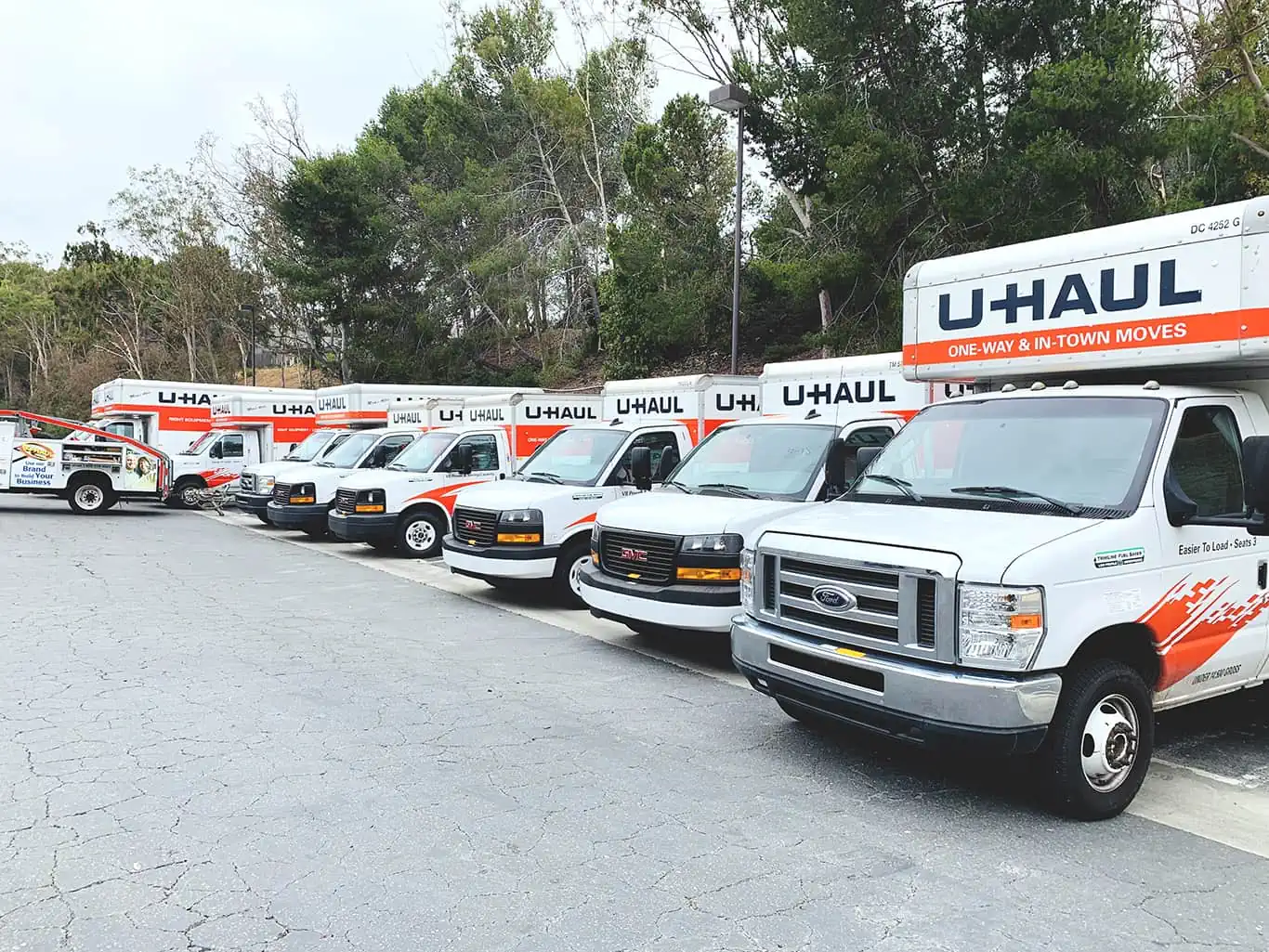
The easiest way to get the best rental truck is to know a few things ahead of time: what size you need, what your budget is, and which company you want to use. Few people would argue that moving is a huge undertaking, especially if you’re DIY-ing it all. And undoubtedly, the most important part of planning is renting the truck that’s going to transport you and your stuff to your new home.
The process of renting a truck is pretty easy, but finding a good deal on a truck that’s both reliable and big enough to hold all your belongings is the challenge.
Read on to find out how to snag a rental truck that fits your needs, preferences, budget, and — most importantly — your stuff, no matter if you’re hiring labor-only movers or doing a full DIY move.
Figuring Out What Size Truck You Need
Before you book, figure out exactly how much space you need in the truck to haul all of your belongings. Finding out your stuff won’t fit in your U-Haul is a huge hassle and a bigger expense if you end up having to take two trips.
Rental trucks come in certain sizes, and they’re usually tied to how many rooms your home has. For example, studio apartments can fit in a 10-truck, while 4 or 5 bedrooms could require 26. And it’s not just the size of your home that matters. If you live a minimalist lifestyle, you might be able to get away with a smaller truck, but if you have an attic/basement and a ton of furniture, you may need a size up.
Here’s a look at standard moving truck sizes and approximately how many boxes and furniture items they can hold:
If you find yourself waffling between sizes, always go with the bigger one. Thedifference in price is negligible compared to what a second trip would cost, and will more than compensate for the stress of not knowing if all your stuff will fit.
Local vs. Long-Distance Moves
The distance of your move can affect the truck size you choose. If you’re moving locally and you accidentally get a truck that’s too small, you can make another trip (although that gets expensive). That’s not an option for long-distance moves.
Some contracts include unlimited miles, while others charge by the mile. Figure out how far you’ll be driving, and run the price calculations before making a final choice.
“Most providers require you to be at least 18 to rent a moving truck, though some may limit truck rentals to people aged 21+. You’ll also need a valid driver’s license.”
For long-distance moves, it’s also important to book your moving truck in advance. Aim for 2-3 months out, especially if you’re moving in the peak summer season. You’re more likely to get the size you want, and you won’t need to rush to find a last-minute rental.
Comparing Rental Truck Companies
Some of the top truck-rental companies in the U.S. are U-Haul, Penske, Budget, and Enterprise. Each one has a nationwide presence, which means it’s pretty easy to find a branch in most areas. You can also consider Ryder for business moves.
All major rental truck companies offer a variety of truck sizes, and many offer both local and long-distance moves. Enterprise, however, doesn’t allow one-way truck rentals.
As you’re choosing a provider, consider the fleet condition, mileage policy, and additional fees. Mileage is especially important if you’re moving long-distance.
Unlimited miles for one-way rentals, $0.99-$1.49 per mile for local miles
One-way moves include base mileage plus a fee for additional miles — $0.80 per mile if purchased in advance or $1.00 per mile otherwise. For local moves, fees are usually $0.79 – $0.99 per mile.
Local moves incur a per-mile fee ranging from $0.29 to $0.79.
Fees
Environmental fee
Environmental fee, recovery fee
Recovery fee, fleet management fee
Security fee, recovery fee
Best Use Cases
Local moves, one-way moves
Long-distance moves
Local and regional moves
Local moves
Whose Trucks Are the Most Reliable?
Overall, Penske seems to have the best reputation for clean, reliable trucks. Their fleet is the newest, and their trucks are fuel-efficient and high-quality.
But you can find good and bad reviews on every rental company, so it’s important to do your research. And keep in mind that a lot of reviews are heavily tied to the region. A truck company might have a stellar reputation overall, but the branches near you have poor reviews and customer service.
Reliability matters for the company, too. Forbes recently conducted a comprehensive survey of five nationwide rental companies, and Penske came out on top there, too.
Again, your results may differ! There’s also availability to consider, as well as other company rules or services that could make a specific truck rental less than ideal for your move.
Rental Truck Cost Breakdown
Rental truck prices vary considerably based on the type of move, location, and distance. Every company has its own pricing structure, and things like mileage and base fees can vary by location.
The typical breakdown of a standard rental truck cost goes like this: Total cost = Base rate + mileage + fuel + one-way fees + surcharges.
But if things like base rate and mileage are different between companies, how much does a moving truck really cost? Should you go with Penske or choose between Budget and U-Haul?
We’ve broken down the costs for each moving company. This data comes from our proprietary internal Rental Truck Cost Database, which includes more than 10,000 real rental truck transactions from HireAHelper customers.
Comparing Costs and Truck Types for Major Nationwide Rental Companies
Companies
Budget
Penske
U-Haul
Enterprise
Reviews
4.5/5
4.8/5
4.8/5
4.77/5
Local Moves
$79
$149
$131
$92
Regional Moves
$472
$884
$777
$550
Long Distance
$928
$1,741
$1,530
$1,083
Truck Sizes
Pickup, cargo van, 12 ft, 16 ft, 26 ft
Cargo van, 12 ft, 16 ft, 22 ft, 26 ft
Pickup, cargo van, 10 ft, 15 ft, 17 ft, 20 ft, 26 ft
16 ft cabover, 24 ft box, 26 ft box
Gas Mileage
Up to 10 to 19 MPG
Up to 12 to 13 MPG
Up to 6 to 14 MPG
Up to 12 to 24 MPG
Locations
2,800+
2,500+
21,000+
460+
Which Company is the Cheapest?
Mileage costs make a difference, and even the cheapest moving trucks can get pretty expensive if you’re going a long way.
For example, take U-Haul and Penske. We did a side-by-side comparison of the two by performing the same move. For a short local move, U-Haul will most often be the cheaper option. Penske, with its fuel-efficient trucks and unlimited mileage for one-way moves, can prove the more economical choice for longer moves.
You can also check out our cost comparison of Penske, U-Haul, Budget, Enterprise, and Ryder.
Keep in mind that your final quote may depend on a few additional factors:
Number and quality of trucks available
Where you live (prices may be higher in high-demand cities or regions)
Where you will be dropping your truck off (for one-way moves)
Your scheduling flexibility
Ways to Get a Better Deal on Your Rental Truck
When it comes to renting moving trucks, prices aren’t set in stone. Here are a few ways to save:
Pick your moving day wisely. When demand rises, so do costs. Off-peak weekday and mid-month rental can save you both stress and money. For more, check out our guide on the best time to move.
Find a dealer somewhere out of town. Smaller branchesout of majors town might be eager to have your business and make a deal.
Consider a round-trip rental. You might be able to score a deal by leaving your car behind, moving, returning your rental, and driving back. Your savings may be offset by the extra time and gas, however, so weigh your options carefully.
Ask about high-priority locations. If you can return the truck to a location convenient for them, the company might give you a good deal. For example, if you’re moving to Eugene, Oregon, you could save by dropping your truck off in Portland.
Make phone calls. Call and ask about deals that don’t show up online. Be friendly and persistent — you never know what could happen.
Urban Moves: Permits, Parking, and Clearances
Truck parking is limited in cities, so check to see if you need permits to block off parking spaces. If you live in an apartment, you might also need to reserve the loading dock or elevator. Always avoid blocking driveways and roads, and respect other residents by loading efficiently.
Check the rules if you’re moving in or out of an HOA, since many of them restrict where you can park and when you can move.
Before you hit the road, know the clearance height of your moving truck. Then, map your route using a tool like Low Clearance Map or the U-Haul app to check for low bridges to avoid.
Equipment and Add-On Checklist
Whether you’re hiring movers or doing everything yourself, you’ll probably need some moving supplies. After all, the right equipment can make your moving day run a lot smoother.
Here are some supplies to consider:
Dollies: These wheeled platforms are ideal for heavy boxes or furniture
Furniture pads: Use these to wrap furniture and prevent scratches and nicks
Straps: Useful for holding down furniture pads and securing heavy loads inside your moving truck
Ramps: These make it easier to move heavy items in and out of the truck box
Your rental company may be able to include some supplies with your truck. Alternatively, check with local moving and home stores.
Safety and Driving Tips
If you’re new to big trucks, driving one can feel intimidating. To feel more confident on the road, think about practicing in an empty parking lot.
You can also learn the best practices for driving one before you get behind the wheel. Here are some skills you’ll need:
Turns: Trucks have a big turning radius, so give yourself plenty of clearance.
Braking: It takes longer for loaded trucks to stop, so drive slower, keep a larger following distance, and brake early and gradually.
Fueling: Verify your truck’s fuel type and fuel cap location before you get moving.
Height and weight limits: Write your truck’s height and gross vehicle weight rating (GVWR) on a sticky note, and keep it in the cab for quick reference.
Take time to adjust your seat and mirrors and get familiar with the controls before you start. And remember that driving a moving truck can be tiring, so make sure to take plenty of breaks.
Towing Options Overview
If you’re moving with a personal vehicle, you might want to tow it with your moving truck. This can be a great option if you’re doing a long-distance move alone, or if you have more vehicles than drivers.
For small, front-wheel drive vehicles, a car dolly might be a good option. It lifts the front wheels off the road. A flatbed car trailer lifts all four wheels, making it a good option for pretty much any vehicle.
To tow a car, your moving truck will need a hitch that can handle the weight. Ask the moving company which trucks are compatible with your specific vehicle. Keep in mind that your trip will probably take longer — many companies recommend a maximum speed of 55 MPH for car trailers and dollies.
Requirements and Policies Primer
Most providers require you to be at least 18 to rent a moving truck, though some may limit truck rentals to people aged 21+. You’ll also need a valid driver’s license.
Plan to reserve your rental with a credit or debit card, and expect an additional hold of about $100 to $500 for a security deposit. Some companies will accept cash, but you may need to make a larger deposit.
“For a short local move, U-Haul will most often be the cheaper option. Penske, with its fuel-efficient trucks and unlimited mileage for one-way moves, can prove the more economical choice for longer moves.”
In general, you’ll need to return the truck with the same amount of fuel it had at pickup. Otherwise, you’ll pay a fee. Companies may also charge a cleaning fee if the truck is returned dirty.
Many truck rentals require proof of insurance. Your regular car insurance might cover smaller vehicles, but you’ll probably need supplemental insurance for bigger trucks. You can purchase several types from the company:
Collision damage waiver (CDW): Covers damage to the truck
Cargo protection: Reimburses you if your stuff is damaged
Medical insurance: Provides extra medical coverage if you’re hurt
Planning Your Best Rental Truck Experience
To make your rental process go smoothly, make sure youcompare quotes from a few different providers, and think about booking an off-peak moving day to save money. And no matter what type of move you’re planning, try to book early to get the best deals and availability.
When you pick up the truck, inspect it carefully. Report and document any damage to the company — this simple step can protect you from future claims. Trucks are expensive, and a little legwork up front can save you a lot of money down the road.
Frequently Asked Questions
How do I estimate which truck size fits my move?
In general, small trucks (10 to 13 feet) fit studio apartments, medium trucks (14 to 17 feet) fit 1 to 3 bedroom homes, and large trucks (18 to 24 feet) fit 3 to 4 bedroom homes. Your perfect size depends on how much stuff you have, so use your moving company’s load calculator for a more accurate estimate. When in doubt, opt for a bigger size to give yourself some buffer space.
Can I pick up my rental truck the evening before my move?
Yes, many rental companies allow evening pickups. It can depend on availability, however, so consider calling the day before your move to check if your truck is ready for pickup. Some companies offer this service for free, while others require a small charge.
What insurance coverage do I need for a long-distance move?
Personal car insurance and credit card insurance policies often exclude box trucks, so confirm with your provider to be sure. To avoid paying out-of-pocket for damage, you can buy a collision damage waiver directly from the rental company. Some providers also offer higher-tier coverage for your belongings and the people inside the truck.
Are there age or license requirements for renting a truck?
You’ll need to be at least 18 to rent a moving truck (21 in some cases), but a standard driver’s license is acceptable for most truck sizes. Some companies charge additional fees for drivers under age 25. Keep in mind that most providers require an additional security deposit, which is charged as a hold on your credit or debit card.
A “no-show” happens when your movers are more than 15 to 30 minutes late without calling you, and the first thing you should do when this happens is to call the company for an update. If they don’t answer, it’s time for Plan B. You might need to find new labor quickly or rent a truck yourself.
While most delays are just due to traffic or bad weather, you still need to know when to wait and when to move on to a backup plan. This guide will help you find a fast solution to get your move back on track without losing your cool in case your movers don’t show up.
Immediate Steps When Movers Are Late or Absent
If your movers are late, don’t panic. Start by checking your email to confirm the date and time. Small delays often happen due to traffic or gas stops. At this point, it’s important to stay calm and keep a log of every call you make. This helps if you need a refund later.
If the delay lasts longer than a handful of minutes, follow this timeline to know exactly what to do:
Moving Day Delay Timeline
Timeframe
What to Do
15 minutes
Check your phone for messages. The company may have already tried to contact you to explain the situation.
Call the company to ask for an update. They might just be stuck in traffic or finishing a quick stop.
1-2 hours
Keep calling until you reach someone.
Write down who you spoke with, if you managed to reach them.
Same day
Review your contract for delay policies.
Start looking for backup help. You can check HireAHelper’s marketplace to see if other local movers are available on short notice.
Next day
Treat this as a no-show, and start documenting everything.
Request a refund or file a claim.
Secure new movers through a trusted marketplace like HireAHelper.
There’s a big difference between a late crew and a total no-show. A late crew will eventually call you back with an excuse. But if the sun goes down and they haven’t gotten in touch with you, they’re likely not coming. In that case, you need to switch to your backup plan immediately to keep your move on schedule.
Verify Booking Details and Contact Dispatch
Double-check your email to confirm your move date, time, and address. Then call the mover’s dispatcher directly for updates. If you booked through the HireAHelper platform, reach out to our support team for quick help.
Document Every Interaction
Keep a detailed log of every phone call and text message. Write down the names of anyone you speak with and the time of the call. Save written emails and take timestamped photos of your packed items to help with any future claims.
Your Backup Plan if Your Moving Help Doesn’t Show
If your moving company is late or doesn’t show at all, that likely means you no longer have hired help to assist with your move. How you tackle this depends on the nature of your relocation.
For a local move: It’s time to activate your local network. Call friends, family members, long-time coworkers, or reach out through your church group or neighborhood social media page. Explain the situation and see if anyone is available to jump in. HireAHelper may also be able to help you find same-day movers.
For a long-distance move: You may need to hire help at your destination unless you already have friends in your new city. Just like with local moves, HireAHelper may be able to assist in booking moving labor at the last minute, so don’t hesitate to reach out for professional assistance.
If you planned on handling some of the move yourself, you may also:
Rent a truck and drive it yourself.
Reschedule your move through a more reliable company. HireAHelper can connect you with a trusted provider, ensuring a smooth and dependable move without any bumps.
Before moving day even happens, it may be worthwhile to begin formulating your plan B while you’re putting together plan A. Take note of your second and third choices of moving companies just in case. Let friends and family know your move date, your general plan, and that you may need some last-minute help.
My Stuff is Missing — Now What?
If the issue evolves from movers being late for your final drop-off to not showing up at all, you have an even bigger problem at hand. Assuming you invested in a full-service move (that is, your movers are handling the transportation in addition to loading and unloading your belongings), the no-show means your stuff is missing. This can be a uniquely distressing situation.
First, know that the moving company cannot legally keep your stuff unless you’ve violated the terms of your contract. In some jurisdictions, moving companies have the right to hold onto your belongings if you:
Haven’t arranged a delivery time yet.
Agreed on a delivery time, but weren’t there when the movers arrived. In this case, you must schedule a new delivery time.
Haven’t paid the outstanding charges owed to the moving company.
If none of those scenarios apply, then your movers are legally required to return your belongings to you. Here’s what you should do if your moving company and belongings are nowhere to be found:
Call the authorities: Contact the police and inform them of the situation. Have all the important details handy, including your contract, the moving company’s name, the agreed-upon delivery time, and any steps you’ve taken to make contact and resolve the situation.
Buy the essentials: Put your and your family’s comfort first. Buying essentials, such as toiletries, clothes, and comfort items, may help you feel more at ease while you await a more permanent resolution. Furniture can be rented if you need a place to sit or sleep, or you can get blow-up mattresses and linens at a big box or secondhand store.
While it’s impossible to foresee every possible issue ahead of time, creating and sticking to a moving checklist can make it easier to bounce back from adversity. Creating an inventory list of everything you pack and put onto the moving truck will result in an invaluable resource if you need to make an insurance claim or sue.
Prepping to-go bags packed with essentials that travel with you instead of on the truck is a smart play, too. That way, you’ll have important items like medications, your child’s favorite bedtime books, and a change of clothes handy, just in case.
Know Your Rights and Claims Process
When you hire a full-service mover, you receive a Bill of Lading. This is your contract. It lists the delivery window, which is the range of dates when your items should arrive. But what’s a reasonable timeline for how long a moving company has to deliver? In most cases, movers are expected to deliver your belongings within the date range listed on the Bill of Lading, unless the contract allows for delays under specific circumstances.
“A real company should have a license and insurance. For moves between states, check their USDOT number online. If they’re not licensed, they’re operating illegally.”
You also have rights regarding your items. Most moves include basic coverage, which pays for a small amount per pound if your stuff gets lost during moving. For better protection, you can choose full-value coverage. This ensures the company pays the actual cost to fix or replace anything they lose or break.
If your movers are late, you can file a late-delivery claim. Most companies give you nine months to file, but it’s best to do it right away. You will need your Bill of Lading, your log of phone calls, and photos of your boxes. Keep all receipts for expenses incurred due to the delay. Being prepared with your paperwork makes the claims process much faster and easier.
What to Do if You Can’t Reach the Moving Company
The only thing worse than a late moving company is one that also doesn’t answer the phone. Here’s what to do if you can’t make contact.
Try alternate contact methods: If your moving company is late and you can’t reach them using the originally supplied contact method, try a different approach. Reach out via social media, email, or by texting the number instead of calling.
Check online reviews for common complaints: Read online reviews to see if lateness or no-shows are commonplace for the company. This may help you decide how soon to escalate to the authorities.
If your movers don’t arrive, you still have options. You can take legal steps to get your money back or report the company. Here’s how to handle a bad moving experience.
Understand Your Rights Under Your Local Laws
Each state has different regulations for moving companies. Some laws protect you from surprise fees or long delays. Check your state’s rules to see if the company broke any during your scheduled move.
Check Whether the Movers Are Licensed and Insured
A real company should have a license and insurance. For moves between states, check their USDOT number online. If they’re not licensed, they’re operating illegally. Insurance, on the other hand, protects your items if damage or loss occurs. This information is key if you need to file a formal report.
File a Complaint With the Moving Regulator or Licensing Agency
You can report issues to agencies like the BBB or FMCSA, which track complaints from customers. Filing a report helps other people avoid the same trouble and puts pressure on the company to fix the issue.
Consult With a Lawyer About Serious or Repeated Violations
If the company took your money or items and disappeared, you may need legal help. A lawyer can tell you if you have a case for fraud. Because legal help is also expensive, this is a good choice only after you’ve tried other methods or if you lost a significant amount of money and belongings.
Consider Small Claims Court for Financial Losses
For missed services or damaged items, small claims court is an option. It’s low-cost, doesn’t require a lawyer, and works well for limited financial losses. You just need to show the judge your contract and proof that the movers never showed up to help. But like most legal escalations, this is best saved for after you’ve tried other means to get your stuff back or a refund.
Common Reasons Movers May Be Late or No-Shows, And How to Respond
Delays and no-shows happen for many reasons. Knowing the cause helps you decide if you should wait or find new help immediately. Here are the most common causes of delays:
Traffic or Route Delays
Heavy traffic, accidents, or road construction can easily put a crew behind schedule. This is very common in busy cities or for long-distance moves. Most of the time, the movers are just as frustrated as you are. A quick phone call can usually clear this up.
Next steps:
Call dispatch for an updated arrival time.
Use the wait to finish packing or cleaning.
Document the delay in case you need to file a claim.
Delays on the Previous Job
Local crews often handle two or three moves in one day. If the family before you had more heavy furniture than expected, your move might start late. While this is common, the company should always call you to give you a heads-up.
Next steps:
Ask if they can send a second crew to help.
Confirm the crew will still have enough time and energy for your move.
Poor Scheduling or Overbooking
During the busy summer season, some companies take on too many jobs. If they don’t have enough trucks or workers, your move might turn into a no-show. This is why using a marketplace with verified reviews like HireAHelper is helpful when vetting movers so you can see if one company does this often.
Next steps:
Review your contract for delay policies.
Call the main office to see if a truck is actually assigned to you.
If they sound unsure, start looking for backup labor immediately.
Weather Conditions
Rain, snow, or high winds can make moving dangerous. A bad storm might cause a crew to stay off the road for safety. In most cases, they will try to reschedule for the next clear day and should contact you about this.
Next steps:
Check the local weather report for your area.
Ask about their policy for moving in the rain or snow.
Mechanical or Equipment Issues
Trucks can break down or get flat tires. If the moving truck is in the shop, the crew cannot get to your home. A professional company will try to rent a new truck quickly to keep your appointment.
Next steps:
Request a new estimated arrival time.
Ask if a replacement truck or crew is available.
Document the issue and arrange backup help if needed.
Protecting Yourself from Mover Issues in the Future
The best way to handle a no-show is to prevent it from happening. By taking a few extra steps before you book, you can find a team that is reliable, professional, and on-time.
Research Movers Thoroughly Before Booking
Take your time to learn how to choose a good moving company. Don’t just pick the first name you see. Look for companies that have been in business for several years and have a history of arriving on time.
Verify Licenses, Insurance, and Physical Address
Check if the company has a real office address and a valid USDOT number. Professional movers must have insurance to protect your items. If they can’t prove they’re licensed, it’s safer to look for another helper.
Read Reviews on Multiple Independent Platforms
Check reviews on sites like Google, the BBB, and Trustpilot. When you look at how HireAHelper works, you’ll notice that we only show verified reviews from real customers. This helps you see which crews are truly the most reliable.
Be Cautious of Very Low Quotes and Large Upfront Deposits
If a price seems too good to be true, it probably is. Shady companies use low prices to lure you in, then never show up or raise the price later on. Also, while most honest movers will ask for a small deposit up front, they won’t ask for a large or a full cash deposit before the work starts.
Get a Written Contract With Clear Timing and Penalties
Always ask for a written contract that lists your move date and arrival window. It should also explain what happens if they’re late. Having this in writing makes it much easier to get a refund if a no-show happens.
Confirm Details Several Times Before Moving Day
Don’t wait for movers to call. Confirm your booking yourself. Double-check the date, time, address, and the number of workers coming. A quick call or email keeps everyone on the same page and helps catch any scheduling errors early.
Have a Backup Plan and List of Alternative Movers
Keep a list of two or three other local companies just in case. Knowing who else is available can save your weekend if your first choice fails.
Quick Mover Quality Checklist:
Do they have a high rating (4 stars or more on HireAHelper)?
Do they answer the phone during business hours?
Are they transparent about their hourly rates?
Do they provide a written confirmation immediately?
Benefits of Booking Through HireAHelper
Booking through HireAHelper means you get flexibility and peace of mind. Our platform lets you compare movers by price and reviews, book instantly, and see transparent costs upfront. The providers are also vetted, so you know you’re choosing from trusted options.
If issues come up, we can also help mediate between you and the mover. Plus, optional SmartProtection coverage adds extra security if your belongings get damaged during handling.
Frequently Asked Questions
What counts as a mover no-show?
A mover no-show happens when the crew fails to arrive within the agreed delivery window. Most contracts allow a short grace period, often a few hours. If movers still don’t appear and you can’t reach anyone at the office, you should treat it as a no-show and start your backup plan.
How do I file a late-delivery claim?
Start by gathering your Bill of Lading and all phone logs. Contact the moving company to ask for their official claim form. If they don’t help, you can file a complaint with a state regulator. Clear documentation and deadlines matter, so file quickly to protect your rights.
Can I book same-day help if my movers never arrive?
Yes, you can often find last-minute help on our marketplace. Many local crews have openings in the afternoon or for small jobs. Prices may be slightly higher for a same-day booking, but it’s still, it’s a great way to save your move when your original plan fails.
Should I rent storage if my movers don’t show?
If you need to leave your current home as soon as possible, it’s smart to rent a short-term storage unit. This keeps your items safe while you find a new crew. Check the cost for one month of rent. It might be cheaper than paying a high fee to stay in your old home late.
What paperwork should I keep for a claim?
Keep your signed contract and all payment receipts. You also need a log of every call and text you sent to the movers, and timestamped photos of your home. These documents prove that you followed the rules and that the company failed to show up.
Real Moving Scam Stories (and What To Do When It Happens to You)
Last year, the Better Business Bureau received over 100,000 inquiries about moving companies, along with over 700 formal fraud complaints. And that’s just the people who took the time to file reports.
If you’re preparing for a move, those numbers are unsettling. But you shouldn’t dwell on the worst-case scenarios. Instead, you should arm yourself with the knowledge of what to look for so you can avoid scams and feel more secure in your move.
At HireAHelper, we’ve been in the business for over 15 years, and we take the reputation and trustworthiness of the movers on our platform seriously. That’s how we know about moving scams, and all the best ways to avoid them. This guide will give you practical tips to spot scams, safeguard your belongings, and feel confident every step of the way.
How Moving Scams Happen
When Mary and Will planned a long-distance move to St. Simons Island in Georgia, they expected the usual stress of packing a ton of boxes and figuring out how to haul their couch to the truck. What they did not expect was a logistical nightmare.
“A good first step [if you were scammed] is filing a complaint with your state’s Consumer Affairs Division or similar agency. They can look into what happened, help document your case, and sometimes assist with recovering money for damaged or missing items.”
Larger moving companies weren’t returning their calls due to high volume, and local movers couldn’t accommodate the over 300-mile move. The couple also looked into moving container companies, but the cost didn’t fit their budget. Eventually, an online search connected them with a moving company called Nation Relocation.
The company responded quickly and sent someone for an estimate. “That meeting went well enough, so we had no reason to distrust the company,” Mary told HireAHelper. As a retired Army family who had always experienced smooth moves, they assumed this one would be no different. Their confidence quickly dropped once the packing process got underway.
Suspicions Mounting
On day one, the mover drove the truck onto their lawn, causing over $600 in damage. When presented with the repair invoice, the owner of the company simply replied, “That’s not going to happen.” Once the belongings arrived in their new home, the couple discovered a long list of damage and missing items.
An antique mirror from the 1940s was wrapped in just “one sheet of packing paper,” while a fragile vase from Mary’s late mother-in-law was “jammed into a box with heavy items.” Entire rooms’ worth of tools and household items disappeared, including power tools, a flat-screen TV, and two bicycles.
“He was belligerent and disrespectful and showed little care for our personal property,” Mary said.
Not an Isolated Incident
Unfortunately, stories like Mary and Will’s are far from rare. BBB data shows that hundreds of people file moving scam complaints each year, and many more never report what happened. The most frequent schemes fall into three categories:
Damage, theft, and other harm to your belongings or property are never compensated.
Hidden fees for materials or labor that were never disclosed upfront
Outright abandonment or hostage situations where movers delay or refuse delivery unless additional payments are made
In the most extreme cases, belongings go missing entirely, and the company becomes unreachable. For example, a Las Vegas company called Konami Moving and Storage made headlines for scamming multiple customers. One customer said her items were held hostage until she paid an undisclosed fee, and another reported losing thousands after many of his belongings disappeared or arrived damaged.
As you can imagine, these issues create real financial and emotional fallout for everyday families. Recognizing warning signs can help prevent similar experiences and keep your next move protected.
Specific Scam Types to Watch For
While every situation is different, many moving scams follow a few familiar patterns. Knowing what these look like ahead of time can help you spot early warning signs and avoid surprises once your belongings are on the truck.
Over-the-Phone Estimates
Over-the-phone estimates may sound convenient, but they’re one of the most common ways moving scams begin. Without seeing your home, inventory, stairs, or access points, movers can quote an unrealistically low price that leaves room for surprise charges later.
Fake or Unlicensed Moving Companies
Some dishonest movers pretend to be licensed and insured when they’re not. Or, even worse, they borrow credentials from real companies. Others build look-alike websites with copied logos and fake reviews. Everything may look legitimate until a problem comes up and the company suddenly disappears.
The Bait-and-Switch
A bait-and-switch happens when movers lure you in with a low price, then raise it dramatically on moving day. Charges for materials, labor, heavy items, or distance may appear out of nowhere. If estimates are vague or the company resists putting details in writing, be cautious.
Required Deposit and Prepayment Demands
Large upfront deposits are a common warning sign, especially if payment is required before moving day. While many companies will ask for a partial deposit upfront, you should always be suspicious if it’s all or most of the quoted price, and there’s no policy for paying once your belongings are delivered. These payment methods offer little protection if the company doesn’t deliver.
The Thin or “Skin-in-the-Game” Contract
If a contract is extremely short or leaves out important details, like what’s included, timelines, and dispute processes, it can open the door to unexpected charges. A clearly written and itemized agreement helps protect you if something doesn’t go as planned.
Late (or Never) Delivery
Delayed delivery is not always a moving scam — things happen! — but excessive delays or constantly changing timelines can be a sign of one. Some companies even hold belongings hostage until more money is paid. If delivery expectations aren’t clearly set ahead of time, including what happens in the case of weather or emergency delays, proceed with caution.
Reckless Abandonment
Reckless abandonment occurs when movers leave mid-move, unload belongings at an unsecured location, or disappear entirely after loading items. Customers are often left scrambling to recover or retrieve their property while facing added costs, stress, and delays.
Weight and Volume Manipulation
Some companies inflate the weight or volume of a shipment to justify higher costs, sometimes by falsifying numbers or over-packing items. If the final price jumps far beyond the estimate with little explanation, that’s a sign to ask questions and request proof.
How to Avoid Becoming the Victim of a Moving Scam
While most moving companies operate professionally, taking a few deliberate steps before booking can significantly reduce your risk of being the victim of a scam. From avoiding surprise charges to protecting your belongings, the strategies below focus on the most effective safeguards without overcomplicating the process.
1. Get Several Quotes
Comparing multiple quotes is one of the easiest ways to protect yourself from bad pricing and shady operators. Marketplaces like HireAHelper make this quick and easy, and seeing a range of offers gives you a real sense of what your move should cost.
Watch out for these red flags when comparing quotes:
One number is way too low: If one company comes in far cheaper than everyone else, something is probably missing. A “great deal” can quickly turn into a bill packed with surprise charges.
You can’t get straight answers: If pricing, licensing, or insurance details feel vague, that’s a sign to pause. “If there is any pushback from requests for this information, that could be a red flag that you are working with a fraudulent moving company,” explains Kristen Bolig, founder of SecurityNerd.
They won’t put anything in writing: A verbal quote can change without warning. A written agreement gives you something solid to reference later.
They ask for a large down payment upfront: Scammers love to take the money and disappear. Keep deposits to a partial amount and tied to clear, refundable terms.
2. Check the Company’s Online Presence and Credentials
A legitimate business wants people to find them. At the very least, a mover should have:
A basic website
A consistent brand name
Clear contact information
Reviews on trusted platforms
If a company seems to barely exist online or has changed its name multiple times, take that seriously. For example, Mary and Will later discovered that the mover they hired, Nation Relocation, had also operated as “Region Relocation.”
“They have no social media presence either,” Mary said, “and it is the opinion of myself and multiple others whom they have scammed that they’ve done this intentionally to minimize their traceability and their accountability footprint.”
3. Review Customer Feedback Thoughtfully
Reviews reveal how a company treats customers after the sale is complete. Consistent complaints about damage, surprise charges, unresponsiveness, or missing items should give you pause.
“Looking back, we would have started our market research earlier and looked at online reviews and Better Business Bureau reports,” Mary said. Had they done so, they would have seen:
Nation Relocation:A one-star rating, and multiple reports of property damage and harassment
During the hectic days of a move, it is surprisingly easy for items to go missing without you noticing. Keeping a detailed list helps ensure everything that goes on the truck is accounted for later. For expensive or sentimental pieces, a quick photo takes that one step further.
“Moving can be hectic, but being organized will help mitigate any risk of theft,” says Bolig. “Keeping inventory of your belongings will allow you to know if anything is missing once the move is done.”
5. Secure High-Value Items
Whenever possible, transport especially valuable, sensitive, or sentimental items yourself. If that’s not an option, using lockable containers and discreet labeling for inventory purposes can help reduce risk. Avoid markings that indicate value or attract unnecessary attention.
6. Consider Moving Insurance Carefully
Moving insurance can’t replace sentimental belongings, but it can help protect you financially if something is damaged or goes missing. Movers are required to offer basic valuation coverage, but this is often limited because it’s based on weight, not the true value of what you own.
Many people choose to purchase third-party moving insurance for broader protection, especially when transporting high-value items. “Even if you do fall victim to a scam, you can have this insurance to fall back on,” says Bolig.
These policies do come with an added cost, typically around $1.25 per pound. However, the extra investment can easily be worth the peace of mind if something unexpected happens.
7. Understand Binding and Nonbinding Estimates
Not all moving estimates work the same way, and misunderstanding the difference can lead to unexpected costs. A binding estimate establishes a fixed price based on the services, inventory, and conditions outlined in the written agreement. As long as the scope of the move does not change, the final cost should match the estimate.
A nonbinding estimate, meanwhile, is an approximation rather than a guaranteed price. This means the final total may increase if the actual weight, time, or services differ from what was originally estimated. To protect yourself, review the contract carefully and consider these questions:
Is this estimate binding or nonbinding, and where is that stated in writing?
How will any price increases be calculated and documented?
Are there limits or caps on how much the final cost can increase?
When is payment due, and can additional charges be requested before delivery?
8. Recognize the Difference Between Brokers and Carriers
Some companies act as brokers, while others are carriers, and this distinction affects their accountability. Brokers coordinate moves by arranging services through third-party carriers, but they do not own the trucks or employ the crews that handle belongings. Carriers, on the other hand, perform the move directly using their own equipment and staff.
“If one company comes in far cheaper than everyone else, something is probably missing. A ‘great deal’ can quickly turn into a bill packed with surprise charges.”
Understanding which role a company plays helps set expectations about communication, responsibility, and problem resolution. If you are working with a broker, ask when the carrier will be assigned and how their credentials will be verified. Knowing who is physically handling your items — and who is responsible if something goes wrong — can help prevent confusion and delays if issues arise.
9. Ask the Right Questions
Clear, direct questions can reveal how transparent and prepared a moving company truly is. Reputable movers should be able to explain their processes, responsibilities, and policies without hesitation. Vague or inconsistent answers can signal disorganization or a lack of accountability.
Before booking, ask the following questions:
Who will be physically handling my move, and will that change before moving day?
What services are included in the quoted price, and what would cost extra?
How are delivery windows determined, and what happens if timelines change?
What is the process for reporting damage or missing items, and how long do claims take?
What documentation will I receive before, during, and after the move?
What to Do If You’ve Been Scammed by a Moving Company
Even with careful planning, moving scams can still happen. If you believe a mover has acted fraudulently, taking prompt action can improve your chances of recovering belongings, documenting losses, and preventing the company from harming others. The steps below outline how to report a moving scam and who to contact.
1. Report the Incident to Your State’s Consumer Affairs Office
A good first step is filing a complaint with your state’s Consumer Affairs Division or similar agency. They can look into what happened, help document your case, and sometimes assist with recovering money for damaged or missing items. Reporting also helps officials identify unlicensed or dishonest movers so they can take action and prevent others from being affected.
If your move crossed state lines, the company may fall under federal rules as well. Gather anything that supports your claim, like contracts, receipts, or the mover’s license number, so investigators have what they need to review the situation.
2. File a Police Report
Filing a police report creates an official record, which can be helpful for insurance claims or if the situation escalates. This is especially important if your belongings were stolen, withheld for extra payment, or damaged in a way that suggests intentional harm. Every area handles these incidents a bit differently, but law enforcement may be able to guide you on next steps and let you know what support is available locally.
3. Consider Alerting Consumer Watchdogs or Media Outlets
If you feel stuck and aren’t getting the help you need, reaching out to consumer advocacy groups or local news organizations can sometimes move things forward. Public attention can highlight repeat offenders and help protect future customers. This step is completely optional, but it can be empowering to share your story if you are comfortable doing so.
Staying Scam-Free on Your Next Move
Moving doesn’t have to feel like a gamble. Trusting your instincts, slowing down the decision-making process, and paying attention to red flags can go a long way toward protecting your belongings and your budget. If something about a quote or contract feels off, it’s worth taking a step back and exploring other options before moving day arrives.
Planning ahead and using tools designed to promote transparency can also reduce risk. Platforms like HireAHelper help take some of the uncertainty out of hiring movers by allowing you to compare prices, read verified reviews, and book services with vetted pros and clear expectations upfront. With careful preparation and the right resources, you can focus less on avoiding scams and more on settling into your new home with confidence.
Frequently Asked Questions
What should I do if a mover demands a large deposit?
Large upfront deposits are a common warning sign, especially if a mover requests full or near-full payment before moving day. In most cases, deposits should be limited and clearly documented, with refund terms explained in writing. If a company insists on a large payment before services are performed, it’s reasonable to pause and seek other options.
Safer practices include using a credit card hold rather than paying cash, limiting deposits to small, refundable amounts, and confirming cancellation and refund policies before booking. Payment methods that offer consumer protections can make it easier to dispute charges if something goes wrong.
How can I verify a mover’s license and insurance?
Mover licensing depends on the type of move. For interstate moves, companies must be registered with the Federal Motor Carrier Safety Administration (FMCSA), which provides a public lookup tool for verifying operating authority and complaint history. For intrastate moves, licensing is handled at the state level, typically through a department of transportation or consumer affairs office.
During booking, ask for the mover’s license number, proof of insurance, and the legal business name associated with those credentials. Cross-checking this information with official databases helps confirm that the company is authorized to operate and accountable if issues arise.
Is it safe to pay movers in cash?
Paying movers in cash carries additional risk because it offers little documentation or recourse if a dispute occurs. Cash payments can make it harder to prove what was paid, when it was paid, and for what services, especially if unexpected charges arise. Tips are the one exception, and are often paid only in cash.
When possible, consider paying by credit card or check, which creates a clear transaction record. Keeping receipts, invoices, and payment confirmations in one place can be helpful if you need to file a complaint, dispute a charge, or submit a claim later.
Can HireAHelper helpers be held accountable if something goes missing?
HireAHelper operates as a marketplace, connecting customers with independent moving professionals rather than acting as the moving company itself. If an issue arises, customers can submit a dispute or claim through the platform, which initiates a review process and allows both parties to provide documentation.
Customer reviews also play an important role in accountability. We value feedback from completed moves, which helps future customers make informed decisions and encourages providers to maintain professional standards. Following our booking and communication processes ensures there is a clear record if follow-up is needed.
What does moving insurance cover?
Moving insurance coverage varies depending on whether it is provided by the mover or purchased through a third party. Mover-offered coverage is often limited and based on weight rather than item value, which may not fully reflect the cost of replacing damaged or lost belongings.
Third-party moving insurance typically offers broader protection but comes at an additional cost, often calculated by shipment weight or declared value. Before purchasing coverage, review what is included, what is excluded, and any coverage limits so you can decide whether it aligns with the value and risk level of your move.
How Much Does a U-Haul Really Cost in 2026? We Found Out
You have definitely seen the orange and white trucks driving around your town with “$19.95” plastered on the side. But if you have ever actually moved by using one yourself, you know that the final receipt rarely looks that small. To help you budget for your upcoming move, we dug into our database of real moves to see what people actually pay at the register when using U-Haul. The quick answers about pricing:
The average cost of a U-Haul truck is $138 for a local move of a medium-sized house
The average cost of a U-Haul truck is $1,809 for a long-distance move of a medium-sized house
The base rate of the truck is $19.95–$39.95 per day, depending on size, plus you typically pay a per-mile fee on top of that
The biggest factors that influence the cost of a U-Haul are mileage, truck size, and fuel usage
The famous $19.95 price U-Haul advertises generally only represents the base daily rate of their smallest rentals before you add in mileage fees, taxes, and insurance
While the low sticker price is catchy, the final cost depends heavily on your specific needs. We broke down thousands of real rental transactions to give you a clear picture of what you can expect to pay. Read our full guide on U-Haul trucks here.
We gathered data from thousands of real moves to build our Rental Truck Price Database. This is not just a list of advertised prices or online estimates. It is a collection of final receipts from people like you who actually rented a truck and completed a move.
U-Haul’s pricing structure looks simple on its website. But if you have ever rented a vehicle before, you know that fees can pile up fast, and the initial quote rarely matches what comes out of your bank account. Our database accounts for the real-world variables that change your price. We included the mileage fees, the insurance costs, the environmental charges, and even the surprise cleaning fees. This data represents the best look at what you will actually pay when you hand over the keys at the end of the day.
What You’ll Actually Pay: The Average Total Cost of a U-Haul By Distance and Move Size
If you look at the broad averages, a U-Haul rental typically costs around $150 for a local move and roughly $2,500 for a long-distance trip. But as we all know, “average” is a tricky word. The final number on your receipt is highly sensitive to how far you drive, how big your home is, and U-Haul’s own shifting price model.
To get the most accurate information, we utilize HireAHelper’s rental truck price database. This isn’t just a collection of online estimates, but instead is a log of what customers actually paid after their move finished. Because fees and pricing structures vary so wildly — based on location, date, and inventory — looking at a single quote won’t give you the full picture. Our database captures the holistic price, including the mileage fees, insurance, and taxes that tend to show up later.
The table below breaks down these real-world costs by home size. Since everyone packs differently, categorizing by the size of your home is the most accurate way to estimate your budget.
Real-World U-Haul Rental Costs: Total Average Price
(Includes base rate, mileage, fuel, taxes, and fees)
Local Move (ex. 25 miles)
Long-Distance Move (ex. 1,400 miles)
Cross-Country Move (ex. 2400 miles)
2 Bedroom House
$130.50
$1,945.84
$2,948.55
3 Bedroom House
$138.02
$2,110.52
$3,321.92
4 Bedroom House
$157.20
$2,586.38
$3,458.36
5 Bedroom House
$173.02
$3,293.13
$3,737.16
Source: HireAHelper’s rental truck cost database
The $19.95 a Day Myth
We have all seen the “$19.95” stickers plastered on the sides of trucks and vans. It is a great marketing hook, but it is important to know that this price is strictly a base rate.
Think of it like a cover charge at a club. Paying the $19.95 gets you through the door (or in this case, the keys to the vehicle), but it does not cover anything else. You are still on the hook for every mile you drive, the gas you use, the insurance you likely need, and any environmental fees. Realistically, you will never walk out of a U-Haul center having paid just twenty bucks.
If you are strictly hunting for the lowest bottom line, check out our breakdown of the 7 Cheapest Moving Trucks of 2025 to see who currently will save you the most.
Is U-Haul the Cheapest Rental Truck?
The short answer is: yes. Sometimes.
U-Haul is often the most affordable option for local moves because of that low daily base rate, especially if you aren’t driving very far. However, for long-distance or one-way moves, the math changes. Competitors often include unlimited mileage or have newer, more fuel-efficient fleets that save you money at the pump.
To see how U-Haul stacks up against the other big names in the industry, check out our head-to-head comparisons:
One of the most confusing parts of renting a truck is realizing that the price tag changes depending on how far you move. U-Haul uses two completely different math equations to calculate your bill, depending on whether you are moving across town or across the state.
Local Moves (In-Town): These are priced based on the distance you drive. You pay a flat daily fee for the truck, plus a specific fee for every single mile you drive.
Long-Distance Moves (One-Way): These use a flat-rate pricing model. You are given a set price that includes a specific number of rental days and a mileage allowance based on the distance between your pickup and drop-off locations.
Because of this, mileage costs are the biggest variable. For a local rental, you pay for every mile; for a long-distance rental, you generally only pay extra if you exceed the mileage limit they set for your trip.
U-Haul Truck Sizes and Price Structure for Local Moves
For short moves, U-Haul’s price structure is simple: a base rate for the truck size plus a fee for every mile you drive. Typically, you will see a base rate between $19.95 and $39.95 per day, plus a mileage fee that often ranges from $0.99 to $1.39 per mile.
While that base rate stays the same, the mileage fee is what really drives up the cost. The bigger the truck, the higher your per-mile fee might be.
The table below breaks down the typical cost structure for a single-day local move, assuming a short trip of 30 miles.
Estimated Cost for a 1-Day Local Move (30 Miles)
Truck Size
Typical Cost Structure
Total Typical Cost per Day*
Pickup Truck
$19.95 base + ~$0.79/mile
~$43.65
Cargo Van
$19.95 base + ~$0.79/mile
~$43.65
10′ Truck
$19.95 base + ~$1.19/mile
~$55.65
15′ Truck
$29.95 base + ~$1.19/mile
~$65.65
20′ Truck
$39.95 base + ~$1.19/mile
~$75.65
26′ Truck
$39.95 base + ~$1.19/mile
~$75.65
Note: These estimates are pre-tax and do not include optional insurance or environmental fees. Mileage rates vary by location.
It is important to remember that this pricing structure generally applies to 1-day rentals. If you need the truck for several days to handle a local move, those daily base charges will multiply.
The Base Rate: The base rate is determined by the size of the truck and demand in your area. This is the advertised price you see on the side of the truck. It gets you the keys, but that’s it.
The Mileage Fee: This fee is calculated based on the odometer reading when you return the truck. Unlike some rental car agreements, local U-Haul rentals rarely come with “unlimited mileage”. The rate can fluctuate based on the day of the week, too, and we have seen mileage rates tick up on busy weekends.
Added Fees: On top of the truck and miles, you will likely see an environmental fee (usually small, around $1–$5), and potentially a cleaning fee if you return the truck dirty.
U-Haul Truck Sizes and Price Structure for Long-Distance Moves
For long-distance moves, U-Haul swaps the math for a flat-rate model. Instead of paying per mile, you pay a lump sum that covers the truck, a set number of rental days, and a specific mileage allowance.
Because this rate is calculated based on your specific route (e.g., Chicago to Atlanta), there isn’t a standard “daily price” like there is for local moves. The price fluctuates between any two cities based on supply and demand.
Truck Size
Base Rate (1,200 Miles)
Fuel Costs*
Total Estimated Cost
10′ Truck (Studio / 1-Bedroom Apt)
~$1015
~$350
~$1365
15′ Truck (2-Bedroom Apt / Small Home)
~$1249
~$420
~$1669
20′ Truck (2- to 3-Bedroom Home)
~$1530
~$420
~$1950
26′ Truck (3- to 4-Bedroom Home)
~$1703
~$420
~$2123
How much to drive a U-Haul cross-country?
Typically, you should budget between $2,500 and $4,000. Our data shows that a cross-country move (approx. 2,400 miles) averages around $3,366 total, though this price jumps significantly for larger homes or during peak moving seasons.
Can You Rent a U-Haul for More Than a Day?
Yes, usually! For a local move, extending your rental is often as simple as calling the store before your truck is due back. As long as another customer hasn’t already reserved it, you can generally extend it for as many days as you need at the same daily rate. If the truck is booked, U-Haul might try to offer you a moving container as an alternative, but you may be forced to return the vehicle.
For long-distance, one-way moves, the rules are stricter. U-Haul assigns you a set number of days based on your distance (e.g., a 150-mile trip might get you 1 day, while a 1,200-mile trip might get you 5 days). You can purchase extra days, but you must coordinate this in advance.
Prepaid Fees for Extending a One-Way Rental:
U-Haul trucks: $40 per day
U-Haul trailers: $20 per day
U-Haul towing devices: $20 per day
Note that there is no discount for finishing early. If you drive like a superhero and return the truck two days ahead of schedule, you won’t get any money back—though you will get the peace of mind of having it off your to-do list.
How U-Haul Fees Work
You have your base rate and your mileage estimate, so you might think you know your total. But like a budget airline ticket, U-Haul rentals come with a menu of potential extra charges. Some of these apply to everyone, while others only kick in if you are moving long-distance or need extra time.
Here is the breakdown of the fees that often surprise people at the register.
Standard Fees (Apply to Most Rentals)
Environmental & Recovery Fees: You will almost always see a small charge — usually between $1.00 and $5.00 — labeled as an environmental fee or vehicle license recovery fee. It is mandatory, so just count on it being there.
Refueling Service Fee: This is the big one to watch out for. You must return the truck with the same amount of gas it had when you left. If you bring it back lower, U-Haul charges you for the missing fuel plus a “convenience fee.” We’ve seen service fees of around $30.00 just for the privilege of them filling the tank, on top of the price of the gas itself, which they may charge at a premium.
Cleaning Fee: If you leave a noticeable mess (like mud on the floorboards or trash in the cab), you could be hit with a cleaning fee.
Damage Fees: If you skip the insurance coverage and something happens to the truck (like a scratch or a dent), you are responsible for the repair costs.
Long-Distance & One-Way Fees
If you are dropping your truck off at a different location than where you picked it up, a few specific fees may apply.
Mileage Overage Fee: For one-way moves, U-Haul estimates the miles you will need and includes them in your price. If you take a detour and go over that limit, you will typically be charged $1.00 for every extra mile.
Extra Day Fee: Your long-distance quote includes a set number of days. If you need the truck longer, you have to pay for each additional day. U-Haul Trucks are $40 per extra day. U-Haul Trailers are an $20 per extra day. Towing Devices are about $20 per extra day
Wrong Destination Fee: Your reservation is for a specific drop-off location. If you return the truck to a different store without clearing it with U-Haul first, you may be charged a “wrong destination” or drop-off fee.
Understanding U-Haul’s Variable Pricing With Real Quotes
On the surface, U-Haul’s pricing looks like a simple equation: Base Rate + Mileage + Fees = Total. But after running countless quotes and renting trucks ourselves, we realized that the math isn’t as fixed as it appears. There is a layer of “behind-the-scenes” variable pricing that shifts based on the particular details of your specific reservation.
“It is a common misconception that booking online pays for your rental. In most cases, your credit card is only used to hold the reservation.”
This unpredictability is exactly why we rely on HireAHelper’s rental truck price database. Instead of guessing how the algorithm might treat your specific Tuesday rental in October, we look at the holistic price real customers actually paid. It remains the most accurate way to see the bottom line, because looking at the pricing model alone often leaves out the fluctuations that happen at the register.
Weekend vs. Weekday Pricing
During our hands-on testing, we found that simply changing the day of the week can significantly alter your mileage rate. U-Haul knows that most people want to move on the weekend when work and school aren’t factors, and their pricing often reflects that demand.
For example, when we quoted a move in Florida, the mileage rate for a truck on a Tuesday was $1.19 per mile. When we switched that same quote to a Saturday, the rate jumped to $1.39 per mile.
We saw this pattern repeat across the country in our testing:
Los Angeles: Box trucks were quoted at $1.09/mile on a Tuesday, but rose to $1.39/mile on a Saturday.
Columbus, Ohio: The weekday rate was just $0.99/mile, but the weekend rate bumped up to $1.19/mile.
Even for smaller vehicles like cargo vans and pickups, we saw weekday vs. weekend variances (e.g., rising from $0.89 to $1.09 in Columbus). The base price of the truck might stay the same, but the cost to actually drive it creeps up when demand is high.
Location Differences and Supply and Demand
Our research also highlighted how much your location dictates your rate. Supply and demand algorithms change the pricing structure from city to city, meaning a move in the Midwest might be cheaper per mile than a move on the West Coast.
Comparing the real quotes we pulled for Los Angeles versus Columbus, Ohio, the differences were clear:
Columbus (Midwest): We found mileage rates as low as $0.99/mile for box trucks during the week.
Los Angeles (West Coast): For the exact same truck on the same day, the rate was $1.09/mile.
While ten cents might not sound like much, it adds up over a 50-mile move. And interestingly, for cargo vans, the base mileage rate was consistent between the two cities ($0.89/mile on weekdays), but the weekend surge hit harder in Columbus (jumping 20 cents) than in LA (jumping only 10 cents). This proves that local supply and inventory availability are constantly influencing the price you see.
Factors that Influence the Price of Your U-Haul
While the advertised sticker price is a good starting point, the final number on your receipt is determined by a mix of variables. Based on our data, here are the factors that will have the biggest impact on your wallet, ranked from most influential to least.
Distance: For local moves, this is usually the single biggest expense because you pay a fee for every mile you drive on top of the base rate. For long-distance moves, the distance determines your flat rate, and you will face overage charges if you exceed the mileage allowance for your route. Check out our guide on How U-Haul’s Pricing Structure Works
Rental Duration: Local rentals are charged in 24-hour cycles, so keeping the truck for a second day instantly doubles your base rental fee. Long-distance quotes come with a set number of days included; needing the truck longer will trigger additional daily fees. We’ve put together a guide on this: Can You Rent a U-Haul for More Than a Day?
Truck Size: The daily base rate increases as the truck gets bigger—a 26-foot truck costs more per day than a cargo van. Larger trucks also have lower fuel efficiency, meaning you will spend more at the pump. To learn more, read our article on U-Haul Truck Sizes and Price Structure
Timing (Supply and Demand): Moving during peak times—like weekends, summer, or the end of the month—often leads to higher rates due to increased demand. We cover all of this and more in this article: Weekend vs. Weekday Pricing
Fees and Add-Ons: While smaller individually, costs like damage protection, environmental fees, and equipment rentals (dollies, furniture pads) add up to increase your total. Here’s more information on How U-Haul Fees Work.
Paying for Gas for Your U-Haul
Beyond the rental rate and mileage fees, you need to budget for gas. U-Haul trucks are thirsty vehicles, and fuel is a separate expense that you are responsible for covering.
For Local Moves: Bring the truck back with the same amount of fuel it had when you picked it up. If you drive off the lot with 3/4 of a tank, you must return it with 3/4 of a tank. If you return it with less, U-Haul will charge you for the missing fuel plus a service fee for the inconvenience. To avoid the penalty, just take a picture of the fuel gauge before you leave and top it off right before you return.
For Long-Distance Moves: For longer trips, fuel becomes a major line item. While U-Haul estimates that their 10-foot trucks get up to 12 MPG and their larger trucks get up to 10 MPG, these numbers are for ideal driving conditions. Once your truck is fully loaded with furniture and boxes, your fuel efficiency will likely drop.
If you’re planning a 1,200-mile drive in a 26-foot truck, you are looking at purchasing roughly 120 gallons of gas. At current prices, that can easily add several hundred dollars to your total moving cost. It’s smart to budget a little extra for fuel just to be safe. Read our guide on How to Save Money on Your Rental Truck’s Gas.
U-Haul Trailer and Hitch Pricing
If you have a vehicle with a hitch, renting a trailer can be a massive money saver compared to renting a full-sized box truck. U-Haul offers a wide range of options, from small enclosed trailers for a few boxes to heavy-duty transporters for your car.
Here is a quick snapshot of the lineup and what you can expect to pay for a local rental.
U-Haul Trailer Rental Prices
Trailer Type
Trailer Size
Trailer Dimensions
Typical Daily Price
Cargo Trailer
Small
4′ x 8′
$14.95
Medium
5′ x 8′
$18.95
Large
6′ x 12′
$29.95
Utility Trailer
Small
4′ x 7′
$14.95
Medium
5′ x 8′
$18.95
Large (Ramp)
5′ x 9′
$24.95
XL (Ramp)
6′ x 12′
$34.95
Vehicle Trailer
Tow Dolly
N/A
~$44.95
Auto Transport
N/A
~$54.95
Note: Prices are estimates for local moves and exclude taxes and hitch installation fees. For a deeper dive into the specs, check out our Moving Trailer Rental Guide.
Types of Trailers: What’s the Difference?
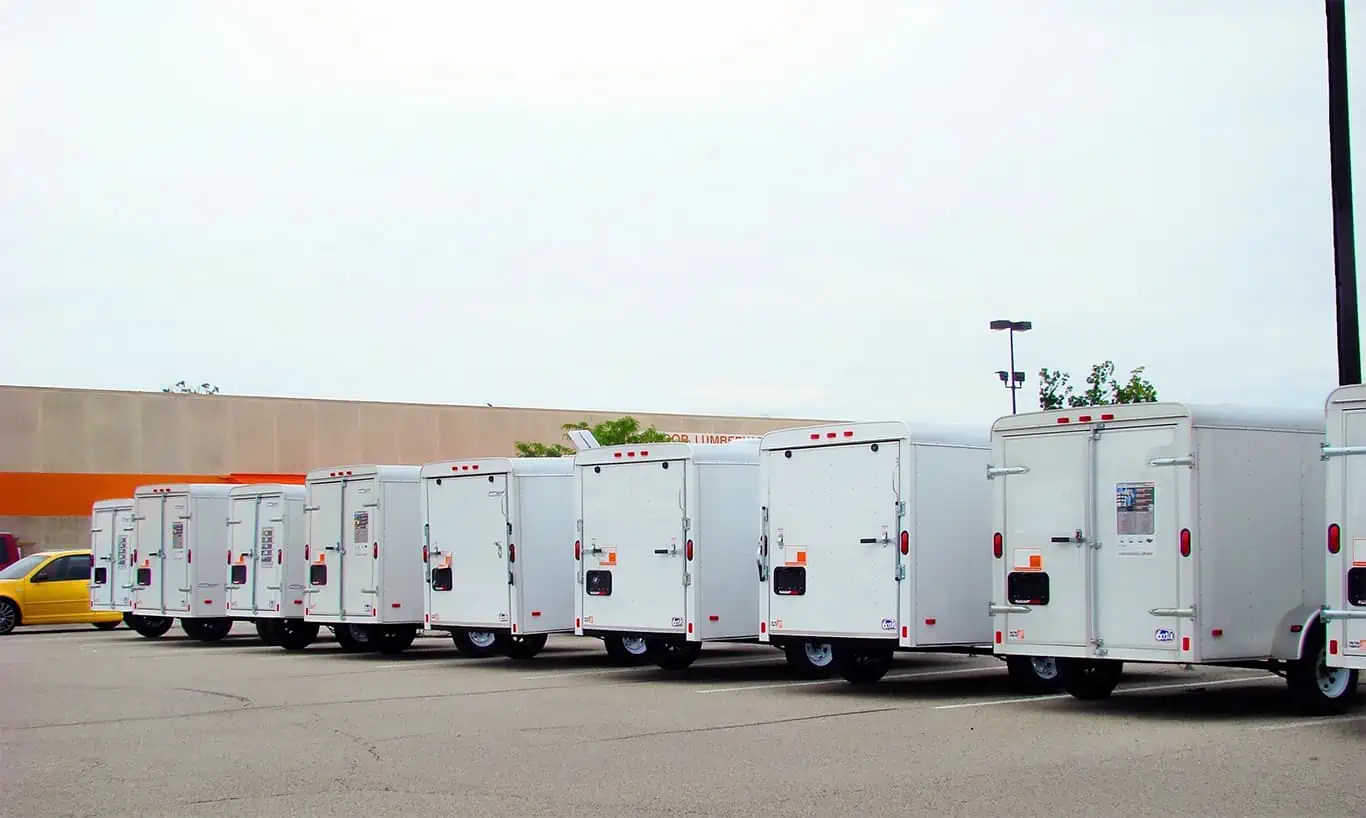
Cargo trailers ($14.95 – $34.95 per day): These are fully enclosed with lockable latches, making them perfect for protecting furniture and boxes from rain, snow, and road debris.
Utility trailers ($14.95 – $34.95 per day): These are open-air trailers with low sides, ideal for tall or oddly shaped items like a fridge or landscaping gear.
Vehicle trailers and tow dollies ($44.95 – $54.95 per day): Heavy-duty equipment designed specifically to tow a car behind another vehicle, either by lifting just the front wheels or the entire car.
Cargo trailers are the go-to for small apartment moves or dorm room cleanouts. Because they are enclosed, you don’t have to worry about your mattress getting soaked on the highway.
Key Features:
Sizes: 4’x8′, 5’x8′, and 6’x12′.
Security: Built-in lockable latches.
No Ramps: Be warned that cargo trailers generally do not come with a loading ramp, so be prepared to lift your heavy boxes into the back.
Real-World Costs:
Local Move: We were quoted exactly $14.95 for the 4’x8′ trailer and $29.95 for the 6’x12′ trailer for a single day.
Long-Distance Move: For a trip from Florida to Texas (approx. 1,100 miles), the quote jumped to $213 for the small trailer and $496 for the large one.
Utility Trailers
If you have a tall antique cabinet or a ride-on lawnmower, a utility trailer is your best bet. Just remember that your load will be exposed to the elements, so you might want to use a tarp to protect whatever you’re hauling.
Key Features:
Sizes: 4’x7′, 5’x8′, 5’x9′, and 6’x12′.
Ramps: Only the 5’x9′ and 6’x12′ trailers come with the “EZ-loading” fold-down ramp. The smaller ones do not.
Availability: Some sizes (like the 4’x7′) are often restricted to local moves only.
Real-World Costs:
Local Move: Prices mirror the cargo trailers, ranging from $14.95 to $34.95 depending on size.
Long-Distance Move: Our quote for a 5’x9′ trailer with a ramp for a cross-country trek was $425.
Tow Dollies and Vehicle Trailers
Transporting a car yourself is not for beginners, but it is often cheaper than paying a professional auto shipper. U-Haul gives you two choices:
Tow Dolly: Lifts only the front two wheels of your car. It is cheaper and lighter but generally best for front-wheel-drive vehicles.
Auto Transport: Lifts the entire car off the ground. This saves wear and tear on your vehicle’s tires and transmission and is the safer bet for long trips.
Real-World Costs:
Local Move: We found tow dollies starting at $44.95, and auto transports at $54.95 per day.
Long-Distance Move: For our sample 1,100-mile move, the tow dolly was quoted at $151, while the auto transport was $301.
Important Rules:
Hard Tops Only: U-Haul will not let you rent a trailer for a convertible or soft-top SUV.
Speed Limit: You are strongly advised not to exceed 55 mph when towing.
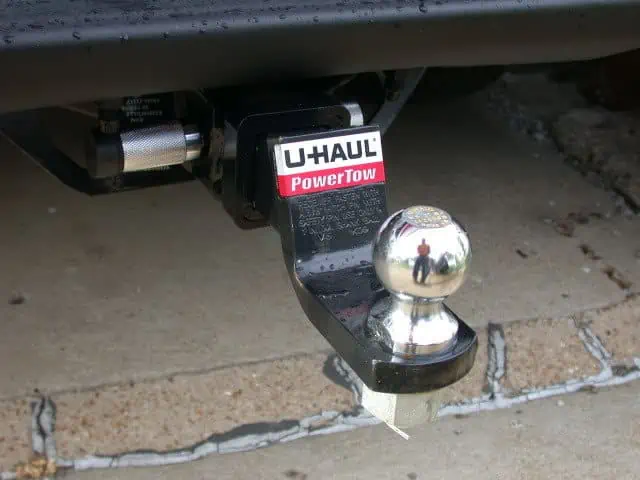
Here’s the catch: you can’t rent any of these trailers without a hitch. If your car or truck doesn’t have one, you will need to install it.
U-Haul can install a hitch for you, but it is an investment. You are paying for the parts in addition to the labor. And no, you cannot buy a cheap hitch on Amazon and ask U-Haul to install it. They only work with their own equipment.
We asked U-Haul to outfit a 2025 Kia Soul for towing. Here is the real quote and cost for a hitch installation they gave us:
Hitch Receiver: $149.95
Wiring Kit: $91.95
Ball Mount & Ball: $37.90
Installation Labor: $132.00
Taxes & Fees: ~$47.00
TOTAL:~$469.09
Prices vary by vehicle (older cars are often cheaper to wire), but you should budget at least $400–$500 if you are starting from scratch.
U-Haul U-Box Container Pricing
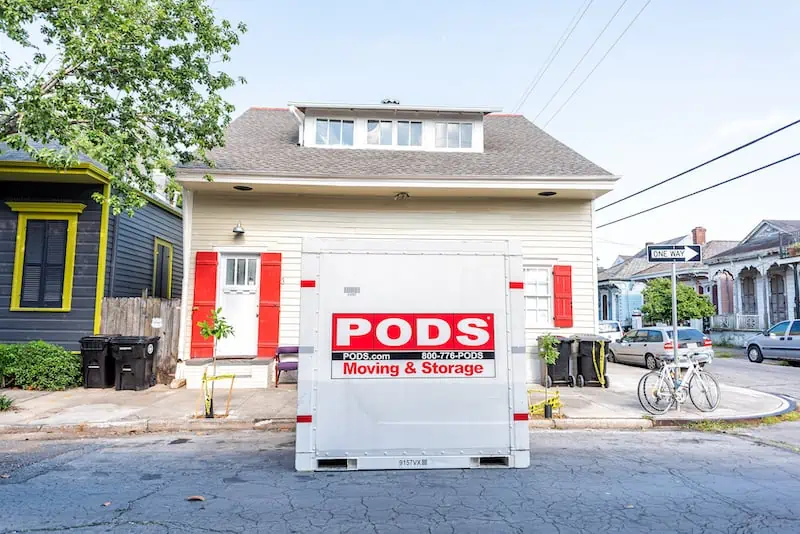
U-Haul’s answer to PODS-style moving containers is the U-Box. Instead of driving a massive truck yourself, U-Haul drops off a portable wooden container, you load it up at your own pace, and they ship it to your new home.
This is often a less stressful option if you aren’t comfortable driving a 26-foot vehicle on the highway. It also offers built-in flexibility: if your new place isn’t ready yet, U-Haul can store your containers in their secure warehouse until you say the word.
Average U-Box Costs by Home Size
(Includes container rental, delivery fees, and shipping)
Local Move(Under 50 miles)
Long-Distance Move(~1,200 miles)
Cross-Country Move(~2,400 miles)
1-Bedroom Apt
$439.96
$1,968.09
$1,971.49
3-Bedroom Apt / 2-Bedroom House
$561.87
$2,627.16
$2,948.55
4-Bedroom House
$654.75
$3,607.18
$3,458.36
5-Bedroom House
$755.60
$4,086.67
$3,737.16
Source: HireAHelper’s U-Box pricing analysis
How U-Box Sizes Work
Unlike rental trucks that come in various lengths, the U-Box only comes in one size.
Dimensions: 7’11” x 4’8″ x 6’11.5″
Capacity: 257 cubic feet (holds about 2,000 lbs)
Think of one U-Box as roughly enough space for one to one-and-a-half rooms of furniture. For a studio apartment, one box might be enough. But for a standard 3-bedroom home, you will likely need 3 to 4 containers to fit everything.
“…[It] is important to know that [the $19.95 price] is strictly a base rate…Realistically, you will never walk out of a U-Haul center having paid just twenty bucks.”
The best part of the system is that you can order more than you think you need and only pay for the units you use. For example, if you order four boxes but only fill three, U-Haul typically picks up the empty one and doesn’t charge you for shipping it. This isn’t standard for every container company, so it’s a big point in U-Haul’s favor for this service.
U-Haul offers several coverage options to protect you and your cargo. While you’re not required to buy insurance, it’s important to know that most personal auto insurance policies and credit card protections do not cover moving trucks. U-Haul generally offers two main tiers of protection for its trucks:
SafeMove ($14 – $30 per day) is the standard option. It includes:
Damage Waiver: Covers most accident damage to the rental truck itself.
Cargo Protection: Covers your belongings against fire, windstorm, or overturning (but typically not damage from shifting during transit).
Medical/Life Protection: Provides limited coverage for you and your passengers in the cab.
SafeMove Plus ($28 – $60 per day) provides significantly more peace of mind. Like the name suggests, this option includes everything in SafeMove, plus:
Supplemental Liability Coverage: This pays out for damage you cause to others (up to $1,000,000).
Overhead Damage Coverage: Standard SafeMove often excludes overhead collisions (e.g., hitting a low bridge), but SafeMove Plus usually covers this.
No Deductible: You won’t pay out-of-pocket for covered accidental damage to the truck.
Other Coverage Options:
SafeTow: Protection for trailers and the vehicle you are towing.
SafeTrip ($5 – $7): Supplemental roadside assistance for lost keys, jump starts, or getting stuck in mud/snow.
U-Haul Supplies and Equipment Pricing
You can technically move without special equipment, but your back (and your friends) might hate you for it. And while you can buy boxes anywhere, U-Haul makes it easy to grab everything you need in one place.
Here’s one important tip: Rent, don’t buy. You can rent expensive items like furniture dollies and appliance trucks for a fraction of the purchase price. Here is a breakdown of what you can expect to pay for common supplies.
U-Haul Equipment & Supply Costs
Item
Estimated Price
Notes
Furniture Pads
$5.00 / half-dozen
Rental price. Essential for preventing scratches.
Furniture Dolly
$7.00 – $10.00
Rental price. The flat wooden board with 4 wheels.
Utility Dolly
$7.00 – $10.00
Rental price. Standard upright hand truck.
Appliance Dolly
$10.00 – $15.00
Rental price. Heavy-duty with straps for fridges/washers.
Moving Boxes
$1.30 – $2.35 each
Price varies by size (Small, Medium, Large).
Padlock
$4.95 – $16.95
You need your own lock for the back of the truck.
Packing Tape
~$8.99
Includes 2 rolls and a dispenser.
Stretch Wrap
$10.95 – $29.25
Great for keeping drawers closed or wrapping furniture.
Tie-Down Rope
~$3.95
Basic rope to secure items to the wall rails.
Note: Rental prices may vary slightly by location and whether you are moving locally or one-way.
U-Haul Moving Labor Pricing
When you rent a truck, U-Haul will almost certainly suggest adding “Moving Help” to your order. This is their online marketplace where local labor providers sign up to help load and unload trucks.
How much does U-Haul moving help cost?
Pricing varies because individual providers set their own rates, but the standard booking is for two helpers for two hours. In our testing, quotes typically ranged between $200 and $300 for a two-hour block.
While convenient, it is important to know that U-Haul acts strictly as a connector. If your movers cancel at the last minute or break your favorite lamp, U-Haul’s terms state that the issue is solely between you and the service provider.
The HireAHelper Difference: If you want the savings of a DIY move but the reliability of professional help, HireAHelper offers a safer alternative. We don’t just list names of companies for you to choose; we stand behind every job booked on our platform. Here’s how we’re different:
Smart Protection: Every move includes free standard repair coverage (up to $0.60/lb per item), with options to add extra coverage if you need it.
Best Price Guarantee: If you find the same movers for a lower price elsewhere, we will match it.
Service Guarantee: If your movers cancel on you, we will step in to find a replacement or cover the cost up to $1,000.
By now, you know the price of the truck, the gas, and the labor. But there are still a few logistics and other details that can trip you up at the counter. Here is what you need to know about paying for your rental and who is actually allowed to drive it.
How Will U-Haul Bill My Card?
It is a common misconception that booking online pays for your rental. In most cases, your credit card is only used to hold the reservation. When you arrive at the store to pick up your truck, you will need to present a physical card (or cash) to pay.
The hold: U-Haul will place a hold on your account for the estimated total cost of your move. This includes the rental days, the estimated mileage you plan to drive, and any insurance or supplies.
The final charge: You are not officially charged until you return the truck. The agent will inspect the fuel gauge and odometer. If you drove fewer miles than estimated, your final charge will be lower. If you drove more, it would be higher.
Note: If you use a debit card, ensure you have enough funds to cover the hold, not just the base rate. The funds might be tied up for a few days even after you return the truck.
Can You Pay Cash For a U-Haul?
Yes, U-Haul accepts cash, but it requires a few extra steps compared to paying with a card.
Local Moves: You typically need to pay the estimated rental charges plus a $100 deposit (or the total estimated charges, whichever is greater).
One-Way Moves: You generally pay the rental rate plus a $100 deposit.
Reimbursement: When you return the truck (clean and on time), U-Haul will refund the difference between your deposit and the final bill.
Note: Even if you pay cash, most locations still require you to present a valid credit or debit card with a major logo to secure the reservation.
What U-Haul Discounts Are Available?
If you are looking for a standard “10% off for students” or “AAA discount,” you might be disappointed. U-Haul does not offer a blanket discount for military members, seniors, or students on truck rentals. However, that doesn’t mean savings aren’t available if you know where to look.
Manager Discretion: Local managers often have the power to offer small discounts (typically 10-15%) to meet sales goals or help out customers. It never hurts to ask politely!
Hotel Partners: U-Haul customers can often get discounts at partner hotel chains like Choice Hotels (up to 15% off) and Wyndham (up to 10% off).
Military Perks: While there isn’t a rental discount, U-Haul often provides one free month of self-storage for active military members moving one-way.
Free Boxes: Check the “U-Haul Customer Connect” bin at your local store. This is a “take a penny, leave a penny” system where previous movers leave their used boxes for others to take for free.
For the most up-to-date offers, it is worth checking the official Discounts page on U-Haul’s website before you book.
How Old Do You Have to Be to Rent a U-Haul?
The rules are simple and strictly enforced:
Truck Rentals: You must be at least 18 years old with a valid driver’s license.
Trailer Rentals: You must be at least 16 years old with a valid driver’s license.
You do not need a commercial driver’s license (CDL) to rent even the largest 26-foot truck.
How to Save Money on U-Haul Truck Rentals
Now that you know the base price is just the starting line, the best way to save money is to control the variables. Plan your route efficiently to keep those per-mile fees low on local moves. Always refill the gas tank yourself just before dropping off the truck to avoid the expensive convenience fee. And take a hard look at those optional add-ons; if you have a friend with a dolly, bring it along!
As we’ve outlined, nobody walks out of U-Haul paying just $19.95.
Based on our analysis of real customer receipts, a realistic estimate for a local move is closer to $150 once you add in mileage, gas, and fees. For long-distance moves, that number jumps significantly, with averages hovering around $2,500 for a standard trip.
How much you actually pay will depend on your specific route and load size, but if you budget for these real-world numbers instead of the sticker price, you won’t be caught off guard. Hopefully, you’ll save at least enough for some extra coffee on the drive to your new home!
FAQs
Can you really rent a U-Haul for $19.95 a day?
Technically, yes, but practically, no. That $19.95 only covers the base rental fee for a pickup truck, cargo van, or 10-foot truck. Once you add the mandatory per-mile fees, fuel, environmental charges, and taxes, your actual bill will almost always be higher.
How much do U-Haul trucks cost?
Based on our analysis of real customer transactions, here are the average total costs:
Local Move: ~$150
Long-Distance Move: ~$2,500
Cross-Country Move: ~$2,900
What is the cheapest U-Haul truck size?
The pickup truck, cargo van, and 10-foot box truck are all tied for the cheapest starting price. They all share the famous $19.95 per day base rate.
How much is U-Haul per mile?
For local moves, mileage fees typically range from $0.99 to $1.39 per mile. This rate isn’t fixed; it varies by location and can even go up on weekends when demand is higher.
Does U-Haul offer unlimited mileage?
Local rentals never come with unlimited mileage; you will always pay a fee for every mile you drive. However, one-way long-distance rentals include a set mileage allowance based on your specific route. You don’t pay per mile unless you exceed that limit.
Methodology
Provide a methodology statement. Use the information below to explain our rental truck cost database, then layer in additional methodology as needed.
This analysis is based on HireAHelper’s Rental Truck Cost Database, which contains data from 10,000 real rental truck transactions completed by HireAHelper customers over the past 6 years. The dataset includes moves of varying distances, sizes, and locations, and spans 12 rental truck and moving container brands commonly used across the United States.
Unlike studies that rely on online quotes, this dataset reflects actual amounts customers paid, including (e.g., mileage, insurance, taxes, add-ons), providing a more accurate representation of real-world truck rental costs. Because online price estimates often differ significantly from final charges due to factors like mileage overages, rental duration overages, and insurance add-ons, using completed rental data helps eliminate these discrepancies.
HireAHelper’s Hands-On Research Process
To verify this data, we didn’t just look at spreadsheets; we went out and rented these trucks ourselves. We drove the miles, filled the tanks, and paid the fees to see exactly how the pricing breakdown works in practice. Here are the actual line-item breakdowns from our recent hands-on tests.
Summer moving is popular for good reason. With school out, longer daylight hours, and generally better weather, it’s often the most convenient time for families to move. But there’s a catch: high demand for movers means higher costs, less availability, and the challenge of working in extreme heat.
Still, your move doesn’t have to be stressful or expensive. With careful planning and strategic timing, you can save money, stay safe, and enjoy the process. This guide will walk you through everything you need to know to navigate the busiest moving season, from booking the right crew at the right price to keeping your cool on moving day.
If it feels like every other house on the block has a moving truck parked outside in the summer, you’re not wrong. According to our research on the best times to move, 45% of all moves happen between May and August. That’s almost half of all relocations packed into just 4 months. Here are some of the reasons why:
School Schedules:Families with children prefer summer moves because they’re less disruptive to school routines. Kids have time to adjust to their new surroundings and can start the new year without missing classes.
College Transitions: College students also pack up in summer, either moving out of dorms, into their first off-campus apartment, or relocating for an internship. Our 2021 study found that 43% of Americans who began college in 2020 moved away from home, and many of these students relocated again during summer breaks between academic years.
Favorable Weather: While summer heat can be intense, many people prefer it to the risks of moving in other seasons. The longer daylight hours also provide more time to get the job done.
The downside? This spike in demand directly impacts costs. When everyone wants the same dates, movers book up quickly and prices rise. That’s where smart planning comes in.
How to Save Money When Moving in the Summer
Planning ahead can help you avoid the worst of summer’s price hikes while still taking advantage of the season’s benefits. With a few strategies, you can keep costs under control without compromising on service quality.
Book Your Movers Early
Summer calendars fill up fast. Because demand is so high, moving companies and labor-only crews get booked up weeks, or even months, in advance. Booking early, ideally 4 to 6 weeks or more before your move date, not only secures your spot but can also lock in better rates before peak-season pricing kicks in.
Starting your search early also gives you time to do your research. Instead of grabbing the first available option, you can take your time to compare movers. Plus, you can use HireAHelper’s platform to make it even easier to see side-by-side comparisons of local moving companies based on their prices, services offered, and, most importantly, verified customer reviews.
Move Mid-Month or Mid-Week
If you have some flexibility, one of the easiest ways to save money is by avoiding the busiest days. Most people move on weekends (Friday to Sunday) and at the beginning or end of the month to align with leases. Moving companies know this, and prices on these peak days reflect the demand.
By scheduling your move for a weekday, you can often find significantly lower rates. Similarly, if you can move in the middle of the month instead of the 1st or the 31st, you’re likely to see more availability and better pricing.
Be Flexible With Your Move Date
When you start your search for movers, try to have a small window of potential dates. Even small adjustments to your moving timeline can lead to significantly better pricing. If your ideal date shows high prices or limited availability, check rates for the days immediately before and after. Sometimes shifting by just one day can save you hundreds of dollars.
“An 8 am or 9 am start time allows you to get the bulk of the heavy lifting done before the day reaches its peak temperature.”
Also, be mindful of holiday weekends. Memorial Day, the Fourth of July, and Labor Day are extremely popular and expensive times to move. If you can, schedule your move for the week before or after these holidays. By being flexible, you’ll have more negotiating power and better options.
Look for Discounts and Off-Peak Deals
Many movers on HireAHelper’s marketplace and elsewhere offer promotions for specific groups. Just check the provider’s profile or ask before booking. Common discounts include:
If you have a smaller move, such as a studio apartment or just a few large items, ask about special rates. Some companies specialize in smaller jobs and can offer a more competitive price than a crew that’s used to moving large houses.
Also, labor-only moves, where you provide the truck or moving container and movers handle the loading and unloading, often cost less than traditional full-service options. If you’re comfortable driving a rental truck, this approach can cut your total moving costs substantially.
Summer Moving Tips for Comfort and Safety
Hot weather creates challenges that require specific preparation and planning. It’s not just about comfort; it can also pose safety risks for you, your family, and the moving crew. These strategies protect your belongings, keep everyone safe, and make the physical process more manageable during peak summer heat.
1. Start Early in the Day
The sun is at its most powerful and temperatures are at their highest in the afternoon, typically between 12 pm and 4 pm. To avoid the worst of the heat, schedule your movers to arrive as early in the morning as possible. An 8 am or 9 am start time allows you to get the bulk of the heavy lifting done before the day reaches its peak temperature.
Starting early offers several benefits:
Reduced health risks: Working in cooler morning temperatures lowers the risk of heat exhaustion and heatstroke.
Better for your movers: Your moving crew will be fresher and more energetic at the start of their day, so your move will be faster and more efficient.
Protects your belongings: Some items, especially electronics, can be sensitive to extreme heat. Less time spent sitting in a hot truck is always a good thing.
2. Protect Heat-Sensitive Items
Temperatures inside a closed truck can rise well above the outside air temperature, putting certain belongings at risk of melting, warping, or being permanently damaged. Pack a separate box or two of heat-sensitive items to transport in your own air-conditioned vehicle. These items should include:
Electronics: Laptops, tablets, gaming consoles, and TVs can be damaged by extreme heat.
Media: Heat can also damage DVDs and CDs and cause vinyl records to warp.
Artwork and Photographs: High heat and humidity can ruin old photographs and delicate oil paintings.
Candles and Cosmetics: Anything that melts, including candles and lip balms, should be boxed in a protective container or moved with you.
Medications and Toiletries: Many medications lose their effectiveness when exposed to heat.
Food and Beverages: Anything perishable should travel with you. Canned goods can also spoil or even burst in extreme heat.
Aerosol Cans: Hairspray, cleaning products, and spray paint can explode in high temperatures.
Plants: Most plants don’t like hot, stagnant air. If you’re moving locally, water them lightly and carry them in your car.
3. Stay Hydrated and Cool
One of the most important rules for summer moving is staying hydrated. Dehydration can happen quickly when you’re doing physical labor in the heat. Plan ahead to have plenty of fluids and cooling supplies on hand for everyone.
Stock up on water: Have a large cooler filled with ice, bottled water, and sports drinks readily available. Be sure bring enough so you’re able to offer some to your movers throughout the day as well. They’ll be working hard, and this simple gesture helps keep them safe and comfortable.
Pack snacks: Have easy-to-eat snacks like granola and energy bars on hand to keep energy levels up.
Dress appropriately: Wear lightweight, loose-fitting clothing in light colors. Breathable fabrics like cotton or moisture-wicking athletic wear are ideal. Choose sturdy, closed-toe shoes for safety.
4. Keep Essentials Accessible
On moving day, the last thing you want is to be digging through a dozen boxes looking for sunscreen. Pack a box of first-day essentials containing items you’ll need immediately in your new home and during moving day. It should include:
And make sure you carry the box with you. Don’t put these items on the moving truck where you can’t access them when needed.
5. Prep Your New Home for Summer Move-In
A cool destination with running water makes unloading faster and safer. You should spend a few minutes prepping your new place before the truck arrives. Here are the steps to take:
Set up utilities in advance: Contact utility companies to ensure that electricity, water, and internet are all set up before your arrival.
Turn on the AC: If you can get access to your new home the day before, turn on the air conditioning. Set it to a cool temperature so the house has time to get comfortable before you and the movers arrive with all your belongings.
Have fans ready: If your new place doesn’t have central AC, set up window units or box fans in key areas to get the air circulating as soon as you arrive.
Summer Moving Do’s and Don’ts
To keep things simple, here’s a quick list of summer moving dos and don’ts. From bringing plenty of water for your movers to avoiding open-toed shoes in the heat, these reminders can help you stay safe, prepared, and better equipped to handle the challenges of peak moving season.
Do:
Offer your movers water and sports drinks: Keeping the crew hydrated is a small act of kindness that makes a big difference. It helps them stay safe, energized, and work efficiently. Be sure to also bring plenty of water for yourself and your family.
Check the weather forecast: Stay on top of the weather forecast in the days leading up to your move. If a major heatwave or thunderstorm is predicted, you can prepare and make any necessary adjustments.
Clear all pathways: Before the movers arrive, make sure walkways, stairs, and hallways are completely clear of clutter at both your old and new homes. This prevents trips and falls and makes the loading and unloading process faster and safer.
Don’t:
Wear heavy fabrics or open-toed shoes: Dark colors and heavy materials like denim will make you feel hotter. In addition, flip-flops or sandals might be heat-appropriate footwear, but they are a major safety hazard during a move. Always wear sturdy, closed-toe shoes like sneakers.
Leave your children or pets unattended: The heat, open doors, and constant motion of moving day can be stressful and dangerous for kids and pets. Arrange for a babysitter or a pet-sitter to keep them safe and out of the way.
Forget to rest: You might want to push through until the job is done, but don’t forget to take breaks. Step into the shade or an air-conditioned room for a few minutes to drink water and cool down. Pushing yourself too hard in the heat can lead to serious health issues.
Is Summer the Right Time for Your Move?
If you have the flexibility to move any time of year, summer is convenient, but it’s not your only option. Consider these pros and cons to see if a summer move makes sense for you.
Pros:
Convenience for families: Aligning with the school calendar remains the top reason for a summer move.
Longer daylight hours: More sun means more time to get everything done without having to work in the dark.
Easier home sales: The housing market is most active in the summer, making it a good time to sell your home.
Cons:
Higher costs: Peak demand means you’ll likely pay more for movers and truck rentals.
Scheduling challenges: The best moving companies often get fully booked, so you need to plan far in advance.
Extreme heat: The heat poses health risks and can damage sensitive belongings.
If moving in the summer isn’t absolutely necessary for you, fall and spring offer a sweet spot: milder weather and lower demand. You might find better rates and more flexibility by moving in September, October, March, or April. Not sure which date is best? Try browsing multiple dates on HireAHelper’s marketplace and comparing live prices and availability in your area.
Final Thoughts
Moving in the summer doesn’t have to be overwhelming or expensive. With early planning, smart scheduling, and a few practical tips, you can save money and make the process smoother. Remember, small details like booking movers early, staying flexible with your dates, and keeping everyone cool and hydrated can make a big difference in how your moving day feels.
At HireAHelper, our goal is to connect you with highly rated, affordable movers who can take the heavy lifting off your shoulders, so you can focus on settling into your new home instead of stressing about the move.
No matter if you’re moving to a new city by choice or by necessity, the process comes with big emotions, physical labor, and endless tasks.
That’s why it’s important to think through logistics such as hiring movers, changing your address, and finding housing before you take the leap. Planning can help you save money, reduce stress, and make sure you’re choosing the right city.
In this guide, we’ll go through everything that’s involved in a move: researching the city, planning and budgeting, and preparing for the inevitable emotional impact. We’ve also created a complete moving to a new city checklist to help you stay organized so every important detail is covered.
People move to new cities for a lot of reasons, but housing is the most common. In our 2024-25 HireAHelper Migration Report, 14.95% of people said that they moved to find a new or better place to live. Cost is a big motivator — 7.5% of people moved for cheaper housing, and 6% relocated so they could buy a house instead of renting.
Major life changes often inspire people to relocate. About 10.1% of moves happen because of a new job or a job transfer. And 8.3% of people move because they’re ready to set up their own household.
Pros and Cons of Moving to a New City
Moving somewhere completely new is exciting, but it also has drawbacks that can impact your career, family, and lifestyle. If you absolutely have to move, like for a job or family situation, you have to take the plunge no matter what. But if you’ve decided to move for your own reasons, you should weigh the pros and cons before you start packing.
Pros of moving to a new city
New opportunities: A new city opens you up to new experiences, people, and job opportunities that you might not have in your current city.
Higher quality of life: Moving can give you access to better housing, a lower cost of living, higher salaries, and a bigger social circle.
Emotional benefits: Relocating can be good for you if you need a fresh start or want to experience something new.
Cons of moving to a new city
Stress: Moving can be extremely stressful. In fact, 29% of people say they’d rather get a divorce than move again!
Costs: Uprooting your life can be expensive and time-consuming.
Family challenges: Relocating can be hard on your family, especially if you have kids.
Preparing for the Move
Happy moves usually have one thing in common: planning. Knowing what to expect in your new city, especially when it comes to lifestyle, cost of living, and housing options, makes it easier to prepare.
Research the City First
Relocating is a big commitment, so it pays to research carefully before you decide. Now is the perfect time to do a deep dive into your new city and ask the big questions that affect the move.
Will I like it here?
Living in a city is a completely different experience from visiting, so make sure to research the things that will affect you as a resident. For example, consider how the local industries might change your lifestyle. A city with a big tourism industry will have plenty to do, but you’ll also have to deal with road congestion.
“When you arrive [in your new city], you can take leisurely walks, drives, or public transport to check out interesting spots along the way. This is the best way to find great local bakeries and hole-in-the-wall diners that can become new go-to places.”
You should also look at what matters in your everyday life. Judge the city’s walkability using Walk Score, check the air quality on AirNow, or look at the public transportation system map to make sure it can get you where you need to go.
Social opportunities can be a lifeline in a new place, so spend some time in city subreddits to get a sense of where people your age hang out. Do they tend to socialize in bars, community centers, and fitness groups, or are there other things to do? Find out about local events and cultural performances on Eventbrite and the city’s official events calendar.
Will my family like it here?
Your family’s happiness can make or break a move. Make sure your kids have the resources they need by checking school ratings on GreatSchools, and request quotes well in advance from several local daycare facilities to get an idea of costs and availability.
As you’re house-hunting, websites such as Neighborhood Scout and Family Watchdog can help you find a safe neighborhood with family-friendly activities and amenities nearby. You can also scan Google Maps for local parks, children’s museums, and outdoor activities. You can also search for local kids’ sports leagues and after-school clubs.
Will I be able to afford it?
You’ll want to avoid moving to a new city and realizing that the higher costs are going to wipe out your disposable income. The comparison calculators at Bankrate and Nerdwallet can show you how much you need to earn to maintain the same living standard.
In general, you shouldn’t spend more than 30% of your pre-tax income on housing. If you’re making $100,000 per year, that’s a max of $2,500 per month. That amount might cover a spacious place in a smaller city — for example, the average rent for a 2-bedroom apartment in Nashville, TN is about $1,642. In New York City, the average 2-bedroom rent is $4,529, which means the same budget won’t stretch nearly as far.
Think about job stability, too. Do the companies in your industry offer room to grow? If you lose your job, is it easy to find other opportunities? Jobseeker groups on Facebook can give you a personal perspective on the job market.
Find Housing
Check the average housing prices on sites like Zillow or Apartments.com, and ask yourself these questions:
Are there plenty of options in your price range?
Can you find affordable places in your top neighborhoods?
If the answer is yes to both, you’re ready to start house-hunting. Visit the new city fora few days to look at properties, or use photos and online video tours to pick your top places. Then, fill out applications and wait to see if you’re approved. From there, you can choose the best option, sign a lease, and pay the security deposit.
Nervous about renting a home sight unseen? Consider booking a month or two in a short-term rental. That way, you can see properties and neighborhoods in person before committing to a purchase or a long-term lease.
Set a Moving Budget
Now that you have an idea of the average rent and living expenses in your new city, it’s time to make a budget for the move. A moving budget is a plan for covering one-time relocation expenses along with everyday costs until you’re earning again. Building one helps you avoid surprise expenses and understand how much savings you’ll need before moving.
Include these expenses in your moving budget:
Packing supplies
Professional movers or moving truck rental
Temporary housing and storage, if needed
Travel expenses for hotels, gas, and restaurants
Security deposit and first month’s rent
Utility deposits
Childcare
1-3 months’ living expenses
The total depends on your situation, home size, family size, and how far you’re moving. Our data shows that moving costs can range from $450 to $10,000 or more.
Moving to a New City Checklist
There’s a lot to do when you’re moving to a new city, which is why it’s so helpful to have a checklist on hand. It keeps you organized and ensures that you don’t forget anything important.
Here are some steps to take before and after the move.
Before the Move
Look for jobs: Start applying for jobs in your new city as soon as possible. The process can take a while, and you don’t want to be out of work for too long in a completely new area.
Declutter and pack: Get rid of anything you don’t want to take with you. Then, pack one room at a time, making sure to label boxes clearly.
Secure housing: Research properties online or in person, and sign a lease that aligns with your moving schedule. Ask about move-in hours, where you can park a moving truck, and whether you need to reserve an elevator, loading dock, or parking spaces.
Hire movers: Once you have a move-in date, book movers to transport your stuff. To keep costs down, rent a moving truck and hire labor-only movers to do the loading and unloading.
Set up utilities and internet: As soon as you have a new address, call the local electricity, gas, water, and internet providers to set up new accounts. Schedule each service to turn on a day or two before you move in.
Update your address: Change your address with your bank, doctor, credit card companies, insurance companies, phone provider, and government agencies.
Forward your mail: It can take time for address changes to kick in. To make sure you’re getting your mail, forward it to your new address through the USPS.
Arrange transportation: Figure out how you’re getting to your new city and how you’ll get around once you arrive. Will you be bringing your car, or do you plan to take public transportation?
Close your home: Clean your house. Hand the keys over to the buyers if you’re selling, or return them to the landlord.
Get your car ready: Vacuum your car and bring it to the mechanic for a tune-up.
After the Move
Unpack your things: Start with the things you’ll need right away, and work your way gradually through boxes of non-essentials such as decor.
Update important documents: If you’re moving to a new state, update your health insurance, car insurance, and driver’s license.
Find new service providers: Look for new doctors, dentists, gyms, vets, and cleaning services.
Update health care information: Once you find a new doctor, ask your old doctor to transfer your medical records and prescriptions.
Enroll your kids in school or childcare: Tour the school or daycare in person, and sign up your children.
Settle in to your new home: Join clubs, attend exercise classes, volunteer with local organizations, and explore your new city.
Moving comes with a lot of life admin and physical work. If you can start early, you’ll avoid the stress of a last-minute rush.
Settling Into Your New City
Once moving day is history, you can focus on building a life in your new city. Now, you can start meeting people, exploring the area, and learning how to stay safe in your new surroundings.
Getting Connected
One of the most exciting — and intimidating — parts of moving to a new city is building your social and professional networks. Start close to home and introduce yourself to your neighbors. You can also sign up for Nextdoor and neighborhood Facebook groups to join in conversations and see what’s happening in the area.
“In general, you shouldn’t spend more than 30% of your pre-tax income on housing. If you’re making $100,000 per year, that’s a max of $2,500 per month.”
If you want to build a professional network, look for “networking professionals” groups on Facebook, or check with the local chamber of commerce to sign up for local business events. You can also join the local chapter of professional industry associations. Networking events, volunteer days, and social events are great places to meet career-minded people.
When it comes to making friends, activities are your best bet. Join something that sounds interesting, like exercise classes, book clubs, running groups, church choirs, community theater productions, and cooking classes. Strike up conversations with everyone you meet while you’re there. Apps like Bumble BFF and Meetup can also help you connect to other people who are looking for friends.
Exploring Your New Neighborhood
Getting to know your new neighborhood helps it feel more like home. Make a list of restaurants that look interesting, and pick a new one every time you go out for dinner. If you have kids, do the same for parks and playgrounds. Eventually, you’ll start to find favorites, build a new routine, and recognize a few faces.
Give yourself plenty of time to explore, too. When you arrive, you can take leisurely walks, drives, or public transport to check out interesting spots along the way. This is the best way to find great local bakeries and hole-in-the-wall diners that can become new go-to places.
You can also check the neighborhood and city calendars for upcoming events such as festivals, restaurant weeks, block parties, and holiday events. Chatting with vendors and other guests can help you feel less isolated.
Staying Safe
As you explore, take a few precautions to stay safe. Check local crime maps, and take note of dangerous neighborhoods. Sign up for the police department’s public safety alert system to get notifications about crimes and other emergencies.
The best advice usually comes from other residents. Ask your coworkers and new friends for recommendations. For example, you can ask if there are any places in the city they avoid, or if they feel safe taking public transportation late at night.
Common Mistakes to Avoid When Moving to a New City
Moving comes with a few common pitfalls that can make the experience harder than it needs to be. To create a smoother transition into your new life, avoid these mistakes:
Not budgeting enough money: Take the budget you think you’ll need and add 20% to give yourself a little wiggle room. The extra cash reduces stress while you look for a job or wait for your first paycheck.
Not doing your research: A few Google searches and a weekend visit aren’t enough to decide if a new city is a good fit. Make sure you look into costs, housing, job prospects, and social opportunities before taking the leap.
Romanticizing the new city: While you research, make sure you’re not glossing over the challenging aspects of the city. Be realistic about what you can afford and what you actually want.
Packing too much: Decluttering can be time-consuming, but it’s worth the effort. Bringing fewer things means you’ll spend less on movers and have an easier time unpacking.
Isolating yourself by living and working alone: Consider living with roommates or working an in-office job to build a community faster. Otherwise, you might need to step outside your comfort zone (e.g., watching your favorite shows) and push yourself to try new activities and meet people.
If you’ve moved more than once, you’ve probably made at least one of these mistakes before. The good news? They’re pretty easy to avoid once you know what to look out for.
Tips for Moving to a New City Alone
If you’re moving to a new city by yourself, you’ll need to get organized. You’re responsible for all the expenses and labor, so you’ll probably need to do more planning than those who have a lot of extra helping hands.
Here are some specific tips for a solo move to a new city:
Start budgeting as early as possible: You should begin to save for your relocation at least 6–12 months in advance.
Expand your emergency fund: Just like your moving budget, you should be looking to squirrel away at least 3–6 months of living expenses.
Choose manageable packing boxes: When you’re moving solo, it’s even more important to pack well. Make sure that no box is too heavy for you to lift without help.
Join community groups quickly: Start making friends as soon as you arrive.
Build routines locally: Become a regular at a coffee shop, grocery store, or gym.
Celebrate milestones: Take time to recognize your successes and accomplishments.
A Note About Moving to a New City Alone in Your 20s
Moving alone is always challenging, but it’s especially overwhelming in your 20s — you’re leaving your childhood or college home behind. You might find yourself feeling extra-attached to your friends, family, and familiar places.
These strong emotions are completely normal, but they don’t have to hold you back. Remind yourself that the move will open up new doors in your career and personal life. It might be helpful to make a list of the reasons you want to move — a new job, exciting hobbies, etc.
Still feeling worried? Remember that nothing is permanent. If you end up hating the new city, you can always move back. At the very least, it’ll be an adventure and a learning experience.
Tools to stay organized during your move
There are a few things you can do to feel more at peace with moving to a new city alone in your 20s. Build a solid savings fund, so you have a safety net in case things don’t work out. It’s also helpful to make a plan and a schedule to help you stay organized. Use these resources to make sure you’re covering all the bases:
Moving to a new city can be a big undertaking, but it can also open up a new world of opportunities and possibilities. With thorough research, careful budgeting, and plenty of planning, you can avoid pitfalls and settle in faster.
Moving to a New City Checklist PDF
Getting ready to move to a new city? Here are all the things you’ll need to take care of before, during, and after moving day:
Moving for adults is a generally stressful and draining event, but relocating with your child comes with even more physical and emotional needs. While we adults can tell ourselves, “just deal with it,” and have plenty of coping skills for demanding situations, that won’t work for a young child.
Before, during, and after your move, your child will need lots of help learning how to handle the move. After all, their lives are being completely upended. In this guide, we’ll show you 7 key strategies to help you prepare your child for a move, plan a successful moving day, and help your little one settle into their new home.
Kids can have big emotional reactions to a move. It makes sense — they’re leaving everything that feels familiar, and often due to reasons they had no choice in (like a new job) or other big life events (like a divorce). Make the process easier on your child by helping them navigate these uncomfortable emotions.
Speak Positively About the Move
Children are experts at taking emotional cues. When you look or sound sad, it can trigger a lot of stress in them as well. At the same time, over-the-top enthusiasm can also be confusing for your child. They’re sure to experience some negative emotions, so it’s not helpful to act as if these feelings don’t or shouldn’t exist.
The solution? Acknowledge the downsides, but emphasize — early and often — the positive things you can all look forward to. Maybe they get to have their own room now, or they’re moving closer to an exciting landmark like the ocean, or there’s enough space in the new home to get pets.
Show Kids Pictures of the New House
Once you find a place, get your kids excited about the move by showing them photos and videos of the neighborhood. Point out their new bedrooms, and show off perks like a big backyard or a cool family room. While you’re at it, look at photos of nearby places such as parks, playgrounds, and pizza parlors. You could also watch a few YouTube videos about the neighborhood and make plans to go out and explore before the move.
Read Children’s Books About Moving
Books can help younger children understand all their complicated feelings about the move. Here are three good ones to try:
Discuss the books with your kids, and encourage them to ask questions. Openly talking about their feelings can make the emotions feel less scary.
Mark a Calendar With the Move Date
Count off each day as it passes. Not with big black X’s — those are no fun and pretty ominous. Instead, let your child put a sticker on each square. Give them extra stickers for the days they help with moving tasks or navigate tough emotions.
2. Preparing Your Child Physically
Moving means that your child has to leave everything that’s familiar to them. This is a huge transition, especially for little ones. Use these tips to help them ease into a new home.
Dream Up New Uses for Moving Boxes
For kids, the boxes are the best part of moving. As you pack, come up with creative ways to use the boxes once you unpack. They might want to build a fort out of big boxes or turn little boxes into dollhouses. Let them mark each box they want to use with a “secret symbol” to remind them of the exciting possibilities.
Give Your Child a Special “Treasure Chest”
Make a treasure chest out of a cardboard box, and let your child fill the box with their most prized possessions. There are no rules — as long as it fits in the box, it can come. Let them draw all over it (and the rest of their boxes, too).
“[Asking the movers to load your child’s room last] gives your child as much time as possible in their private space. It also means their things will be coming off the truck first at your new home.”
Your child might not even open that chest during the trip, but that’s okay. Just knowing all their most prized possessions are still with them — or somewhere in the back of the car — may be enough to help them feel secure.
Of course, they’ll still want something to do during the hours or days until the movers show up with all of your belongings. Make sure you fill a backpack with books, paper and crayons, small toys, and other items that might be fun to have on hand.
Hire a Babysitter While You Pack
It is probably easier for everyone to get your kids out of the house while you pack. You can send them off to grandma’s for the afternoon, or schedule playdates with their friends, or hire a babysitter to take them to the zoo or a movie.
Fun activities take kids’ minds off the move, giving them a break from their emotions and the chaos of their schedules being disrupted. It also takes them off your hands, so you can get things done.
3. Managing Moving Day
The action on moving day can be a lot for your child. To protect them from the overwhelming activity and emotion, be prepared with a few kid-friendly solutions.
Assign a Kids-Only Room
Choose one room that’s just for your kids on moving day, and stock it with toys, portable game systems, art supplies, or an iPad loaded with TV shows. Their bedroom is a good choice, as it’s where they’ll feel most secure. However, your kids probably won’t want to be cooped up in one room all day, so you should plan for other activities. For example, you could ask a family friend to play with them outside or walk to a nearby park.
Think about getting something new for them to have with them in their private space. Something as simple and compact as a Nerf basketball hoop, a stuffed animal, or a new movie can help keep them happy and busy. Then, they can take it with them to their new home.
Give Kids a Job on Moving Day
When your kids get restless, give them a job. You can ask them to open the door to each bedroom, bathroom, and closet when it’s time to show the movers around. They can also care for the movers by passing out bottles of water or paper plates for the pizza.
Younger children might need a task that feels more like playing. Spark their imaginations by explaining that the upstairs hallway and the pathways to the front door are the movers’ runways, and tell them they can help by keeping the runways clear.
Keep Their Tummies Happy
By moving day, your fridge will probably be empty and defrosted. Instead, stock a box and a cooler with food and drinks for moving day and the trip to your new home. Hit the supermarket for low-prep food items — cereal, yogurt and fruit, sandwiches and veggies, and, of course, sweet treats! Then, get something special for dinner, like pizza delivery or a Happy Meal.
While paper plates and cups are super-convenient when you’re on the road, they aren’t exactly comforting. Consider bringing your child’s favorite cereal bowl, dinner plate, or cup in the car to add a sense of comfort and continuity.
Ask the Movers to Load Your Child’s Room Last
This strategy gives your child as much time as possible in their private space. It also means their things will be coming off the truck first at your new home. It’s a small step that can make your kids feel happy and important as you make the big transition.
4. Traveling With Children
Just as your kids adjust to an empty house and a moving truck full of stuff, they need to tackle another challenge — traveling to their new house. Whether you’re moving across the world or down the street, you can help your child manage by making the journey comfortable, with a touch of fun along the way.
Car Travel Tips
Instead of looking at the car trip like it’s a necessity, turn it into a memorable part of the move. Staying overnight? Book a hotel with a pool, and spend a couple of hours splashing around as a family. Or, stop at an interesting roadside attraction.
Keep in mind that road trips with kids always take longer than you expect and need more stops. Prepare by stocking the car with tasty snacks and essential supplies like wet wipes or extra diapers. You can even buy a new book or a car game to break out during the last few hours.
Air Travel Tips
With missed naps and kids running off energy in the airport, flying with kids can feel like a minefield. If possible, schedule flights to coincide with naptime. Your kids will fall asleep, and you can relax. Or, choose a plane with in-flight entertainment, and let the movie distract them.
Moving Day Survival Kit
Whether you’re traveling by car or plane, a bag of special treats can make all the difference in keeping your child calm and content. Load it with new candies, toys, games, and snacks. For older kids, toss in a book or a video game they’ve been wanting to try.
Here’s the secret — don’t show your child everything at once! Pull out a new item to reward calm behavior or to head off a tantrum.
5. Acclimate Them to Their New Home, Right From the Start
For adults, settling into a new home is already a big challenge. When you involve a child, the experience takes on a whole new level of difficulty and importance. Don’t be surprised if they melt down or act unusually emotional — they’re processing a huge emotional shift and need steady reassurance, patience, and comfort to feel secure.
Make an Event of Seeing Your Stuff Again
Welcome the movers, and celebrate as you pull out familiar items. There’s nothing like a favorite comforter or a box of toys to make a new house feel like home.
You can also get your child involved in the organization process. Ask them where they think the TV should go, help them arrange their bedroom, and talk about how they can decorate it. Work with them to imagine all the fun things you’ll be able to do in the family room, the basement, and the yard.
Put Off Unpacking Until You Tour the Neighborhood
Even if the unopened boxes are calling your name, take some time instead to help your child get accustomed to their new surroundings. Go for a walk together, say hello to your new neighbors, and check out the closest park.
At the end of the day, make sure they feel safe and secure in their new room. The rest of the house may still be a sea of cardboard and shrink-wrapped furniture, but your priority should be making your child feel at home.
6. Tips for Special Age Groups
Your kids’ ages can affect how they deal with moving. A teenager will have much different struggles than a toddler. Here’s how to create a better experience when moving with kids in different age groups.
Babies and Toddlers
Kids up to age 3 are highly affected by your emotions and the changes to their schedules. Try to stick to the same sleep and feeding times, even when you’re in the home stretch of packing. Keep a beloved blanket or stuffed animal on hand to make a strange place feel more familiar.
Preschoolers and Young Children
Kids this age love structure, so you might find that they’re more moody or irritable when you’re moving. They might have trouble sleeping, or you might notice some unusual behaviors. As with babies, it’s helpful to keep your child on schedule. Start creating new routines as soon as you move in, and involve them in unpacking and setting up their rooms.
School-Aged Children
At this age, the thought of being the new kid at school and finding new friends can bring your child (and you) on an emotional rollercoaster.
“Don’t be surprised if [your child melts] down or [acts] unusually emotional — they’re processing a huge emotional shift and need steady reassurance, patience, and comfort to feel secure.”
You can help by validating their emotions — let them know it’s normal and okay to feel scared or worried. Remind them that they’re an awesome and interesting kid, and tell them that the new school and neighborhood will be filled with lots of new friends. Signing them up for new activities can help them settle in — and make friends — faster.
Teenagers
Of all the age groups, moving is most difficult for teenagers. Leaving their social groups and activities can be heartbreaking, especially if it means they can’t graduate with their friends. Ease their anxieties by communicating about what to expect during the move. Make sure they know you’re there to let them vent and talk through their worries.
7. Handling Emotions and Challenges
There’s no getting around it: moving with kids is hard. As they say on airplanes, you should help yourself first. Prevent your emotions from affecting your kids by finding strategies for managing the stress of moving, whether that’s working out or meditating.
Once you’ve got yourself settled, you can help your kids deal with common challenges such as emotional stress, interrupted routines, adjusting socially, and educational changes.
Here are some tips to help your kids handle the emotions and challenges of a move:
Encourage communication and open expression: Giving your child a safe space to cry, rage, and yell can help them work through hard emotions and prevent meltdowns.
Release stress: Hitting balls at the driving range, jumping at a trampoline park, or running around in the park can release tension.
Celebrate your community: Give your kids time to hang out with friends and family before the move, and think about hosting a going-away party.
Stay in touch: Use FaceTime to help your child stay in touch with loved ones and deal with separation anxiety.
Involve your kids: Let your child participate in the move to help them feel in control. You could give them input on your new house or let them pick out a bed for their new room.
Finally, and most importantly, remember the first point: kids take their emotional cues from you. Your positive attitude will help your child feel calmer, even when the move feels hectic and challenging. And that works for adults, too.
Moving With Children Checklist
Things can get lost in the chaos. That’s why a checklist is important to keep everything top-of-mind, even when a lot of your focus is going to taking care of your kids. Use this downloadable PDF to keep things on track for you and your family:
On their own, breaking up and moving are both ranked on the list of life’s top stressors. Together, especially without proper planning, they add up to a special kind of terrible.
While it will likely take more time to move on versus move out, this detailed moving checklist will at least help you with all of life’s annoying details while you’re trying to focus on a divorce, separation, or just a plain, old-fashioned break-up.
Moving Checklist: How to Move Out After a Break-Up
Step 1: Assess Your Separation, Then Make a Plan
The fact that you’re even reading a moving checklist means it’s likely you’ve already decided to separate — and you’re the one moving out.
But before you pick up the moving boxes,it helps to think through some details. If you’re in the tough situation of having to move after a break-up, most people’s situations fall into one of these categories:
Get out quickly
Unless your ex is particularly understanding or has tons of space, you’ll likely need a quick place to store your stuff while you figure things out. And sometimes, you need to get out fast.
You may find it best to use a spare room or couch at a friend or family member’s house while you get your bearings, save up some cash, and come up with your actual plan.
Temporary new place
If you need a new home, but the market is a little crazy in your area, you probably need some time to shop around for your next home. And that’s especially the case if you’re planning on buying. You should consider:
A short-term rental (think AirBnb or Vrbo)
Month-to-month or 3-6 month apartment lease
Extended-stay hotel
A temporary home is also a great option when you have kids and don’t want to pull them out of school in the middle of the year, or if you’re waiting to move long-distance and want to line up a job first. You may or may not need to store your stuff in this situation, depending on the size of your temporary pad.
Big change
Separation, breakups, and divorces often get people wanting to move to places like the mountains, oceanside, or anywhere else that’s a big change from where they currently live. Or, they’d rather move nearer to a support network instead of running into their ex at the grocery store.
“After you’ve moved, you may realize that you left behind your favorite coffee mug or that you didn’t get reimbursed for half of the last utility bill. If it’s not a make-or-break situation, let bygones be bygones.”
If this is your situation, this plan generally involves a long-distance move and/or storage, whether it’s to another city in your state, across the country, or across the world. Since it can take longer to realistically coordinate a relocation like this, it may be worth it to opt for staying with family, friends, or getting a temporary home, as listed above, so you have a little more time to plan.
Take your time
It could be that your current situation isn’t bad, but the housing market is.
Sometimes you get lucky, and you can keep things civil long enough to choose your ideal next home, sort through your things, and make a direct point-A-to-point-B move without having to put anything in storage. If so, make a plan that takes advantage of this time.
Extra Special Considerations for a Break-up Move
During a breakup, divorce, or separation, it’s not always just you and your ex that are involved. Here’s what to do with and how to take care of others who might be affected by the change.
Kids
The goal when you’re divorcing or breaking up with kids is to keep their lives as stable as possible. If you’re arguing a lot with your ex, it may be best to move out yourself first to save your kiddos stress. You may also want to take some extra time to find an ideal kid-friendly setup or a place that’s near their school.
Of course, if there’s domestic violence or a threat of abuse, it’s best to remove yourself and your children as soon as you can. Lean on friends and family for support, and gain legal representation as soon as possible.
Pets
Before you discuss splitting up your pets with your ex, take some time to reflect on whether you can truly offer your pet a fulfilling life when you’re on your own. Any decision you make should be in your pet’s best interest. Couples can work out a joint-custody agreement successfully, too. You may also opt to leave your pet at home with your ex until you can snag an animal-friendly setup.
Step 2: Match Your Plan to Its Best Moving Option
After you know where and when you’re going next, it’s time to figure out how.
You may have a good budget, or your breakup has taken a lot of your savings. You might be able to handle the heavy lifting of a move easily, or you’re definitely going to need someone to help you carry boxes. Ultimately, every moving scenario is fairly different, including yours. Fortunately, there’s a moving option for whatever your budget and energy levels are.
DIY move
What it is: You’re taking the move into your own hands, from packing to unloading. This option involves renting a truck or borrowing one from a friend.
Insider tips: Moving is a lot of work, even under the best circumstances. This is the time to reach out to friends and family. Ask them if you can borrow their truck, if they can watch the kids on moving day, or help with moving the heavy stuff.
Labor-only + truck rental
What it is: A hybrid between a DIY move and hiring full-service help, this solution involves renting and driving the truck yourself but hiring professionals for loading and unloading.
Who it’s best for:Movers by the hour are great if you aren’t up for heavy lifting or could use a helping hand with disassembling and reassembling furniture. Make sure to check mover marketplaces with transparent reviews.
Insider tips: This option is still great for those who want to move out quickly, but it might not be as nimble as a full-on DIY move. And don’t feel pressured to go with the fastest or cheapest option just because you’re eager to get away from your ex! Ignoring red flags isn’t great in a relationship, and it’s not great for picking moving assistance either.
Portable storage moving service
What it is: This is when a moving company delivers one or more portable storage containers to your driveway, you load your things into the container, then the company picks up the container and delivers it to either your new home or a storage facility.
Who it’s best for: Typically, portable storage companies like PODS or 1-800-PACK-RAT are flexible with timelines, which lets you load at your own pace. This is helpful for couples who are on decent terms and want to take some time to sort through logistics and their possessions. It’s also great for those making a big change via a long-distance move, as you don’t have to worry about driving, or necessarily even coordinating when you’ll arrive. And if you need storage because you’re in between homes, there’s no better option.
Insider tips: If you’re unsure where you’ll be living long-term, get two containers! One can be loaded with the essentials and delivered to a family member’s home or a short-term rental. The other can be kept in storage until you close on a new house or find a more permanent living solution. If you need help with the heavy lifting, portable containers pair super well with hourly packing and loading assistance.
Full-service move
What it is: This is comprehensive professional help moving from start to finish. We’re talking packing, unpacking, loading, unloading — everything! You won’t have to lift a finger, except to enter your credit card information. On that note, keep in mind that this option is usually the priciest.
Who it’s best for: If you’re short on time or you’re dreading having to deal with the move logistics yourself, this option offers the best support. It’s also a great fit for people who have a lot of stuff or just want the peace of mind that comes with a full-service provider.
Insider tips: While this option can be the most convenient, it often takes the longest, as you’ll be moving on the company’s schedule, not your own. You may want to stay with a friend until moving day, especially if you’re planning on moving long-distance or during the busy summertime months. Given the circumstances, you might be tempted to book the first mover you talk to, but make sure to do your due diligence when picking out a company.
Packing after a break-up
Depending on how long you and your partner have lived together, packing after a break-up can be a challenge. Taking a systematic approach while packing can ensure you leave with all your belongings and as little pushback as possible. To stay organized and minimize stress, keep these steps in mind:
Pack up the essentials that belong only to you: Start with clothes, toiletries, important documents, and prescription medications. Then gather personal items with financial or sentimental value, such as family heirlooms or anything you owned before moving in with your partner. As you pack, set aside valuables and irreplaceable items in a locked box or safe so they don’t get lost in the shuffle.
Separate shared belongings thoughtfully: Go through everything from furniture and electronics to dishes and cookware. Decide what clearly belongs to you, what should stay with your ex-partner, and what items you’ll need to figure out together.
Label everything as you go: Designate an “essentials” box with items you’ll need right away — a change of clothes, chargers, toiletries, and comfort items. Mark the rest of your boxes by room or category to make the transition into your new space as smooth as possible.
Declutter and let go: Treat this as an opportunity to leave behind items that don’t serve you. Think of it as starting fresh as you step into a new chapter.
Keep emotions in check during packing: Since this process can bring up strong feelings, try to schedule your packing sessions when your ex isn’t around. If you can, ask a trusted friend or family member to help. They can provide clarity and perspective while keeping you focused and on task.
Step 3: Take Care Of Yourself Throughout the Moving Process
Before you start throwing your things into boxes, take a step back to get some operational things in place. It may take a little more work on the front end, but it’ll make the transition to your new place a lot easier.
You don’t have to take everything with you: If you don’t have it, you don’t have to pack it. If you want to cut your moving costs or move out in record time, clean out that closet, donate your things to a local charity, or, if you have time, host a garage sale — just don’t sell your ex’s stuff without permission.
Save sentimentals for dead last: This is good advice for any move, but it goes double during a break-up. For a number of reasons, separate sentimental stuff into a box or room and deal with it last.
Don’t get petty: Trust me, it’s best to take the high road. No arguing over knick-knacks! It’s not worth it.
Get ahead of having to pick up your mail: It can be easy in our digital age to forget about this step, but it’s better to take care of it now to avoid having to pick up your mail from your ex’s place after you move out.
Outsource the work: If you’re short on time, hiring professional movers is a good way to get everything done quickly. There’s a reason they’re the pros, and that’s because they can efficiently and expertly deal with all the loading, unloading, and even driving if you need them to. It saves you a lot of time and effort, which is extremely valuable when you’re already busy and stressed.
Stock up on supplies: Proper moving supplies can make all the difference between having your stuff arrive intact or in pieces. Forgo throwing things into a garbage bag and instead, get some quality moving supplies, like boxes, packing tape, markers, and bubble wrap. If you’re on a tight budget, here are some tips for getting free boxes.
Step 4: On to Bigger and Better Things
Just because your move is behind you doesn’t mean your ex is. Here are some tips for moving on after moving out:
Meet people near where you’re going: Get back into the social scene by starting close to home. This may be especially helpful if you’re not used to being alone, as you may be able to lean on your new neighbors for support with childcare or even handyman tasks if that’s not your thing.
Don’t sweat the small stuff with your ex: After you’ve moved, you may realize that you left behind your favorite coffee mug or that you didn’t get reimbursed for half of the last utility bill. If it’s not a make-or-break situation, let bygones be bygones.
Prioritize decorating your new space: Nothing spells a fresh start like a new place does. Put extra energy into picking out curtains, new furniture, and art for the new pad.
Find a new routine: This is especially true if you have kiddos or pets. Create a sense of normalcy by establishing a new pattern. Just for funsies, throw in some things you wouldn’t have been able to enjoy when you were attached — cook with gluten, watch your guilty-pleasure Netflix show, or heck, let the dog sleep in bed with you.
How Many Movers Do You Need? A Guide Based on 5 Real-Life Moves
Planning to hire movers but not sure how much help you’ll actually need? You’re not alone. Since moving labor is typically charged by the hour, figuring out the right number of movers can make a big difference in both time and cost. While the average is somewhere between 2 and 4 movers, the final number depends on your particular circumstances.
While it might seem daunting to know the exact answer, HireAHelper is here to help. We spoke with several friends about their recent moves and asked them how much labor help they ultimately needed. Because, while moving size charts are great, there’s nothing quite like talking to someone who’s been through it themselves to tell you the real deal.
So, keep reading to see how my friends managed and how the size of their home dictated the number of movers they needed. This article will also go into how long your move will take, time frames for loading and unloading, and whether hiring extra sets of hands will save you time and money in the long run.
How Long Do Movers Take to Finish?
On average, moving can take anywhere from 2 to 8 hours to complete. Exactly where you land in that range depends on how much you’re moving, where it’s all going, if you’re navigating stairs, and if you have any heavy items to move. The good news? The more movers you hire, the less time it takes. If 1 mover takes 4 hours, 2 can often knock it out in half the time.
Here are some things to consider when booking moving labor:
Certain factors can make your move tricky. It’s pointless relying on general labor guidelines if your apartment’s on the 8th floor with no elevator, or if you own a baby grand piano and a vintage arcade cabinet to haul down the stairs.
It’s standard for companies to maintain a minimum of 2 movers for 2 hours for operational efficiency. Don’t be put off by the fact that you can’t hire movers for only an hour — you’re probably going to need at least 2 hours anyway.
The general consensus is that it takes longer for movers to load a truck than to unload it. My friends said it took about an hour less to unload their stuff than it did to load. Since you don’t have to worry about arranging everything inside the truck, unloading is kind of like riding your bike downhill instead of uphill. It’s just easier and way less stressful.
Why Hire More Movers When You Could Hire Them for Longer Hours?
Hiring extra movers could save you money in the long run. Some recommendations call for booking 4 or more movers. While this might not seem cost-effective at first glance, it’s definitely time-effective, which should lead to a smaller bill at the end of the day.
“The only setback was that she forgot to tell the movers her apartment was upstairs — which most movers charge extra for — so her final bill was a little higher than expected… don’t forget to let your movers know if stairs are involved!”
Not surprisingly, even superhumanly strong moving professionals get tired after a while. Hiring enough helpers prevents the whole team from losing steam.
Factors That Impact Movers and Moving Time
To make your moving estimate as accurate as possible, keep the following in mind:
How much stuff do you honestly have? Do you have more or less stuff than other people you know? Is there an attic, garage, or basement in your home filled with gym equipment, tools, or holiday decorations? Factor all this into your calculations.
What’s your mode of transport? If you’re using a portable container, take advantage and load some items before moving day. If you do, you can shave off some loading time when estimating labor needs.
Do you have any oversized items? Some oversized and bulky items will require more than 2 pairs of hands to carry (think hot tubs, pool tables, or pianos). As a general rule, you’ll need 3 — if not 4 — movers for anything weighing over 400 pounds.
Are there any unique needs? Will your movers have to carry your stuff up or down stairs? Do they have to walk a block to get to the moving truck? These types of circumstances add extra time to your move.
Will you need help with packing/unpacking? Nearly all my friends did the packing themselves, although a couple had their pros help with some last-minute boxing on moving day. If you need help with packing, remember to include enough time for your team to complete the task.
How Many People Do You Need to Help You Move?
This chart isn’t meant to be exact or legally binding, but it should give you a realistic idea of how much labor you’ll need.
Studio or Small Apartment
100-800 sq. ft.
2-3 Bedroom Apartment
800-1,200 sq. ft.
2-3 Bedroom House
1,000-1,500 sq. ft.
3-4 Bedroom House
1,500-2,000 sq. ft.
4+ Bedroom House
2,000-3,000 sq. ft.
Loading
2 movers for 2 hours
2 movers for 3 hours
3 movers for 4 hours
4 movers for 4 hours
4+ movers for 5+ hours
Unloading
2 movers for 2 hours
2 movers for 2 hours
3 movers for 3 hours
4 movers for 3 hours
4+ movers for 4+ hours
Loading & Unloading
2 movers for 4 hours
2 movers for 5 hours
3 movers for 7 hours
4 movers for 7 hours
4+ movers for 9+ hours
Studio/Small Apartment
Square feet: Up to 800
Recommendations:
Loading time: 2 movers for 2 hours
Unloading time: 2 movers for 2 hours
When a former colleague decided to move out of her 800-square-foot Tampa apartment into a new one closer to work, she couldn’t believe how fast the actual move went.
As mentioned above, the minimum amount of moving labor she could hire was 2 movers for 2 hours, but she felt this was perfect for the size of her apartment. The only setback was that she forgot to tell the movers her apartment was upstairs — which most movers charge extra for — so her final bill was a little higher than expected.
When collecting moving quotes, don’t forget to let your movers know if stairs are involved! Thankfully, HireAHelper automatically accounts for this during your online booking.
2-3 Bedroom Apartment
Square feet: 800–1200
Recommendations:
Loading time: 2 movers for 3 hours
Unloading time: 2 movers for 2 hours
My best friend moved from Big Bear, CA, back to her childhood home in Los Angeles to be closer to family. She and her husband decided to go the budget-friendly route of renting a U-Haul for the day.
Her 1,100-square-foot cabin had what she calls “2-and-a-half” bedrooms, the half being a hard-to-classify, den-like room she used for storage. When she asked me, “How many movers do I need?” I could only shrug after taking one look at the chaos inside.
While packing took over a week, the move itself was accomplished over 1 very long day. That morning, she hired 2 movers who had everything loaded into the truck in just 3 hours. And unloading was definitely faster. Since she was moving in temporarily with her parents, the team only had to unload her things into a storage unit, which took about 2 hours.
2-3 Bedroom House
Square feet: 1,000–1,500
Recommendations:
Loading time: 3 movers for 4 hours
Unloading time: 3 movers for 3 hours
My cousin stayed with me for a short time after selling her 1,250-square-foot, 2-bedroom, 2-bathroom home. As she would be keeping most of her things in storage for a few months, she opted for a portable storage container to save herself time unloading and reloading her stuff. She did all the packing herself and gathered a few friends to help load her container on moving day.
While they weren’t professional movers, they were incredibly proficient and quickly determined how to fit everything into the container. She’s confident they were on par with the pros. They loaded her container in just 4 hours! When she moved into her new apartment a few months later and had the container delivered, it only took about 3 hours to unload.
3-4 Bedroom House
Square feet: 1,500–2,000
Recommendations:
Loading time: 4 movers for 4 hours
Unloading time: 4 movers for 3 hours
Some old friends moved from Oregon to Florida using a full-service moving company, as they weren’t about to drive across the country in a rental truck with their 3 little ones.
With the help of their 4-person moving team, it took around 4 hours to load everything from their 1,700-square-foot home. Their loaders even pitched in with some last-minute packing — because yes, you can add that to your service if you’re in a pinch. After racing across the country in their minivan, they quickly found a 3-bedroom home to move into, which helped them avoid paying for storage.
There were only 3 movers to help them unload the truck, and it took about 4 hours. A 4th might’ve saved everyone some time.
4+ Bedroom House
Square feet: 2,000–3,000+
Recommendations:
Loading time: 4+ movers for 5 hours
Unloading time: 4+ movers for 4 hours
After getting remarried last year, a family friend decided it was finally time to move out of his 3,200-square-foot Tampa Bay home. He’d shared the house with his previous wife for nearly 20 years before she passed away, and now that the kids were all grown, it was time to sell.
His home was not only enormous — 5 bedrooms and 3 bathrooms — but it was also filled with decades’ worth of stuff he had accumulated. Not long after he listed the house for sale, our friend and his new wife kicked off what they called the “Great Purge.” But even after selling and donating what they could, they still had more to move than they expected.
“Some recommendations call for booking 4 or more movers. While this might not seem cost-effective at first glance, it’s definitely time-effective, which should lead to a smaller bill at the end of the day.”
They hired a local full-service moving company, and a team of 4 was tasked with loading and unloading their belongings. It ended up taking the whole day (about 8 hours) to complete the move.
Something to keep in mind: Our friend is a musician and collects guitars and other instruments. The movers didn’t feel comfortable moving these valuables, so he ended up taking them in his own vehicle. Be sure to tell your movers ahead of time if you have any collectibles or other specialty items.
×
I'm Moving
Moving? Thinking about moving? Whether your move is off in the distance or you already have one foot out the door, you'll learn about everything you should expect through our useful how-to's, cool articles and much more. It's all specially curated for you in our "I'm Moving" section.
For rookies or veterans alike, our "I'm a Mover" section is filled with extensive industry news, crucial protips and in-depth guides written by industry professionals. Sharing our decade of moving knowledge is just one way we help keep our professional movers at the top of their game.