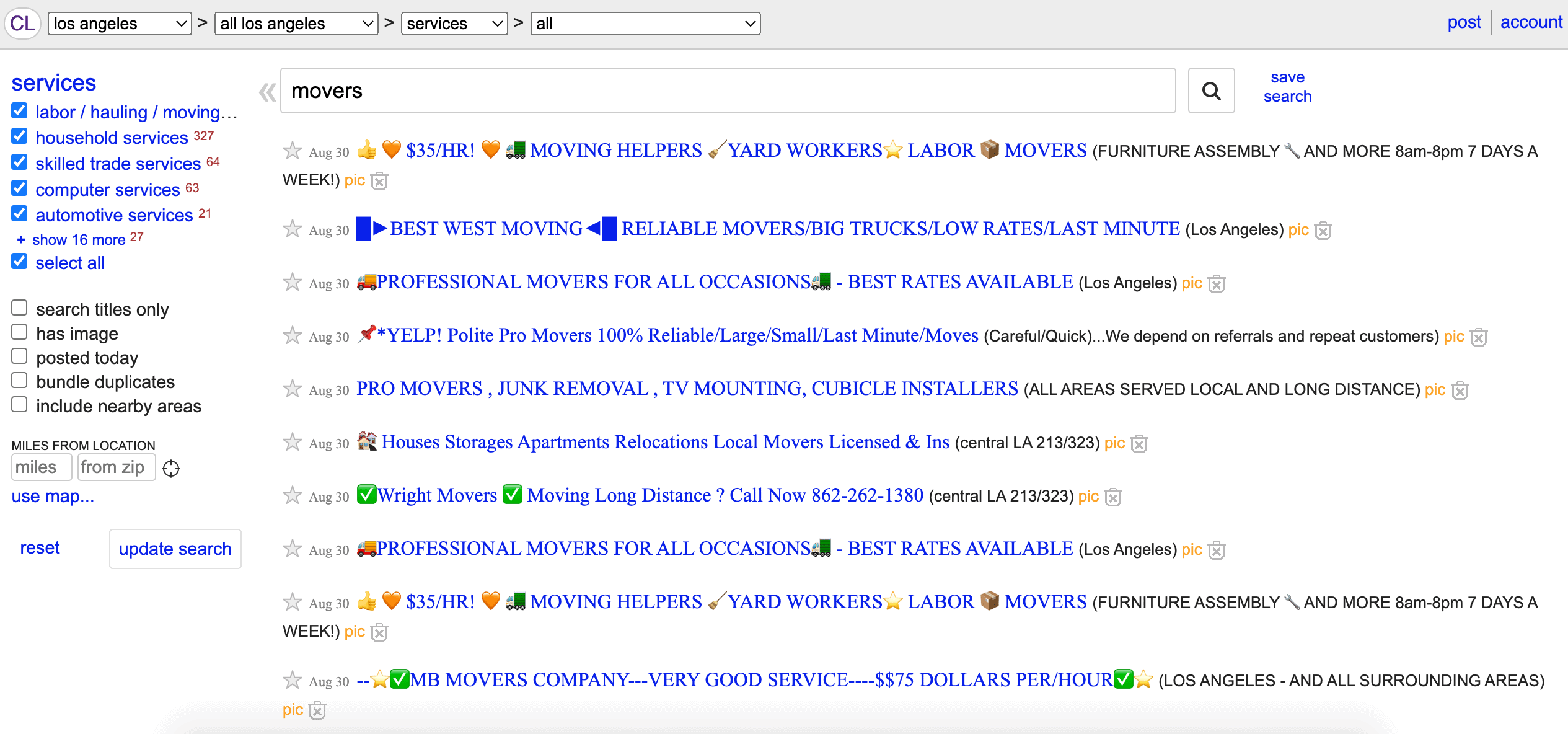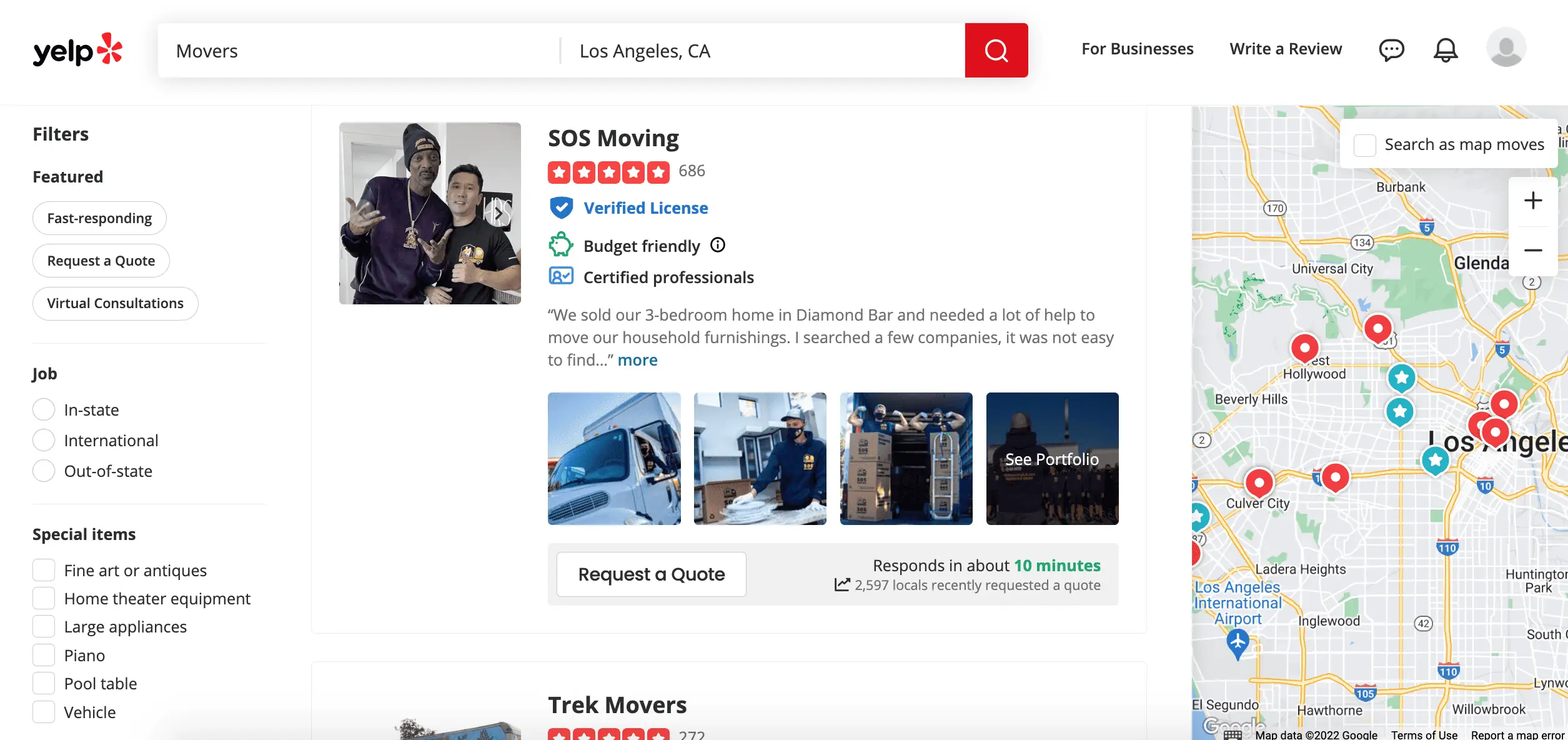
Last year, the Better Business Bureau received over 100,000 inquiries about moving companies, along with over 700 formal fraud complaints. And that’s just the people who took the time to file reports.
If you’re preparing for a move, those numbers are unsettling. But you shouldn’t dwell on the worst-case scenarios. Instead, you should arm yourself with the knowledge of what to look for so you can avoid scams and feel more secure in your move.
At HireAHelper, we’ve been in the business for over 15 years, and we take the reputation and trustworthiness of the movers on our platform seriously. That’s how we know about moving scams, and all the best ways to avoid them. This guide will give you practical tips to spot scams, safeguard your belongings, and feel confident every step of the way.
How Moving Scams Happen
When Mary and Will planned a long-distance move to St. Simons Island in Georgia, they expected the usual stress of packing a ton of boxes and figuring out how to haul their couch to the truck. What they did not expect was a logistical nightmare.
“A good first step [if you were scammed] is filing a complaint with your state’s Consumer Affairs Division or similar agency. They can look into what happened, help document your case, and sometimes assist with recovering money for damaged or missing items.”
Larger moving companies weren’t returning their calls due to high volume, and local movers couldn’t accommodate the over 300-mile move. The couple also looked into moving container companies, but the cost didn’t fit their budget. Eventually, an online search connected them with a moving company called Nation Relocation.
The company responded quickly and sent someone for an estimate. “That meeting went well enough, so we had no reason to distrust the company,” Mary told HireAHelper. As a retired Army family who had always experienced smooth moves, they assumed this one would be no different. Their confidence quickly dropped once the packing process got underway.
Suspicions Mounting

On day one, the mover drove the truck onto their lawn, causing over $600 in damage. When presented with the repair invoice, the owner of the company simply replied, “That’s not going to happen.” Once the belongings arrived in their new home, the couple discovered a long list of damage and missing items.
An antique mirror from the 1940s was wrapped in just “one sheet of packing paper,” while a fragile vase from Mary’s late mother-in-law was “jammed into a box with heavy items.” Entire rooms’ worth of tools and household items disappeared, including power tools, a flat-screen TV, and two bicycles.
“He was belligerent and disrespectful and showed little care for our personal property,” Mary said.
Not an Isolated Incident
Unfortunately, stories like Mary and Will’s are far from rare. BBB data shows that hundreds of people file moving scam complaints each year, and many more never report what happened. The most frequent schemes fall into three categories:
- Damage, theft, and other harm to your belongings or property are never compensated.
- Hidden fees for materials or labor that were never disclosed upfront
- Outright abandonment or hostage situations where movers delay or refuse delivery unless additional payments are made
In the most extreme cases, belongings go missing entirely, and the company becomes unreachable. For example, a Las Vegas company called Konami Moving and Storage made headlines for scamming multiple customers. One customer said her items were held hostage until she paid an undisclosed fee, and another reported losing thousands after many of his belongings disappeared or arrived damaged.
As you can imagine, these issues create real financial and emotional fallout for everyday families. Recognizing warning signs can help prevent similar experiences and keep your next move protected.
Specific Scam Types to Watch For
While every situation is different, many moving scams follow a few familiar patterns. Knowing what these look like ahead of time can help you spot early warning signs and avoid surprises once your belongings are on the truck.
Over-the-Phone Estimates
Over-the-phone estimates may sound convenient, but they’re one of the most common ways moving scams begin. Without seeing your home, inventory, stairs, or access points, movers can quote an unrealistically low price that leaves room for surprise charges later.
Fake or Unlicensed Moving Companies
Some dishonest movers pretend to be licensed and insured when they’re not. Or, even worse, they borrow credentials from real companies. Others build look-alike websites with copied logos and fake reviews. Everything may look legitimate until a problem comes up and the company suddenly disappears.
The Bait-and-Switch
A bait-and-switch happens when movers lure you in with a low price, then raise it dramatically on moving day. Charges for materials, labor, heavy items, or distance may appear out of nowhere. If estimates are vague or the company resists putting details in writing, be cautious.
Required Deposit and Prepayment Demands
Large upfront deposits are a common warning sign, especially if payment is required before moving day. While many companies will ask for a partial deposit upfront, you should always be suspicious if it’s all or most of the quoted price, and there’s no policy for paying once your belongings are delivered. These payment methods offer little protection if the company doesn’t deliver.
The Thin or “Skin-in-the-Game” Contract
If a contract is extremely short or leaves out important details, like what’s included, timelines, and dispute processes, it can open the door to unexpected charges. A clearly written and itemized agreement helps protect you if something doesn’t go as planned.
Late (or Never) Delivery
Delayed delivery is not always a moving scam — things happen! — but excessive delays or constantly changing timelines can be a sign of one. Some companies even hold belongings hostage until more money is paid. If delivery expectations aren’t clearly set ahead of time, including what happens in the case of weather or emergency delays, proceed with caution.
Reckless Abandonment
Reckless abandonment occurs when movers leave mid-move, unload belongings at an unsecured location, or disappear entirely after loading items. Customers are often left scrambling to recover or retrieve their property while facing added costs, stress, and delays.
Weight and Volume Manipulation
Some companies inflate the weight or volume of a shipment to justify higher costs, sometimes by falsifying numbers or over-packing items. If the final price jumps far beyond the estimate with little explanation, that’s a sign to ask questions and request proof.
How to Avoid Becoming the Victim of a Moving Scam
While most moving companies operate professionally, taking a few deliberate steps before booking can significantly reduce your risk of being the victim of a scam. From avoiding surprise charges to protecting your belongings, the strategies below focus on the most effective safeguards without overcomplicating the process.
1. Get Several Quotes
Comparing multiple quotes is one of the easiest ways to protect yourself from bad pricing and shady operators. Marketplaces like HireAHelper make this quick and easy, and seeing a range of offers gives you a real sense of what your move should cost.
Watch out for these red flags when comparing quotes:
- One number is way too low: If one company comes in far cheaper than everyone else, something is probably missing. A “great deal” can quickly turn into a bill packed with surprise charges.
- You can’t get straight answers: If pricing, licensing, or insurance details feel vague, that’s a sign to pause. “If there is any pushback from requests for this information, that could be a red flag that you are working with a fraudulent moving company,” explains Kristen Bolig, founder of SecurityNerd.
- They won’t put anything in writing: A verbal quote can change without warning. A written agreement gives you something solid to reference later.
- They ask for a large down payment upfront: Scammers love to take the money and disappear. Keep deposits to a partial amount and tied to clear, refundable terms.
2. Check the Company’s Online Presence and Credentials
A legitimate business wants people to find them. At the very least, a mover should have:
- A basic website
- A consistent brand name
- Clear contact information
- Reviews on trusted platforms
If a company seems to barely exist online or has changed its name multiple times, take that seriously. For example, Mary and Will later discovered that the mover they hired, Nation Relocation, had also operated as “Region Relocation.”
“They have no social media presence either,” Mary said, “and it is the opinion of myself and multiple others whom they have scammed that they’ve done this intentionally to minimize their traceability and their accountability footprint.”
3. Review Customer Feedback Thoughtfully
Reviews reveal how a company treats customers after the sale is complete. Consistent complaints about damage, surprise charges, unresponsiveness, or missing items should give you pause.
“Looking back, we would have started our market research earlier and looked at online reviews and Better Business Bureau reports,” Mary said. Had they done so, they would have seen:
- Nation Relocation: A one-star rating, and multiple reports of property damage and harassment
- Region Relocation: F rating from the BBB, with dozens of recorded complaints
4. Keep a Clear Inventory
During the hectic days of a move, it is surprisingly easy for items to go missing without you noticing. Keeping a detailed list helps ensure everything that goes on the truck is accounted for later. For expensive or sentimental pieces, a quick photo takes that one step further.
“Moving can be hectic, but being organized will help mitigate any risk of theft,” says Bolig. “Keeping inventory of your belongings will allow you to know if anything is missing once the move is done.”
5. Secure High-Value Items
Whenever possible, transport especially valuable, sensitive, or sentimental items yourself. If that’s not an option, using lockable containers and discreet labeling for inventory purposes can help reduce risk. Avoid markings that indicate value or attract unnecessary attention.
6. Consider Moving Insurance Carefully
Moving insurance can’t replace sentimental belongings, but it can help protect you financially if something is damaged or goes missing. Movers are required to offer basic valuation coverage, but this is often limited because it’s based on weight, not the true value of what you own.
Many people choose to purchase third-party moving insurance for broader protection, especially when transporting high-value items. “Even if you do fall victim to a scam, you can have this insurance to fall back on,” says Bolig.
These policies do come with an added cost, typically around $1.25 per pound. However, the extra investment can easily be worth the peace of mind if something unexpected happens.
7. Understand Binding and Nonbinding Estimates
Not all moving estimates work the same way, and misunderstanding the difference can lead to unexpected costs. A binding estimate establishes a fixed price based on the services, inventory, and conditions outlined in the written agreement. As long as the scope of the move does not change, the final cost should match the estimate.
A nonbinding estimate, meanwhile, is an approximation rather than a guaranteed price. This means the final total may increase if the actual weight, time, or services differ from what was originally estimated. To protect yourself, review the contract carefully and consider these questions:
- Is this estimate binding or nonbinding, and where is that stated in writing?
- How will any price increases be calculated and documented?
- Are there limits or caps on how much the final cost can increase?
- When is payment due, and can additional charges be requested before delivery?
8. Recognize the Difference Between Brokers and Carriers
Some companies act as brokers, while others are carriers, and this distinction affects their accountability. Brokers coordinate moves by arranging services through third-party carriers, but they do not own the trucks or employ the crews that handle belongings. Carriers, on the other hand, perform the move directly using their own equipment and staff.
“If one company comes in far cheaper than everyone else, something is probably missing. A ‘great deal’ can quickly turn into a bill packed with surprise charges.”
Understanding which role a company plays helps set expectations about communication, responsibility, and problem resolution. If you are working with a broker, ask when the carrier will be assigned and how their credentials will be verified. Knowing who is physically handling your items — and who is responsible if something goes wrong — can help prevent confusion and delays if issues arise.
9. Ask the Right Questions
Clear, direct questions can reveal how transparent and prepared a moving company truly is. Reputable movers should be able to explain their processes, responsibilities, and policies without hesitation. Vague or inconsistent answers can signal disorganization or a lack of accountability.
Before booking, ask the following questions:
- Who will be physically handling my move, and will that change before moving day?
- What services are included in the quoted price, and what would cost extra?
- How are delivery windows determined, and what happens if timelines change?
- What is the process for reporting damage or missing items, and how long do claims take?
- What documentation will I receive before, during, and after the move?
What to Do If You’ve Been Scammed by a Moving Company
Even with careful planning, moving scams can still happen. If you believe a mover has acted fraudulently, taking prompt action can improve your chances of recovering belongings, documenting losses, and preventing the company from harming others. The steps below outline how to report a moving scam and who to contact.
1. Report the Incident to Your State’s Consumer Affairs Office
A good first step is filing a complaint with your state’s Consumer Affairs Division or similar agency. They can look into what happened, help document your case, and sometimes assist with recovering money for damaged or missing items. Reporting also helps officials identify unlicensed or dishonest movers so they can take action and prevent others from being affected.
If your move crossed state lines, the company may fall under federal rules as well. Gather anything that supports your claim, like contracts, receipts, or the mover’s license number, so investigators have what they need to review the situation.
2. File a Police Report
Filing a police report creates an official record, which can be helpful for insurance claims or if the situation escalates. This is especially important if your belongings were stolen, withheld for extra payment, or damaged in a way that suggests intentional harm. Every area handles these incidents a bit differently, but law enforcement may be able to guide you on next steps and let you know what support is available locally.
3. Consider Alerting Consumer Watchdogs or Media Outlets
If you feel stuck and aren’t getting the help you need, reaching out to consumer advocacy groups or local news organizations can sometimes move things forward. Public attention can highlight repeat offenders and help protect future customers. This step is completely optional, but it can be empowering to share your story if you are comfortable doing so.
Staying Scam-Free on Your Next Move
Moving doesn’t have to feel like a gamble. Trusting your instincts, slowing down the decision-making process, and paying attention to red flags can go a long way toward protecting your belongings and your budget. If something about a quote or contract feels off, it’s worth taking a step back and exploring other options before moving day arrives.
Planning ahead and using tools designed to promote transparency can also reduce risk. Platforms like HireAHelper help take some of the uncertainty out of hiring movers by allowing you to compare prices, read verified reviews, and book services with vetted pros and clear expectations upfront. With careful preparation and the right resources, you can focus less on avoiding scams and more on settling into your new home with confidence.
Frequently Asked Questions
What should I do if a mover demands a large deposit?
Large upfront deposits are a common warning sign, especially if a mover requests full or near-full payment before moving day. In most cases, deposits should be limited and clearly documented, with refund terms explained in writing. If a company insists on a large payment before services are performed, it’s reasonable to pause and seek other options.
Safer practices include using a credit card hold rather than paying cash, limiting deposits to small, refundable amounts, and confirming cancellation and refund policies before booking. Payment methods that offer consumer protections can make it easier to dispute charges if something goes wrong.
How can I verify a mover’s license and insurance?
Mover licensing depends on the type of move. For interstate moves, companies must be registered with the Federal Motor Carrier Safety Administration (FMCSA), which provides a public lookup tool for verifying operating authority and complaint history. For intrastate moves, licensing is handled at the state level, typically through a department of transportation or consumer affairs office.
During booking, ask for the mover’s license number, proof of insurance, and the legal business name associated with those credentials. Cross-checking this information with official databases helps confirm that the company is authorized to operate and accountable if issues arise.
Is it safe to pay movers in cash?
Paying movers in cash carries additional risk because it offers little documentation or recourse if a dispute occurs. Cash payments can make it harder to prove what was paid, when it was paid, and for what services, especially if unexpected charges arise. Tips are the one exception, and are often paid only in cash.
When possible, consider paying by credit card or check, which creates a clear transaction record. Keeping receipts, invoices, and payment confirmations in one place can be helpful if you need to file a complaint, dispute a charge, or submit a claim later.
Can HireAHelper helpers be held accountable if something goes missing?
HireAHelper operates as a marketplace, connecting customers with independent moving professionals rather than acting as the moving company itself. If an issue arises, customers can submit a dispute or claim through the platform, which initiates a review process and allows both parties to provide documentation.
Customer reviews also play an important role in accountability. We value feedback from completed moves, which helps future customers make informed decisions and encourages providers to maintain professional standards. Following our booking and communication processes ensures there is a clear record if follow-up is needed.
What does moving insurance cover?
Moving insurance coverage varies depending on whether it is provided by the mover or purchased through a third party. Mover-offered coverage is often limited and based on weight rather than item value, which may not fully reflect the cost of replacing damaged or lost belongings.
Third-party moving insurance typically offers broader protection but comes at an additional cost, often calculated by shipment weight or declared value. Before purchasing coverage, review what is included, what is excluded, and any coverage limits so you can decide whether it aligns with the value and risk level of your move.
 And while the internet is awash with articles listing all kinds of side hustles to consider, there is one lucrative side gig few are talking about: starting a local moving company (or joining one).