
How I Pack a Dishpack

Author:

Publish Date:

Last Modified Date:

Category: Pro Packing Guides

Tags: Tags: , , , , , , , , , , , , , ,

If you’ve ever unpacked a moving box and discovered shards of broken dishes, you know the importance of using dish pack boxes for your fragile items. These specialty moving boxes — also called dish barrels — help you transport fragile kitchenware safely, providing more protection than standard cardboard boxes.

Professional movers swear by dish packs for plates, glassware, china, and stemware. Collectors also use these specialty boxes for delicate figurines or crystal. But the pros already have the know-how when it comes to packing. If you’re planning a DIY move instead, understanding how to pack a dish pack yourself is also helpful, and can be the difference between “everything arrived in perfect condition” and “time to replace our wedding set.”

In this guide, we’ll cover:

  • The definition of a dish pack
  • Why a dish pack is great for fragile items
  • How to choose the right dish pack
  • How to pack a dish pack like a pro

What Is a Dish Pack or Dish Barrel?

Cardboard dish pack box with dividers for packing dishes and glassware safely during a household move.

A dish pack, often called a dish barrel, is a sturdy box made for fragile or delicate items. You may also hear smaller dish packs and dish barrels called kitchen boxes. These heavy-duty boxes are engineered with double-walled or triple-walled corrugated cardboard for extra strength. The way you can tell is that corrugated cardboard has a “wavy” inner layer. This fluted interior cushions fragile items and provides impact resistance.

Dish packs are typically taller and narrower than regular moving boxes. Their unique design helps distribute weight evenly and keep fragile items upright during transport.

These specialty boxes are great for safely transporting household items, including:

  • Plates and bowls
  • Glasses and mugs
  • Serving platters
  • Fine china
  • Crystal stemware
  • Collectible or decorative pieces

Thanks to their reinforced construction, dish packs can handle more weight than standard moving boxes. A standard-sized dish box, which often measures approximately 18″ x 18″ x 28″, typically holds 60 to 70 pounds. Some dish boxes can hold more than 100 pounds. However, you should keep the weight under 50 pounds. Otherwise, you or your movers may get hurt lugging around heavy items.

Many dish barrels come with optional cardboard dividers to create compartments. These practical compartments stop items from clinking together during transit, and help prevent chips, scratches, and breakage. You should use them if they come with the dish packs you’re using, or consider buying the inserts separately if you want to keep certain dishes extra safe.

Cost, Availability, and Alternatives

You can expect to spend approximately $15 to $30 per dish pack. Prices vary based on box size, wall thickness, and whether dividers are included. You can save money by buying dish barrels in bulk or purchasing gently used kitchen boxes.

Dish pack alternatives include:

  • Glassware boxes: Custom-shaped inserts protect fragile items such as wine glasses and mason jars.
  • Mirror cartons: Ideal for mirrors and other fragile, flat belongings, including holiday serving trays.
  • Small wardrobe cartons: Designed for clothing, but they’re also a smart choice for tall items like floor vases.

There are plenty of other tips and workarounds, and you can find some more on our packing help hub.

Benefits of Using Dish Packs Over Regular Boxes

The biggest advantage dish packs have over regular moving boxes is the shock-absorbing corrugated cardboard interior. This extra layer in a dish pack provides superior protection for fragile items.


“Forgetting to mark the box with ‘Fragile’ and ‘This Side Up’ can lead to you or movers unintentionally flipping or stacking heavy items on top of your dishpacks.”


These reinforced walls also make stacking simple in the moving truck, and the dish pack’s tall, narrow shape makes the box easy to carry by keeping the load balanced. Unless it’s something exceptionally fragile or precious, you can typically pack multiple items inside a dish pack without worrying about cracks or shattering.


What Goes Inside a Dish Pack

Dish packs are ideal for fragile kitchenware and small or medium breakables. Here are some common household items that can go inside a dish pack:

However, some housewares and kitchen items do better in other moving boxes. Skip the dish barrel if you’re packing these items:

  • Oversized cookware, like stock pots or roasting pans
  • Heavy cast-iron skillets or crockpots
  • Liquids

Professional movers recommend packing dish packs tightly without overstuffing them. Make sure you include plenty of padding between each layer.

Consider a three-layer cushioning method. Use folded paper on the bottom, a layer of crumpled paper in the middle, then another layer of folded paper on top. This keeps heavy dishes from crushing your cushioning.


Common Mistakes to Avoid With Dish Packs

Even the sturdiest dish pack can damage your items if you have poor packing techniques. Keep everything in one piece by avoiding these common errors:

  • Overloading the box: Makes it too heavy to lift safely, and can also cause the box to collapse.
  • Skipping the bottom padding layer: Not having this extra cushion leaves items vulnerable to impact when being set down and in transit.
  • Mixing fragile and non-kitchen items: This can cause shifting and breakage.
  • Not labeling properly: Forgetting to mark the box with “Fragile” and “This Side Up” can lead to you or movers unintentionally flipping or stacking heavy items on top of your dishpacks.

Kevin the Mover Explains How to Pack a Dishpack
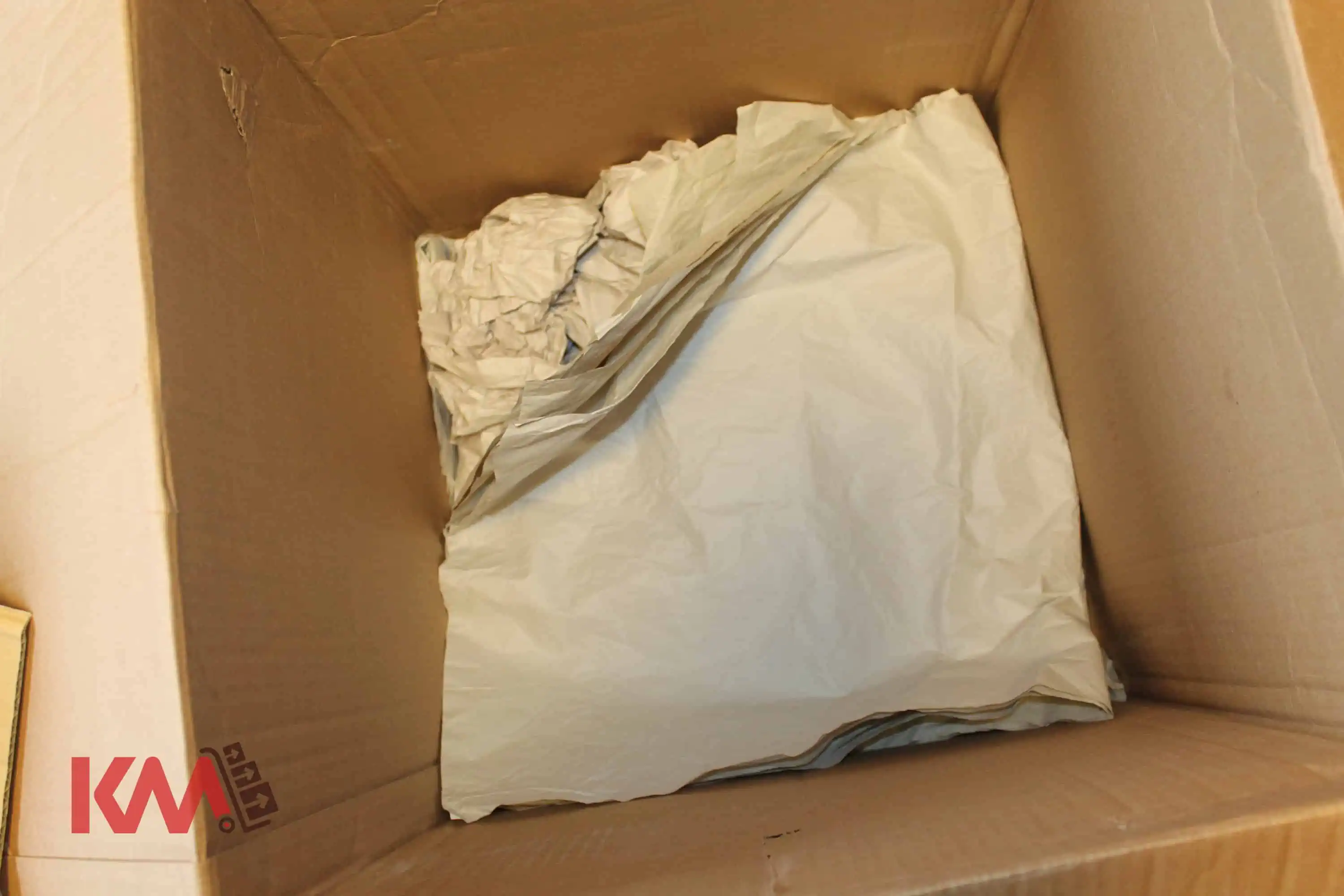
Kevin the Mover, a longtime moving pro with years of experience, has packed more dish packs than he can count. In his opinion, you should always start with the bottom with some layer of paper to act as a cushion. According to Kevin, there are two common ways to do this:

“Some movers will fold a dozen or so sheets of packing paper to create their thick layer of padding. Others will ball up these dozens or more sheets of paper and create a sea of crumpled newsprint at the bottom of the box.”

But there are some drawbacks to either method. Folding packing paper might not give you enough of a cushion, and the crumpled ball method might collapse or create gaps that your dishes or other fragile belongings can fall through. Kevin, however, came up with a third option:

“But what else was there to do? It had to be one or the other, right? Then one day it hit me — and now I do both.

Ever since that “Eureka” moment, I start my dishpacks by putting down a layer of several folded sheets of packing paper, adding a dense layer of crumpled paper, then topping that off with a layer of more folded sheets of paper. The crumpled paper layer in the middle gives plenty of cushioning, while the layers of folded paper help keep that middle layer in place.

There’s more than one way to cushion a dishpack. This just happens to be my favorite because it provides the most amount of support, which in turn, has helped me keep claims down to a minimum.”

Now you also have this method to help you pack your most fragile items, and get them to your new home in one piece.

How to Pack Wine Glasses

Author:

Publish Date:

Last Modified Date:

Category: Pro Packing Guides

Tags: Tags: , , , , , , , , , , , , ,

The kitchen can be a challenging and intimidating room to pack. Not only is it filled with items of all shapes and sizes that can be awkward to pack, but it’s also where everyone’s delicate and fragile dishes and glassware reside. This includes precious stemware.

Thankfully, once you learn how to pack wine glasses for a move, it helps you pack other delicate items confidently, including champagne flutes, cocktail glasses, oil cruets, glass decanters, and decorative glass vases and bottles.

Just follow this step-by-step guide and you’ll be packing wine glasses (and more!) like a pro in no time.

Supplies Needed to Pack Wine Glasses Safely

An example of a dishpack with dividers and glasses wrapped in packing paper If you’re moving with wine glasses or fragile dishes, the right materials can make all the difference in preventing chips and cracks. Consider investing in the following supplies:

  • A sturdy dish-packing box. Buy a double-walled box with reinforced handles designed to carry the weight of dishes. The extra support reduces the risk of damage to your glassware if the box is bumped during transit.
  • Divider inserts. Invest in cardboard grid inserts that create individual compartments for each glass in your box. This streamlines packing while keeping wine glasses from knocking into each other during transport.
  • Packing paper or bubble wrap. Choose clean, flexible paper that you can easily wrap around each glass. You can also use bubble wrap. Unused gift wrap and tissue paper can work in a pinch, but not quite as well. Avoid using old newspapers because the ink can smudge and stain your glasses.
  • Tape. Use high-quality packing tape to seal your boxes once they’re full.
  • Labels and markers. Have supplies to ensure boxes are labeled in a way that won’t fall off or smudge during the move.
  • (Optional) Foam sheets or towels. You can use dish cloths or other linens you need to pack anyway.

Step-by-Step Guide for Packing Wine Glasses

Take your time when packing wine glasses to ensure your stemware is well protected for loading, unloading, and transport. Follow these 9 steps to keep your glasses intact and ready for another toast in your new home.

Step 1: Clean your stemware

someone cleans a wineglass with a paper towel

Wine glasses that aren’t used regularly may have collected a layer of dust. Run them through the dishwasher or hand wash and dry them before you pack. Cleaning your dishes prior to packing helps you arrive at your new home with a truly fresh start.

Step 2: Reinforce the bottom of the box

Start by adding an extra strip or two of packing tape to the seams to reduce the risk of the bottom opening during transport. Consider adding a layer of packing tape across the entire bottom of the box if you’re reusing a box or want to protect valuable collectible stemware.

Step 3: Add a shock-absorbing layer

Create a layer at least 2 inches deep of crumpled packing paper, folded towels, foam padding, or another soft substance on the bottom of the box.

Step 4: Place dividers

Insert cell dividers if you’re using them. You can make your own by cutting pieces of cardboard from extra boxes.

Step 5: Wrap each wine glass

a family packs wrapped wineglasses into a box

Place a piece of clean packing paper on a table or counter. Lay a wine glass diagonally across it at one corner. Carefully roll the glass and paper, tucking the corners and sides into and around the glass. Think of it like creating a snug little wine glass burrito.

Step 6: Reinforce delicate wine glasses

Add another sheet of packing paper or some bubble wrap if you have especially delicate glasses.

Step 7: Pack glasses in the box

Place them upright, even though it might be tempting to put them upside down. If you’re using a divider, place glasses one per divider. If you don’t have dividers, place glasses in the box so they fill up the space without touching each other or the sides of the box.

Step 8: Pad all the gaps

Carefully fill in the spaces between the glasses with packing paper, towels, bubble wrap, or other soft material. The glasses shouldn’t shift when you shake the box slightly.


“For optimal security, wedge the box [with your wineglasses] firmly between soft items [in the moving truck] for transport. Moving blankets, couch cushions, and bed pillows are all ideal for this purpose.”


Aim for at least 2 inches of space between the tops of the glasses and the box lid. Add towels, paper, or bubble wrap to fill in that space.

Step 9: Seal and label the box

Tape the box shut with several strips of packing tape, then label the box on top and several sides with words like “glassware” and “fragile”. Indicate which side is up so you can safely unpack the glasses later.

Smart Substitutes for Dish Boxes and Paper

a person packs clothing into a plastic tub

If you don’t have a double-walled box, you can also pack wine glasses in other sturdy containers. For instance, a plastic or rubber bin can support the weight of glassware and help protect it from breakage. To pack wine glasses in these types of containers, follow the same steps above, and consider securing the lid of the bin with tape, especially if it doesn’t have its own locking mechanism.

If you run out of packing paper, you can still pack your wine glasses safely. Consider using clean socks, t-shirts, or pillowcases to wrap or otherwise protect your glasses. Don’t, however, wrap delicate stemware in clothing with buttons, zippers, or other hard components. Metal, wood, and even hard plastic items can scratch or damage your glasses.

And if you’re moving the wine as well as the glasses, make sure you know how to pack and transport it.

Learn more on our How to Pack Hub.

FAQs About Moving Wine Glasses

What Is the Best Way to Unpack Wine Glasses?

Always open the box from the top. Then, carefully remove the first layer of padding and lift each glass out individually. Unwrap the glass and place it in a cabinet or wine glass holder. Avoid unpacking wine glasses before you’re ready to put them away, as a bunch of stemware standing around on a random table can be a risk. As you unwrap and put each glass away, take a moment to inspect it for small chips or cracks that may have occurred in transport.

How Can You Transport Wine Glasses Safely?

Keep the box upright at all times and avoid putting heavy boxes on top of it. Label boxes with glasses as fragile so you or your movers know where to stack them in moving trucks, and avoid putting them on uneven surfaces. For optimal security, wedge the box firmly between soft items for transport. Moving blankets, couch cushions, and bed pillows are all ideal for this purpose.

Can I Move Wine Glasses Myself or Should I Hire Professionals?

Professional movers have ample experience carrying and loading fragile items, so it’s not a bad idea to let them handle your wine glasses and other glassware. But you can move wine glasses yourself if you have the right packing supplies and are comfortable handling fragile items. You may prefer to move items yourself if they’re sentimental or especially valuable.

Should I Pack Wine Glasses in Their Original Packaging?

If you still have those boxes and packaging, that’s an ideal way to pack your wine glasses for moving. Ensure you can easily fit everything back in the box without forcing it, and that your glasses are well cushioned. You should still label the box for moving professionals, as many people reuse boxes, so your movers might not assume a box with pictures of stemware contains actual stemware.

×

I'm Moving

Moving? Thinking about moving? Whether your move is off in the distance or you already have one foot out the door, you'll learn about everything you should expect through our useful how-to's, cool articles and much more. It's all specially curated for you in our "I'm Moving" section.
Explore
×

I'm a Mover

For rookies or veterans alike, our "I'm a Mover" section is filled with extensive industry news, crucial protips and in-depth guides written by industry professionals. Sharing our decade of moving knowledge is just one way we help keep our professional movers at the top of their game.
Explore