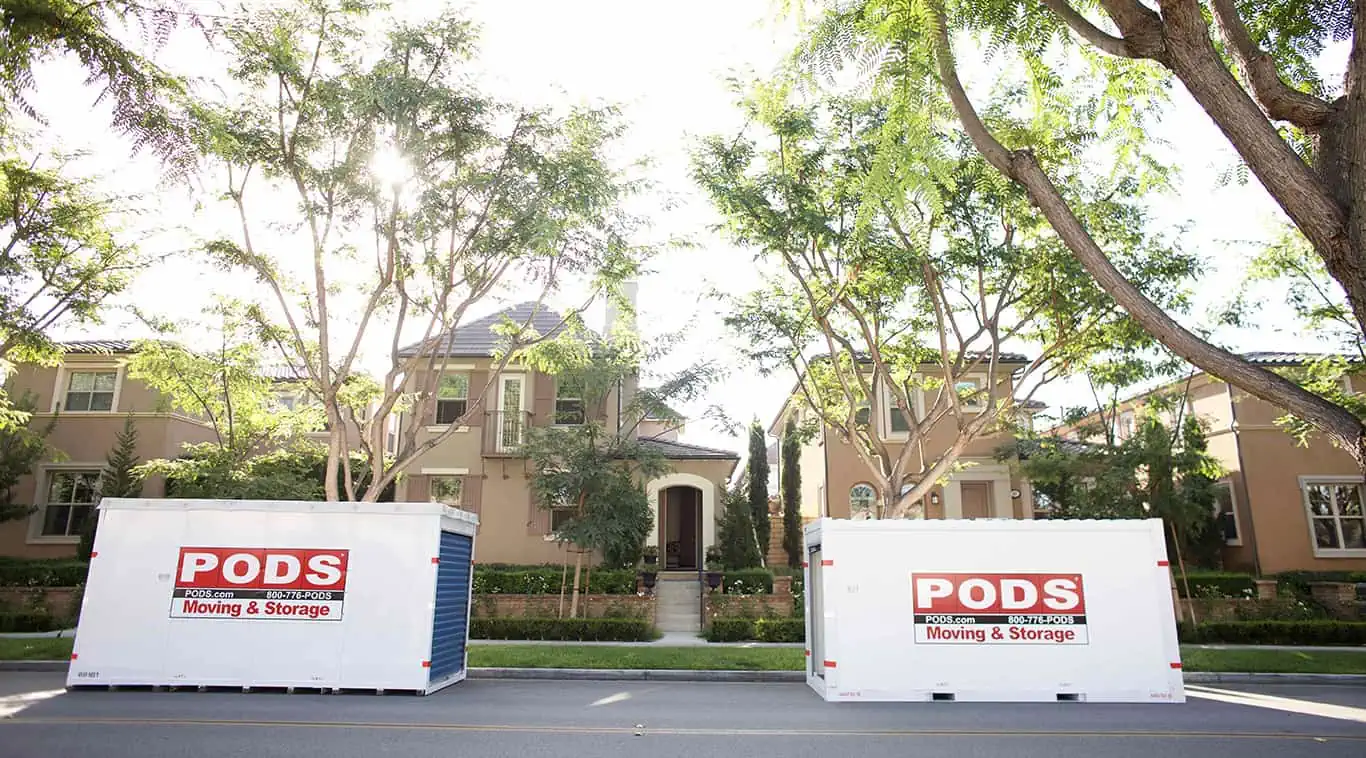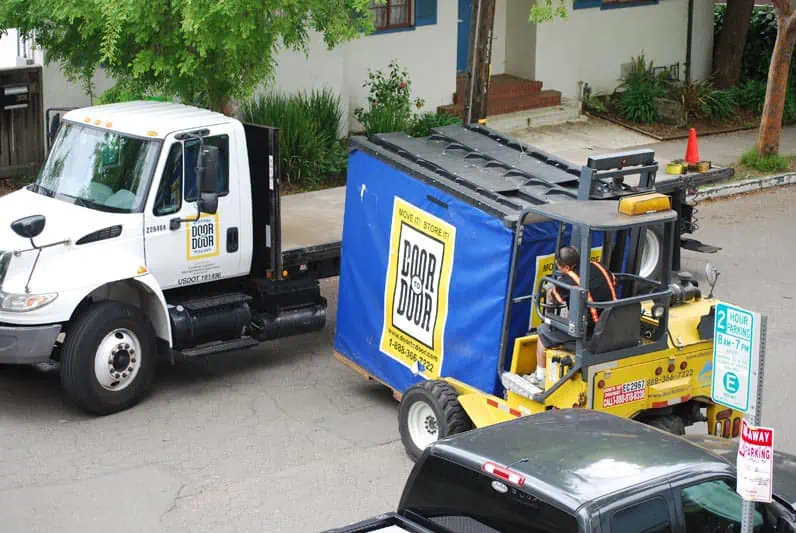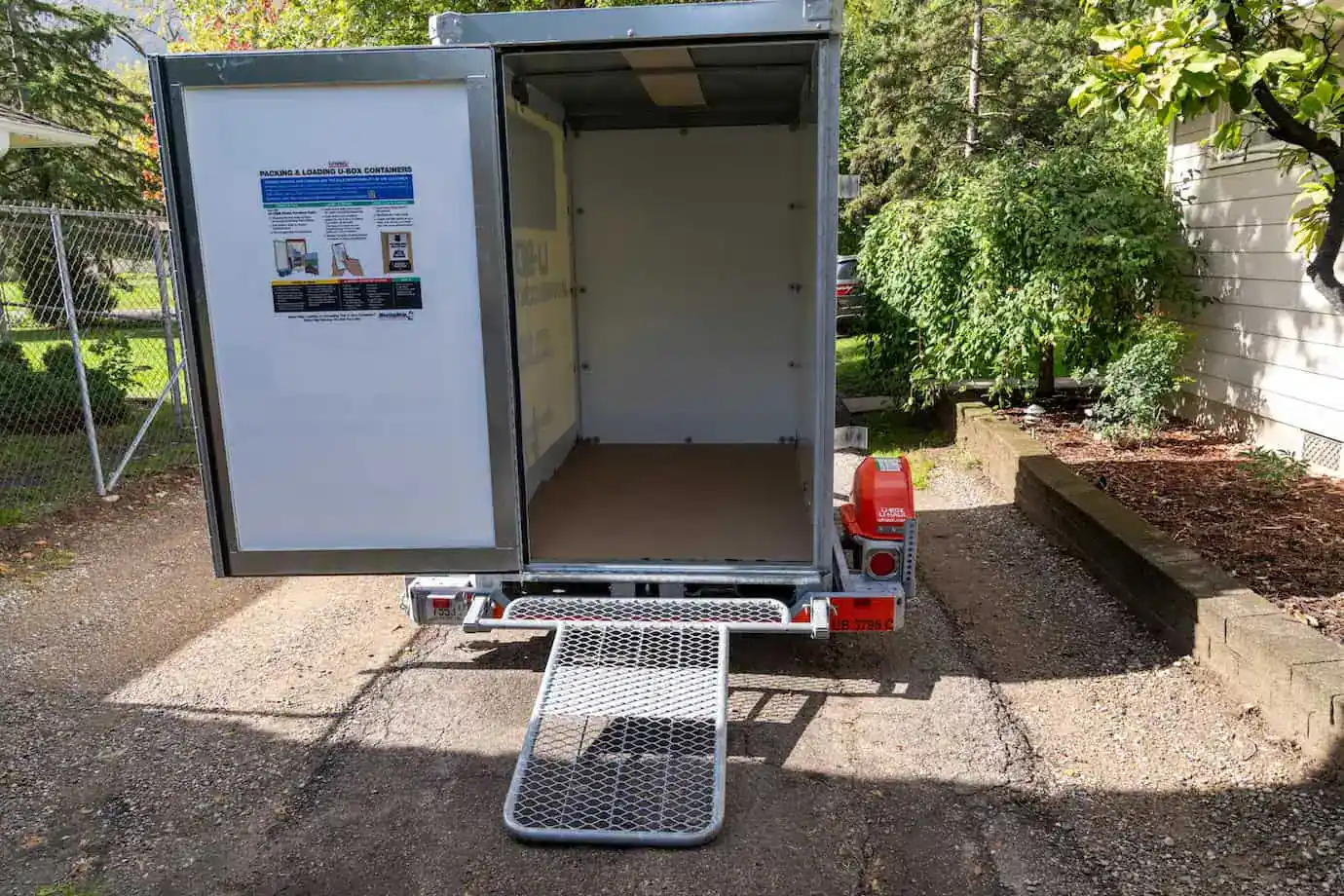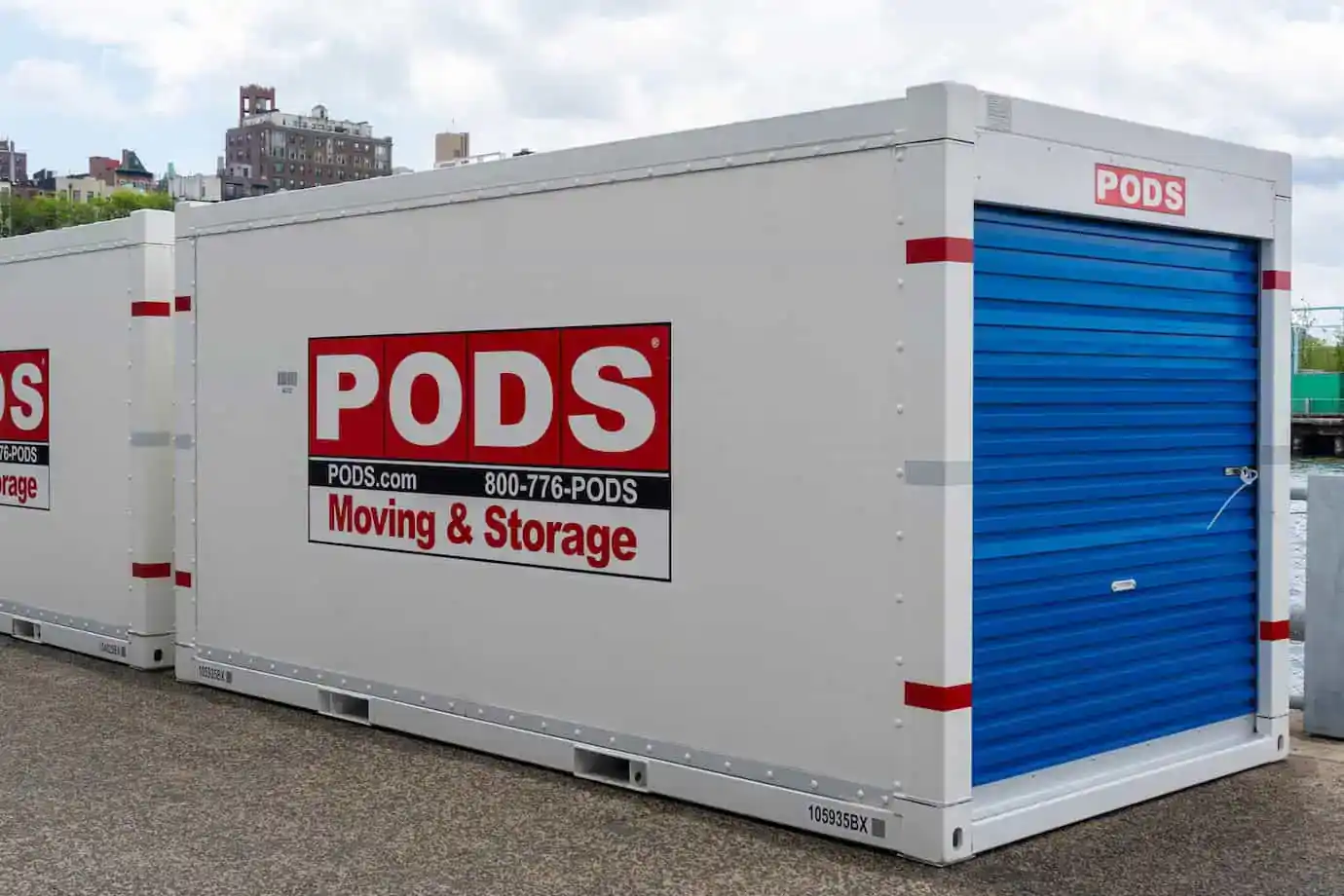
Being spoiled for choice when it comes to moving containers is generally a good thing, but it does mean it is harder to find the best deal at a glance. That is why HireAHelper analyzed over 10,000 completed moves to figure out exactly who offers the most affordable options. We know that finding a reliable service that doesn’t break the bank is the most important part of your move.
The quick answer: The cheapest moving container company is Zippy Shell, based on HireAHelper’s internal Moving Container Price Database, made up of thousands of real-world moving container purchases. Here are some more details:
- The average cost of a Zippy Shell container is $585.01 for a local, 3-bedroom house move.
- The next-cheapest brand is U-Haul U-Box, which averages $586.54 for the same local 3-bedroom house move.
- The third cheapest brand is PODS, which averages $607.76.
During our analysis, we looked at the final receipts from real customers, fees and last-minute changes included, to see which companies actually save you money.
If you’re just starting your research on moving containers, you can read our guide on moving storage containers. But if you are ready to crunch the numbers and find the best deal, keep reading to see which brands came out on top this year.
The Cheapest Moving Container Companies At a Glance
If you just want to know which company has the best price tag, the answer is that Zippy Shell is currently the cheapest moving container company for a typical local move. They narrowly edged out U-Haul’s U-Box by just a dollar and change, proving that competition for the lowest price is stiff.
“When looking at reviews [for container companies], make sure you look for feedback that is as close to your specific area as possible. A company might have a five-star team in Austin but struggle in Seattle, so local info is key.”
However, the cheapest option isn’t always the best fit for every single situation. For example, while Zippy Shell wins on price, PODS offers greater flexibility in storage and scheduling that might be worth the extra cost for a complicated remodel. Plus, they are only about $20 more expensive than the cheapest options for a local move.
Meanwhile, U-Pack (which doesn’t handle local moves and therefore isn’t in the table below) is practically tied for the lowest price on cross-country moves and is often the “Cheapest Cross Country Moving Container” option for long hauls.
Here is how the top companies stack up for a standard local move (under 50 miles) for a 3-bedroom house.
Cheapest Moving Container Companies (Local Move)
| Company | Best For | Average Cost (Local)* |
| 1. Zippy Shell | Cheapest Overall: Long-distance moves and tight budgets | $585.01 |
| 2. U-Haul U-Box | Wide availability and small loads | $586.54 |
| 3. PODS | Flexibility and on-site storage | $607.76 |
| 4. Go Mini’s | Local moves and large 20-foot containers | $642.01 |
| 5. 1-800-Pack-Rat | Sturdy all-steel protection | $645.26 |
| 6. SMARTBOX | Most Expensive Overall: Room-by-room packing | $657.67 |
*Average costs reflect a local move (under 50 miles) for a 3-bedroom house. Proprietary data from the HireAHelper Moving Container Price Database
If you are still deciding between the big names, consider our deep-dive comparison of moving pods to see how the specific service features differ.
HireAHelper’s Moving Container Price Database
To find the cheapest moving container company, we used HireAHelper’s Moving Container Price Database of thousands of moving container costs from real people who moved with HireAHelper.
This isn’t just a collection of online estimates or marketing brochures. We looked at the final bill — the real amount people paid after their move was finished. This means our average prices include the things that might crop up later, like mileage charges, fuel, insurance, overage fees, and rental extensions.
The advantage of using this data is that it smooths out the noise and outliers. Online quotes can fluctuate wildly based on cookies in your browser or the time of day you search. By looking at a massive history of real completed jobs, we can give you a reliable benchmark of what you should actually expect to pay in 2026. This is the only way to see past the “starting at” prices and understand the real cost of your move.
The Cheapest Moving Container Companies in 2026
Moving containers give you the freedom to pack at your own pace without the stress of a rental truck deadline or driving a big vehicle yourself. Thankfully, that convenience doesn’t have to break the bank. We analyzed thousands of quotes to find exactly which brands offer the best value for local and long-distance moves in 2026. Here is the breakdown of the most affordable options on the market.
#1: Zippy Shell – Cheapest Overall
Zippy Shell takes the top spot as the most affordable option this year, especially if you’re moving a longer distance. They consistently come in with lower quotes than the big names like PODS or PACK-RAT, sometimes saving you hundreds of dollars on a long-distance move.
Zippy Shell saves you money and stress in another clever way: their street-legal trailers. While other companies require you to pay for expensive city permits to park a container on the street, Zippy Shell trailers have license plates. You can park them legally in a standard parking space, which makes them a lifesaver for anyone moving to or from a busy city.
Average real-world costs for Zippy Shell moves
| Move Distance | 1-Bedroom Apt | 3-Bedroom House | 5-Bedroom House |
| Local Move (< 50 miles) | $438.81 | $585.01 | $753.63 |
| Regional Move (~500 miles) | $1,400.26 | $2,154.30 | $3,002.66 |
| Long Distance (~1,200 miles) | $1,962.96 | $3,255.13 | $4,076.01 |
Pros
- Usually the lowest price for long-distance moves.
- Street-legal trailers solve parking permit headaches in cities and apartments.
- Includes 30 days of storage with your quote, so you have a buffer if your plans change.
Cons
- You only get three days to load and unload, which feels rushed compared to the 30 days PODS gives you.
- Availability is limited to about 30 states, so they might not service your specific route.
- The cage-style container is slightly smaller than the competitors’, so you may need to book more than one.
#2: U-Haul U-Box – Best for Availability
U-Haul’s U-Box comes in at a very close second, costing just pennies more than Zippy Shell for a typical local move. The real benefit is availability. Because U-Haul is everywhere, U-Box is often the only option for people moving to or from smaller towns. If you have a smaller apartment or just need a simple solution that is easy to book, U-Box is a solid choice.
Average real-world costs for U-Haul U-Box moves
| Move Distance | 1-Bedroom Apt | 3-Bedroom House | 5-Bedroom House |
| Local Move (< 50 miles) | $439.96 | $586.54 | $755.60 |
| Regional Move (~500 miles) | $1,403.93 | $2,159.94 | $3,010.52 |
| Long Distance (~1,200 miles) | $1,968.09 | $3,263.64 | $4,086.67 |
Pros
- Backed by U-Haul’s huge network, so containers are available in many places where competitors don’t operate.
- You can order more containers than you think you need and only pay for the ones you actually use.
- Offers multiple delivery options, including towing it yourself or having movers load it for you.
Cons
- There is only one small container size, so larger homes often need multiple U-Boxes, which complicates logistics.
- Customer reviews show big differences between locations, especially regarding scheduling and communication.
- Some customers report delayed deliveries, even with a stated arrival guarantee.
#3: U-Pack – Best for Long Distance
While U-Pack doesn’t handle local moves (which is why they don’t have a local price listed below), they are a powerhouse for crossing state lines. Their pricing for long-distance moves is extremely competitive, sitting right next to Zippy Shell and U-Box. If you are moving a 3-bedroom house roughly 1,200 miles, U-Pack is often one of the best values you will find.
Average real-world costs for U-Pack ReloCube/Trailer moves
| Move Distance | 1-Bedroom Apt | 3-Bedroom House | 5-Bedroom House |
| Local Move (< 50 miles) | N/A | N/A | N/A |
| Regional Move (~500 miles) | $1,404.83 | $2,161.33 | $3,012.46 |
| Long Distance (~1,200 miles) | $1,969.37 | $3,265.75 | $4,089.31 |
Pros
- Often cheaper than other brands for long-distance moves since you only pay for the space you use.
- Drivers and dispatch teams are usually praised for being polite and skilled at placing cubes in tight spots.
- ReloCubes and trailers handle long routes well, and many repeat customers say they would not use anyone else.
Cons
- ReloCubes are on the smaller side, so many households will need more than one.
- You cannot access your things while the cubes are in U-Pack storage, unlike keeping a container in your driveway.
- Delivery and pickup timing can feel unpredictable in some markets.
#4: PODS – Best for Storage & Flexibility
PODS is practically a household name, and for good reason. While they are slightly more expensive than the budget options, they offer excellent flexibility. You can keep the container in your driveway for as long as you need, which is perfect for remodels or complicated closing timelines. For many people, the extra cost is worth the convenience and the sturdy, weather-resistant containers. You can read more in our detailed PODS review.
Average real-world costs for PODS moves
| Move Distance | 1-Bedroom Apt | 3-Bedroom House | 5-Bedroom House |
| Local Move (< 50 miles) | $455.88 | $607.76 | $782.94 |
| Regional Move (~500 miles) | $1,454.72 | $2,238.08 | $3,119.43 |
| Long Distance (~1,200 miles) | $2,039.30 | $3,381.71 | $4,234.52 |
Pros
- You don’t have to drive a truck because PODS handles transportation, saving you time and stress.
- Loading and unloading are more relaxed since you control the pace.
- The containers are simple to pack and built to handle weather and bumps along the way.
Cons
- You will want to book early during busy seasons to get the specific dates and container sizes you need.
- Some long-distance orders still require a phone call to finalize, which adds an extra step.
- Costs for bigger homes on long routes can stack up compared to other options.
#5: Go Mini’s – Best for Large Local Moves
Go Mini’s is a great middle-ground option, specifically if you are moving locally. They are one of the few companies that offer a massive 20-foot container. This is a huge benefit if you are moving a larger home and don’t want to juggle multiple smaller containers. While they are a bit pricier than the budget brands, the convenience of a single large unit can save you a lot of headaches when you’re trying to load all your belongings. You can check out more details on Go Mini’s sizes and prices here.
Average real-world costs for Go Mini’s moves
| Move Distance | 1-Bedroom Apt | 3-Bedroom House | 5-Bedroom House |
| Local Move (< 50 miles) | $481.56 | $642.01 | $827.05 |
| Regional Move (~500 miles) | $1,536.69 | $2,364.19 | $3,295.21 |
| Long Distance (~1,200 miles) | $2,154.21 | $3,572.28 | $4,473.13 |
HireAHelper Moving Container Cost Database (2026)
Pros
- Offers three container sizes, including a roomy 20-foot option for larger homes.
- Sturdy steel containers feature ventilation and raised floors to help keep items dry.
- Strong reputation for friendly, hands-on local service from franchise owners.
Cons
- Service is mostly local, with limited coverage for true long-distance moves.
- No built-in insurance options are available directly from Go Mini’s itself.
- Experience can vary by franchise, including occasional scheduling hiccups.
#6: 1-800-Pack-Rat – Best for All-Steel Protection
If you are worried about security or the weather, 1-800-Pack-Rat is a strong contender. They use all-steel containers that are incredibly durable. While they tend to be slightly more expensive than PODS or Zippy Shell, the build quality provides peace of mind, especially for long-term storage or moves that might encounter rough weather.
Average real-world costs for 1-800-Pack-Rat moves
| Move Distance | 1-Bedroom Apt | 3-Bedroom House | 5-Bedroom House |
| Local Move (< 50 miles) | $484.01 | $645.26 | $831.25 |
| Regional Move (~500 miles) | $1,544.49 | $2,376.19 | $3,311.93 |
| Long Distance (~1,200 miles) | $2,165.14 | $3,590.40 | $4,495.83 |
HireAHelper Moving Container Cost Database (2026)
Pros
- The steel container feels solid, and the barn-style doors are easier to work with when loading bigger items.
- You get 30 days included with the rental, and you can extend that time if your timeline changes.
- Drivers typically receive positive feedback for keeping customers updated about the container.
Cons
- Fewer facilities can lead to higher prices or limited delivery options in certain areas.
- Long-distance quotes have to be done over the phone, and callers sometimes deal with long waits.
- Delivery windows aren’t always exact, so you might have to shift your plans.
#7: SMARTBOX – Most Expensive Overall
Coming in at the highest price point in our data is SMARTBOX. While they are pricier for a standard 3-bedroom move, they offer a unique wooden interior that some people prefer for breathability. They are best suited for smaller moves or college dorms, where you might only need one of their smaller boxes.
Average real-world costs for SMARTBOX moves
| Move Distance | 1-Bedroom Apt | 3-Bedroom House | 5-Bedroom House |
| Local Move (< 50 miles) | $493.31 | $657.67 | $847.23 |
| Regional Move (~500 miles) | $1,574.17 | $2,421.86 | $3,375.58 |
| Long Distance (~1,200 miles) | $2,206.75 | $3,659.40 | $4,582.23 |
HireAHelper Moving Container Cost Database (2026)
Pros
- You only pay for the units you use, which prevents overspending on empty space.
- Ground-level loading makes packing easier and safer.
- Climate-controlled storage options are available to protect sensitive items.
Cons
- Only one container size is available, which limits flexibility for larger items.
- The online quote tool can be unreliable, often requiring a follow-up.
- No weekend delivery is offered, which can make scheduling tricky for some movers.
How Moving Containers Work
Moving containers are essentially portable storage units designed for storage and moving. They can be made of steel, aluminum, heavy-duty plastic composite, or wood with a weatherproof cover, depending on the moving company.
Because they’re portable, they can be stored in your driveway before or after your move, allowing for a roomier timeline when loading and unloading, making them ideal if you are renovating your home or your closing dates are mismatched.
How the Process Works
Here’s a step-by-step breakdown:
- Delivery: The company drops off an empty container at your home on the scheduled date.
- Loading: You pack and load your belongings into the container at your own pace.
- Pick-up: Once you’re ready, you contact the container company to pick it up.
- Transport & Storage: The container is driven to your new home or, if you’re not ready to unload, to a secure storage facility.
- Delivery & Unloading: The company delivers the container to your new address (or wherever you need it), and you unload it.
This “you-pack-they-drive” solution — where you handle the loading yourself (or hire help if you’re not up for the task) — is a convenient middle ground that can eliminate the stress of driving a big moving truck yourself while also saving you money.
The Storage Benefits of Moving Containers
The real superpower of moving containers is how they handle storage. If your closing dates don’t line up perfectly or you need to clear space to stage your home for sale, containers save you a massive amount of work compared to a rental truck.
- Load Only Once: With a rental truck, temporary storage means unloading everything into a storage unit and then reloading it onto a second truck weeks later. With a container, you load it once, and the company stores it until you are ready.
- 30 Days Included: Most companies include a full month of use in your quote, giving you plenty of wiggle room if your plans change.
- Flexible Options: You can keep the container on your property for easy access, or have the company store it at one of their secure local facilities if you are short on driveway space.
Who Should Use a Moving Container?
Not every move calls for a container, but they are the perfect solution for DIY-minded movers who want to save money without the stress of driving a massive truck on the highway. This option is likely your best bet if:
- You are on a mid-range budget: It is significantly cheaper than full-service movers but much easier and hands-off than a rental truck.
- Your dates are up in the air: The built-in storage buys you time if you haven’t found a new place yet.
- You are moving long-distance: You can avoid paying for gas and hotels, or driving a slow truck across the country.
- You want to pack at your own pace: You can take days or weeks to load, rather than trying to cram everything into a single frantic weekend.
- You are moving a modest amount: Most containers are ideal for 1–3 bedroom homes. Larger estates may require multiple containers, which can get pricey.
Factors That Affect The Price of Your Moving Container
Just like booking a flight, the price of a moving container is rarely a flat rate. It fluctuates based on a handful of variables. Understanding these factors can help you spot where you might be able to trim costs. Here are the major points that can influence your moving container costs:
- Distance: This is usually the biggest factor. Long-distance moves require more fuel, tolls, and driver hours. Simply put, the farther the container has to travel, the more you will pay.
- Container Size and Quantity: Naturally, renting a massive 16-foot container costs more than a 7-foot box. If you have a large home, you might need two or three containers, which multiplies your cost.
- Storage Duration: Most companies include 30 days of use in your initial quote. If you need to hold onto the container longer — whether it is sitting in your driveway or at their facility — you will have to pay a monthly rental fee for every month past the first one.
- Time of Year: Prices spike during peak moving season in the summer when most people relocate. You can often snag a lower rate if you move during the fall or winter, or even just by scheduling for the middle of the month instead of the beginning or end (when most leases are up).
- Location and Availability: If you live in a major city near a distribution center, delivery fees are usually lower. If you live in a rural area far from the nearest facility, the company has to drive further to get the empty box to you, which can drive up the price.
- Additional Services: Don’t forget the extras. Things like delivery fees, liability coverage (insurance), heavy-duty padlocks, and professional loading help will all add to your final bill.
Pro Tip: Always get your quote in writing. Make sure the estimate breaks down delivery, pick-up, transportation, and taxes separately so you aren’t hit with extra fees on moving day.
How to Get a Moving Container Quote
You can easily check prices online for local moves, but getting a guaranteed rate for a big move usually requires a little more planning and conversation. Here is the step-by-step process to ensure you get the most accurate quote possible.
- Start online for local moves. If you are moving across town, you can likely get a quick quote right on the company’s website. Just be careful when you estimate how many containers you need. Review the specific dimensions for each company, as a “large” container can vary by brand. (Note: PODS and 1-800-PACK-RAT offer roughly the same sizes, so those estimates should match up closely.)
- Pick up the phone for long-distance moves. While online estimates give you a rough idea, getting a firm price for a cross-country move almost always requires a phone call. Be ready to give the sales representative a general inventory of your furniture and boxes. This human touch ensures they recommend the right amount of space and explain all the potential costs.
- Use your first quote to speed up the others. Once you go through the detailed process with one provider, you can simply tell the next company, “The last rep recommended two 16-foot containers.” This makes the next call much faster since you don’t have to start from scratch and give the new rep a walkthrough of all your stuff.
- Ask for a discount. Sales reps often have wiggle room on price. Let them know you’re shopping around and comparing quotes. They might just knock a little off the total to win your business.
How to Choose the Right Company For Your Move
Not all moving container companies are created equal, so it pays to do a little homework before you book. From availability to pricing to the sturdiness of the containers themselves, there are a few factors that can make or break your experience.
Understand the Full Cost
Make sure you understand every service and cost involved so you can compare apples to apples. Look out for storage rental fees, drop-off charges, insurance coverage, and delivery window guarantees. If you want to be sure you are getting a fair rate, check out HireAHelper’s Moving Container Cost Database. We use real customer data to show you average prices for different move sizes, ensuring you know exactly what a “good deal” looks like before you sign anything.
Check for Availability
This sounds obvious, but it is the first hurdle you have to clear. If a company doesn’t service your specific zip code, they are off the list. PODS and U-Pack generally offer the best coverage across the country, but keep in mind that U-Pack does not handle local moves (they actually refer those customers over to PODS).
Consider Container Durability
Take a close look at what the container is actually made of. For example, U-Haul’s U-Box is constructed from wood and covered with a weather-resistant tarp, while 1-800-PACK-RAT boasts about its heavy-duty all-steel containers. PODS units are built to be weather-resistant as well. If you live in an area prone to heavy storms or are moving during a rainy season, the build quality should be a major priority.
Research Customer Experiences
Finally, dig into customer reviews and social media profiles. Look at how responsive the staff is to complaints and whether people mention friendly, helpful reps. While it is tempting to just pick the lowest price, it is often worth paying a little extra for the peace of mind that comes with a trusted brand that actually answers the phone when you call.
However, service quality can vary widely by location. When looking at reviews, make sure you look for feedback that is as close to your specific area as possible. A company might have a five-star team in Austin but struggle in Seattle, so local info is key.
Extra Ways to Save on Moving Containers
Even after choosing a budget-friendly container company, you can shave even more off the final bill with a few smart moves. Here are the best ways to keep your costs as low as possible.
- Move during off-peak times: Book your move between October and April to save as much as 30% compared to summer prices. Mid-week moves are also typically cheaper than weekend dates.
- Look for discounts: Many container companies offer military discounts, student specials, and seasonal promotions. Always ask your rep about available deals when you are on the phone.
- Load efficiently: If you pack tightly, you might fit everything into one container instead of two. Since they have plenty of experience, pro movers are really good at getting every box to fit. That’s why hiring a team for hourly labor to load the heavy stuff can actually save you money if it prevents you from needing that second box.
- Ask for a price match: Companies like 1-800-PACK-RAT often match competitor prices. Get multiple quotes and ask the company you’re interested in if they will beat the lowest one.
- Bundle services: Some companies offer discounts when you add storage or hire loading help through their platform.
- Declutter before you pack: The less you have to move, the cheaper your move will be. Take the opportunity to sell, donate, or toss items you do not need before you start loading.
By following these steps, you can trim your expenses and make an affordable move even cheaper. A little extra planning often translates to hundreds of dollars saved.
Frequently Asked Questions
How far in advance should I book a moving container?
You should reserve your container as soon as you have confirmed dates. Availability vanishes quickly, especially during the busy summer season. A good rule of thumb is to book at least 4 to 6 weeks in advance for long-distance summer moves. If you wait until the last minute, you might find yourself out of options.
Are moving containers weatherproof and secure?
Yes, most reputable companies use weatherproof containers designed to withstand rain, snow, and wind. They typically feature sturdy roll-up doors with locking mechanisms that only you can access. For peace of mind, we always recommend using your own high-quality disc padlock to secure your belongings.
Can I use a moving container for temporary storage?
Absolutely. One of the biggest wins with moving containers is that they double as storage units. Most companies include 30 days of rental in your standard price, so you can keep the container at your old house or your new one while you get settled. If you need more time, you can extend your rental for a monthly fee, which usually ranges from $90 to $300, depending on the size and location.
Are there weight limits for moving containers?
Yes, containers have weight limits that generally range from 2,000 to 6,000 pounds. However, unless you are moving a collection of gold bars, you will likely run out of space before you hit the weight limit. If you have exceptionally heavy items like a gun safe or a piano, ask the company about specific distribution guidelines before you load.
Do I need a permit to park a container on the street?
If you plan to park the container on a public street, you will likely need a permit. Rules vary wildly by city; some ban street placement entirely, while others charge a daily fee between $25 and $100. Your container company can offer advice, but securing the permit is ultimately your job. Do not wait until delivery day to check, either, as some cities require applications 7 to 10 days in advance.
Methodology
Our moving container price rankings aren’t just guesses based on online quotes. They are built from one of the largest real-world datasets in the industry. We analyzed over 10,000 completed moves across seven national brands — including PODS, U-Pack, and Zippy Shell — spanning six years.
Because this dataset reflects the actual final bills customers paid, our estimates capture the “hidden” costs that online calculators often miss, such as delivery fees, fuel surcharges, insurance, and rental extensions. This long-term, nationwide view allows us to smooth out seasonal spikes and regional differences, giving you a truly reliable picture of what a moving container will actually cost you in 2026.
Other Helpful Articles:
What’s a Moving Container? Everything You Need to Know
UPack vs. PODS: Which Container Should You Rent?
U-Box vs. PODS: Which Container Should You Rent?