Despite some regrets, 82% of respondents admit that moving has changed their life for the better
30% of Americans that we surveyed regret at least something about their move
People who moved due to COVID are most likely to regret their move (31%)
Among those who regret their move, “moving away from their friends” (49%) and “leaving the area they used to live in” (40%) are the top regrets
A quarter (26%) of people regretting their move felt that way immediately after moving
Regretting their moves, 15% of respondents are considering moving back to where they used to live
Location (51%), size (41%), and layout (38%) of home are most appreciated aspects of new home
Do people actually regret moving? Whether moving for a new job or to retire, moving in with a significant other, or moving back in with your parents, there are many factors at play for making the big jump.
This is why it seems perfectly natural that no matter how hard we prepare for our move, we might regret something about it afterward.
And yet, most Americans who moved in the last year don’t regret their decision. In fact, most believe it made their life better, despite some reported complex feelings from those who did end up regretting their moves.
Read on as we break down our most recent survey of over 1,200 people who moved over the last year.
A Regret Shared: Almost One in Three Americans Who Moved Have at Least Some Regrets
While most of those who moved in the past year don’t look back, about a third (30%) have at least a few regrets about their move.
Millennials are the least pleased with their move, as 37% of them regret at least something about it—more than any other generation. Gen Z, on the other hand, is a lot more optimistic, as only 27% of them found something regrettable about their move.
Why people move might also have an effect on whether they regret it. Those who moved due to COVID, for example, are more likely to experience regret (31% versus 22%).
Similarly, those who moved in search of cheaper housing are somewhat predictably more likely to regret their move (33%) versus those who moved to a new and better home (19%).
Leaving Friends, Neighborhood, and Family: America’s Biggest Moving Regrets
People often claim they don’t like their living situation (e.g., rent cost, landlords). But what does the data say?
In truth, moving is more of a complex trade-off. Moving somewhere for work or study sometimes comes at the price of moving away from family; moving to a bigger, better home often means exchanging a bustling, vibrant city for quiet suburban living.
“While most of those who moved in the past year don’t look back, about a third (30%) have at least a few regrets about their move.”
So it’s no surprise that Americans reported these factors (over bad landlords!) as the most regrettable aspects about their overall move. According to respondents who reported having regrets about their most recent move, nearly half (49%) list moving further away from friends over all stated reasons.
Meanwhile, some 40% miss the area they used to live in, while 38% have regrets about moving further away from family, the latter likely exacerbated by the restrictions on family gatherings brought about by moving during the COVID pandemic.
Nearly a quarter (23%) of those who regret moving feel that way because it meant leaving their previous home. This sentiment is most common among those who moved to save money on housing costs.
But other moving regrets are less sentimental and more tangible. For 30% of people who claim to regret moving, it’s not where they chose, but how much they paid for the move that added to their disappointment. And for roughly 10%, it’s the choice of moving company they wish they could do over. (It literally pays to do your research.)
Instant Regret: A Quarter of Americans Who Regretted Their Move Knew It Immediately
When you know, you know, as the old saying goes. As many as 26% of Americans who have regrets about their move developed that feeling straight away. An additional 9% developed regrets after a week. Meanwhile, it took 26% one whole month to realize their newfound predicament.
That New Home Feeling: What Americans Like and Dislike About Their New Homes
Judging by our survey, if there’s one thing Americans make sure their new home delivers on, it’s location. Over 60% of those surveyed reported liking where their new place is, while only 9% aren’t happy with it.
“Millennials are the least pleased with their move, as 37% of them regret at least something about it—more than any other generation.”
Home size (41%) and layout (38%) are the second and third most appreciated aspects of a new residence, while roughly a third pointed out they’re happy about the amenities in their home (32%) and the local area (30%).
The most common dislike with regards to the new place was financial. Almost one in five (19%) Americans who moved in the past year aren’t happy with the cost of their new home. In fact, people who moved specifically to save on housing costs are most likely (69%) to be unhappy with what they’re paying in rent or mortgage for their new place. Knowing this, it’s vital to make sure you compare the moving services in your area for the best possible price.
The Right Move: Despite Regrets, Most Feel Their Move Changed Their Life for the Better
More than 8 in 10 (82%) Americans who moved in the last 12 months feel that the move changed their life for the better. Even 77% of those who have some regrets about their new home or how the move went seem to believe it was the right thing to do.
Much like with regrets, people who moved for certain reasons felt differently about the impact their move had on their life in general. For example, a reduced 69% of those whose move was forced by COVID felt the move affected them positively.
People whose primary reason for moving was a new or better job are also less likely to feel that way—only 68% of them felt their move had a positive impact on their life.
A small minority (5%) felt the opposite way, saying that moving made their life worse. Only about one in ten (13%) admitted moving didn’t really make a difference to them one way or the other.
Most people have difficulty with coping with and embracing change, even if change is for the better. This is probably why many Americans who moved in the last year have at least a few regrets about their decision, even though the data overwhelmingly suggests moving makes people’s lives better on the whole.
Sources and Methodology
All the figures referenced above are based on a multi-question survey of 1,253 Americans who booked and completed a verified move using HireAHelper.com within the last 12 months.
Hearken back to the days of yore when you were just a young ‘un. What was your favorite thing to do? Children love thrilling experiences and the novelty of trying something new—and it’s good for their brain. We explore the importance of childhood adventures and point out a few great cities that rate very well on key measures of adventure.
Why are adventures important in childhood?
Adventures teach your child about themselves and the world they live in. It helps them expand their minds, deepen their understanding, and gain empathy.
Children are constantly taking in stimuli, and adventuring, i.e., playing, exploring the unknown. This is crucial for providing a variety of novel experiences that help children develop into curious, well-rounded people.
Adventure helps kids learn resilience, develop independent thinking, and understand what they’re capable of. Children who explore through adventurous play gain new social and behavioral skills as well as overcome challenges—all of which provide them with a sense of self-advocacy and confidence.
What kinds of adventures are good for kids?
Any and all of them! Children need challenging and fun experiences to help them grow, and really, no matter where you live, there’s no shortage of exciting adventures to share with your kids. Things you find old-hat—like a trip through the drive-thru car wash or hauling some stuff to the dump—may be brand-new and wondrous to them.
Outdoor adventures: Instill a love of nature in your kids. Take them hiking, biking, picnicking, climbing, canoeing, stargazing, swimming, bug-catching, snorkeling, or whatever outdoor adventures you, yourself enjoy. Being out-of-doors improves your child’s chances of future health and success. They get sunshine exposure that gives them the vitamin D they need for healthy bones and a robust immune system. They learn to take some risks, which gives them confidence and courage. And hopefully, they learn to appreciate—and protect—our natural world.
Educational adventures: In early childhood, small brains around a million neural connections every single second—far more than at any other time in life. These connections are formed through their experiences, and the type and quality of stimulation they get during these years helps determine which connections develop. Taking the kids to the children’s museum or your favorite science, history, natural history, or art museum, fills their little brains with knowledge.
Culinary adventures: Children with an appetite for culinary adventures are sure to love trying new cuisines. Encourage their bold palate with foods they haven’t tried before. Hit up a new restaurant or food truck every so often, and devote a day a week to cooking new foods.
Artistic adventures: Have a burgeoning Picasso in your midst? Check out nearby museums, and look for art shows in your area. Get your young art lover involved in the worlds of painting, sculpture, crafting, music, moviemaking, theatre, or dance.
Travel adventures: Mountains, deserts, and oceans, oh my! If your kid has an insatiable wanderlust, they’ll love seeing new places and novel landscapes. Hit the road for trips to national parks, famous landmarks, and big cities. Encourage them to learn a second (or third) language.
Thrill adventures: Even Evel Knievel was a kid once. Young thrill-seekers will get a kick out of amusement parks, white-water rafting, and climbing walls. Risky play—with supervision—boosts kids’ confidence and risk perception, and it reduces their chances of developing fears the could hold them back in life.
Backyard/at-home/playground adventures: You don’t have to leave your home — or even your neighborhood — to encourage your child’s adventurous side. Imaginative play, backyard treasure hunts, and allowing your child to take risks are ways to raise an adventurous kid right in the backyard.
What experts say about nurturing adventure—no matter where you live
Whether you’re isolated in rural Nebraska or locked in the concrete jungle of New York City, it’s possible to instill a sense of adventure in your offspring. Ann Pleshette Murphy, the author of The Secret of Play, lists five things parents should do if they want to raise an adventurous kid:
Create a safe environment. Your child will feel safe exploring and adventuring if they know you’re not going to get mad at them for taking risks and testing limits. Don’t yell, stay positive while they try new things, and be consistent and honest. Most importantly, display affection—hug ‘em, cuddle ‘em, and listen to everything they want to tell you.
Let kids explore. It’s a knee-jerk reaction to say, “no” when your kid asks you to do something potentially risky or messy, like trying to cut their apple into slices with a knife or mixing flour with food dye just to see what happens. Instead of saying no automatically, let them try new things (with supervision, of course) so they experiment, problem-solve, and learn new skills.
Hold back when your kid gets hurt. When a child falls and scrapes their hands, they immediately look to the adults around them for a reaction. Most of the time, if you don’t freak out, they don’t freak out. If your child gets hurt, wait for the reaction. If no tears are forthcoming, pretend like it didn’t happen. It might not be easy, but it’ll teach your sweet baby physical literacy and resilience.
Accept all types of adventurousness. Your child’s idea of adventure might be different from the kind you enjoyed as a kid. Maybe you’ve got a shy kid who’s dipping their toes in the unknown by going to a big birthday party—that’s an adventure! Or your kid likes making artistic messes out of play-doh and water, an adventure in texture and color. Some children lean toward physical adventurousness—the fearless kid that swings fast and climbs high and nearly gives you heart failure every single day. These are all valid ways to be adventurous. Watch your kid, and follow their lead.
Introduce them to things that scare them. Gently, of course! Say your kid is afraid of big dogs, even though they’ve never met one. Call up a friend with a great dane, or take your kid to the shelter to show them that big dogs can be very nice. Take a similar tactic with a child who’s afraid of heights—go to the top floor of a tall building, and let them enjoy the view and get accustomed to the height with your support. Soon, they’ll see that the things they once thought were scary aren’t so bad after all.
We also put the cities into three categories: those rife with outdoor adventures, those with endless opportunities for cultural discovery, and cities that are an excellent home base for taking road trips to new and exciting places.
Best Cities for Outdoor Adventures
Taking your kids on outdoor adventures is crucial for healthy childhood development. Unstructured time outdoors helps children develop creativity and executive functioning—working memory, mental flexibility, and self-control. Modern society is becoming more reliant on technology than ever before, and children are losing their connection to the natural world. Digging in the dirt, seeing wild animals, and getting lots of sunshine are great ways for kids to start appreciating nature.
Here are the top three cities to live in for outdoor adventures.
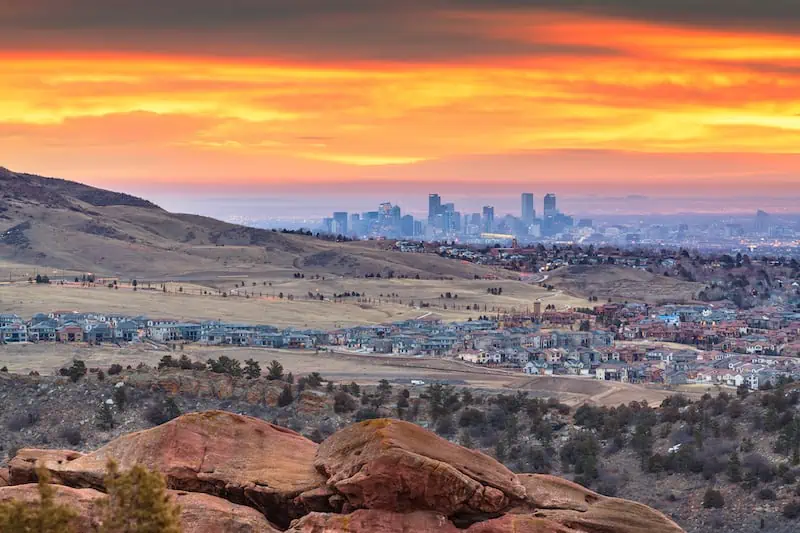
Boulder, Colorado
Population: ~106,000
Cost of living index: 167.4
Violent crime rate: 13.5
Education: A. Boulder Valley School District ranks #4 out of 80 Colorado districts.
Why it’s a great place for outdoor adventures:
Seated at the foothills of the majestic Rocky Mountains, Boulder has it all: Breathtaking scenery, a pleasurable climate, and tons of spectacular options for outdoor adventures are just the beginning of what this Colorado city has to offer. National Geographic has even rated Boulder as the happiest city in the US.
Young outdoor enthusiasts will love Boulder for its plentiful hiking and biking trails. The Open Space and Mountain Parks have trails that go through open land brimming with Colorado’s native flora and fauna, set against the backdrop of the gorgeous Rockies—which themselves are packed with adventures year-round.
Some of the many outdoor activities in and around Boulder include rock climbing at the famous Flatiron rock formations, picnicking in Boulder Mountain Park, fishing in one of the city’s many prime fishing spots, tubing on Boulder creek, kayaking on Boulder Reservoir, exploring the wilderness surrounding the city.
More reasons to choose Boulder:
Boulder isn’t just an outdoor adventure lover’s paradise. It may have a small-town vibe, but it’s got big-city tastes, with a thriving foodie scene, incredible museums, a planetarium, and a vibrant downtown with all sorts of interesting things to do. For those who enjoy classical music—or who don’t, but want their kids to—Boulder even has its own chamber orchestra. And it’s just a half-hour drive to Denver and everything that a world-class city offers.
Bend, Oregon
Population: 197,756
Cost of living index: 123.5
Violent crime rate: 12.2
Education: B+
Why it’s a great place for outdoor adventures:
Bend is situated between the Cascade Range and the high desert in central Oregon, making it an outdoor playground with a multitude of outdoor recreational opportunities. Known as “Bike City U.S.A.,” Bend has fantastic bike trails, including the Three Sisters Scenic Bikeway offering incredible views of the Three Sisters peaks in the Cascades. Mount Bachelor is an extinct volcano with some of the best skiing, snowshoeing, and snowboarding around, and Pilot Butte, located right in the city, is an ancient cinder cone with three hiking trails that reward you with gorgeous mountain and desert views
The Deschutes River in the heart of Bend invites kayakers, floaters, tubers, swimmers, and SUPers of all skill levels to its calm channel, and it welcomes whitewater rafters to its whitewater channel. The volcanic landscape around Bend is dotted with around 400 lava tube caves to explore, and nearby Smith River State Park features more than 1,800 climbing routes for novice climbers and experts alike.
More reasons to choose Bend:
When you’re not adventuring in the Great Outdoors, you’ll enjoy the urban adventures Bend offers. The Old Mill District alongside the Deschutes River is home to an eclectic selection of restaurants, shops, and the Les Schwab Amphitheater, the largest outdoor concert venue in Oregon. Bend loves festivals, and features them year-round, including Winterfest, Brewfest, and Art in the High Desert. The Downtown First Friday Art Walk offers an eyeful of local art and artists’ studios, and the Central Oregon Symphony and Cascades Theatre offer performances for the entire family.
Chesapeake, Virginia
Population: 239,982
Cost of living index: 106.4
Violent crime rate: 18.1
Education: A
Why it’s a great place for outdoor adventures:
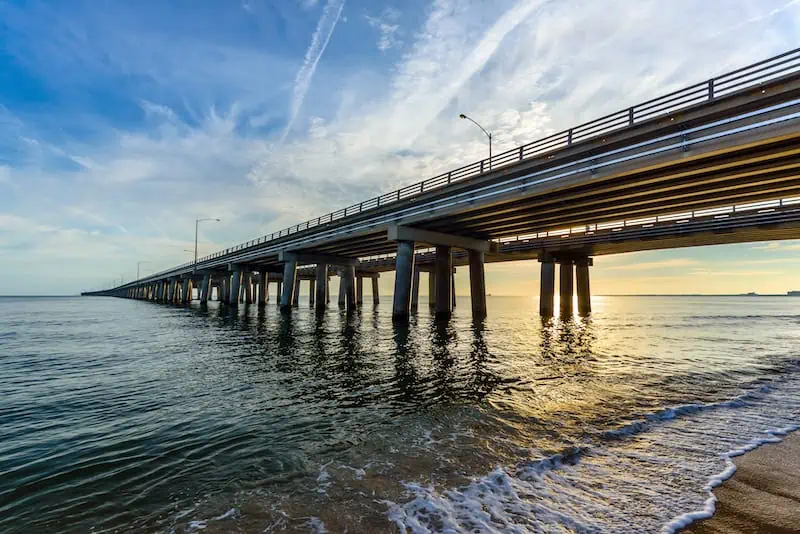
A suburb of Norfolk in Virginia, Chesapeake lies along the Elizabeth River on the Tidewater coastal plain and is crisscrossed by waterways galore. The nearby Great Dismal Swamp National Wildlife Refuge covers 170 square miles of forested wetlands and is a major draw from hikers, birders, photographers, and wildlife enthusiasts. Kayak or canoe deep into the cypress swamp, fish the 3,000-acre Lake Drummond, or hike the many trails, including the Elizabeth River Trail. Chesapeake proper offers a large network of urban hiking and biking trails and numerous green spaces, both manicured and wild, and, of course, there’s the Chesapeake Bay, where you can engage in all manner of water activities. From Chesapeake, it’s just a 26-minute drive to Virginia Beach, where you can swim, surf, paddle, and kayak — or just lay on the beach and enjoy the waves.
More reasons to choose Chesapeake:
Chesapeake is home to world-class arts and entertainment experiences, including numerous galleries, museums, and theaters. The Virginia Museum of Contemporary Art offers gallery exhibitions and studio art classes, and the city’s many history museums explore various aspects of the Civil War, including exciting reenactments, and the African American Heritage Trail is a self-guided tour exploring the people and places of the Revolutionary War and Civil War and the Underground Railroad.
DID YOU KNOW?
You can get Chesapeak, VA move help costs, FAQs, and stats for more than 10 move helpers with our move help in VA guide.
Best Cities for Cultural Adventures
Books and movies have massive educational benefits for children, but nothing compares to real experiences. Children who engage with art and culture learn to think about the world compassionately and with an open mind. Cultural awareness teaches kids about diversity and respecting people who live differently than they do.
Here are the best cities to live in to expose your child to all manner of cultural adventures.
Naperville, Illinois
Population: 147,501
Cost of living index: 129.6
Violent crime rate: 10.2
Education: A+. Ranked Number one city with the best public schools in America.
Why it’s a great place for cultural adventures:
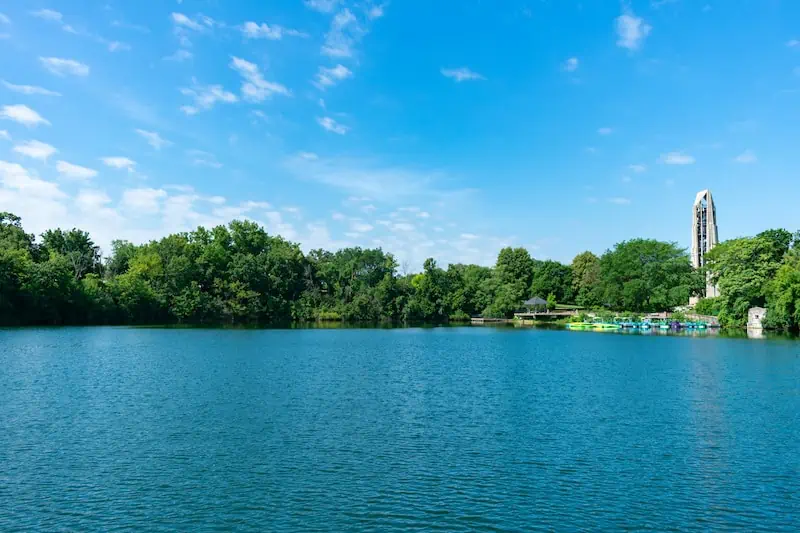
Naperville is a stone’s throw from Chicago, which has world-class dining, entertainment, museums, and arts. But Naperville has its own cultural adventures, including a number of museums, like the Naper Settlement, the 1,700-acre Morton Arboretum, and the Knoch Knolls Nature Center, situated on the DuPage River.
The downtown historic district boasts Naperville’s professional Bright Side Theatre, and the iconic Wentz Concert Hall features world-class acoustics and brings in a host of performances each year. Naperville’s Century Walk is made up of more than 40 pieces of public art and winds throughout the downtown area. The annual Bites and Sites Food Tour is a culinary adventure with plenty of fun stuff scheduled each year. Other great festivals in Naperville include Ribest, SoulFest, the Naper Nights outdoor community concert series, the Naper Pride Festival, Hometown Holidays, the St. Paddy’s Day Parade, and free municipal band concerts every Thursday in June. Naperville’s Last Fling festival is a four-day event over Labor Day featuring a carnival, national musical artists, a wide range of food vendors, and the largest Labor Day parade in Illinois.
More reasons to choose Naperville:
For outdoor and natural adventuring, Naperville offers the 2,000-acre Springbrook Prairie Forest Preserve, a grassland prairie replete with walking trails. For water fun, Paddleboat Quarry is situated on the riverwalk and rents out paddle boats and kayaks. Cantigny Park features formal gardens, golfing, playgrounds, picnic spots, and three miles of hiking trails.
Raleigh, North Carolina
Population: 464,485
Cost of living index: 102.3
Violent crime rate: 20.3
Education: A
Why it’s a great place for cultural adventures:
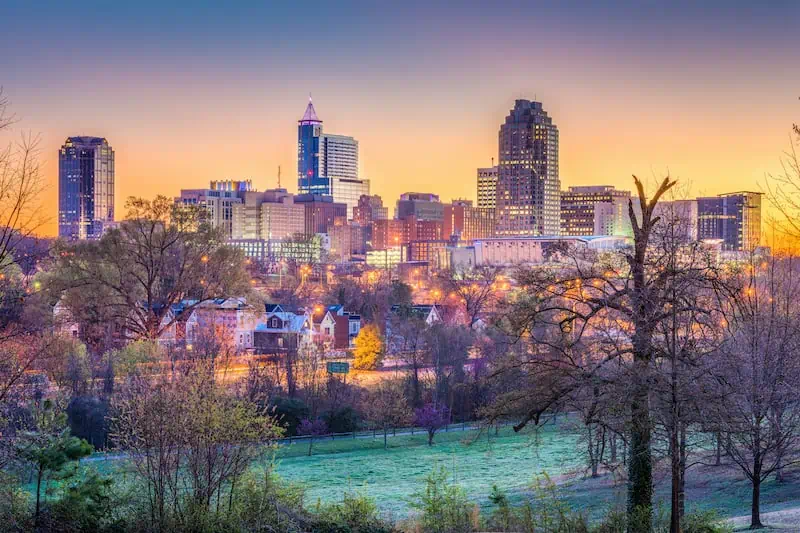
Known as the Smithsonian of the South for its many free-of-charge, high-quality museums and cultural institutions, Raleigh offers an abundance of fun and interesting cultural adventures for the whole family. The James B. Hunt Library is an architectural masterpiece and a tech-lover’s dream, featuring technological wonders including a robot that fetches books. The North Carolina Museum of Art features art, of course, but also trails, a theater, and a live music venue. The Juniper Level Botanic Garden showcases 27,000 different plant species throughout 28 acres, and the Municipal Rose Garden at the center of the Raleigh Little Theatre campus includes 60 varieties of roses and hosts a free outdoor movie series in the summer.
Home to the Carolina Hurricanes, Raleigh also sports a robust athletics scene that will entertain even the most novice sports-goers. The barbeque in Raleigh is off the charts, but if that’s not your jam, the city has over 1,200 restaurants to choose from. Just a few minutes away in the town of Cary is La Farm bakery, which is considered one of the best European-style bakeries in America.
More reasons to choose Raleigh:
Proximity to wild spaces in the Great Outdoors is another perk of Raleigh. The mountains are less than three hours away in Western North Carolina, and just a few hours to the east are ocean beaches and the gorgeous Outer Banks. Raleigh also has plenty of lakes, rivers, and parks to explore.
Berkeley, California
Population: 121,485
Cost of living index: 235.2
Violent crime rate: 28.5
Education: A+
Why it’s a great place for cultural adventures:
Berkeley is just 20 minutes away from the iconic cultural landmarks of San Francisco, but it’s less expensive than the City—and as a cultural hub in its own right, it’s full of colorful and exciting adventures. Berkeley is a city of art, home to the Berkeley Repertory Theatre, the Berkeley Art Museum, and the Pacific Film Archive. Numerous festivals and special events are put on each year by over 100 cultural arts organizations.
The Telegraph District along Telegraph Avenue is the heart and soul of Berkeley. It boasts tons of quirky restaurants, adventurous boutiques, and some of the best people-watching in the country. Berkeley’s even got an art scene just for kids—the Habitot Children’s Discovery Museum and Adventure Playground will fill your offspring’s imagination with wonderful sights, sounds, and activities.
More reasons to choose Berkeley:
Berkeley has a temperate climate that allows for outdoor fun all year round. Six magical Pacific Ocean beaches are within a two-hour drive of Berkeley. Land’s End, which is just 45 minutes away, has walking trails and offers a majestic view of the Pacific and Golden Gate Bridge.
See prices for local moving labor. Read real customer reviews. Easily book your help online.
Best Cities for Traveling Adventures (Day and Weekend Trips)
Traveling ignites your child’s imagination, curiosity, and sense of adventure. It introduces kids to new scenery, new food, and other ways of life, and it illustrates that despite the differences in landscape and culture, people everywhere are more or less the same.
Families who love to take to the road will find a wealth of opportunities for day trips and weekend getaways in these cities.
Newton, Massachusetts
Population: 88,593
Cost of living index: 215.5
Violent crime rate: 9.7
Education: A+
Why it’s a great place for traveling adventures:
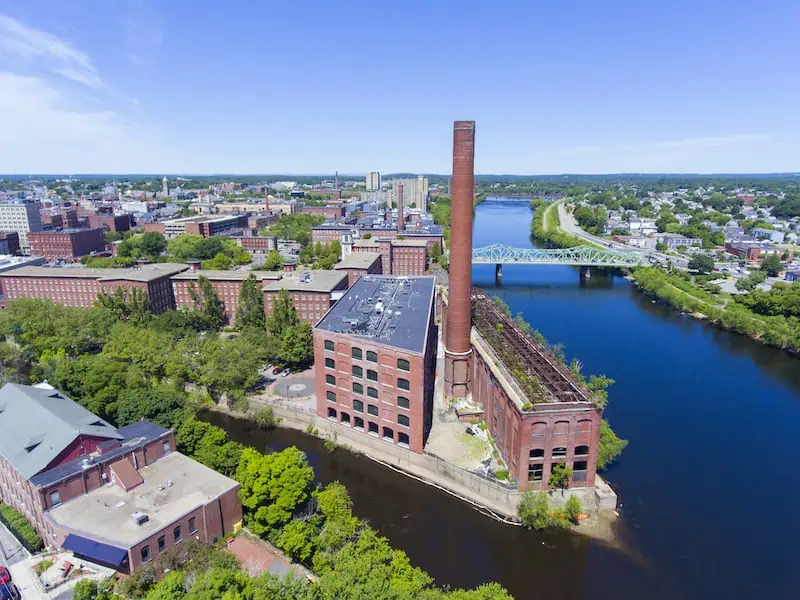
A suburb of Boston, Newton offers close proximity to incredible cultural attractions, and it’s a great place to live if your family loves the road trip life. From Newton, you can enjoy easy weekend getaways to numerous big cities, quaint towns, the quiet countryside, the seaside, and scores of national parks in Massachusetts, Vermont, Rhode Island, and Maine. In just over three hours, you can be in the heart of New York City and all that metropolis offers.
Newton itself features plenty of adventures for weekends at home, including lots of dining, arts, and entertainment opportunities as well as outdoor destinations like Hemlock Gorge, found on one of Newton’s trails and featuring a beautiful, historic bridge that makes epic echoes. Scenic Crystal Lake is a great swimming spot with a small beach, and the Charles River, a prime canoeing spot, is worth the short drive any day of the week.
More reasons to choose Newton:
Newton is a history buff’s dream, where history museums and historical landmarks abound. Farmers’ markets and world-class ribs will appease foodies, while Newton’s cultural festivals and theatre scene are sure to satiate the art lovers in your family.
Pensacola, Florida
Population: 52,642
Cost of living index: 98.6
Violent crime rate: 35.7
Education: B-
Why it’s a great place for traveling adventures:
Pensacola, located on the Florida panhandle, is home to pristine, white-sand beaches, which is a must for many adventurous, outdoorsy families. But it’s also a great home base for weekend getaways. From Pensacola, you can get to New Orleans in under three hours, and just an hour away, you can visit the incredible historic sites in Mobile, Alabama.
A few hours of scenic driving will get you to Tallahassee, the state capital, which is rife with Civil War sites and home to the impressive capitol building, the Museum of Florida History, the fascinating Lake Jackson Mounds Archeological State Park, and Alfred B. Maclay Gardens State Park. About an hour away from Pensacola is the Black River State Forest, the largest forest in Florida, where you can camp, fish, boat, kayak, and canoe. Just down the road from Pensacola are numerous charming beach towns, including Destin, Fort Walton, and Seaside.
More reasons to choose Pensacola:
Pensacola has plenty to do without leaving the city. Ziplining, water parks, water sports on the Bay, and a multitude of museums will keep your family busy and entertained when you’re not on the road. Pensacola is also home to the Blue Angels, the Navy’s Flight Demonstration Squadron, whose amazing aerial stunts can be seen during the month of July.
Sacramento, California
Population: 500,930
Cost of living index: 118.2
Violent crime rate: 35.6
Education: B
Why it’s a great place for traveling adventures:
Situated in northern California, Sacramento is the state capital, and it’s an affordable home base for an adventuring family. From Sacramento, it’s a quick and easy trip to Yosemite National Park, Stanislaus National Forest, Napa Valley, Lake Tahoe, and San Francisco. Within about three hours, you can be on the famous beaches of Marin County, and in five hours, you’ll be staring up at the tallest redwood tree on earth.
Watersport enthusiasts rejoice! Unlike most of California, Sacramento is home to scores of rivers and lakes. These waterways provide ample opportunity for day trips to go boating, fishing, swimming, rafting, hiking, and more.
More reasons to choose Sacramento:
Sacramento is a beautiful city filled with eclectic neighborhoods and great food. It has a rich history from the Gold Rush days and is home to one of the oldest triathlons in the nation. Sacramento is a cultural hub, boasting lots of annual festivals and carnivals and home to the Sacramento Philharmonic and Opera.
Although all of these cities are great places to raise an adventurous kid, nearly any town or city will do, as long as you engage in activities that are new and exciting for your child!
Check with your local tourism office for a comprehensive list of everything your location offers. Chances are, you’ll discover fun things to do that you had no idea existed—and you’ll find yourself enjoying exciting adventures with wide-eyed wonder, right alongside the children.
Buying a new home can be exciting, but it can also be a prelude to spending money on things you weren’t expecting. From experience, this is typically where a house’s wiring comes up.
Not many young homeowners realize the importance of proper electrical wiring in a new home. It might be because electricals (e.g., wires, plugs, outlets, etc.) aren’t as obvious as the rest of the problems you may encounter.
I’ll explain the telltale signs of common electrical problems that will tip you off that your prospective new home has faulty wiring, and then what to do about it.
Bad Outlets
The most straightforward checks to perform when visiting a potential home is the electrical outlets. Ideally, they should be pristine, with no cracks within the plastic housing. They should also have a ground, since ungrounded outlets may present a fire hazard.
Grounded outlets are the ones that have a third prong (or hole). They act as a way to discharge excess electricity to the ground.
If you’ve ever plugged in an appliance or device into a two-prong outlet and seen sparks jump out, you’d realize why they’re so dangerous! Electricity takes the easiest path to ground, and the grounded outlet gives electrical currents a simple, safe way to travel to earth. Ungrounded outlets do not have this extra safety precaution and could potentially lead to fire and injury in older homes.
How can I tell an outlet is bad?
Besides cracking, faulty outlets stand out because there may be a smoky smell hanging around them.
This could be hidden by home sellers. How can you tell? The walls around the outlet may be lacking paint or might be newly painted and not match with the rest of the wall. When this happens, the repainting is usually done to cover a blackened wall which resulted from an electrical fire.
If these signs are present in one or two outlets, consult a professional electrician because it may be possible to fix the issues. However, if you see these signs in a handful of outlets, it’s a clue that the building’s wiring may be at fault. Cracked or broken wall plates may be replaceable, but it’s important to note that these may be signs of a larger problem. But being aware that the problem exists early on prevents potential long-term issues.
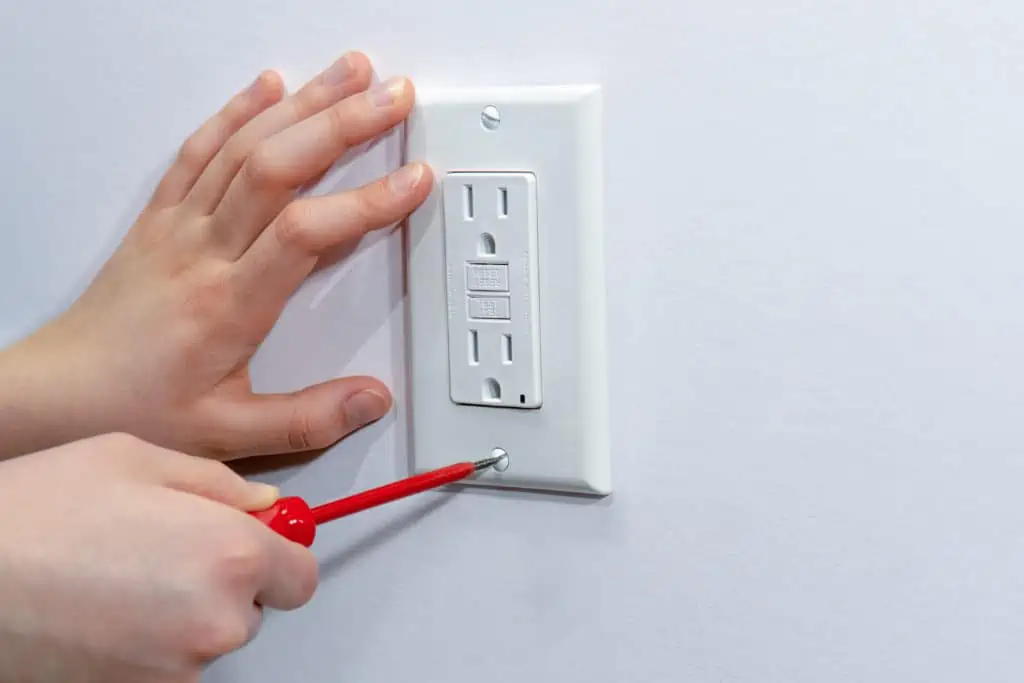
Word of caution: Replacing ungrounded outlets is not a DIY project. Enlist the help of a qualified electrician to run a ground wire to the electrical panel. Simply replacing a two-prong outlet with a three-prong outlet does nothing to fix the problem, and trying to ground a wire yourself is very hazardous.
Please use extreme caution when dealing with electrical wires.
How much does it cost to replace an outlet?
You can expect to pay anywhere from $100 to $200 to replace 2-prong outlets with 3-prong outlets. If the electrician needs to ground the wiring, then the costs will at least double.
Obsolete or Outdated Wiring
Some buyers see older houses as attractive antiques. However, from an electrician’s standpoint, older housing means older wiring. Old wiring has seen its share of use and is likely to be heavily weathered. Old wiring can be dangerous since they don’t follow the strictures of modern safety practices.
While you can plug your modern electrical appliances into sockets connected to older wiring, you’re taking a chance by doing so.
Knob-and-tube wiring
Believe it or not, there are still homes all over the US that use knob-and-tube wiring, which fell out of fashion in the 1930s. Knob-and-tube wiring is easy to spot because of the tell-tale ceramic spool-like knobs and the tubes that support single-strand wiring through joists. Knob-and-Tube wiring is considered to be an obsolete and unsafe method of wiring for residential properties. As the wires age, they tend to deteriorate, creating fire hazards throughout the house. Knob-and-Tube wiring also doesn’t typically support grounding, so they present a significant risk of electric shock.
Aluminum wiring
Alternatively, some relatively newer homes still use aluminum wiring, which was the norm in the ‘60s and ‘70s. While aluminum wiring doesn’t present a safety hazard when it’s been properly installed, when the wires age, they start to deteriorate, leading to similar problems that could become dangerous if left unchecked. Aluminum expands more than copper and the constant heating and cooling of the wires sometimes force them out of the screws used to connect them, leading to short circuits and risk of an electrical fire.
How can I tell if there is outdated wiring?
If you’re simply doing a home visit, keep your ears out and listen for potential buzzing noises. Older wiring may also release sparks from switches or outlets, so maybe try and plug something in (safely). If the person showing you the home notes that the property occasionally suffers from blown fuses or tripped breakers, it’s another clue about the wiring.
You can spot aluminum wiring by checking the electrical panel. If the wires are labeled with “AL”, “ALUM”, or “ALUMINUM,” you’re dealing with this type of wiring.
How much does it cost to upgrade electrical wiring?
If the wiring is obsolete, getting an electrician to rewire the house to current standards would be your only recourse. On average, you may have to pay anywhere from $1,500 to $10,000 (depending on the square footage of your home) to replace the old wiring. For some new homeowners, the expense just isn’t worth it.
Bad Electrical Panels
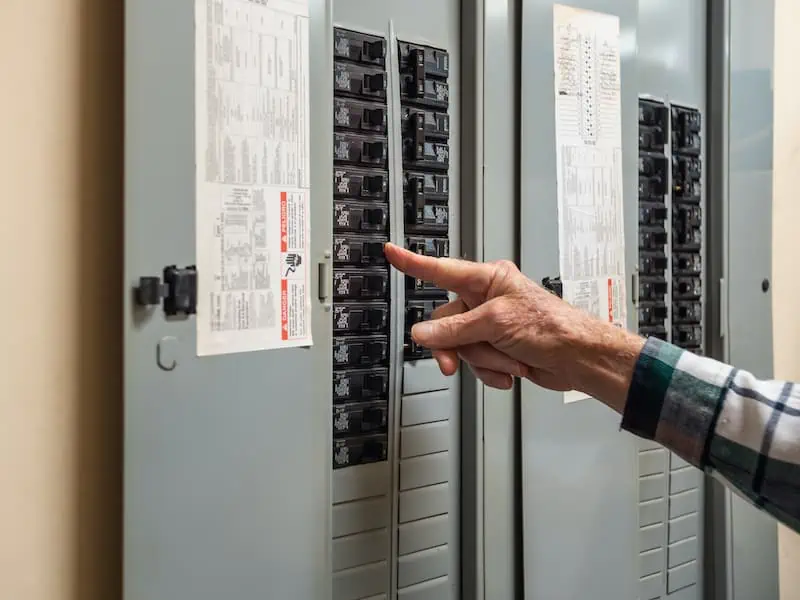
Electrical panels (or “breaker boxes”) are the heart of a home’s electrical system. Every electrical appliance in your home gets its power distributed through the electrical panel. Asking to see the breaker box can help you to gauge whether you’ll need to invest in repairs.
How do I inspect an electrical panel/breaker box?
Electrical panels are often referred to as a “breaker box”
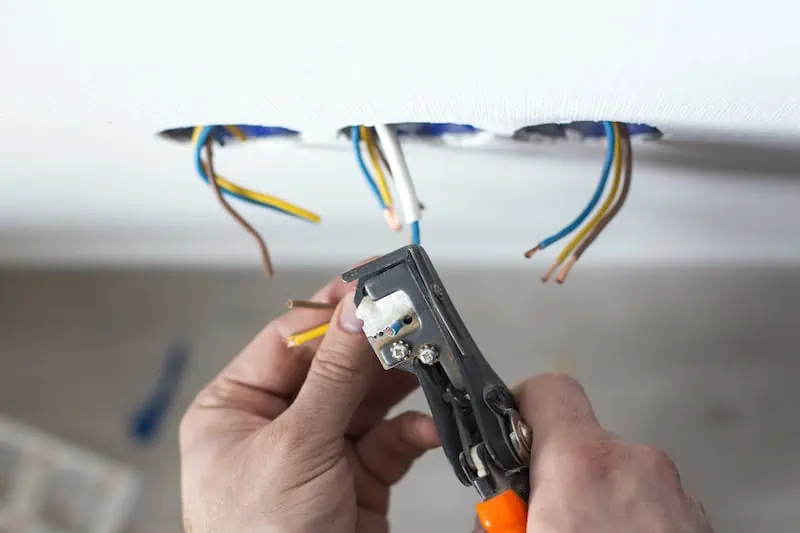
Ideally, the breaker box should be arranged neatly, with wires in their proper place. It should be easy to trace where they’re leaving the panel. If you find stray wires within the box, that’s a bad sign. Stray wires can lead to shorts, which may damage your electrical appliances.
Additionally, you should check that the lights are being appropriately supplied. If you find that the little lights inside the box are flickering, it may be a sign that the breaker box doesn’t have the right amperage. What does this mean? Amperage simply means the strength of the current in the circuit, and different homes have different needs when it comes to how much amps they can support. Modern homes that have 60-amp breakers need an upgrade since that’s too small a load to support modern appliances. Typically, newer homes would go for 100-amp or 200-amp installations.
Old houses primarily relied on lower amperage for distribution. The rest of the world moved on, but those breaker boxes still use lowered amperage for their electrical needs. If the breaker box demonstrates fuses instead of circuit breakers, it’s definitely time for an upgrade.
How much does it cost to upgrade a breaker box?
Upgrading a panel is a simple process, but might be time-consuming and take you off electrical supply for a few hours, at the very least. It could potentially cost you anywhere from $500 to $4,000 to upgrade or replace an electrical panel. This cost includes the cost of labor and depends on whether the box needs rewiring or if just a circuit or two needs replacing.
Safety in Lights and Switches
Electrical safety could save your life. Electricity is still a wild force, and while we’ve tamed it to a certain extent, we still have to be wary of its impact on our lives.
How can I tell the house is using electricity safely?
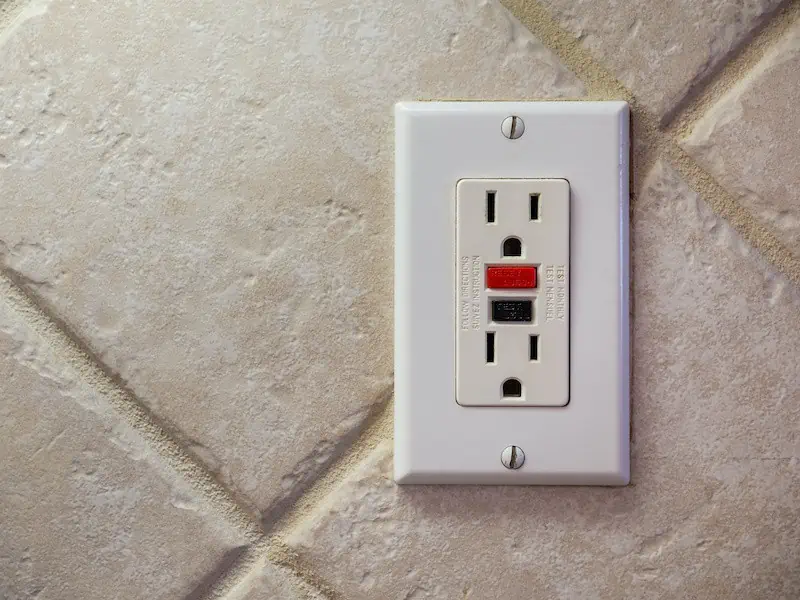
GFCI outlets often have a little red button
You should keep an eye on the lights as you walk through the house for flickering. As I mentioned before, this might be due to a breaker box problem with amperage. However, it might also be due to any number of other unsafe electrical practices because of the original wiring.
Electrical outlets are also a huge tell. Listen for buzzing at electrical sockets, and take a whiff to see if there’s a burning or bleach-like scent. Either one could suggest bad wiring or that the wires on the inside are damaged and need to be replaced. Additionally, you should check to see that there are “Ground-Fault Circuit Interrupter” (or “GFCI”) outlets installed at appropriate locations. These outlets are designed to break a circuit if there’s a short, ensuring that you don’t accidentally become electrocuted. Lack of these sockets is a sign that the building probably isn’t up to code.
Hiring an electrician to trace those problems is the only way you’ll figure out what’s causing it. The flickering may be subtle and isolated to one room or bathroom, but if it is extremely apparent (such as flickering in multiple or all rooms), then the problems with the electrical system may be dire.
How much does it cost to rewire a home?
Figuring out the amount it would take to upgrade the building and get the inspection certificate may lead you to decide not to invest in the home. On average, homeowners may expect to pay as much as $4,000 to rewire a 1,500-square-foot home. It may be a wise choice since poor electrical safety is a breeding ground for fires.
Still Unsure of the Soundness of the Home’s Electrical Work?
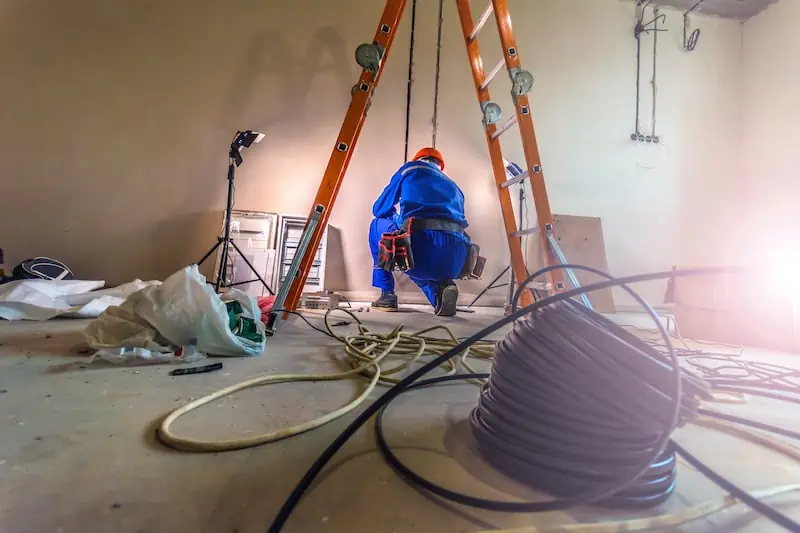
If you’ve performed these inspections while walking through a prospective home and you’re still wary about the condition of the home’s electrical work, contact a local electrical contractor. The electrician can assess the safety of switches, outlets, and lights and can determine whether wires are grounded or outdated. An on-site inspection completed by a professional electrician can save you thousands of dollars in the long run.
As a professional electrician, I’ve had the privilege of helping a lot of people rewire their new home purchases. Several of my past clients have raised the property value of their home by upgrading their electrical wiring. Not only does it make for more secure (and safer) circuitry, but it ensures that they can have peace of mind that their house won’t catch fire due to a power surge or a misplaced wire.
And If you’re intent on buying an older home, being aware of these issues before you sign on the dotted line is crucial. It’s also a great help to your electrician to let him or her know where to start fixing.
Bobby Lynn is the Owner of LiveWire Electrical, a fully licensed and insured residential electrical company serving Charlotte, NC and surrounding areas. Bobby has been in the electrical industry for over 20 years and has a vast knowledge of all things electrical. Learn more about LiveWire’s services here.
If you’re itching to decorate your rental or your new home, then we urge you to consider using mirrors as your figurative paint brush. Mirrors: they’re not just for the bathroom anymore! As long as you restrain yourself from lining them across every last surface, supplementing mirrors in your living space is a key way to make your place feeling super open.
Knowing that, here are five things that a mirror can do super easily for you!
These days you’re able to control just about everything with the click of the button. Want a hot pizza? There’s an app for that. Want to get a manicure without leaving your couch? There’s an app for that too.
You can control almost all aspects of your life using just your smart phone! The same goes for everyday items around the home. You can unlock your door, turn on the A/C, and turn the lights on using your smart phone. Everyday essentials are quickly being replaced with innovative products designed to make your day-to-day life easier.
Now we’re not claiming to be the most tech-savvy gals around, but we have been really intrigued by the idea of creating a SMART HOUSE to make our lives a little bit easier and perhaps even to save some money. So over the next 4 weeks, we’ll be diving into a series about CREATING A SMART HOME. (more…)
My husband and I are currently looking to buy a home in Chicago (we know right where to find move help in Chicagoland)) and it’s been one heck of an emotional roller coaster. Excitement, fear, anxiety…let’s just say that making this big purchase is a bumpy ride.
While we have many must-haves for our new pad (2 bedrooms, quiet neighborhood, close to public transportation), by far the biggest factor is our BUDGET. (more…)
×
I'm Moving
Moving? Thinking about moving? Whether your move is off in the distance or you already have one foot out the door, you'll learn about everything you should expect through our useful how-to's, cool articles and much more. It's all specially curated for you in our "I'm Moving" section.
For rookies or veterans alike, our "I'm a Mover" section is filled with extensive industry news, crucial protips and in-depth guides written by industry professionals. Sharing our decade of moving knowledge is just one way we help keep our professional movers at the top of their game.


 Nearly a quarter (23%) of those who regret moving feel that way because it meant leaving their previous home. This sentiment is most common among those who moved to save money on housing costs.
 Home size (41%) and layout (38%) are the second and third most appreciated aspects of a new residence, while roughly a third pointed out they’re happy about the amenities in their home (32%) and the local area (30%).