15 Tips for Moving With Kids: Practical Advice for Parents

Author:

Publish Date:

Last Modified Date:

Category: Kids & Pets

Tags: Tags: , , , ,

Moving to a new home is a lot of work, and when you add kids to the mix, it can feel like an even bigger challenge. A successful, stress-free move with children involves knowing how to talk to your family, how to keep everyone calm on moving day, and what you can do to help them settle into your new home.

HireAHelper has over a decade of moving experience, and we’ve helped thousands of families relocate successfully. To help you manage the chaos and acclimation, we put together 15 practical tips for moving with kids.

Table of Contents


1. Understanding Why Moving is Hard for Kids
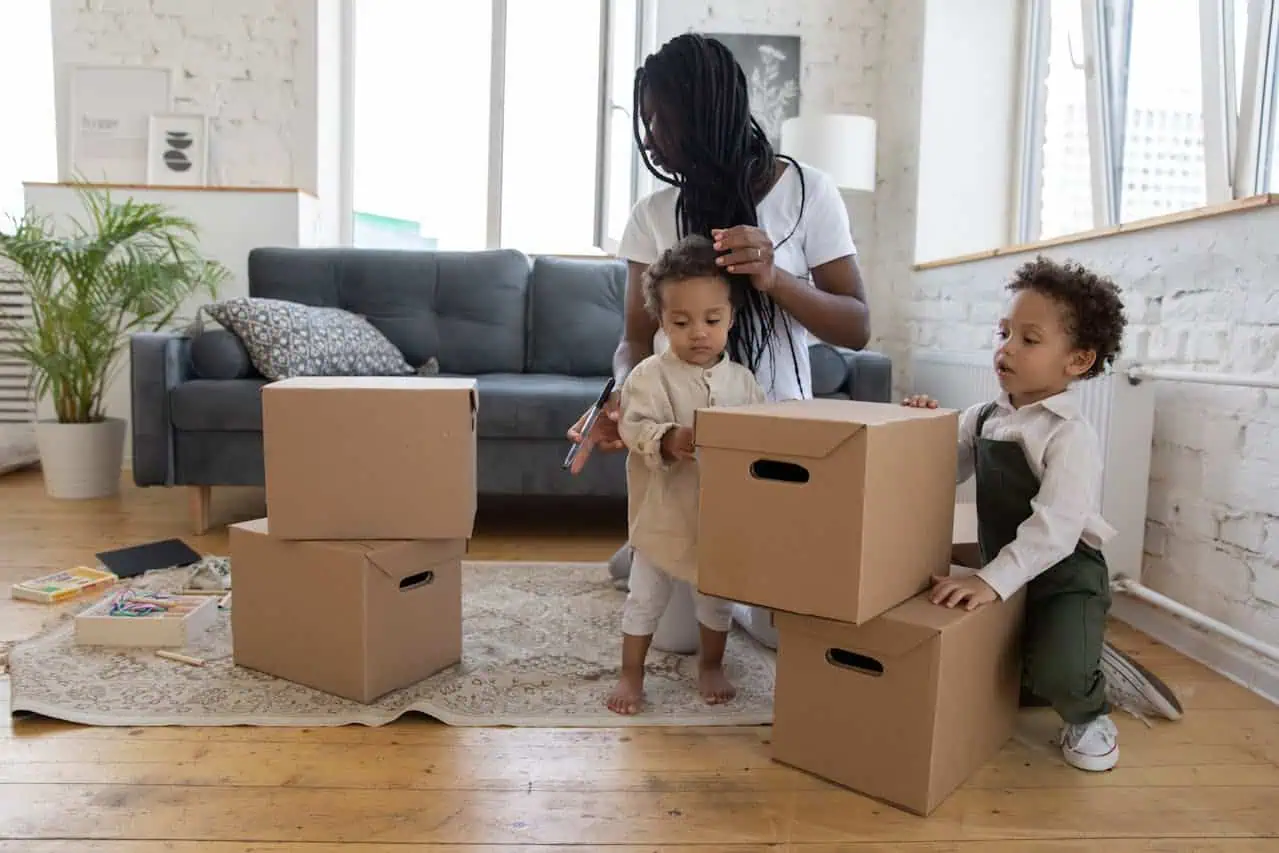
A woman and two children organize moving boxes in a living room, indicating a moving process.

Kids thrive on routine, and moving is one of the biggest disruptors of their sense of predictability, which can feel scary and stressful. They may worry about losing their friends or their favorite park, or not being able to do the fun things they usually do.

Children also pick up on and mirror your own stress. If you act anxious or worried about packing, your kids will feel that way too. That’s why it’s important to try to stay calm when you talk about the move. This helps them feel safe during the big change.


2. Consider the Logistics of the Change

Before deciding to move, families should consider how this change will affect their children. Understanding what will change in advance can help prepare you to speak to your kids about it and let you plan for any adjustments.

  • School quality and curriculum: Take the time to investigate the schools in your potential new neighborhood. Look into their academic performance, available extracurricular activities, and overall reputation. The new school must align with your child’s unique needs and interests.
  • Cost of living: Look at the financial implications of relocating. This includes housing, utilities, groceries, and health care costs. Understanding the cost of living in the new area will help you gauge how it might impact your family’s budget and overall quality of life.
  • Job market: If your move is job-related, it’s wise to research the local job market. Look for stability and growth opportunities that will benefit your family in the long run.
  • Support system: Consider how far you’ll be from extended family and friends. Leaving behind a strong support network can be challenging for kids, so it’s important to devise strategies for maintaining those vital connections.
  • Climate and culture: Consider the differences in climate and culture between your current home and the new location. These factors can significantly influence your family’s lifestyle and how easily everyone adjusts to the new surroundings.

3. Tell Your Kids About the Move Early (and Honestly)

Waiting until the last minute to share the news usually backfires. Kids need time to process big changes and say their goodbyes. When you keep them in the loop, they feel like a valued part of the team rather than just a passenger.

If they say they don’t want to go, don’t ignore it. Acknowledge their feelings, but stay firm and positive about the plan. Use these age-based guidelines to help you decide when to start the conversation:

  • Toddlers and preschoolers: Tell them a few weeks before the move. Their sense of time is short, so waiting just a bit keeps them from getting too anxious.
  • School-aged kids: Give them at least a month of notice. This gives them enough time to process the news and tell their friends.
  • Teenagers: Tell them as soon as the plans are certain. They need the most time to handle social changes and school transitions.

4. Use the Right Words When Talking About the Move

When you talk about the move, keep your language simple and direct. Validate their feelings without making promises you can’t keep. For example, avoid saying “you’ll love your new school.” Instead, focus on the facts and provide comfort.

Try using these phrases to help your children feel more at ease:

  • Focus on the house: “We’re moving to a new house, but we’re taking all our favorite things and our family with us.”
  • Validate feelings: “It’s okay to feel sad about leaving your room. I’m going to miss this kitchen, too.”
  • Explain the “why”: “This move helps our family have more space to play and be together.”

Also, avoid saying phrases like “don’t be sad” or “it’s no big deal.” These words can make kids feel like their emotions are wrong. Stick to honest, supportive language instead.


5. Tailor Your Approach To Your Child’s Age

Every child reacts differently depending on how old they are. A toddler might only care about their toys, while a teenager might be angry about leaving their best friends. You need to adjust your plans to fit their specific needs. Here’s how to handle the hardest parts of each stage.

Tips for Moving With Babies and Toddlers

Moving with toddlers and babies is mostly about managing their environment. Since they can’t fully understand the move yet, they rely on you for a sense of safety.

A common mistake is packing their favorite items too early, which can cause extra tantrums. Try to keep their world as normal as possible until the very last day.

  • Protect routines: Keep nap times and meal times the same as always.
  • Pack the nursery last: Leave their bed and toys out until moving day.
  • Visit the new home: If it’s local, take them to see the new house and yard.

Tips for Moving With Elementary-Age Kids

School-age kids understand what’s happening, and they may be excited about the newness and adventure. But they also worry about fitting in. They fear losing friends and starting over at a new school. You can help by giving them small jobs so they feel included in the process. This also makes them feel like they have a say in the change.

  • Involve them in packing: Let them pack up their toys (with supervision), choose which room they want in the new home, or decorate their own boxes with stickers.
  • Address school worries: Research the new school together to see photos of the playground, classrooms, or surrounding area.
  • Host a goodbye party: Give them a chance to say a proper farewell to friends.

Tips for Moving With Teens

Teenagers often feel like a move is being forced upon them. They value their independence and their social circles above all else. One of our top moving tips for families with teenagers is to give them real control over their own space. And don’t make the mistake of brushing off their drama and upset. To them, it’s a very big deal.

  • Respect their emotions: Let them be upset for a while without trying to “fix” it right away.
  • Give meaningful choices: Allow them to choose the layout and paint color for their new room, or even get new furniture if they’ve outgrown their older stuff.
  • Plan a return visit: Even with the internet and social media keeping everyone connected, in-person meetups are also important. Promise a trip back to see old friends in a few months.

6. Give Kids Control Where It Makes Sense

A man plays with a smiling child sitting in a decorated cardboard box surrounded by other boxes, indicating a moving process.

Moving can make kids feel like they have no say in their own lives, so giving them small choices helps reduce their anxiety. Let them join the “planning committee” by choosing which toys to pack first or how to arrange their new room, for example.

One great idea is to let each child pack a personal box. They can decorate the outside with stickers or markers to make it special. When kids have a job to do, they feel like helpful partners instead of just bystanders.


7. Keep Routines as Normal as Possible

Stability is a huge part of staying comfortable when moving with kids. Try to keep bedtimes and meal times exactly the same, even if there are boxes everywhere. If you have a family game night or a pizza tradition, keep doing it. Familiar habits help them relax even when their environment looks different.

Choosing when to move affects their schedule, too. Summer moves are great because they don’t miss class, but leaving friends during the break can be lonely. Moving during the school year can be harder on grades, but it helps them meet new friends right away. If you have the flexibility for it, ask your kids which option they might prefer.


8. Plan Ahead for Moving Day With Kids

Safety is the top priority on moving day. There will be heavy boxes, open doors, and big trucks everywhere. It’s usually best to have a friend or babysitter watch the kids away from the house. This keeps them safe and lets you focus on working with the movers.


“Keep an eye out for red flags like changes in sleep, frequent meltdowns, or losing interest in play. These are signs that the stress is becoming too much for [your kids] to handle alone.”


If they must stay home, pick one adult to be in charge of them. Set up a safe room with snacks, tablets, and toys where they can stay out of the way. Make sure they know never to run near the moving truck or the loading ramp.

As the day ends, try to have a final walkthrough together. Let the kids say goodbye to each room before you lock the door.


9. Pack a First-Night Box for Each Child

By the time you reach the new house, everyone will be tired. You don’t want to dig through fifty boxes just to find a toothbrush or a nightlight. Give each child a special box or backpack that stays with them in the car. This ensures they have everything they need to feel safe and comfy on their first night. Include these essentials in their kit:

  • Pajamas and a change of clothes
  • A favorite blanket or stuffed animal
  • Bathroom items like a toothbrush and soap
  • A few favorite books or a handheld game

10. Expect an Adjustment Period After the Move

Settling in takes time, so don’t expect your kids to feel completely at home the very first night. It’s normal for them to be extra clingy, moody, or tired for a few weeks. Most children need about 3–6 months to fully adjust to their new surroundings and routines. You can help them by setting up their room first, so they have a safe place to retreat.

To ease the transition, stick to your old routines as much as you can. Family dinners and game nights show them that family life hasn’t changed, even if the house has. Use this timeline to track your family’s progress:

  • First week: Unpack all bedrooms and establish a regular bedtime. Take a walk around the block to meet a few neighbors.
  • First month: Help them sign up for a local club or sport to make new friends. Check in with teachers to see how school is going.
  • First 90 days: Hold a family meeting to discuss what everyone likes about the new house. Start a local social routine, like a weekly trip to the library.

11. Start Decorating Plans

A woman and a child sit on the floor, smiling, in front of a vibrant orange-painted wall, indicating they've been painting it

Make plans to decorate your child’s new room as soon as possible. Even when you feel like you have countless other things to do, it’s important to make your child’s new room a top priority on your to-do list. It’s a personal space, and making it feel like it’s completely their own really helps them acclimate to a new home.

Involve your kids in planning their new room layout. You can give them some graph paper or an online room design tool to let them visualize how they want their space to look. Making them feel comfortable in their new room will ease some of the anxiety during this transition.


12. Explore the New Community Together

Shortly after the move, take some time to explore the new neighborhood together. Visit local parks, libraries, schools, and community centers. This helps children become familiar with their new surroundings and creates excitement about where they live now.

Engaging in community activities, such as local events or sports, can also provide opportunities for your children to meet new friends and feel more connected to their new home.


13. Watch for Signs Your Child is Struggling

Keep an eye out for red flags like changes in sleep, frequent meltdowns, or losing interest in play. These are signs that the stress is becoming too much for them to handle alone. For autistic children, moving can be even more taxing due to the sensory changes and broken routines. They may need extra time and specialized support to feel secure again.

If these behaviors last for more than a few weeks, don’t hesitate to ask for help. Reach out to your new pediatrician or school counselor. They can offer advice or resources to help your child process the transition.


14. Avoid These Common Moving-With-Kids Mistakes

Parents often try so hard to remain positive that they ignore their kids’ real feelings. Plus, it’s easy to make mistakes when you’re tired and stressed. Kids are very perceptive, and they pick up on tension quickly. Try to avoid these common pitfalls:

  • Ignoring sad feelings: Don’t tell them “don’t be sad.” It’s hard to watch your kids be unhappy, but it’s ultimately best to let them miss their old home so they can process the loss and move on.
  • Doing too much at once: Don’t expect to unpack the whole house in one day. Focus on the kids’ rooms first, so they feel settled.
  • Letting your stress show: If your children are upset, it’s good to validate their feelings by expressing your own. Saying you’ll miss walking the dog at a certain park or that moving is tiring is fine and even helpful to do. But if you’re in a panic, your kids will be too. Take a break if you feel overwhelmed.

15. Get Extra Help If You Can

Managing a relocation is challenging enough, but moving with children makes it twice as hard. Not only do you have to pack boxes, but you also have to deal with everyone’s moods and schedules. This mental load can wear you out quickly. Sometimes, a total DIY move is just too much stress for one family to handle alone.


“Waiting until the last minute to share the news [of a move] usually backfires…When you keep [your kids] in the loop, they feel like a valued part of the team rather than just a passenger.”


Using a platform like HireAHelper to find labor-only moving services can change everything. These pros handle the heavy lifting while you focus on your children’s needs. If you want even more tips for moving with kids, check out our Comprehensive Guide to Moving With a Child.


Frequently Asked Questions About Moving With Kids

How long does it take kids to adjust after moving?

Most kids need about 3–6 months to feel at home after moving. However, every child is different. Some adjust in a few weeks, while others take a year. Sticking to routines helps them settle in much faster.

Is moving traumatic for kids?

Moving is a big change, but it doesn’t have to be traumatic. Most kids are very resilient. If you provide plenty of support and listen to their feelings, they can handle the transition well and even grow from it.

Should kids stay with relatives on moving day?

If possible, yes. Moving day is busy and full of potentially dangerous situations. Having younger children stay with relatives keeps them safe and out of the way. It also allows you to focus on the movers and the logistics.

Is it harder to move with toddlers or teens?

Both have unique challenges. Toddlers struggle with changes to their daily routine and physical space. Teens face more social loss and emotional stress. They often miss their friends and might push back against the move more.

How do you help kids make friends after a move?

Encourage them to join local clubs, sports teams, or library groups. You can also introduce yourself to neighbors who also have kids. Setting up playdates early helps them build a new group of friends very quickly.

The Moving and Stress Guide: Statistics, Tips, and More

Author:

Publish Date:

Last Modified Date:

Category: Movehacks, Moving Checklists & Planning, Moving Day

Tags: Tags: , , , , , , , , , , , , , , , , ,

If you’re feeling overwhelmed by an upcoming relocation, keep in mind that moving stress is completely normal. Moving stress is so common that 55% of people rate the experience as “highly stressful,” and they rank it as worse to deal with than getting divorced or beginning a new job.

But why is moving so stressful? There are a lot of reasons, including the fact that the process comes with both physical and emotional challenges that put you and your entire household to the test. Not to mention the financial burden. With many Americans living paycheck to paycheck, adding in the cost of a move puts tremendous pressure on those responsible for the bill.

Thankfully, there are a lot of ways to make it easier on yourself. In this guide, you’ll find statistics, tools, and coping strategies to help you manage moving stress and make the transition easier.


Moving Stress Statistics

When moving stress starts to settle in, it helps to know that you’re not alone. Our research shows that relocating can put a significant strain on many people’s finances, health, and well-being. Here’s what the data says about the hidden health toll of moving:

How Stressful Is Moving?

  • 55% say that moving rates 7+ on a 10-point stress scale
  • 1 in 10 describe moving as traumatic or “crisis-level”
  • 53% say moving was more stressful than expected, while 22% say it was much worse
  • 31% would pay $10,000 to avoid moving again

Top Stressors of Moving

  • 52% cite finances as the #1 stressor
  • 41% report stress on household members, while 38% cite logistical chaos
  • 47% say packing is the most stressful task, followed by 42% for cleaning the old home, and 39% for handling logistics like utilities and movers

Mental & Emotional Health Impact

  • 55% feel overwhelmed because of their move
  • 50% report anxiety
  • 47% feel fatigued
  • 45% experience burnout
  • 37% struggle to sleep during a move

Women experience more intense stress symptoms than men, including:

  • 62% vs. 43% report feeling overwhelmed
  • 50% vs. 38% report burnout
  • 43% vs. 30% report irritability
  • 41% vs. 30% report difficulty sleeping

How Stressful Is Moving Compared to Other Life Events?

  • 29% would rather get divorced than go through another move
  • 36% would rather have a colonoscopy
  • 21% would prefer to lose their job

Why Moving Is So Stressful

Moving is particularly taxing because it affects every aspect of your life, from your job to your relationships. It disrupts major life factors, such as where you live and where your kids go to school, and minor things, such as where you shop for groceries. The process comes with logistical and emotional challenges for everyone.

The Logistics of Moving

Woman planning moving logistics in cluttered room filled with boxes and furniture

Moving is a puzzle that never seems to end. As soon as you decide to relocate, you’ll need to sell your home or get out of your lease. Movers are a great help — but before booking, you must choose a moving day that works for you, your current and future employers, and everyone in your household.

Moving also comes with a significant amount of administrative work. Depending on your situation, you may need to research new schools, disconnect and reconnect utilities, change your address, and update your insurance coverage.

Then, there’s the packing, which 47% of people say is the most stressful part of moving. And it’s no wonder why. You have to sort and declutter — and decide whether to sell, donate, or toss the extra items — before you can box up each room. The entire process can take weeks to complete.

The Emotions of Moving

Relocating can be an emotional experience filled with highs and lows. The prospect of new adventures and opportunities is exciting, but you might also be sad to leave friends and familiar places.

These intense emotions, coupled with the fear of the unknown, can add to the stress of moving. You might find your mood changing from one day to the next as you realize what it means to leave a comfortable home and job and start fresh.

Money challenges can be emotionally exhausting — for 52% of people, financial strain is the most stressful part of moving, especially when the move requires you to miss weeks or months of work. In fact, work interruptions are a major source of stress for 35% of men and 26% of women.

Moving Is Stressful for the Entire Household, Not Just Us

Mother comforting child about moving stress while sitting on couch in new home

When you’re moving with other people, you’re not the only one feeling the pressure of a relocation — it hits everyone in your household. Your kids might worry about changing schools and making new friends. Your partner could stress about money, finding a new routine, and supporting the family through the transition.

This fact — that your family is struggling — can be a significant source of stress for you. In fact, 41% of people say it’s one of the most difficult parts of moving. It’s normal to feel guilty or responsible, especially if you’re the driving force behind the move.

Compounding stress can cause issues in your relationships over the course of a move. If you’re like most people, stress can make you feel less patient or more easily irritated. It’s not surprising, then, that fighting with your partner is one of the biggest problems that come with moving.


Common Signs of Moving Stress

An overwhelming majority of people (95%) experience at least one negative stress symptom when they’re moving, but moving stress isn’t always easy to identify. It can manifest in a wide variety of ways, depending on your personality and your situation.

For some people, the symptoms of stress are obvious. They might feel more anxious or irritable than usual, or they might find themselves fighting with other people in the household. In some cases, feelings of overwhelm could make it difficult to make progress on packing and planning.

Signs of moving stress can also be subtle, showing up in seemingly unrelated areas of your life. For example, you might find that you’re having unusually intense dreams. Stress can also make you get sick — so if you’re down with the cold or flu, the move might be the cause.

Not sure if you’re dealing with stress symptoms? According to our research, these are the most common signs of moving anxiety and stress, and the percentage of people who report them:

  • Overwhelm – 55%
  • Anxiety – 50%
  • Fatigue – 47%
  • Feeling burnt out – 45%
  • Irritability – 38%
  • Difficulty sleeping – 37%
  • Decision fatigue – 30%
  • Stress dreams – 25%
  • Fighting with a partner or family member – 24%
  • Brain fog – 21%
  • Panic attacks – 19%
  • Getting sick – 13%

Who Feels Moving Stress the Most?

Moving stress affects people disproportionately based on lifestyle factors. For example, families with young children are very likely to feel high levels of stress during a move because kids come with a completely separate set of logistics. In addition to meeting their own needs, parents must find and vet new childcare providers, schools, play areas, activities, and doctors.


“To prevent a stressful last-minute rush, create a schedule as soon as you have a moving date… If you’re moving on July 1 and you think it will take four weeks to declutter and pack, for example, you should start at the beginning of June.”


People who relocate frequently, such as students and young professionals, can also experience intense moving house stress. Students constantly transition from their parents’ homes to school, which can be expensive and time-consuming. For young professionals moving to advance their careers, each transition requires a housing search and building a new social circle.

However, moving stress doesn’t necessarily ease up as you get older. Advanced professionals moving for jobs might have bigger salaries, but they may also be paying to move a family. And since the stakes are higher in terms of career and finances, they also have more riding on the new job.


Strategies and Tools to Reduce Moving Stress

The data is clear: moving in general is stressful. However, that doesn’t mean there’s nothing you can do about it. With the right strategies and tools, you can plan a move that’s easier on you and everyone in your household.

Keys to a Low-Stress Move

When it comes to figuring out how to make moving less stressful, the magic is often in the planning. By tackling the sources of stress proactively, you can enjoy a more relaxed experience.

1. Plan backwards from your moving date

There’s nothing worse than racing to pack the night before your movers arrive. To prevent a stressful last-minute rush, create a schedule as soon as you have a moving date. Estimate how much time it will take to complete each task — finding housing, packing, booking movers, cleaning your house, etc. — and work backwards.

If you’re moving on July 1 and you think it will take four weeks to declutter and pack, for example, you should start at the beginning of June. And if you’re anticipating an eight-week housing search, you should start looking at listings in April or May.

Mapping out the timeline this way can be an important reality check. It reminds you of how much there is to do and how much time each task takes, which helps prevent you from procrastinating. Taking action early and working gradually is the key to stress-free moving.

2. Divide the responsibilities of moving

Friends smiling while packing moving boxes together

If you have a partner, don’t try to collaborate on every moving task. Instead, consider your to-do list and divide the tasks fairly based on each person’s availability, skills, and interests.

Here’s the key: each person should take full ownership of the task. That means that if your partner is responsible for setting up new utilities, they’re in charge of all the decisions and scheduling. And if you’re in charge of the new lease, you should also make the deposit and find out about move-in requirements.

This strategy eliminates a lot of questions and discussions, which can reduce stress for both people. You don’t have to weigh in on when to connect the power in your new home, and your partner doesn’t have to remind you to ask about reserving an elevator on moving day.

3. Implement an organizational system for your move

Disorganization can make your move more chaotic, which increases stress. That’s where a system comes in — it collects important information and helps you stay on task.

As you start the process, create a folder on your computer or designate a physical container. Use it to store copies of all relevant documents: leases, utility contracts, real estate documents, HOA rules, truck rental agreements, and moving-company contracts. With everything in one place, you’ll know where to look when you forget the size of your moving truck or what day the internet service will be active.


“Money challenges can be emotionally exhausting — for 52% of people, financial strain is the most stressful part of moving, especially when the move requires you to miss weeks or months of work.”


While you’re at it, create an inventory of every item in your home. As you pack, number each box, and every time you put an item in a box, add the box number to your inventory list. This simple strategy eliminates the need to dig through multiple boxes when you’re hunting for the coffee maker or hair dryer.

Tools to Make Moving Easier

With the right systems and resources, you can take control of your move and cut down on stress at every stage.

  • HireAHelper’s moving checklist: Use this checklist to identify all the tasks involved in your move and build a schedule.
  • HireAHelper’s change of address checklist: This guide helps you make a list of all the organizations and institutions you’ll need to contact to change your address.
  • Apps and AI tools: Use ChatGPT or moving apps to help you create a budget, make a packing plan for your specific house size, make an inventory, and delegate tasks according to each person’s availability.

Emotional Coping Strategies During a Move

Once you’ve tackled the practical stressors of moving, it’s time to tackle the emotional challenges. Protecting your mental health before, during, and after the move can reduce stress for you and your family.

Use these coping strategies to manage your emotions when moving:

  1. Set time limits for decision-making: Decision fatigue can add emotional stress when you’re moving, so instead of agonizing about what to pack or donate, set a time limit. For example, you might give yourself 30 minutes to sort a box of items into keep, sell, donate, and discard piles.
  2. Outsource everything you can: Take a look at your to-do list, and outsource the tasks that don’t require your direct involvement. Instead of hauling your old couch to a thrift store, schedule a pickup or instead of running to the grocery store, get your groceries delivered. Your tasks will still get done, and there will be fewer demands on your attention.
  3. Stick to your schedule: When you’re in the thick of moving, it’s difficult to make time for a regular exercise class or happy hour with friends. Keep these engagements whenever possible — you’ll feel happy and relaxed as you go back to packing.

Professional Help That Can Ease Stress

Sometimes, the best way to reduce emotional stress is to bring in the professionals. If you’re starting to feel the pressure, you can hire professional movers to do the heavy lifting and driving. If there’s room in the budget, you can even add on a packing service for extra convenience.

Is the stress of moving starting to take over your life? Consider seeking professional mental health support. A therapist or counselor can help you work through the emotions and learn how to deal with moving in a healthy way.


Final Thoughts

Moving stress is normal, but it doesn’t have to get out of control. With comprehensive planning and the right support systems, you can make stress more manageable. The key to success? Anticipate common sources of stress and find ways to address them in advance.

If you’re dealing with moving stress, take heart — it’s uncomfortable but temporary. Once the move is complete, your life will likely return to normal. And when it does, you’ll enjoy the long-lasting benefits of an exciting new life chapter.

How to Move to Canada

Author:

Publish Date:

Last Modified Date:

Category: International Moving, Long-Distance Moving

Tags: Tags: , , , , , ,

Thinking of moving to Canada from the United States? You’re not alone. More than 15,000 U.S. citizens immigrate to Canada every year. And it’s no surprise why: when you head north, you’ll find beautiful natural areas, friendly people, and a high quality of life.

Canada is known for its welcoming, structured immigration rules. This can make the process easier for Americans who want to move there. But, as with any international relocation, there is a lot to consider. Depending on your situation, the process can take a few weeks to several years.

Knowing how to start and what to expect can help make your move up north a little easier, though. In this guide, we’ll go over all the details about what you need, what the process looks like, and more, so you can be a little more confident in planning your move to Canada.


Can Americans Move to Canada?

Yes, Americans can move to Canada, but it’s not as easy as driving over the border and choosing a place to live. You’ll need to go through an official immigration process first. Here’s what to expect.

Immigration pathway

There are actually different immigration paths to choose from, depending on your situation. For example, if you plan or want to work in Canada, you can look into Express Entry. There are also options for family members and students.


“When you live in Canada, you’ll need to file tax returns in both the United States and Canada. That doesn’t mean you’ll be taxed twice — the U.S.-Canada Tax Treaty helps prevent that.”


In general, Americans may have an easier time immigrating to Canada than people from other countries. However, that’s not because of any one law. It’s because of factors such as English speakers having an easier time finding jobs. Also, Americans who work in accounting or engineering might get work permits faster, thanks to the Canada-United States-Mexico Agreement (CUSMA).

Each immigration path has its own rules. You might need specific types of education, work experience, and language skills. You also must fill out an application and get approved before you can move to Canada.

Marriage and citizenship

You might think you can get citizenship if you simply marry a Canadian, but there’s a process for that, too. You’ll still need to go through immigration, and while children born in Canada get citizenship, their parents do not.


Most Common Canadian Provinces for American Expats

Downtown Alberta, Canada skyline with high-rise apartments and office buildings.

Here are some of the top areas for Americans who move to Canada. There are plenty of reasons why you’d prefer one area over another, but we’ve included the population, income, and home values to help you get started in choosing a new home.

Ontario

Home to the city of Toronto and located near many U.S. states, Ontario is popular with professionals thanks to its many job opportunities and proximity to the US border.

  • Population: 16,176,977
  • Median household income: $72,325 ($99,550 CAD)
  • Median home value: $546,252

British Columbia

With its mountains, Pacific coastline, and booming industries, British Columbia is popular with nature lovers.

  • Population: 5,719,961
  • Median household income: $72,367 ($99,610 CAD)
  • Median home value: $954,065

Alberta

From the city of Calgary to the mountains of Banff, Alberta has the best of both worlds in world-class bustling metros with plenty of jobs and a ton of outdoor fun.

  • Population: 4,980,659
  • Median household income: $77,707 ($106,960 CAD)
  • Median home value: $525,119

Moving to Canada: Requirements and Processes

Canada has several immigration pathways. If you’re not sure which one to choose, use the Immigration, Refugees and Citizenship Canada (IRCC) tool to find out which programs are right for you.

If you want to move to Quebec specifically, the rules might vary. That’s because Quebec has its own immigration laws. You might need to speak French or meet other requirements that other provinces don’t have.

Here are more detailed explanations of the most common Canadian immigration pathways for U.S. citizens:

Express Entry

Express Entry is an online system that grants permanent residency to skilled workers and people who work in trades. Once you create a profile, you’ll be put into a pool with other candidates. Your application is ranked using the Comprehensive Ranking System (CRS). The people with the most points are invited to apply.

To use this option, you must be legally able to enter Canada. You’ll also need to pass language tests in English or French and submit police certificates.

Express Entry can take 5 to 7 months, but specific times vary by program.

There are three Express Entry programs:

  • Canadian Experience Class: This program is open to people who have worked for at least 1 year in Canada in the past 3 years. Your work must be in TEER categories 0, 1, 2, or 3. This usually includes jobs that need a diploma, a degree, or 2 years or more of apprenticeship training.
  • Federal Skilled Worker Program: This program requires at least 1 year of paid work in a TEER 0, 1, 2, or 3 job in the last 10 years. You’ll also need a post-secondary education, an Educational Credential Assessment, and at least 67 CRS points. If you don’t have a job in Canada, plan to show that you have enough money to cover your expenses.
  • Federal Skilled Trades Program: This program is designed for people with at least 2 years of experience in a qualifying trade in the past 5 years. That could include jobs in fields like construction, transportation, agriculture, or manufacturing. You must also have a job offer in Canada or a certificate in your trade.

Provincial Nominee Program (PNP)

With the Provincial Nominee Program, individual provinces or territories (except Nunavut and Quebec) can nominate people for permanent residency. Nominations usually go to people who fulfill the region’s hiring needs. For example, British Columbia prioritizes applicants who work in childcare, construction, health care, technology, and veterinary care.

There are two ways to participate in a PNP. You can create an Express Entry profile and request a nomination from your chosen province or territory. Alternatively, you can apply for a nomination through the provincial or territorial government. You’ll still need to apply for permanent residence if you’re nominated.

The Express Entry route takes about 8 months. Without Express Entry, the process could take up to 20 months.

Family Sponsorship

Do you have family members living in Canada? They may be able to sponsor you for permanent residency.

The relative sponsoring you must be at least 18 years old, a Canadian citizen, or a permanent resident living in Canada. They might also need to meet income requirements.

Your sponsor will be financially responsible for you for your first 3 years in Canada (10 years for dependent children younger than 22). If you need to get social assistance during that time, they will need to pay for it.

Getting family sponsorship can take between 13 and 36 months, depending on the relationship. If you’re planning to live in Quebec, it could take up to 48 months.

Study Permits

Student studying in a library.

A study permit allows foreign residents to live and study in Canada. You could be eligible if you’ve been accepted at a Designated Learning Institution (DLI) and you have enough savings to pay for tuition, living expenses, and return transportation. You should also be in good health, and you might need to provide a police certificate proving you don’t have a criminal record.

Once you’re in Canada, the government expects you to make progress in your program. You might be allowed to work while you study, but that depends on the permit.

On the bright side, it doesn’t take long for Americans to get a Canadian study permit. The processing time is just 7 weeks.

Work Permits

Work permits allow you to work and live in Canada on a temporary basis. There are two types of work permits:

  • Employer-specific work permit: You can get this permit if you already have a job offer in Canada. It allows you to work for a specific company for a specific amount of time.
  • Open work permit: With this permit, you can work for almost any company in Canada. However, it’s only available in certain situations. For example, it could apply if you’ve applied for permanent residence, or if you’re coming to Canada as the partner of an international student or high-skilled worker.

For this type of permit, you’ll first need to meet a few eligibility criteria. You must have enough money to support yourself in Canada. The government also wants you to be healthy and prove that you’re a law-abiding citizen. You must also agree not to work for ineligible companies.

For Americans, work permits are usually processed in 3 weeks. If you’re eligible for the Global Skills Strategy (GSS), permits can be processed in 2 weeks.


Steps to Move to Canada

If you’ve got the permit you need in mind and you’re ready to move to Canada, that still means you’ve got to get all your stuff across the border. That’s a major undertaking, but taking it in steps will make it feel a lot less daunting. Here’s what you’ll need to do.

Gather Your Documents

Essential personal documents for moving, including passport, social security card, and driver’s license.

No matter what immigration pathway you choose, you’ll need to provide a lot of documentation. To start, you should be prepared with a birth certificate and a passport.

If you’re applying through Express Entry in the Canadian Experience Class or Federal Skilled Worker Program, gather your degrees and educational certificates. You’ll probably need an Educational Credential Assessment (ECA), which verifies that your credentials meet Canadian standards.

Depending on your immigration pathway, you might have to prove that your savings can cover your expenses in Canada. Immigration officials will ask for letters from your bank with your balances and account details.

Other documents to gather include police certificates, medical exam results, and language test results.


Apply for the Appropriate Visa or Immigration Program

Once you have your documents ready, you can start the immigration process. The steps vary by program.

For Americans, one popular way to move to Canada is through the Express Entry system. The process has multiple steps, so it’s important to start early.

Here’s what you can expect:

  1. Create an IRCC profile. Enter your personal, professional, and educational information to create an account.
  2. Submit the profile. You must submit the profile within 60 days of creating it, or you’ll have to start over.
  3. Check the results. Once your profile enters the pool of candidates, the IRCC will review it and decide what Express Entry programs you’re eligible for. It will also give you a point score.
  4. Wait for an invitation to apply. The IRCC invites candidates to apply for permanent residence multiple times throughout the year. Invitations are sent to the highest-ranking candidates in each program or in a specific occupation.
  5. Apply for permanent residence. Fill out and submit the application within 60 days of your invitation. This includes uploading copies of documents and paying fees for processing, right of permanent residence, and biometrics. As of 2025, the total is $1,170 ($1,610 CAD) for one person.
  6. Wait for approval. The IRCC might contact you for more information or an interview during the waiting period. This process can take up to 7 months.

The best way to get permanent residence through Express Entry is to get as many Comprehensive Ranking System (CRS) points as you can. The IRCC awards points based on your family, transferable skills, language skills, work experience, and education.

How can you increase your CRS score? If possible, get a provincial or territorial nomination, since it can add up to 600 points. You can also improve your language test scores, gain more work experience, or earn more education.


Calculate the Cost of Moving to Canada

Even if you’re traveling from a border state, moving to a new city in Canada can be expensive. Before you’re accepted, you’ll need to pay immigration fees for processing, medical exams, biometrics, and police certificates. This could cost anywhere from $109 ($150 CAD) for a study permit to $1,170 ($1,610 CAD) for Express Entry.

Then, there’s the cost of moving. Plan to pay for flights or gas if you’re driving. Get quotes for shipping your belongings, and plan for any customs fees Canada might charge.


“When you first arrive in Canada, consider a temporary housing option, such as a hotel or vacation rental. This gives you time to explore different areas and research crime rates, school options, amenities, and commute times.”


One of the most expensive parts of moving to Canada is setting up your new life. Set aside enough money to pay for rent, a security deposit, groceries, utilities, health insurance, and transportation until you start getting a paycheck.

Also, keep in mind that Canada uses the Canadian dollar. If you’re paying for things with an American credit or debit card, your bank might charge a conversion fee.


Plan Your Move Logistics

As you pack, you’ll need to decide what to bring and what to buy in Canada. If you’re unsure or are having trouble deciding, compare the cost to ship the item to how much it’ll cost to replace it. If the former costs more, it’s probably better to move without it.

When deciding what to bring, also consider customs regulations. You’ll be charged duties and taxes on any one item that’s worth more than $7,265 ($10,000 CAD), including cars. Most personal items and household goods can be imported for free.

As for getting your stuff to your new home, there are a few options. You can load up your car with everything, ship your belongings through a standard carrier, or hire an international moving company.

If you’re moving with pets, you’ll probably need to provide a rabies vaccination certificate or a veterinary certificate. Specific rules depend on the type of animal and its age. Make sure to bring proof that you own the pet as well.

Find a Place to Live in Canada

When you first arrive in Canada, consider a temporary housing option, such as a hotel or vacation rental. This gives you time to explore different areas and research crime rates, school options, amenities, and commute times. Services like AreaVibes can help you find statistics about neighborhoods in Calgary, Toronto, Vancouver, and other cities.

Many new expats opt to rent before buying a home, especially if they’re in Canada temporarily. It’s a shorter commitment and gives you time to get to know your new city.

Your new landlord might request proof of income, a credit report from the United States, and a copy of your permit or permanent residence card. Security deposits usually equal 1 month’s rent. Make sure your lease lists the monthly rent, what’s included, and when you can end the lease.

Tenants’ rights vary by area; check with your provincial or territorial Consumer Affairs office for details.

Set Up Your Life in Canada

Here’s what you’ll need to go about everyday life in Canada:

Adjusting to Life in Canada

Although Canada is close to the United States, living there can be a big adjustment. The exceptionally cold winters are a shock for many new expats, so you’ll need warm outerwear and boots.

Canadian culture tends to focus on respect and tolerance. You’ll find that Canadians are often very polite, warm, and non-confrontational. If you’re kind and curious, it’s pretty easy to fit in.

Work is a great way to learn about your new community. You can apply for jobs online if you’re legally allowed to work in Canada. Consider joining professional organizations to network and learn about job openings.

To meet new friends, all you need to do is join community organizations such as theater groups, choirs, sports teams, or parent meet-ups. If you’re feeling a little homesick, expat groups make it easy to connect with others who’ve already gone through the process.


What Americans Should Know About Living in Canada

Despite how similar the two countries may be, life in Canada can come with some surprises for American expats. Here are the biggest differences to expect.

Housing, Mortgage Rates, and Rent

As in the United States, housing prices and availability vary by city. Rent might be cheaper, but that varies by city. The average rent in Canada is $1,294 ($1,781 CAD), compared to $1,638 in the United States.

If you’re considering buying a house, remember that Canadian mortgages are a bit different than the American versions. Mortgages are often broken up into shorter terms. Each term, your interest rate and conditions are renegotiated, and you can choose from fixed or variable interest rates each time.

Banks and Taxes

When you live in Canada, you’ll need to file tax returns in both the United States and Canada. That doesn’t mean you’ll be taxed twice — the U.S.-Canada Tax Treaty helps prevent that. You can use the Foreign Earned Income Exclusion and Housing Exclusion or the Foreign Tax Credit.

Banking in Canada is pretty similar. Just keep the exchange rate in mind when you’re earning and buying in Canadian dollars. As of August 2025, $1 USD equals $1.38 CAD.

Health Care

Canada’s universal health care system is one of the biggest advantages of moving to Canada from the United States. If you’re eligible, you’ll be able to sign up for health insurance through your province or territory. This entitles you to get most basic health care services for free.

You can also pay for private insurance, which helps reduce long wait times or cover certain specialist care.

Work Culture

If you’re accustomed to the work culture in the United States, your job in Canada might be a bit of a surprise. In general, Canadians prioritize work-life balance more than Americans, and they’re less likely to work long hours or skip vacations.


Resources for Newcomers

Canada offers plenty of resources to help you settle in. Before you get there, an immigration consultant may be able to help with the entry process.

When you get to Canada, check out newcomer services and settlement services. They can help with housing, jobs, and health care. For legal help, visit a Legal Aid office.

Bringing children? Language learning classes can help prepare your kids for a new culture (and if you’re moving to Quebec or another French Canadian province, it’s a good idea to have them learn French as well). Local community centers are a great place to sign up for programs and get involved in activities.

Moving to Canada from the United States can be complex, but it’s possible. Follow immigration instructions carefully and pay attention to details, and you’ll be starting your new life in the Great White North before you know it.

Moving Day Survival Guide: What Should I Keep With Me?

Author:

Publish Date:

Last Modified Date:

Category: Moving Checklists & Planning, Moving Day

Tags: Tags: , , , ,

Moving into a new home is an exciting milestone, but it can also be overwhelming. Proper preparation can make the transition smoother and help you settle in quickly.

One of the most important steps in this process is knowing what to keep on hand during the move and what to pack for your first few nights. This guide will help you plan and organize everything you need to make your move-in day a success.


What to Keep With You When Moving

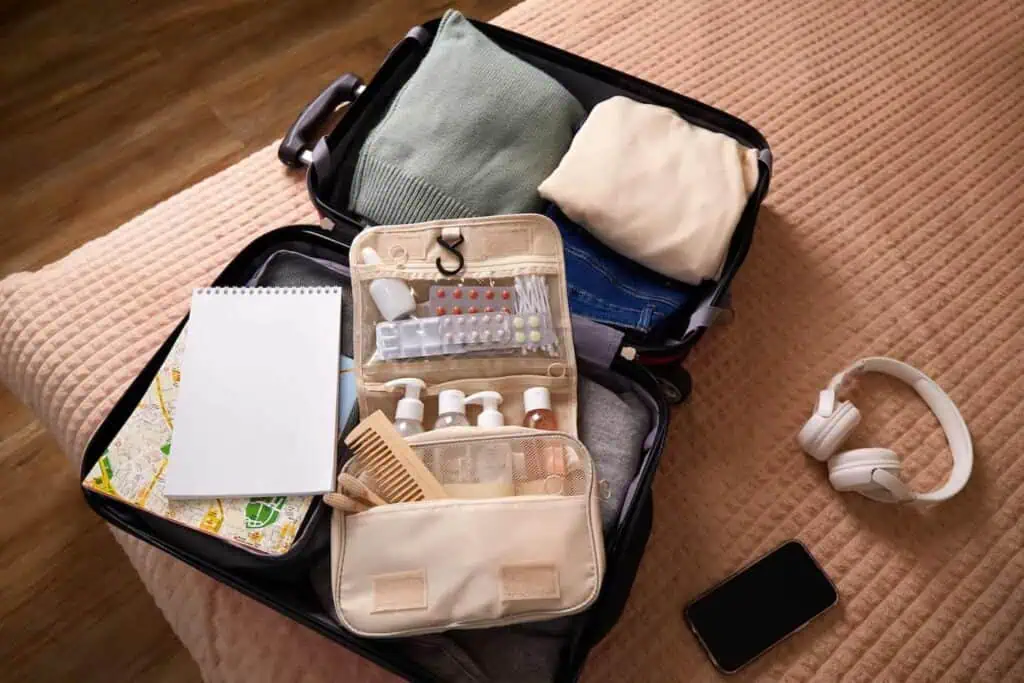
A suitcase filled with clothing, notebooks, and toiletries that include medication

One of the biggest mistakes you can make on moving day is packing away items you’ll need immediately, so it’s important to distinguish between what should stay with you during the move and what can wait until you’re ready to fully unpack.

Food and medicine should generally stay close to you and be immediately accessible when you get to the new place. Your antique tea set, on the other hand, can probably stay safely packed in a box until you have time to find a place for it later on.

Here’s a comprehensive list of items you should have readily accessible on your moving day:

Clothing and Personal Care:

  • Comfortable, closed-toe shoes
  • A change of clothes (in case of a spill or accident)
  • Glasses or contact lenses
  • First aid kit
  • Medications
  • Hand sanitizer
  • Sunscreen (depending on the weather)

Important Documents:

  • Personal documents
  • Lease or purchase agreement
  • Identification

Contacts:

  • Emergency contacts
  • Moving company contact information
  • Realtor

Insurance Information:

  • Health insurance card
  • Home or renters insurance details

Food and Hydration:

  • Water
  • Snacks
  • Paper towels
  • Trash bags

Valuables:

  • Prized or sentimental items (e.g., jewelry, collectibles)

What to Pack for Yourself When Moving

There are two important groups of items you should prepare before your moving day. One is a first-night box containing everything you need to settle in comfortably without rummaging through packed boxes. Preparing one ensures immediate access to necessities without added stress after a long day of moving.

The other is an essentials box, which will carry must-have items you’ll need in the first few weeks as you unpack and organize. These boxes help you maintain a sense of normalcy while adjusting to your new space.


“An essentials box is helpful for local moves, but it’s even more important for long-distance moves…to make your new home more comfortable and functional during the early days…”


Beyond these, you need to personally transport valuables, important documents, and irreplaceable items. Movers do their best to handle belongings with care, but keeping these critical items in your possession minimizes risk and ensures they’re available when needed. Additionally, mobile devices, medications, and personal-care items should be within reach for safety and convenience.

If a family member is helping you pack, share this list of items with them so they don’t accidentally miss anything you’ll need on day one of your move.

What Is a First-Night Box?

A man carrying a cardboard box. In the background, there is a chair wrapped with shrink wrap and several more boxes

A first-night box is a great way to organize your must-have items for the first night in your new house. This box contains all the immediate necessities you’ll need right after moving in. Carry this box to your new residence in your personal vehicle, or make it the last item you load into the moving van so it’s the first thing you can pull out when you start to unpack.

To make your first-night box easy to find, label it with a special marker or color-code it. Keep your box in an accessible, designated place that’s not in the way of your other unpacking activities.

The point of the first-night box is to have a single container you can reach into for the various odds and ends you’ll need to make yourself comfortable immediately after you’ve moved in. Here are some example items to include:

Bedding and Comfort:

  • Two sets of sheets per person
  • Towels

Kitchen Essentials:

  • Dishes or disposable plates, and cutlery
  • Some cookware, such as a pot, pan, spatula, and egg beater
  • Salt, pepper, cooking oil

Toiletries and Personal Care:

  • Toothbrush and toothpaste
  • Shampoo and soap
  • Toilet paper
  • Hairbrush and other grooming tools

Cleaning Supplies:

  • Disinfectant wipes
  • Multi-surface cleaner
  • Sponges and dish soap
  • Trash bags

What Do You Put in Your Essentials Box When Moving?

A family packs boxes with towels and other necessities

The essentials box differs from the first-night box in that it contains items you’ll need beyond the first day, potentially lasting up to a month. While there may be some overlap between the two, the essentials box should be tailored to your specific needs during the early days in your new place.

Since your belongings may arrive at different times depending on the distance and moving service, pack accordingly. Additionally, unpacking may take longer than expected, so having this box on hand ensures you have everything necessary while settling in.


“One of the biggest mistakes you can make on moving day is packing away items you’ll need immediately…Food and medicine should generally stay close to you and be immediately accessible when you get to the new place.”


An essentials box is helpful for local moves, but it’s even more important for long-distance moves. When you’re in a new place, far from your former support systems, having a box of essentials to make your new home more comfortable and functional during the early days can make a world of difference during a transition period.

Here’s what you should include in your essentials box:

Clothing and Personal Items:

  • Enough outfits for a week
  • Extra socks and underwear
  • Pajamas
  • Comfortable shoes

Kitchen and Food Supplies:

  • Coffee maker or kettle
  • Non-perishable snacks and easy meals
  • Can opener
  • Basic seasonings and condiments
  • Reusable water bottles

Toiletries and Bathroom Necessities:

  • Extra toilet paper
  • Towels and washcloths
  • Deodorant, lotion, and shaving supplies
  • First aid kit with bandages and pain relievers

Cleaning and Maintenance:

  • Vacuum or broom and dustpan
  • Laundry detergent and stain remover
  • Toolset with screwdriver, hammer, and nails

Electronics and Office Supplies:

  • Chargers for phones, laptops, and tablets
  • Extension cords and power strips
  • Notebooks, pens, and scissors

Moving Essentials List

A couple surrounded by boxes looks over something on a clipboard as well as their laptop

Preparing each step beforehand will make you feel much more confident after your move, so here’s a handy checklist that outlines everything you need for the days, weeks, and months after your moving day.

During the Move

Moving day can be hectic, but having the right things with you will take some of the stress off. Packing a small bag with key items will help you stay prepared for unexpected situations.

Here are the key items you’ll need during the move:

  • Comfortable clothing and shoes
  • Important documents
  • Medications and a first aid kit
  • Snacks and water
  • Valuables and personal items

The First Night

Your first night in a new home should be as relaxing and stress-free as possible. A designated box with necessary items will save you from having to dig through more boxes or making store runs—and help you get a good night’s rest.

Here are the key items you’ll need during the first night:

  • Bedding and towels
  • Toiletries and hygiene products
  • Simple cookware and eating utensils
  • Basic cleaning supplies

See prices for local moving labor. Read real customer reviews. Easily book your help online.

The First Month

As you settle into your new home, you’ll gradually unpack and organize everything you need for daily living. The first month is about creating a functional and comfortable space so you can transition into unpacking the rest of your things.

Here are the key items you’ll need during the first month:

  • Clothing for various occasions
  • More in-depth kitchen setup
  • Electronics, chargers, and power accessories
  • Laundry and cleaning supplies

No matter how carefully you plan, moving can still feel overwhelming even days and weeks after you’ve settled in.

By planning ahead and organizing your moving essentials, you can significantly reduce stress and ensure a seamless transition.

Avoid Theft During Your Move

Author:

Publish Date:

Last Modified Date:

Category: Moving Checklists & Planning

Tags: Tags: , , , ,

Moving to a new place can feel liberating. Still, there’s one concern that can overshadow that excitement: someone walking off with your belongings during the move. Fortunately, a handful of best practices can shut down most potential thefts before they happen.

To help keep your move secure, here are 10 essential tips to keep in mind:

  1. Thoroughly vet moving companies and labor-only movers
  2. Create a comprehensive inventory of your belongings
  3. Opt to pack items on your own
  4. Designate a secure location for sensitive or high-value items
  5. Ask for an on-site estimate
  6. Keep valuable documents and personal items in your possession
  7. Stay mindful of open doors and entrances
  8. Park in spots you can watch or monitor
  9. Use a visible camera or security app
  10. Dispose of boxes and paperwork with personal details properly

Following these suggestions keeps your belongings in your hands so you can focus on settling into your new home instead of worrying about theft. Let’s take a closer look at each of these steps on how to keep your belongings safe when you move.


Before the Move

A successful, theft-free move starts days (or even weeks) beforehand. Spending time researching moving companies, compiling an inventory, nailing down a safe packing plan, and confirming your labeling strategy truly pays off on moving day.

Thoroughly Vet Moving Companies

a woman talks seriously with a mover in a yard

Reputable professionals don’t want a tarnished image, so they prioritize honesty and reliability. That’s a big reason to look at reviews, business credentials, possible complaints filed online, and references from past customers. A robust hiring process can stop moving company theft in its tracks:

  • Check licensing and insurance. Businesses offering interstate moves should have a USDOT number. Look for details on their insurance coverage as well
  • Scan real customer feedback. Focus on written comments, not only star ratings. People tend to share detailed accounts of missing or damaged items
  • Ask about background checks. If a labor-only crew is involved, find out how they recruit their employees. HireAHelper’s marketplace, for example, works with vetted service providers who are motivated to keep their good standing by consistently doing quality work. If red flags show up at any point, the platform removes them

Taking time to verify who you’re hiring can go a long way toward protecting your belongings and ensuring a smoother, more secure move.

Create an Inventory List

Making a record of your belongings may sound like an extra chore, but it can save you major headaches if something disappears. Write everything down: furnishings, electronics, art, jewelry, and anything you’d miss if it didn’t arrive at your new place. Then, number or color-code your boxes and pair each one with an entry on your list. A quick glance will tell you if any box (like “Kitchen #6”) is still missing after the truck has been emptied.

Documenting everything doesn’t have to be stressful, either! Following a structured approach with inventory sheets simplifies the process.

Opt to Pack Items on Your Own

a woman wraps a coffee pot in green bubble wrap. There are boxes and plants surrounding her.

Having the movers pack for you is a nice convenience and is helpful for many reasons. However, certain items should stay in your control from start to finish, and there are some reasons you might still want to do the packing yourself. Here are some things to keep in mind when it comes to packing and theft prevention:

  • Pack high-value items yourself. Photos, keepsakes, jewelry, or anything sentimental don’t need extra hands touching them. Use sturdy, sealable boxes so that things don’t accidentally slip out
  • Use code words on labels. Rather than writing “Rare Collectibles” in big letters, consider a code like “Basement Decor” or “Box 12.” Avoiding obvious labels helps keep curious eyes away
  • Brush up on packing techniques. Not everyone is a natural packer, but you can pick up quick tips. Thick padding, clear labeling, and logical organization make a huge difference

Taking charge of your own packing means you can keep a laser focus on exactly what goes where, which eliminates guesswork and leaves no opportunity for theft.

Designate a Secure Location for Sensitive or High-Value Items

A locked room or corner space that’s out of sight and no one else touches can serve as temporary storage for especially valuable stuff. Store this “do not load” stash away from windows or entryways, and ask family members or roommates to avoid opening or lingering near that zone.

The bottom line? Treat valuables like VIPs in their own private lounge so you keep prying eyes out of the picture right from the start.

Ask for an On-Site Estimate

Many legitimate movers want to see your place before quoting. Thieves or disreputable companies may skip that step to avoid questions or identification. An on-site visit also gives you the chance to assess your potential mover’s professionalism.

See prices for local moving labor. Read real customer reviews. Easily book your help online.

During the Move

On moving day, everything feels fast-paced, and it’s easy to let security slide. Staying alert and protective of your possessions helps avoid opportunistic theft, whether it’s from the movers, random neighbors, or anyone looking for an easy target.

Keep Valuable Documents and Personal Possessions on Your Person

Never let movers handle essential items like passports, Social Security cards, birth certificates, or marriage licenses. The same logic applies to expensive family heirlooms or pricey laptops. To keep your valuables safe, you can do the following:

  • Carry a personal bag: Throw these valuables in a backpack, purse, small roller bag, or satchel so you always know where they are.
  • Have an essentials list: If you’re unsure about which items are worth carrying yourself, explore our Moving Day Survival Guide post, which outlines the absolute must-haves.

Stay Mindful of Open Doors and Entrances

an open door leads out to a yard from a decorated entryway of a home

Thieves thrive in chaotic environments: boxes everywhere, constant movement, and open routes make it easy to slip in unnoticed. Leaving doors propped open might be convenient, but it also creates an easy access point for theft.

  • Close doors when possible: If movers are bringing items through the front, keep the back locked, and vice versa. That way, no one can quietly slip in.
  • Announce where the main loading zone is: Let everyone know which door to use. Having a single monitored entry spot helps you keep track of who’s coming in and out.

A little vigilance goes a long way. By locking down entry points, you’re instantly curbing the chance for opportunistic theft.

Park in Spots You Can Watch or Monitor

Unattended trucks can attract people looking for an easy target. To combat this, position your moving vehicle so it’s always in someone’s line of sight. Darkness is camouflage, so choose a well-lit area.


“It’s easy to misplace boxes under piles of bubble wrap. Do a thorough sweep before concluding that an item was stolen.”


Bright streetlights, for instance, tend to deter shady activity. If you can’t monitor your moving truck from your front window, you might request that the truck stay near an easy-to-watch spot, which is far better than leaving it around a corner all day.

Use a Visible Camera or Security App

Placing a camera at your main entryway, aimed at the moving truck, acts as a deterrent. Even a phone set to record can send the message that your property is under watch. Honest movers won’t mind, but dishonest ones might think twice.


After the Move

Relief typically sets in once everything’s inside the new place. A few more steps will safeguard your belongings from identity theft or lingering risks.

Properly Dispose of Boxes and Paperwork with Personal Details

a man in a gray sweater shreds a document into a paper shredder

Few things say “steal my stuff!” like an intact box labeled “42-inch TV” sitting by the curb. Thieves can also steal your personal data from documents you casually toss out. Prevent this by breaking down and disguising boxes. Rip them up or add blank labels so potential thieves can’t see brand names or item descriptions.

Once you’re done with the moving process, shred any sensitive info. Old mail with your old address and new address can be just as valuable to the wrong person as jewelry. Remember, if it has personal data, destroy it before tossing it in a trash.


How to Prevent U-Haul Theft

a UHaul moving truck is parked on the curb outside of a brick building

Renting a U-Haul or Penske truck and driving it yourself offers significant flexibility. It also means you’re in charge of security from start to finish. That’s why a few extra measures can shield your stuff from potential thieves.

  • Lock it with something solid: A heavy-duty padlock or disc lock on the cargo door cuts off quick smash-and-grab attempts.
  • Park in a busy, well-lit space: Dark parking lots invite criminals. If you’re stopping for the night, pick a spot near the hotel entrance or under a bright lamp.
  • Back up against a barrier: Positioning the truck close to a wall makes the cargo door inaccessible. That added challenge often prompts thieves to pass by your truck and look elsewhere.
  • Take valuables with you: Nobody wants to lug electronics, cash, pricey collectibles, or sensitive documents around every time they exit the truck, but it’s better than losing them. Even a few minutes of leaving the truck unattended can end in disaster, so keep your most precious items in your personal car or backpack.

Keep your truck locked tight, stash valuables safely, and park where you can keep tabs on it will help make your relocation a smooth and secure move.


What to Do If You Suspect Theft

A woman with an upset and stress expression stands in the middle of stacks of cardboard. The one directly in front of her is open

Even with a great plan, items sometimes go missing. Acting quickly can help you recover them — or at least file a strong claim if they’re gone for good.

  1. Double-check your entire home: It’s easy to misplace boxes under piles of bubble wrap. Do a thorough sweep before concluding that an item was stolen.
  2. Reach out to the movers: Give them a detailed description of what’s missing, in case it got stashed in the wrong truck corner. Reputable pros want to resolve issues!
  3. File a police report: If you’re convinced something was stolen, document it with the police. Offer them any relevant info, such as the mover’s name or the truck’s plate number.
  4. Review possible insurance coverage: Some homeowners or renters policies extend to moves. If you bought additional coverage, check the fine print on theft claims.
  5. Follow up: If the mover is stonewalling or you’re not satisfied, filing a formal complaint with the local authority or the Department of Transportation can escalate the matter.

Don’t wait a second if you suspect theft. Remember to turn your home inside out for any misplaced boxes and jump on the phone with your movers first. If something’s really gone, file a police report and use every official channel at your disposal. Rapid, well-documented action is your power move to recover what’s yours.

See prices for local moving labor. Read real customer reviews. Easily book your help online.

Top Reasons Why Theft Occurs During a Move

A move can be a day of chaos. Thieves see it as a golden opportunity. Understanding why theft happens can clarify the steps needed to protect your stuff.

Weakness Thieves Can Exploit Why It’s a Hazard
Open trucks and doors invite easy access Constant comings and goings can allow strangers to slip inside without much effort.
Inexperienced or unchecked movers Movers who aren’t vetted might have questionable track records or ulterior motives.
Unattended vehicles A truck left far from view, especially in a dimly lit corner, can become a target.
Lack of inventory control Without a list, you might not catch missing boxes until it’s too late to trace them.
Poor document management Carelessly discarded mail, financial statements, or labels can increase identity theft and inform burglars about what’s worth stealing.
Disorganized packing Items strewn everywhere make it easier for something small to vanish without notice.
No clear plan for valuables Leaving cash, jewelry, or pricey devices for others to pack raises the risk of something disappearing.
Hasty hiring Accepting the first mover who quotes the lowest price sometimes backfires if they lack credentials.

Items Most at Risk

Several categories stand out as prime targets for moving theft:

Item Why It’s Targeted
Prescription medications These can be resold.
Jewelry Rings, watches, heirlooms, or cufflinks fit easily in a pocket.
Collectibles Rare coins, limited-edition figurines, sports memorabilia, and vintage vinyl can sell at high prices.
Credit card numbers and IDs Identity theft can be just as damaging as property theft.
Small electronics Tablets, laptops, handheld consoles, or smartwatches are lightweight and easy to grab.

How to Prevent Theft During a Move

Moves present unique security challenges. Everything is in transit, new faces come and go, you’re juggling more tasks in one day than you might in an entire month, and random, unexpected emergencies can crop up.


“Never let movers handle essential items like passports, Social Security cards, birth certificates, or marriage licenses. The same logic applies to expensive family heirlooms or pricey laptops.”


With so much happening at once, a methodical approach can turn this hectic day into a smooth and safe transition.

Here’s a quick recap of how to keep your move secure from start to finish:

  • Vet your moving crew (or look for movers through a marketplace that vets them, such as HireAHelper!)
  • List, label, stash, and track—establish an inventory, label boxes discreetly, and set aside precious belongings in a locked area or your personal bag.
  • Remain alert during loading and unloading, particularly with open doors, parked trucks, and anyone stopping by.
  • Shred identifying documents and dismantle boxes so no one can tell what you just moved.
  • Act quickly if anything goes missing, and lean on insurance or official channels if necessary.

In addition, think of your rental truck as a mobile vault — lock it up, park smart, and keep an eye on it.

Following these guidelines means you’re far less likely to lose something important. A few small decisions can protect your belongings and your overall peace of mind. Instead of worrying about lost boxes, you’ll focus on decorating your living room or meeting your new neighbors.

HireAHelper is here for every step — from connecting you to vetted movers to providing practical advice that keeps those valuables in your care. Enjoy your new home!

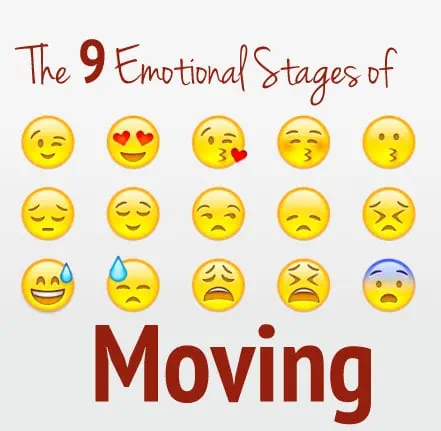
The 9 Emotional Stages of Moving

Author:

Publish Date:

Last Modified Date:

Category: Moving Stories

Tags: Tags: , , , , , , , , , ,

Stages of Moving

Because moving is such a momentous part of life, there are a wide variety of emotions that come along with it. Let’s be honest, most of the time moving gets a bad rap.

Many people just lump moving into the “sucks” category… but we’re here to dispel that theory. Sure, moving can be overwhelming and scary at times, but there are also a heck of a lot of good things that come along with moving. Lots of wonderful, HAPPY emotions.

So let’s take a look at the 9 emotional stages (both the good & the bad) of moving… (more…)

A Moving Checklist and To-Do List for an Organized Move

Author:

Publish Date:

Last Modified Date:

Category: Moving Checklists & Planning

Tags: Tags: , ,

Update: we published a fresher, cleaner moving checklist over here.

Planning a move is almost like planning a wedding these days. Organization, execution, and one heck of a running to-do list will make your big day a magical one! A day with little drama, lots of happy tears, and a future of happily ever after in your new digs is what you and your moving team should be aiming towards. But happily ever after doesn’t happen overnight. Just like any happy bride, a happy mover needs to be organized and have a moving checklist in place to make it all run smoothly… because no one likes the moving equivalent to bride-zilla. Yikes!

So picture today’s post as the digital “event planner” for your upcoming move. We’ve got a moving checklist for ya, and we’re here to whip your rear into shape and make sure we do everything we can to keep your move organized… one to do list reminder at a time. Check. Check. Double CHECK!

(more…)

×

I'm Moving

Moving? Thinking about moving? Whether your move is off in the distance or you already have one foot out the door, you'll learn about everything you should expect through our useful how-to's, cool articles and much more. It's all specially curated for you in our "I'm Moving" section.
Explore
×

I'm a Mover

For rookies or veterans alike, our "I'm a Mover" section is filled with extensive industry news, crucial protips and in-depth guides written by industry professionals. Sharing our decade of moving knowledge is just one way we help keep our professional movers at the top of their game.
Explore